China Custom Machining Custom CNC Plastic Planetary Gear Parts Injection Molding Plastic Gears Nylon Plastic Gears with Good quality
Product Description
Product Description
|
Item |
Machining Custom CNC Plastic Planetary Gear Parts Injection Molding Plastic Gears Nylon Plastic Gears |
|
Material |
ABS, PC/ABS, PP, PC, POM(Delrin), Nylon 6, Nylon 6/6, PA 12, HDPE, LDPE, PS(HIPS), SAN/AS, ASA, PVC, UPVC, TPE, TPR, PU, TPU, PET, PEI(Ultem), PSU, PPSU, PPE/PS, PTFE, GPPS, PPO, PES, CA, etc |
|
Certificate |
IATF 16949:2016 / ISO 9001:2015 / ISO 45001:2018 / ISO 14001:2015 /REACH/ROHS/MSDS/LFGB/F D A |
|
Drawing Format |
.stp / .step / .igs /.CHINAMFG /.dwg / .pdf |
|
Color |
Almost all PMS colors available. |
|
Parameters |
Inch, centimeter, millimeter, etc. |
|
Function |
Industrial parts /daily supply / Medical grade supply, etc. |
|
Surface Treatment |
Matte, Common polishing, Mirror polishing, Texture, Plating, Power Coating (Painting), Laser Engraving, Brushing, Marbling, Printing etc. |
|
Mold Material |
S136H, 718H, NAK80, P20, H13, etc. |
|
Mold Precision |
If no special request, apply to SJ/T10628-1995 standards, class 3. |
|
Mold Life-cycle |
100,000-500,000 shots. |
|
Packing |
Pack in bulk / poly bag / bubble bag / color box. |
|
Sample |
Available. One cavity sample mold or 3D printing. |
|
Price Tip |
The price shown above is just for reference, final actual price depends on your design, material request, surface treatment, order qty, package request, etc. |
Machining Custom CNC Plastic Planetary Gear Parts Injection Molding Plastic Gears Nylon Plastic Gears
1. Rapid Prototyping & On-demand production services;
2. Professional DFM Report before Mould Making;
3.Capability for Plastic Injection Molding is up to 1500mm
DFM Report (Design for Manufacturability) for Reference.
Some Custom CHINAMFG & Moulds for Your Reference.
Neway Highly Welcome Your Own Custom Designs !!!
Neway Support Custom Design Moulds & Moulds Export.
Neway Can Also Provide Mould Spare Parts Export, eg: Slider, Inserts, Ejector Pins, etc.
NEWAY has complete production chain from R&D, Rapid Prototypes, mould design, mould making, components production, assembling, packing to export. Having 1 supplier like CHINAMFG for the complete assembly will allow for better design, quality, and fit of all the individual parts.
The most common used surface treatment are: Matte, Texture (fine texture, rough texture…), Common Polishing, Mirror Polishing, Laser Engraving, Printing, Plating, Brushing, Marbling), etc. You can view below surface pictures for reference
Company Profile
Our Advantages
Good reviews of customer
Certifications
Below are some inspection equipment for reference:
And attach the injection molding CHINAMFG inspection report for reference:
Packaging & Shipping
FAQ
Q1. How soon can I get a precise quotation for custom plastic injection part?
A1: Please send us your inquiry by email or Alibaba TM message. Once we confirm the design (Feature details with parameters), material, color, qty, we can provide quotation within 24 HOURS.
Q2: Can I get a free sample, how long will it take?
A2: a. For standard products we have in stock, YES for free sample, but the express fee will be charged in advance.
Mostly, it takes 3-10 days.
b. For custom products, sample fee is determined by the detailed sample requirements. Normally, it takes 7-15 days.
Q3: Can you make custom parts based on my sample?
A3: Yes, you can send the sample to us by express and we will evaluate the sample, scan the features and draft 3D drawing for production.
Q4: What does your OEM service include?
A4: We follow up your request from the design idea to the mass production.
a. You can provide 3D drawing to us, then our engineers and production teams evaluate the design and quote you the precise cost.
b. If you don’t have 3D drawing, you can provide 2D drawing or draft with features details with full dimensions, we can draft 3D drawing for you with fair charge.
c. You can also customize Logo on the product surface, package, color box or carton.
d. We also provide assembly service for the OEM parts.
Q5. What is your payment term?
A5: We accept T/T, Paypal, Western Union, L/C, Alibaba Trade Assurance.
Work with Neway, your business is in safe and your money is in safe!
If you can dream it, we can build it!
| Application: | Motor, Electric Cars, Motorcycle, Machinery, Car, Others |
|---|---|
| Hardness: | Hardened Tooth Surface |
| Gear Position: | Internal Gear |
| Manufacturing Method: | Plastic Injection |
| Toothed Portion Shape: | Bevel Wheel |
| Material: | Plastic |
| Samples: |
US$ 10/Piece
1 Piece(Min.Order) | |
|---|
| Customization: |
Available
| Customized Request |
|---|
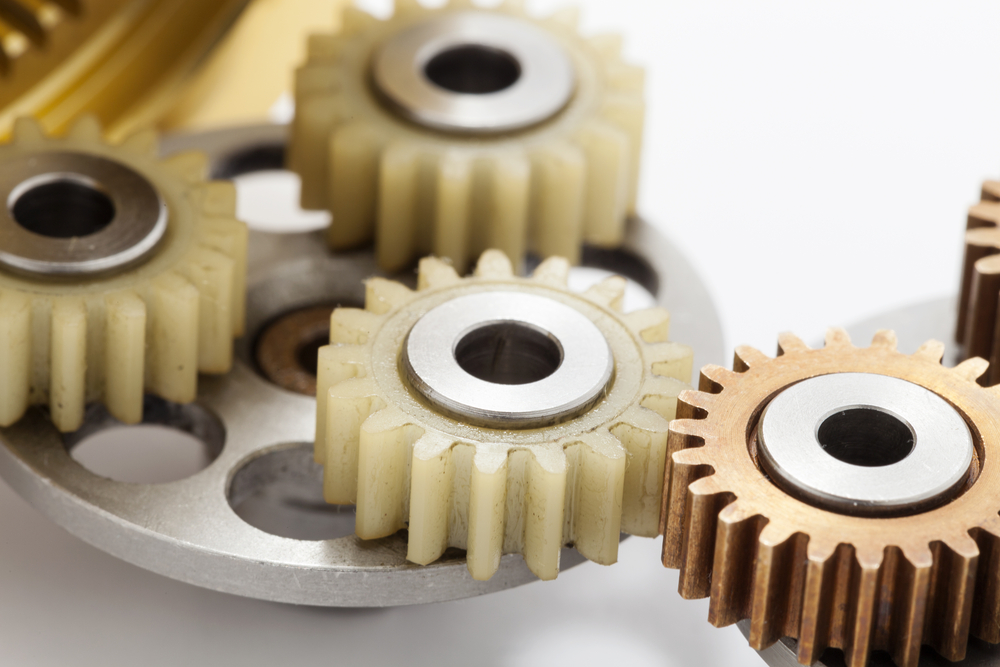
How do you choose the right type of plastic material for specific applications?
Choosing the right type of plastic material for specific applications requires careful consideration of various factors. Here’s a detailed explanation of the process:
1. Identify Application Requirements: Begin by understanding the specific requirements of the application. Consider factors such as temperature range, chemical exposure, mechanical stress, electrical properties, dimensional stability, and regulatory compliance. This initial assessment will help narrow down the suitable plastic material options.
2. Research Plastic Material Properties: Conduct thorough research on different types of plastic materials and their properties. Consider factors such as mechanical strength, thermal stability, chemical resistance, electrical conductivity, impact resistance, UV stability, and food safety approvals. Plastic material datasheets and technical resources from manufacturers can provide valuable information.
3. Evaluate Material Compatibility: Assess the compatibility of the plastic material with the surrounding environment and other components in the system. Consider the potential for chemical reactions, galvanic corrosion, thermal expansion, and any specific requirements for mating surfaces or interfaces. Ensure the selected material is compatible with the intended operating conditions.
4. Consider Manufacturing Process: Evaluate the manufacturing process involved in producing the desired component or product. Different plastic materials may have specific requirements or limitations for processes such as injection molding, extrusion, blow molding, or machining. Ensure the chosen material is compatible with the selected manufacturing method and can meet the desired quality and production efficiency.
5. Assess Cost and Availability: Consider the cost and availability of the plastic material. Some specialty or high-performance plastics may be more expensive or have limited availability compared to more common materials. Evaluate the cost-effectiveness and feasibility of using the selected material within the project’s budget and timeline.
6. Consult with Material Experts: If necessary, consult with material experts, engineers, or suppliers who have expertise in plastic materials. They can provide valuable insights and recommendations based on their experience and knowledge of specific applications. Their input can help ensure the optimal material selection for the intended use.
7. Perform Prototype and Testing: Before finalizing the material selection, it’s advisable to produce prototypes or conduct testing using the chosen plastic material. This allows for verification of the material’s performance, dimensional accuracy, strength, durability, and other critical factors. Iterative testing and evaluation can help refine the material selection process if needed.
By following these steps and considering the application requirements, material properties, compatibility, manufacturing process, cost, and expert advice, it’s possible to choose the most appropriate plastic material for specific applications. Proper material selection is crucial for ensuring optimal performance, longevity, and safety in various industries and products.
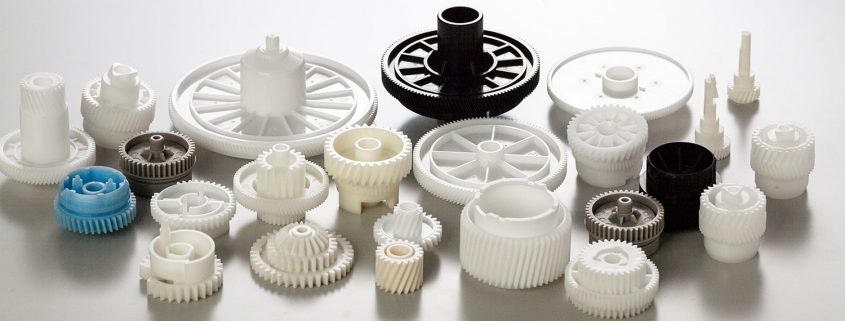
How do plastic gears handle lubrication and wear?
Plastic gears handle lubrication and wear differently compared to metal gears. Here’s a detailed explanation of their behavior:
1. Lubrication in Plastic Gears: Lubrication plays a crucial role in the performance and longevity of plastic gears. While metal gears often require continuous lubrication, plastic gears have different lubrication requirements due to their inherent properties. Here are some key considerations:
- Self-Lubrication: Some plastic materials, such as certain formulations of polyoxymethylene (POM), have inherent self-lubricating properties. These materials have a low coefficient of friction and can operate with minimal lubrication or even dry. Self-lubricating plastic gears can be advantageous in applications where the use of external lubricants is impractical or undesirable.
- Lubricant Compatibility: When external lubrication is necessary, it’s important to choose lubricants that are compatible with the specific plastic material used in the gears. Certain lubricants may degrade or adversely affect the mechanical properties of certain plastics. Consultation with lubricant manufacturers or experts can help identify suitable lubricants that won’t cause degradation or wear issues.
- Reduced Lubricant Requirements: Plastic gears generally have lower friction coefficients compared to metal gears. This reduced friction results in lower heat generation and less wear, which in turn reduces the demand for lubrication. Plastic gears may require less frequent lubricant replenishment or lower lubricant volumes, reducing maintenance requirements.
- Appropriate Lubricant Application: When applying lubricant to plastic gears, care should be taken to avoid excessive amounts that could lead to contamination or leakage. Lubricants should be applied in a controlled manner, ensuring they reach the critical contact points without excessive buildup or excess spreading beyond the gear surfaces.
2. Wear in Plastic Gears: Plastic gears exhibit different wear characteristics compared to metal gears. While metal gears typically experience gradual wear due to surface interactions, plastic gears may undergo different types of wear mechanisms, including:
- Adhesive Wear: Adhesive wear can occur in plastic gears when high loads or speeds cause localized melting or deformation at the gear teeth contact points. This can result in material transfer between gear surfaces and increased wear. Proper material selection, gear design optimization, and lubrication can help minimize adhesive wear in plastic gears.
- Abrasive Wear: Abrasive wear in plastic gears can be caused by the presence of abrasive particles or contaminants in the operating environment. These particles can act as abrasive agents, gradually wearing down the gear surfaces. Implementing effective filtration or sealing mechanisms, along with proper maintenance practices, can help reduce abrasive wear in plastic gears.
- Fatigue Wear: Plastic materials can exhibit fatigue wear under cyclic loading conditions. Repeated stress and deformation cycles can lead to crack initiation and propagation, ultimately resulting in gear failure. Proper gear design, material selection, and avoiding excessive loads or stress concentrations can help mitigate fatigue wear in plastic gears.
3. Gear Material Selection: The choice of plastic material for gears can significantly impact their lubrication and wear characteristics. Different plastic materials have varying coefficients of friction, wear resistance, and compatibility with lubricants. It’s important to select materials that offer suitable lubrication and wear properties for the specific application requirements.
4. Operational Considerations: Proper operating conditions and practices can also contribute to the effective handling of lubrication and wear in plastic gears. Avoiding excessive loads, controlling operating temperatures within the material’s limits, implementing effective maintenance procedures, and monitoring gear performance are essential for ensuring optimal gear operation and minimizing wear.
In summary, plastic gears can handle lubrication and wear differently compared to metal gears. They may exhibit self-lubricating properties, reduced lubricant requirements, and require careful consideration of lubricant compatibility. Plastic gears can experience different types of wear, including adhesive wear, abrasive wear, and fatigue wear. Proper material selection, gear design, lubrication practices, and operational considerations are crucial for ensuring efficient lubrication and minimizing wear in plastic gears.
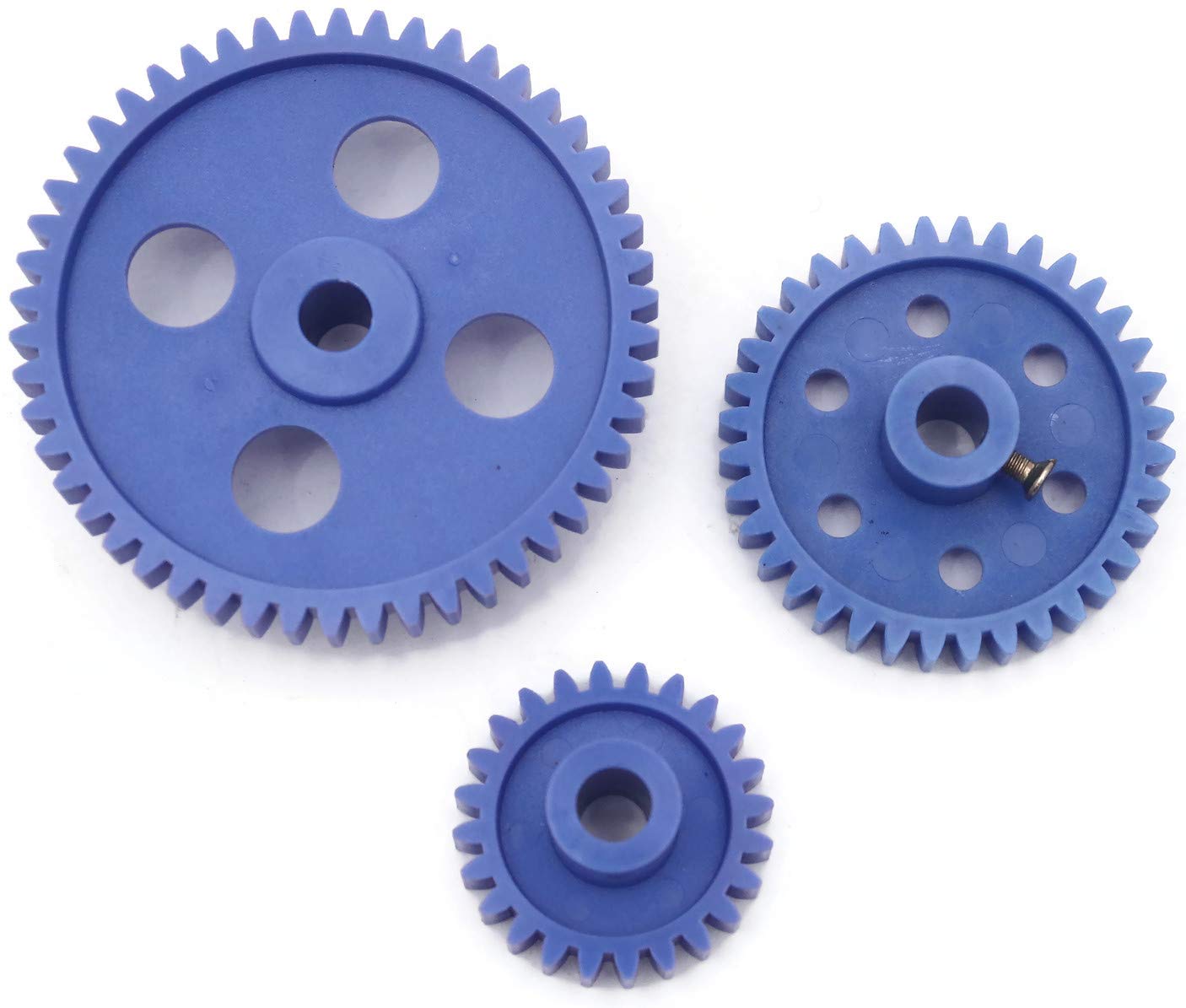
How do plastic gears differ from metal gears in terms of performance?
Plastic gears and metal gears exhibit differences in performance characteristics. Here’s a detailed explanation of how plastic gears differ from metal gears:
Strength and Durability:
- Metal gears are generally stronger and more durable compared to plastic gears. They can withstand higher torque, heavy loads, and harsh operating conditions. Metal gears are commonly used in applications that require high strength and durability, such as heavy machinery, automotive transmissions, and industrial equipment.
- Plastic gears have lower strength and may not be suitable for applications with high torque or heavy loads. However, advancements in plastic materials and manufacturing techniques have resulted in the development of high-performance plastics that offer improved strength and durability, allowing plastic gears to be used in a wider range of applications.
Weight:
- Plastic gears are significantly lighter in weight compared to metal gears. This lightweight characteristic is advantageous in applications where weight reduction is important, as it can contribute to energy efficiency, lower inertia, and reduced wear on supporting components.
- Metal gears are heavier due to the density and strength of the metal materials used. While the weight of metal gears can provide benefits in certain applications that require high inertia or increased stability, it may also result in additional energy consumption and higher stresses on supporting structures.
Noise and Vibration:
- Plastic gears have inherent damping properties that help reduce noise and vibration levels during operation. This makes them suitable for applications where noise reduction is desired, such as in consumer electronics or office equipment.
- Metal gears tend to generate more noise and vibration due to their higher stiffness. While there are methods to reduce noise in metal gears through design modifications and the use of noise-dampening materials, plastic gears generally offer better inherent noise and vibration reduction.
Wear and Lubrication:
- Plastic gears have the advantage of self-lubrication due to certain plastic materials having inherent lubricating properties. This reduces friction and wear between gear teeth, eliminating the need for external lubrication and simplifying maintenance requirements.
- Metal gears typically require lubrication to reduce friction and wear. Proper lubrication is essential for their performance and longevity. Insufficient or inadequate lubrication can lead to increased wear, heat generation, and even gear failure.
Corrosion Resistance:
- Plastic gears can exhibit excellent resistance to corrosion and chemicals, depending on the chosen plastic material. This makes them suitable for applications in corrosive environments where metal gears may suffer from degradation or require additional protective measures.
- Metal gears may corrode when exposed to moisture, chemicals, or certain operating environments. Corrosion can weaken the gears and compromise their performance and lifespan. However, corrosion-resistant metals or protective coatings can mitigate this issue.
Design Flexibility:
- Plastic gears offer greater design flexibility compared to metal gears. Plastic materials can be easily molded into complex shapes, allowing for the creation of custom gear profiles and tooth geometries. This design flexibility enables gear optimization for specific applications, improving performance, efficiency, and overall machinery design.
- Metal gears are more limited in terms of design flexibility due to the constraints of machining or shaping metal materials. While metal gears can still be customized to some extent, the process is generally more time-consuming and costly compared to plastic gear manufacturing.
It’s important to consider these performance differences when selecting between plastic and metal gears for a specific application. The requirements of the application, including load capacity, operating conditions, noise considerations, and durability expectations, should guide the choice of gear material.


editor by CX 2023-11-27