China factory Custom Forged Steel Gear Shaft for Heavy Duty Power Transmission Gear Box worm gearbox
Product Description
Forged Gear Shafts – aiming for optimal performance
Forged gear shaft plays a critical role in gearboxes and other transmission systems. It endures both shear stress and torsion, our material properties can ensure reliability and performance.
Our forged gear shafts provide following material characteristics:
– High Strength: Gear shafts must withstand torque and heavy loads without deformation.
– Good Machinability: Easy manufacturability and precision are essential for efficient production.
– Low Notch Sensitivity Factor: Minimize stress concentration points to prevent premature failure.
– Good Heat Treatment Properties: Ensure durability and resistance to wear and fatigue.
– High Wear Resistance: Gear shafts should have a long service life even under demanding conditions.
Product Sample Drawings
Steel Materials
Tiangong Forging supplies a variety of semi-finished forged steel products, with the main materials being nickel-molybdenum steel, alloy steel, die steel, stainless steel and carbon steel. In addition to general steel grades, we can also prepare the required steel according to other national specifications or specified alloy compositions requested by customers.
| Carbon Steel | 20# |
| 35# | |
| 45# | |
| A3 | |
| 65Mn | |
| Alloy Steel | Q345A |
| 35CrMo | |
| 20CrMo | |
| 42CrMo | |
| 42CrMo4 | |
| 20CrMnMo | |
| Nickel Alloy Steel | 18CrNiMo7-6 |
| 20CrNi2Mo | |
| 30CrNiMo8 | |
| 40CrNiMo |
Product Parameters
The maximum production shaft forging length/weight is 12m / 15 ton
.
We can supply products in 3 different states according to customer requirements:
– Forged blank,
– Rough machined
– Semi-finishing machined
Heat Treatment Options:
We offer multiple heat treatment options to achieve the desired mechanical properties. From hardness to toughness, we tailor the treatment to meet customers specific requirements.
Our Commitment For Quality
Quality is Tiangong Forging’s commitment to continuously drive the company and customers forward.
To us, quality means taking care of each customer with a professional and proactive attitude. We have been a CHINAMFG in the forging industry’s adoption of the ISO 9001-2015 standard and are proud that our technology has gained major industry recognition over the years.
Our quality assurance laboratory has a variety of advanced testing equipment to ensure that the metal composition, mechanical properties, hardness, ultrasonic flaw detection, metallography, product dimensions, etc. of the product can meet the standards required by customers.
After customer confirms the order, we will establish a detailed quality control plan for all customers’ products. And after obtaining the customer’s consent, it is strictly implemented throughout the production process.
All products are shipped with a detailed product quality certificate, which lists various test results, including raw material alloy chemical composition, mechanical properties, appearance inspection, ultrasonic flaw detection, actual heat treatment temperature control chart, metallographic photos, quenching permeability test, etc.
/* January 22, 2571 19:08:37 */!function(){function s(e,r){var a,o={};try{e&&e.split(“,”).forEach(function(e,t){e&&(a=e.match(/(.*?):(.*)$/))&&1
| Processing Object: | Metal |
|---|---|
| Molding Style: | Forging |
| Molding Technics: | Free Forging |
| Customization: |
Available
| Customized Request |
|---|
.shipping-cost-tm .tm-status-off{background: none;padding:0;color: #1470cc}
|
Shipping Cost:
Estimated freight per unit. |
about shipping cost and estimated delivery time. |
|---|
| Payment Method: |
|
|---|---|
|
Initial Payment Full Payment |
| Currency: | US$ |
|---|
| Return&refunds: | You can apply for a refund up to 30 days after receipt of the products. |
|---|
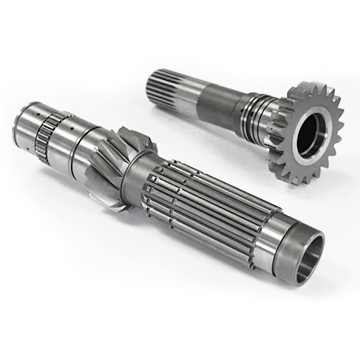
How do gear shafts handle variations in load and stress conditions?
Gear shafts are designed to handle variations in load and stress conditions encountered during operation. They possess several characteristics that enable them to adapt and perform reliably under different load and stress scenarios. Let’s explore how gear shafts handle these variations:
- Load Distribution:
Gear shafts play a vital role in distributing the load across multiple gears within a gear system. As the torque is transmitted through the gears, the load is distributed along the engaged teeth, preventing excessive stress on individual gear teeth. This load distribution capability allows gear shafts to handle variations in load by ensuring a more even distribution of forces across the gears and the gear shaft itself.
- Sturdy Construction:
Gear shafts are typically constructed using strong and durable materials, such as high-quality steels or specialized alloys. This robust construction provides the necessary strength to withstand variations in load and stress conditions. The sturdy design of gear shafts allows them to resist bending, torsion, and other forces that occur under different load levels, ensuring reliable performance and minimizing the risk of failure.
- Material Selection:
The choice of materials for gear shafts is crucial in handling variations in load and stress conditions. Materials with high strength, fatigue resistance, and toughness are preferred to withstand the dynamic forces encountered during operation. Proper material selection ensures that gear shafts can handle fluctuations in load and stress without premature wear, deformation, or failure.
- Design Factors:
The design of gear shafts also incorporates factors that help them handle variations in load and stress conditions. Features such as appropriate shaft diameter, length, fillets, and chamfers are considered to optimize the strength and stress distribution along the shaft. Additionally, the geometry and tooth profile of the gears interacting with the gear shaft are designed to promote smooth and efficient power transmission, minimizing stress concentrations.
- Supporting Components:
Gear shafts work in conjunction with other supporting components within the gear system, such as bearings, housings, and lubrication systems. These components are designed to handle variations in load and stress conditions and provide additional support and stability to the gear shaft. Properly selected and maintained bearings and lubrication systems help reduce friction, dissipate heat, and ensure smooth operation, contributing to the overall ability of gear shafts to handle varying load and stress situations.
- Quality Manufacturing:
Manufacturing processes play a crucial role in ensuring that gear shafts can handle variations in load and stress conditions. Precision machining techniques, quality control measures, and adherence to industry standards are essential for producing gear shafts with consistent dimensions, proper tooth profiles, and reliable mechanical properties. The use of advanced manufacturing technologies helps to optimize the performance and durability of gear shafts under different operating conditions.
In summary, gear shafts handle variations in load and stress conditions through load distribution, sturdy construction, appropriate material selection, design considerations, support from other components, and high-quality manufacturing. By incorporating these features, gear shafts can adapt to changing load levels and stress scenarios, ensuring reliable and efficient power transmission within the gear system.
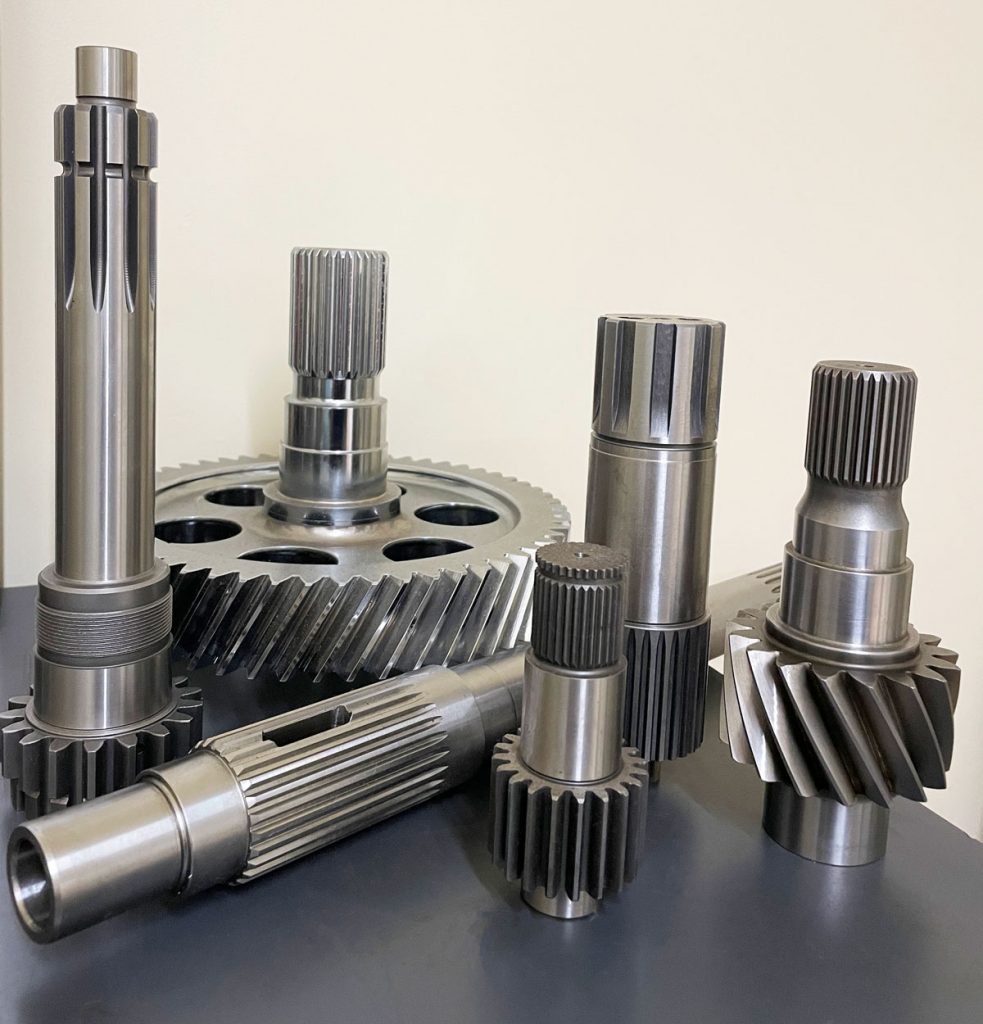
How do gear shafts affect the overall operation and efficiency of gear systems?
Gear shafts play a crucial role in determining the overall operation and efficiency of gear systems within mechanical applications. They impact various aspects of gear system performance. Let’s explore how gear shafts affect the overall operation and efficiency:
- Power Transmission:
Gear shafts are responsible for transmitting power between gears in a gear system. The design and construction of the gear shaft directly influence the efficiency of power transmission. Proper alignment, accurate dimensions, and precise machining of the gear shaft ensure smooth rotation and optimal meshing of gear teeth. This reduces power losses due to friction, misalignment, or inefficient engagement, resulting in improved power transmission efficiency.
- Load Carrying Capacity:
Gear shafts bear the load and torque generated within a gear system. Their structural integrity and material properties determine the load carrying capacity of the gear system. A well-designed and robust gear shaft can withstand high loads without deformation or failure. By effectively distributing the load across the gear arrangement, gear shafts enhance the overall efficiency of the system and prevent premature wear or damage to the gears.
- Alignment and Gear Meshing:
Gear shafts ensure proper alignment and gear meshing within the gear system. Accurate machining and precise tolerances of the gear shaft facilitate the correct positioning of gears, ensuring optimal contact and engagement between gear teeth. Improper alignment or misalignment due to a faulty gear shaft can result in increased friction, noise, vibration, and reduced efficiency. Conversely, a well-designed gear shaft promotes smooth gear meshing, minimizes energy losses, and enhances the overall efficiency of the gear system.
- Reduction of Backlash:
Backlash refers to the slight play or gap between the meshing gear teeth. Gear shafts, when properly designed and manufactured, help reduce backlash within the gear system. By ensuring accurate alignment and precise tooth engagement, gear shafts minimize the amount of backlash, which can cause vibration, noise, and energy losses. Reduced backlash improves the efficiency of the gear system by enhancing the transfer of rotational motion and minimizing power dissipation.
- Smooth Operation and Reduced Wear:
A well-designed gear shaft enables smooth operation and reduces wear within the gear system. The accurate meshing of gear teeth facilitated by the gear shaft results in reduced friction and wear on the gears. Proper lubrication and the use of high-quality materials further contribute to minimizing wear and extending the lifespan of the gear system components. Smooth operation and reduced wear translate to improved efficiency, as energy losses due to friction and component degradation are minimized.
- Efficiency in Speed and Torque Conversion:
Gear shafts allow for efficient speed and torque conversion within gear systems. By incorporating different gear arrangements on a single gear shaft, it becomes possible to achieve specific speed and torque requirements. The gear ratios and sizes chosen for the gear arrangement on the gear shaft determine the conversion efficiency. Well-designed gear shafts enable precise speed and torque transmission, resulting in efficient power utilization and optimized performance of the gear system.
In summary, gear shafts significantly impact the overall operation and efficiency of gear systems. They influence power transmission efficiency, load carrying capacity, gear alignment and meshing, reduction of backlash, smooth operation and reduced wear, as well as speed and torque conversion efficiency. Proper design, construction, and maintenance of gear shafts are essential for maximizing the overall performance and efficiency of gear systems in mechanical applications.
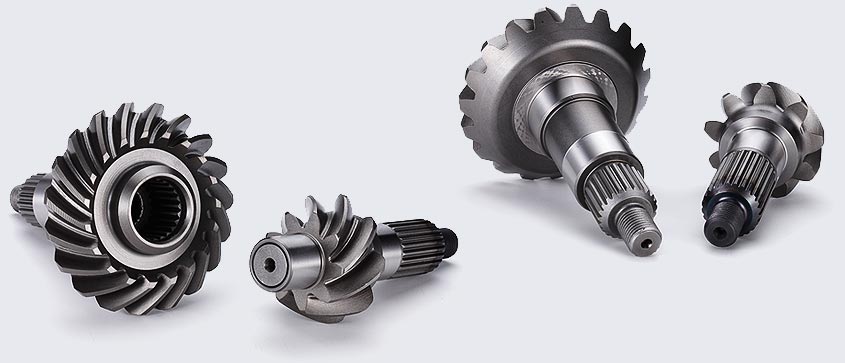
What is a gear shaft and how does it function in mechanical systems?
A gear shaft is a key component in mechanical systems that transmit rotational motion and power between gears. It acts as a mechanical linkage, connecting two or more gears and enabling the transfer of torque and rotational speed. Here’s how a gear shaft functions in mechanical systems:
- Power Transmission:
A gear shaft serves as a means of power transmission between gears. When one gear is rotated, either by an input source or another gear, the gear shaft transmits the rotational motion to the connected gear or gears. This allows for the transfer of power from one gear to another, resulting in the desired mechanical output.
- Support and Alignment:
A gear shaft provides support and alignment for the gears it connects. It is typically mounted on bearings or bushings within the mechanical system, allowing it to rotate smoothly. The bearings help reduce friction and wear, ensuring efficient power transmission and prolonging the lifespan of the gears and the shaft.
- Torque Transmission:
In addition to transmitting rotational motion, a gear shaft also transmits torque. Torque is the rotational force that causes an object to rotate. As a gear shaft connects gears with different sizes or numbers of teeth, it allows for torque multiplication or reduction, depending on the gear ratios. This enables mechanical systems to achieve the desired speed and torque requirements for specific applications.
- Speed Control:
The gear shaft, along with the gears it connects, plays a crucial role in controlling rotational speed. By using gears with different sizes or ratios, the gear shaft can increase or decrease the rotational speed of the output gear compared to the input gear. This speed control capability is essential in various applications, such as adjusting the speed of machinery or enabling different speed settings in vehicles.
- Directional Change:
Another function of a gear shaft is to change the direction of rotational motion. By using gears with specific tooth profiles and arrangements, the gear shaft can redirect the rotational motion by 90 degrees or any desired angle. This directional change allows mechanical systems to transmit motion and power efficiently in different orientations, enabling complex machinery and mechanisms.
- Load Distribution:
A gear shaft helps distribute the load evenly among the connected gears. As the gears engage with each other through their teeth, the gear shaft ensures that the force and torque applied to one gear are evenly transferred to the others. This load distribution minimizes excessive stress on individual gears, promotes smooth operation, and enhances the overall durability and reliability of the mechanical system.
In summary, a gear shaft is a critical component in mechanical systems that facilitates power transmission, torque transfer, speed control, directional change, load distribution, and alignment of gears. Its proper design, installation, and maintenance are essential for efficient and reliable operation of various machinery and mechanisms.


editor by Dream 2024-04-19