China factory Driven Spiral Bevel Gears for Automobile with Great quality
Product Description
Specification
| item | value |
| Place of Origin | China |
| Brand Name | HM |
| Model Number | ANY TYPE |
| Model | Customizable |
| Name | driven Spiral bevel gears for automobile |
| Material | Carbon steeel |
| Color | According to customer requirements |
| Shape | According to the drawings |
| Characteristic | steel product |
| MOQ | 1000pcs |
| Keyword | Forging |
| Lead Time | 25~45 Days |
| Dimensions | Customers’ Requiry |
ecProducts Details
| Product Name | driven Spiral bevel gears for automobile |
| Main Process | OEM Precision CNC Machined Brass Hot Forging Valve Fittings Custom Brass Forgings Machining Parts CNC Machining PartHot Forging, Cold Forging, CNC Machining |
| Material | Carbon Steel, Stainless Steel, Aluminum Alloy Or according to customer requirements |
| Forging Weight Range | 10gram – 200kgs |
| Surface Finish | Pickling, Passivation, Sand-blasting, Shot-blasting, Electro-polishing, Buffing, Mirror-polishing, Zinc/Chrome Plating, Anodizing,Powder Coating,Electrophoretic painting etc. |
| Machining Process | CNC Machining/ Lathing/ Milling/ Turning/ Boring/ Drilling/ Tapping/ Broaching/Reaming |
| Machining Tolerance | 0.01mm-0.05mm |
| Heat Treatment | Solution, Annealing, Quenching, Tempering, Aging, etc. |
| Special Treatment | Hardening, Vacuum Impregnation, etc. |
| Special Inspection | Leakage test, Shell Strength test, Radiographic test, Ultrasonic test, Magnetic test, Liquid penetration test, Salt spray test, etc. |
| Application | Automobiles |
| Lead time | 35 days for mold and samples, after confirmation of samples, mass production time is 25 days |
| Small Quantity | Is acceptable |
| Quality Control | Full Inspection |
OUR BUSINESS SCOPE
Product application
Metal parts can be used for car, truck, elevator, refrigerator, furniture, medical instruments, other mechanical equipment, control cabinet, ventilation equipment, construction industry, wind power industry, solar industry and so on.
Product include
varieties of metal forging parts, metal press forging parts, metal welding parts, metal deep drawing parts, metal punch parts, laser cutting parts;
CNC parts, CNC machining parts, Metal chassis, metal cabinets, metal cases, metal enclosures, metal auto parts,
Metal sleeve, tube, pipe, spacer, metal bracket, bumper bracket, shackle, Radiator Block, door hanger, bar pin,
Material available
Carbon steel, Stainless steel, Spring steel, Aluminum, Aluminum alloy, Galvanized steel and so on.
Surface treatment available
polishing, grinding, brush, zinc plating, powder coating, blackening (black phosphate and light oil dip), E-coating (electrophoresis), anodizing, nickel plating, chrome plating, anti-rust oil, etc.
Metal processing available
Forging parts: tooling making, samples approval, forming, bending, tapping, welding, assembly & finishing.
CNC parts: CNC lathe milling, CNC lathe turning, drilling, tapping, finishing & assembly.
Specification
OEM, according to customer’s drawing or sample
Tolerance
Forging parts:0.01-0.1mm, CNC machining parts:0.1-0.002mm
Service available
Before mass production, we supply pre-production samples for customer final confirmation, tooling maintenance and tooling slight change free
Certificate
ISO9001:2009
ZheJiang Duanhuang industry Co., Ltd. is located in HangZhou, China. HangZhou, the ancient capital, is a world famous historical and cultural city. It is also an important industrial city in China. Many CHINAMFG national scientific research institutions are established here, providing key technical support and services for the development and improvement of the industrial chain. The main business of our company is industrial product design, auto parts design and production, other mechanical parts design and production, titanium alloy material and its products research and development production, CHINAMFG products research and development production, the company has a complete mechanical parts design and production process supporting process, is a professional machinery parts supplier.
The company has complete hardware supporting facilities, and the hot-die forging press models are 300T, 400T, 630T, 1000T, 1600T, 2500T, 4000T, 8000T and other different tonnage forging presses, which are suitable for the production of products from 0.1 kg to 200 kg. The cold forging machine has 4 hydraulic presses, which can produce cold forging products from 0.01 kg to 20 kg. The products can be made of carbon steel, alloy steel, copper forgings, aluminum forgings, stainless steel, titanium alloy and so on. The company′s products are mainly used in automobile industry, construction machinery industry, railway locomotives, power fittings, mining machinery and other industries. The company′s main customers are China CHINAMFG group, China ZheJiang automobile group, China locomotive group, China yituo,and so on.
The quality control equipment of the company includes flaw detector, hardness tester, spectrometer, metallographic analysis, tensile test, coordinate measuring instrument, etc. The company is engaged in the industrial product design and production for 20 years, has accumulated the rich industry experience. The company undertakes customized OEM services for processing of incoming drawings and samples, and can complete all processes including 3D modeling design, mold design and production, product forging and pressing, heat treatment of forgings, and machining. Our company has an independent industrial design service center and a professional industrial design service team, which provides strong technical support for technological innovation of enterprises. The company has special metal products design and development, manufacturing and production services. Titanium alloy products and industrial CHINAMFG products developed and produced by the company are widely used in machinery manufacturing industry and other related fields.
/* January 22, 2571 19:08:37 */!function(){function s(e,r){var a,o={};try{e&&e.split(“,”).forEach(function(e,t){e&&(a=e.match(/(.*?):(.*)$/))&&1
| After-sales Service: | One Year After Sale |
|---|---|
| Warranty: | One Year After Sale |
| Material: | Alloy |
| Type: | Wheel Hub |
| Drive Wheel: | 4WD |
| Wheel Hub Diameter: | 16-20" |
| Samples: |
US$ 20/Piece
1 Piece(Min.Order) | |
|---|
| Customization: |
Available
| Customized Request |
|---|
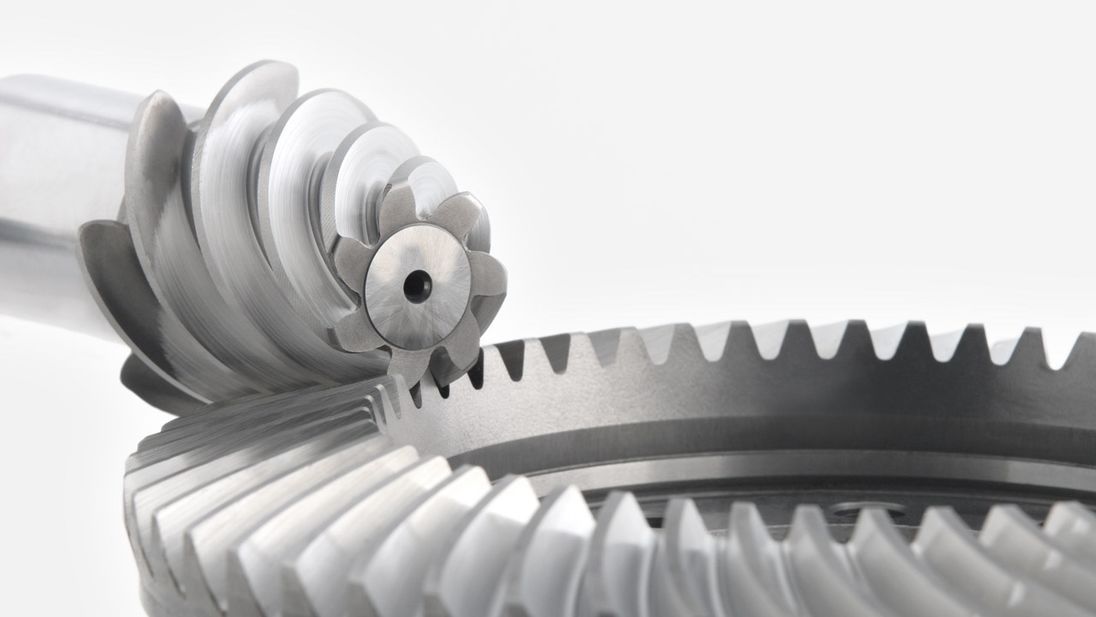
Are bevel gears suitable for high-torque applications?
Bevel gears can indeed be suitable for high-torque applications, depending on various factors such as the specific design, material selection, and proper application engineering. Here’s a detailed explanation:
Bevel gears are known for their ability to transmit power between intersecting shafts at different angles. They can handle significant torque loads and are commonly used in applications that require high-torque transmission. However, the suitability of bevel gears for high-torque applications depends on the following factors:
- Design: The design of the bevel gears plays a crucial role in their ability to handle high torque. Factors such as tooth profile, size, and geometry impact the load-carrying capacity and torque transmission capability. Bevel gears with robust and optimized designs, including suitable tooth profiles and adequate tooth engagement, can effectively handle high-torque applications.
- Material Selection: The choice of materials for bevel gears is critical in high-torque applications. Gears need to be made from materials with high strength, hardness, and wear resistance to withstand the forces and stresses involved in transmitting high torque. Common materials used for bevel gears include alloy steels, carburizing steels, and specialty alloys. Material selection should consider the specific torque requirements, operating conditions, and anticipated loads to ensure the gears can handle the desired torque levels.
- Lubrication: Proper lubrication is essential for reducing friction, wear, and heat generation in high-torque bevel gear applications. Adequate lubrication helps maintain a lubricating film between the gear teeth, minimizing metal-to-metal contact and associated losses. The lubricant type, viscosity, and replenishment schedule should be selected based on the torque and operating conditions to ensure effective lubrication and minimize gear wear.
- Gear Size and Ratio: The size of the bevel gears and the gear ratio can influence their torque-handling capability. Larger gears generally have greater tooth strength and load-carrying capacity, making them more suitable for high-torque applications. The gear ratio should also be considered to ensure it is appropriate for the desired torque transmission and to avoid excessive loads on the gears.
- Operating Conditions: The operating conditions, including speed, temperature, and shock loads, must be taken into account when determining the suitability of bevel gears for high-torque applications. Higher speeds and extreme operating temperatures can affect the gear material properties, lubrication performance, and overall gear system efficiency. Proper cooling, temperature control, and gear protection measures should be implemented to maintain reliable performance under high-torque conditions.
By considering these factors and properly engineering the bevel gear system, it is possible to utilize bevel gears in high-torque applications effectively. However, it is crucial to consult with experienced engineers and perform thorough analysis and testing to ensure the gears can handle the specific torque requirements of the application.
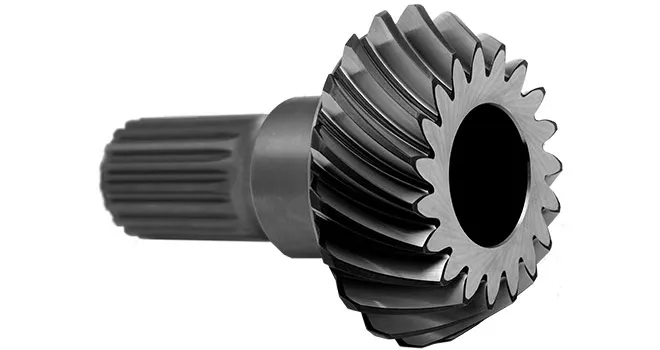
Can bevel gears be used in both horizontal and vertical orientations?
Yes, bevel gears can be used in both horizontal and vertical orientations, although certain considerations should be taken into account for each orientation. Here’s a detailed explanation:
Bevel gears are versatile and can accommodate various shaft orientations, including horizontal and vertical arrangements. The suitability of bevel gears for a specific orientation depends on factors such as load distribution, lubrication, and potential effects of gravity. Here are some considerations for each orientation:
- Horizontal Orientation: In horizontal applications, where the shafts are parallel to the ground, bevel gears can be used effectively. Proper lubrication is crucial to ensure adequate film formation and minimize friction and wear. Horizontal orientation typically allows for good load distribution among the gear teeth, promoting even wear and reducing the risk of localized stress concentrations. However, it is important to consider the effects of axial forces and thrust loads that may be present in the system and ensure that the gear design and bearings can handle these loads appropriately.
- Vertical Orientation: When bevel gears are used in a vertical orientation, where the shafts are perpendicular to the ground, additional considerations come into play. Gravity can introduce new challenges, such as the potential for gear thrust loads, lubricant pooling, and inadequate load distribution. To address these challenges, steps can be taken, including incorporating thrust bearings or thrust plates to handle axial forces, optimizing gear design to ensure proper load sharing, and implementing suitable lubrication methods to prevent lubricant pooling and ensure consistent lubrication to all gear surfaces. Additionally, proper sealing measures may be necessary to prevent lubricant leakage in the vertical orientation.
Overall, by considering the specific requirements and challenges associated with each orientation, bevel gears can be successfully utilized in both horizontal and vertical arrangements. Careful attention to design, lubrication, load distribution, and thrust management can help ensure reliable and efficient operation in either orientation.
It is important to note that for certain extreme or specialized applications, additional considerations and modifications may be required to accommodate the specific demands of the gear system. Consulting with experienced engineers and considering application-specific factors will help determine the most suitable gear design and orientation for a given application.
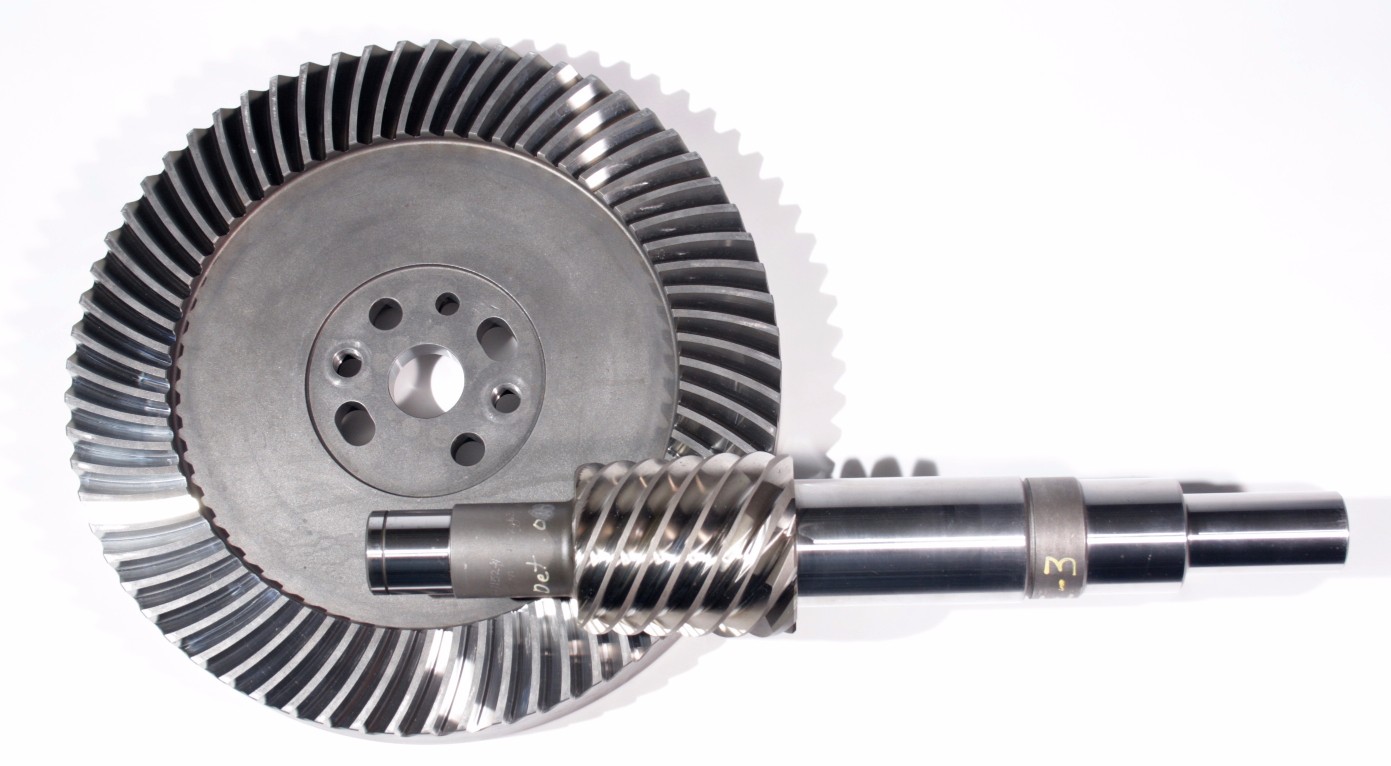
How do you choose the right size bevel gear for your application?
Choosing the right size bevel gear for your application involves considering various factors such as load requirements, speed ratios, tooth geometry, and material selection. Here’s a detailed explanation of the considerations involved in selecting the right size bevel gear:
- Load Requirements: Determine the torque and power requirements of your application. This involves understanding the load conditions, including the magnitude and direction of the applied forces. Calculate the required torque capacity of the bevel gear based on the expected load and operating conditions.
- Speed Ratios: Determine the desired speed ratios between the input and output shafts. Bevel gears are often used to transmit rotational motion at different speeds. Calculate the required gear ratio to achieve the desired speed output and select bevel gears with appropriate tooth counts to achieve the desired ratio.
- Tooth Geometry: Consider the tooth geometry of the bevel gears. Straight bevel gears and spiral bevel gears have different tooth profiles and engagement characteristics. Evaluate the impact of tooth geometry on factors such as noise, vibration, smoothness of operation, and load-carrying capacity. Choose the tooth profile that best suits the specific requirements of your application.
- Material Selection: Consider the material properties of the bevel gears. The material should have sufficient strength, durability, and resistance to wear and fatigue. Common materials for bevel gears include steel alloys, cast iron, and non-ferrous alloys. The material selection should be based on factors such as load requirements, operating conditions (e.g., temperature, moisture), and any specific industry standards or regulations.
- Size and Dimensions: Consider the physical size and dimensions of the bevel gears. Evaluate the available space and clearance in your application to ensure proper fit and alignment of the gears. Consider factors such as the gear diameter, face width, and shaft bore diameter. Ensure that the selected bevel gears can be mounted and meshed correctly with the mating gears.
- Manufacturing and Cost Considerations: Take into account any specific manufacturing considerations or constraints. Consider factors such as gear manufacturing methods (e.g., cutting, shaping, forging), availability of standard gear sizes or custom gear manufacturing options, and associated costs. Balance the performance requirements of your application with the available budget and manufacturing feasibility.
It is often beneficial to consult with gear manufacturers, engineers, or industry experts to ensure the proper selection of bevel gears for your specific application. They can provide guidance on gear design, material selection, and performance analysis to help you choose the right size bevel gear that meets your requirements.
In summary, choosing the right size bevel gear involves considering factors such as load requirements, speed ratios, tooth geometry, material selection, size and dimensions, and manufacturing considerations. Taking into account these factors will help ensure that the selected bevel gear is suitable for your application, providing reliable and efficient power transmission.


editor by CX 2024-04-16