China factory Hardened Tooth Surface External OEM Wooden Case Differential Cement Mixer Gear raw gear
Product Description
Product introduction
| Modulo | Above 0.8 |
| Numero di Denti | Above 9teeth |
| Angolo d’Elica Helix Angle | Up to 45 |
| bore diameter | Above 6mm |
| axial length | Above 9mm |
| Gear model | Customized gear accoding to customers sample or drawing |
| Processing machine | CNC machine |
| Material | 20CrMnTi/ 20CrMnMo/ 42CrMo/ 45#steel/ 40Cr/ 20CrNi2MoA/304 stainless steel |
| Heat treattment | Carburizing and quenching/ Tempering/ Nitriding/ Carbonitriding/ Induction hardening |
| Hardness | 35-64HRC |
| Qaulity standerd | GB/ DIN/ JIS/ AGMA |
| Accuracy class | 5-8 class |
| Shipping | Sea shipping/ Air shipping/ Express |
My advantages:
1. High quality materials, professional production, high-precision equipment. Customized design and processing;
2. Strong and durable, strong strength, large torque and good comprehensive mechanical properties;
3. High rotation efficiency, stable and smooth transmission, long service life, noise reduction and shock absorption;
4. Focus on gear processing for 20 years.
5. Carburizing and quenching of tooth surface, strong wear resistance, reliable operation and high bearing capacity;
6. The tooth surface can be ground, and the precision is higher after grinding.
/* January 22, 2571 19:08:37 */!function(){function s(e,r){var a,o={};try{e&&e.split(“,”).forEach(function(e,t){e&&(a=e.match(/(.*?):(.*)$/))&&1
| Application: | Motor, Motorcycle, Machinery, Agricultural Machinery, Car |
|---|---|
| Hardness: | Hardened Tooth Surface |
| Gear Position: | External Gear |
| Manufacturing Method: | Cut Gear |
| Toothed Portion Shape: | Spur Gear |
| Material: | Cast Steel |
| Samples: |
US$ 10/Piece
1 Piece(Min.Order) | |
|---|
| Customization: |
Available
| Customized Request |
|---|
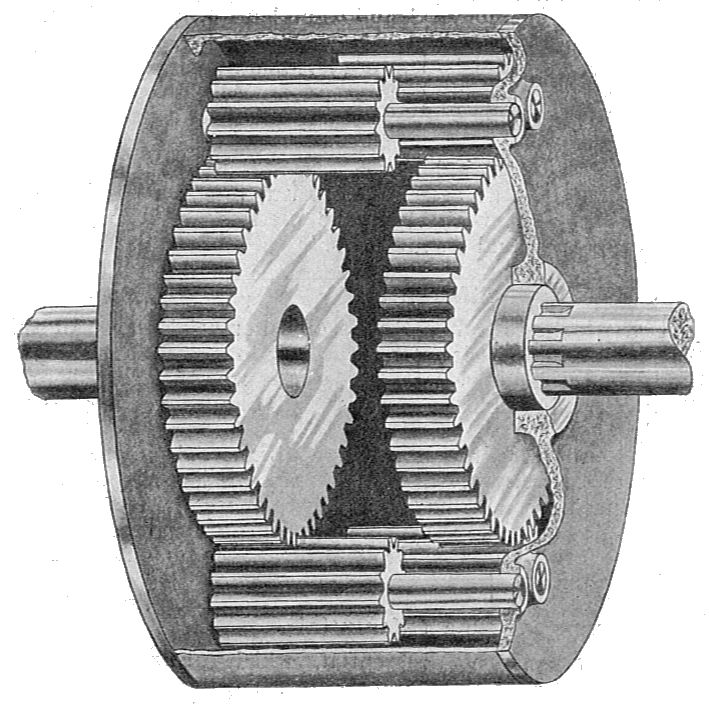
How do you maintain and service a differential gear?
Maintaining and servicing a differential gear is crucial to ensure its optimal performance and longevity. Here’s a detailed explanation of the maintenance and servicing process:
1. Regular Inspection:
Perform regular visual inspections of the differential gear to check for any signs of damage, leaks, or excessive wear. Look for oil leaks around the differential housing and inspect the driveshaft, axles, and seals for any signs of damage or leakage. Additionally, listen for any abnormal noises coming from the differential during operation, as they may indicate underlying issues.
2. Fluid Change:
Regularly change the differential fluid as recommended by the vehicle manufacturer. Over time, the fluid can become contaminated with debris, moisture, and metal particles, which can cause accelerated wear and reduced performance. Changing the fluid helps maintain proper lubrication and cooling of the differential gears. Refer to the vehicle’s owner manual or service guide for the recommended fluid type and change intervals.
3. Fluid Level Check:
Check the fluid level in the differential regularly to ensure it is within the recommended range. Use the appropriate method specified by the vehicle manufacturer to check the fluid level, such as a dipstick or inspection plug. Maintaining the correct fluid level is essential for proper lubrication and cooling of the gears.
4. Seal Replacement:
If you notice any leaks or damaged seals, it is important to replace them promptly. Leaking seals can lead to fluid loss, which can cause inadequate lubrication and potential damage to the differential gears. Replace seals as per the manufacturer’s recommendations and ensure proper installation to prevent future leaks.
5. Gear Inspection and Adjustment:
Periodically inspect the gears for signs of wear, damage, or misalignment. If any issues are detected, consult a qualified technician or mechanic for further evaluation and adjustment. Gears that are excessively worn or damaged may need to be replaced to maintain the proper functioning of the differential.
6. Service Differential Components:
Some differential systems have additional components that require servicing. For example, limited-slip differentials may have clutch packs or friction plates that need periodic inspection and maintenance. Follow the manufacturer’s guidelines for servicing these components, which may involve cleaning, lubrication, or replacement as necessary.
7. Professional Servicing:
In addition to regular maintenance tasks, it is recommended to have the differential gear serviced by a professional technician or mechanic at specific intervals or when experiencing significant issues. Professional servicing may involve more in-depth inspections, adjustments, or repairs that require specialized tools and knowledge.
8. Follow Manufacturer Recommendations:
Always refer to the vehicle manufacturer’s recommendations and guidelines for maintaining and servicing the differential gear. They provide specific instructions tailored to your vehicle’s make, model, and differential type, ensuring that you follow the appropriate procedures for optimal performance and longevity.
In summary, maintaining and servicing a differential gear involves regular inspections, fluid changes, fluid level checks, seal replacements, gear inspections and adjustments, servicing of differential components, professional servicing when necessary, and adherence to manufacturer recommendations. By following these steps, you can help ensure the proper functioning and durability of the differential gear in your vehicle.
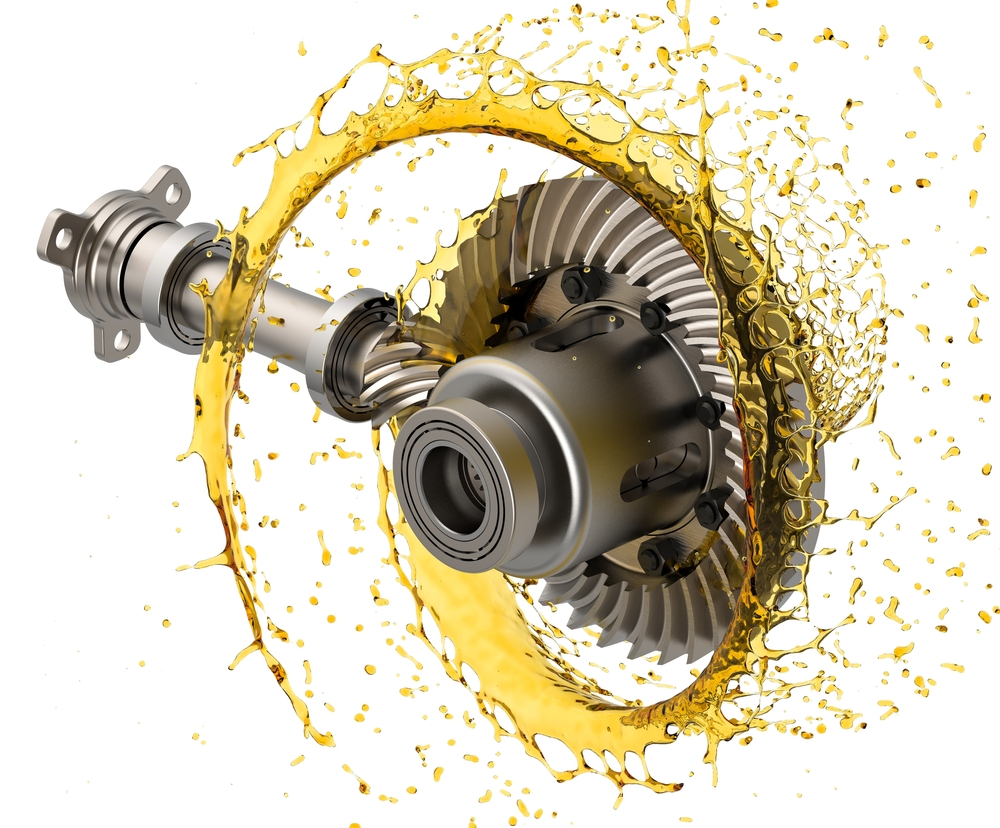
Can differential gears be upgraded or customized for specific applications?
Yes, differential gears can be upgraded or customized for specific applications to enhance performance, traction, and handling. Here’s a detailed explanation of how differential gears can be upgraded or customized:
- Gear Ratio Changes: One way to customize differential gears is by changing the gear ratios. Different gear ratios can alter the torque distribution between the wheels, optimizing it for specific applications. For example, shorter gear ratios can improve acceleration and low-end torque, while taller gear ratios can enhance fuel efficiency and top speed. Gear ratio changes are commonly performed in performance vehicles, off-road vehicles, and racing applications to suit specific driving requirements.
- Limited-Slip Differentials (LSD): Upgrading to limited-slip differentials can significantly improve traction and handling. LSDs distribute torque between the wheels more evenly compared to open differentials, reducing wheel spin and maximizing grip. LSDs are particularly beneficial in high-performance vehicles, off-road vehicles, and applications where maintaining traction is crucial, such as racing or challenging driving conditions. LSDs can be retrofitted or factory-installed depending on the vehicle and its specific requirements.
- Electronic Differential Controls: Some vehicles feature electronic controls for the differential system. These controls allow customization of the differential’s behavior based on driving conditions and driver preferences. Through electronic controls, differential characteristics such as torque distribution, responsiveness, and traction management can be adjusted. This customization helps optimize performance, stability, and traction in various driving scenarios.
- Aftermarket Upgrades: The aftermarket industry offers various differential upgrade options. These include performance differentials, heavy-duty differentials, and specialized differentials designed for specific applications. These aftermarket upgrades can provide improved durability, enhanced traction, and higher torque capacity compared to stock differentials. They are commonly chosen by enthusiasts, off-road enthusiasts, and individuals seeking to enhance the capabilities of their vehicles for specific purposes.
- Custom Differential Designs: In certain cases, custom differential designs can be developed to meet specific application requirements. For example, in motorsports, differential designs can be tailored to optimize performance, handling, and traction for the specific demands of the racing discipline. Custom differentials may involve unique gear arrangements, specialized materials, and advanced features to deliver superior performance in targeted applications.
In summary, differential gears can be upgraded or customized to suit specific applications. Upgrades may include gear ratio changes, installation of limited-slip differentials, utilization of electronic differential controls, aftermarket differential options, or even custom differential designs. These modifications and customizations allow for improved performance, traction, and handling, catering to the specific needs and preferences of different vehicles and driving scenarios.
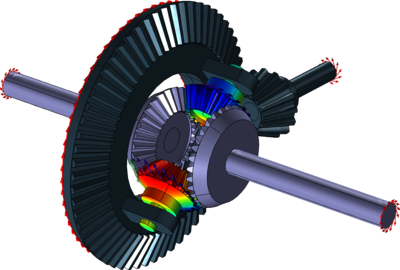
What are the functions of a differential gear in a vehicle?
A differential gear in a vehicle serves several important functions. Here’s a detailed explanation:
1. Torque Distribution:
One of the primary functions of a differential gear is to distribute torque (rotational force) from the engine to the wheels. As the engine generates power, the differential ensures that it is transmitted to the wheels efficiently and effectively. By dividing the torque between the two wheels, the differential enables both wheels to receive power and propel the vehicle forward.
2. Differential Action:
The differential gear allows the wheels to rotate at different speeds when the vehicle is turning or when one wheel encounters different traction conditions. This differential action is crucial for smooth and controlled maneuvering. By enabling the outer wheel to rotate faster than the inner wheel during a turn, the differential allows the vehicle to negotiate corners without binding or skidding.
3. Wheel Speed Compensation:
When the vehicle is turning, the inside wheel travels a shorter distance compared to the outside wheel. Without a differential, this speed difference would cause significant drivetrain stress and tire wear. The differential gear compensates for the varying wheel speeds by allowing the wheels to rotate at different speeds, ensuring smooth operation and minimizing strain on the drivetrain components.
4. Traction Improvement:
In situations where one wheel loses traction, such as when driving on slippery surfaces or uneven terrain, the differential gear helps improve traction. By allowing the wheel with traction to receive more power, the differential ensures that the vehicle can continue moving forward. This is particularly important in vehicles with two-wheel drive, as the differential helps optimize power delivery to the wheel with better traction.
5. Reducing Tire Wear:
The differential gear contributes to reducing tire wear by accommodating differences in wheel speeds. By allowing the wheels to rotate at different speeds during turns, the differential minimizes tire scrubbing and uneven wear. It helps distribute the forces evenly across the tires, promoting longer tire life and maintaining better overall traction.
6. Enhanced Stability and Handling:
The differential gear plays a crucial role in enhancing vehicle stability and handling. By allowing the wheels to rotate independently, the differential facilitates better control during turns and maneuvering. It helps maintain proper weight distribution, prevents excessive understeer or oversteer, and promotes balanced handling characteristics.
Overall, the differential gear is an integral component of a vehicle’s drivetrain, responsible for torque distribution, wheel speed compensation, traction improvement, reducing tire wear, and enhancing stability and handling. It enables smooth and efficient power delivery to the wheels while accommodating varying speed and traction conditions, resulting in improved performance and driving dynamics.


editor by CX 2024-04-09