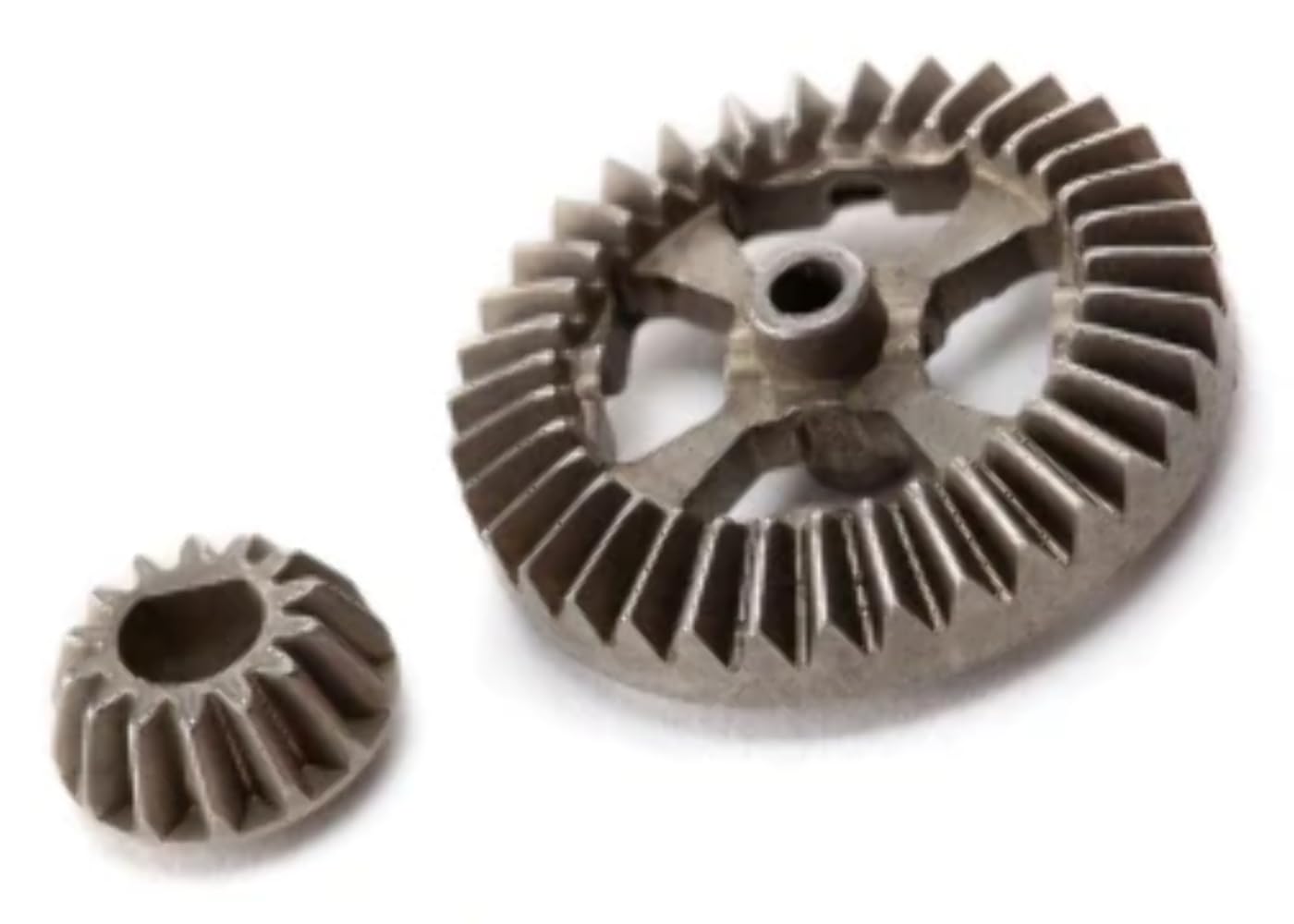
China Good quality 35CrMo Ball Mill Custom Segment Large Diameter Rotating Cast Steel Large Half Ring Gear bevel gear set
Product Description
Product Description
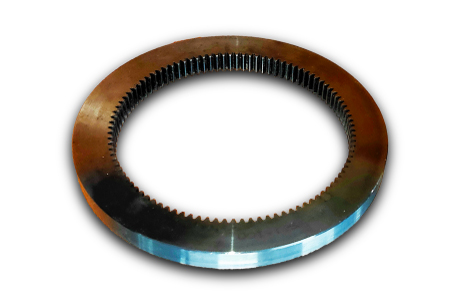
Ball Mill Customized Big Cast Iron spur Large Diameter Segmented Ring Gear. Heat Treatment guarantees the total hardness.Also can do surface hardening and cemented to improve the surface hardness according to customer’s drawing.Precision steel forging and casting large diameter spur gear, half gear wheel,four split,eight split,twelve split gear, casting and forging large module gear wheel.
With more than 15 years designing and producing experience, Ruding Steel produce all kinds of gantry crane/overhead crane accessories in our own forging workshop, machining workshop, heat treatment workshop, we can provide all kind of customized crane parts with different materials, such as ZG430640 cast steel, 60#, 65 #, 65Mn, 42CrMoA or according to your demands.
|
Product Name |
Ring Gear |
|
Classiffy |
Inner Ring Gear Outer Ring Gear |
|
Material |
Medium Carbon Steel: 35#, 45# |
|
Standard |
DIN GB ISO JIS BA ANSI |
|
Process |
Turning, Hobbing, Milling, Shaping, Broaching,Shaving, Grinding and Lapping |
|
Heat Treatment |
Hardening&Tempering,Surface Quenching, |
|
Application |
Be widely used in all kinds of transmission, speed changing, rotation and |
Application
Gear ring can be widely used in cement plant, mining, lifting, light industry, chemical industry, transportation, construction and other machinery and equipment deceleration mechanism.
OEM Service
Ruding Steel can customize half ring gear as customers specifications and requirements.
After Sales Service
1. OEM and customized service.
2. Full machining, primer coating, surface treatment.
3. Complete material testing process.
4. Quality control
Contact us
If you have any questions, pls feel free to contact us
| Application: | Motor, Electric Cars, Motorcycle, Machinery, Marine, Toy, Agricultural Machinery, Car |
|---|---|
| Hardness: | Hardened Tooth Surface |
| Gear Position: | External Gear |
| Customization: |
Available
| Customized Request |
|---|
.shipping-cost-tm .tm-status-off{background: none;padding:0;color: #1470cc}
|
Shipping Cost:
Estimated freight per unit. |
about shipping cost and estimated delivery time. |
|---|
| Payment Method: |
|
|---|---|
|
Initial Payment Full Payment |
| Currency: | US$ |
|---|
| Return&refunds: | You can apply for a refund up to 30 days after receipt of the products. |
|---|
What lubrication is required for ring gears?
Proper lubrication is essential for the optimal performance and longevity of ring gears. Here’s a detailed explanation of the lubrication requirements for ring gears:
- Type of Lubricant: The type of lubricant used for ring gears depends on various factors, including the application, operating conditions, and gear design. Common lubricants for ring gears include gear oils, grease, and synthetic lubricants. Gear oils are specifically formulated for gear systems and provide excellent lubrication and protection against wear. Grease is often used in applications where the gear system operates at lower speeds or requires higher viscosity lubrication. Synthetic lubricants offer enhanced performance, durability, and resistance to extreme temperatures and loads.
- Lubricant Properties: The lubricant chosen for ring gears should possess certain properties to ensure effective lubrication. These properties include high film strength, good thermal stability, resistance to oxidation, and anti-wear characteristics. The lubricant should also be compatible with the materials used in the ring gear system to prevent damage or degradation of the gear surfaces.
- Viscosity: Viscosity is an important consideration when selecting lubrication for ring gears. Viscosity refers to the thickness or resistance to flow of the lubricant. It is crucial to choose a lubricant with the appropriate viscosity to ensure proper lubrication film formation between the gear teeth. If the lubricant’s viscosity is too low, it may not provide sufficient lubrication, leading to increased wear. Conversely, if the viscosity is too high, it may cause excessive friction and energy loss. The recommended viscosity range is typically specified by the gear manufacturer or industry standards.
- Lubrication Method: The lubrication method for ring gears can vary depending on the specific application and gear system design. For enclosed gear systems, such as gearboxes or sealed housings, lubrication is typically performed by filling the housing with the recommended lubricant to the appropriate level. In open gear systems, such as large industrial gears, lubricant application methods may include spray systems, drip lubrication, or circulation systems. The lubrication method should ensure sufficient coverage and distribution of the lubricant to all gear surfaces.
- Lubrication Frequency: Regular lubrication maintenance is crucial to keep ring gears properly lubricated. The frequency of lubrication depends on the operating conditions, gear system design, and the lubricant used. It is important to follow the manufacturer’s recommendations or industry standards regarding lubrication intervals. Regular inspections should also be conducted to monitor the lubricant condition, check for contamination, and replenish or replace the lubricant as needed.
- Environmental Considerations: Environmental factors, such as temperature, moisture, and contamination, can affect the performance of the lubricant and the ring gears. It is important to consider these factors when selecting the lubricant. Extreme temperatures may require lubricants with enhanced thermal stability, while exposure to moisture or harsh contaminants may necessitate lubricants with better resistance to corrosion or water washout.
To ensure the proper lubrication of ring gears, it is advisable to consult the gear manufacturer’s recommendations and guidelines. They can provide specific information regarding the suitable lubricant type, viscosity range, lubrication method, and maintenance practices for the particular ring gear system.
How do you maintain and service a ring gear system?
Maintaining and servicing a ring gear system is crucial to ensure its optimal performance, reliability, and longevity. Here’s a detailed explanation of the maintenance and service procedures for a ring gear system:
- Regular Inspections: Conduct regular inspections of the ring gear system to detect any signs of wear, damage, misalignment, or abnormal conditions. Inspect the gear teeth for chips, cracks, or excessive wear. Check for proper gear engagement and backlash. Inspect the mounting bolts or fasteners for tightness. Regular inspections help identify potential issues early on and prevent further damage or failures.
- Cleaning and Lubrication: Clean the ring gear system periodically to remove dirt, debris, and old lubricant. Use appropriate cleaning methods and solvents that are compatible with the gear system materials. After cleaning, apply fresh lubricant according to the manufacturer’s recommendations. Ensure proper lubrication coverage and distribution to minimize friction, wear, and heat generation.
- Lubricant Analysis: Periodically analyze the condition of the lubricant in the ring gear system to assess its effectiveness and detect any contamination or degradation. Lubricant analysis involves collecting samples and sending them to a laboratory for testing. The analysis results can provide valuable information about the lubricant’s viscosity, contamination levels, and overall condition. Based on the analysis, determine whether lubricant replacement or additional maintenance actions are necessary.
- Bearing and Seal Inspection: If the ring gear system includes bearings or seals, inspect them regularly for wear, damage, or leaks. Check for excessive play, noise, or overheating in the bearings. Inspect the seals for proper sealing and lubricant retention. Replace any worn-out bearings or damaged seals to prevent further damage to the ring gear system.
- Torque Checks: Periodically check the torque of the mounting bolts or fasteners that secure the ring gear system. Over time, vibrations and operational stresses can cause bolts to loosen. Ensure that the bolts are tightened to the manufacturer’s recommended torque specifications. Perform torque checks during scheduled maintenance intervals or when any signs of loosening are observed.
- Alignment and Gear Meshing: Check and adjust the alignment of the ring gear system if necessary. Misalignment can lead to uneven wear, increased load on the gear teeth, and reduced performance. Ensure proper gear meshing and backlash according to the manufacturer’s specifications. Adjust the gear positioning or contact pattern if deemed necessary during inspections or maintenance activities.
- Repair or Replacement: If any significant damage, wear, or malfunction is identified during inspections or maintenance activities, plan for repair or replacement of the affected components. Depending on the severity and nature of the issue, repairs may involve repairing gear teeth, replacing damaged parts, or realigning the gear system. If extensive damage is present or the gear system has reached the end of its service life, consider replacing the entire ring gear system.
- Documentation and Record-Keeping: Maintain detailed documentation and records of all maintenance and service activities performed on the ring gear system. Keep track of inspection results, lubrication schedules, repairs, parts replacements, and any other relevant information. These records help establish a maintenance history, track performance trends, and provide valuable reference information for future maintenance and troubleshooting.
It’s important to note that the specific maintenance and service procedures may vary depending on the type of ring gear system, its application, and the manufacturer’s guidelines. Always refer to the manufacturer’s recommendations and consult with experts or professionals when necessary to ensure proper maintenance and servicing of the ring gear system.
Can you explain the concept of meshing with a ring gear?
Meshing with a ring gear refers to the process of engaging and interlocking the teeth of a gear with the internal teeth of a ring gear. It is a fundamental concept in gear systems where the rotation and torque transfer occur between two gears. Here’s a detailed explanation of the concept of meshing with a ring gear:
When two gears come into contact and their teeth interlock, they are said to be meshing. In the case of a ring gear, the meshing occurs when the teeth of an external gear, such as a pinion gear, engage with the internal teeth of the ring gear. The teeth of the pinion gear fit precisely between the teeth of the ring gear, creating a mechanical connection.
The process of meshing involves several important considerations:
- Tooth Engagement: Proper tooth engagement is crucial for efficient and smooth meshing. The teeth of the gears must align correctly to ensure a proper fit. This alignment ensures that the teeth make contact at the correct pitch point and maintain a consistent mesh throughout the gear rotation.
- Tooth Profile: The tooth profile, such as the shape and size of the teeth, is designed to facilitate smooth meshing. The profile ensures that the teeth slide smoothly against each other without excessive friction, noise, or wear. The tooth profile also affects the load distribution, torque transmission, and overall performance of the gear system.
- Lubrication: Lubrication plays a crucial role in the meshing process. It helps reduce friction and wear between the teeth, ensuring smooth operation and preventing damage to the gears. Proper lubrication also helps dissipate heat generated during meshing, improving the overall efficiency and reliability of the gear system.
- Clearance and Backlash: Clearance and backlash are important considerations in gear meshing. Clearance refers to the space between the tips of the teeth of the external gear and the root of the teeth of the ring gear. Backlash is the amount of play or movement between the engaged teeth. Proper clearance and backlash are necessary to prevent interference, ensure smooth rotation, and accommodate any misalignment or thermal expansion that may occur during operation.
The quality of the meshing directly affects the performance, efficiency, and reliability of the gear system. Proper design, manufacturing precision, and maintenance practices are essential to achieve optimal meshing between gears, including ring gears.
It’s important to note that the specific parameters and requirements for meshing, such as tooth geometry, clearance, backlash, and lubrication, may vary depending on the application, gear type, and operating conditions.


editor by CX 2023-12-13