China Good quality Customized OEM Forged Casting CZPT Bevel Pinion Differential Straight Spiral Helical Hypoid Spline Shaft External Grinding Teeth Spur Worm Drive Gear straight bevel gear
Product Description
Products description
| Item | Technical ability |
| Product name | Spur Gear & Helical Gear & Gear Shaft & bevel gear & spline shaft |
| Materials Available | Stainless Steel 304/316/430/420/630/620, Carbon Steel C45/16MnCr5/20CrMnTi, Brass Cuzn30/Cuzn10/Cuzn20/CuZn39Pb3, Bronze C84400/C85100/C86300 , Cast Iron GG250/GG200/, Ductile iron GGG400/GGG450/GGG500/GGG600/GGG750 Aluminum Alloy6060/7075/6080. Plastic POM, PE, Nylon,HDPE. |
| Heat Treatment | Quenching & Tempering, Carburizing & Quenching, High-frequency Hardening, Carbonitriding…… |
| BORE | Finished bore, Pilot Bore, Special request. QD bore, Taper bushing, |
| Processing Method | Molding, Shaving, Hobbing, Drilling, Tapping, Reaming, Manual Chamfering, Grinding etc |
| Pressure Angle | 20 Degree, 30 Degree of spline. |
| Hardness | 55- 62HRC. 58~60 HRC |
| Size | Customer Drawings & ISO standard. DIN standard, AGMA, JIS |
| Package | Wooden Case/Container and pallet, or made-to-order |
| Certificate | ISO9001:2008 |
| Machining Process | Gear Hobbing, Gear Milling, Gear Shaping, Gear Broaching, Gear Shaving, Gear Grinding and Gear Lapping |
| Applications | Toy, Automotive, instrument, electrical equipment, household appliances, furniture, mechanical equipment,daily living equipment, electronic sports equipment, , sanitation machinery, market/ hotel equipment supplies, etc. |
| Advantages | 1. Grinding teeth DIN 6 ~ 4 class |
| 2. Grinding diameter tolerance 0.005mm | |
| 3. Module: From 0.3M to 12M |
| GEAR QUALITY PRECISION CLASS | |||||||||
| ITE | Standard | precision class | |||||||
| Ft | ISO & GB/T | 3 | 4 | 5 | 6 | 7 | 8 | 9 | 10 |
| DIN | 4 | 5 | 6,7 | 8 | 9 | 10 | 10 | 11 | |
| JIS | 0 | 1 | 2 | 3 | 4 | 5 | 6 | ||
| AGMA | 15 | 14 | 13 | 12,11 | 10 | 9 | 9 | 8 | |
| fpt | ISO & GB/T | 3 | 4 | 5 | 6 | 7 | 8 | 9 | 10 |
| DIN | 3 | 4 | 5,6 | 7 | 8 | 9 | 10 | ||
| JIS | 0 | 1 | 2 | 3 | 4 | 5 | 6 | ||
| AGMA | 15,14 | 13 | 12 | 11 | 10 | 9 | 8 | 7 | |
| Fa | ISO & GB/T | 3 | 4 | 5 | 6 | 7 | 8 | 9 | 10 |
| DIN | 3 | 4 | 5 | 5 | 6 | 7 | 8 | 9,10 | |
| JIS | 0 | 1 | 2 | 3 | 3 | 4 | |||
| AGMA | 15 | 14 | 13 | 12 | 11 | 10 | 9,8 | 7,6 | |
| Fi | ISO & GB/T | 3 | 4 | 5 | 6 | 7 | 8 | 9 | 10 |
| DIN | 5,6 | 7 | 8 | 9 | 10 | 11 | |||
| AGMA | 14,13 | 12 | 11 | 10 | 9 | 8 | 8 | ||
Products show,
Our Company
Gear inspection
FAQ
Q1. What is your terms of packing?
A: Generally, we pack our goods in single color box. If you have special request about packing, pls negotiate with us in advance, we can pack the goods as your request.
Q2. What is your terms of payment?
A: T/T 30% as deposit, and 70% before delivery. We’ll show you the photos of the products and packages
before you pay the balance. Other payments terms, pls negotiate with us in advance, we can discuss.
Q3. What is your terms of delivery?
A: EXW, FOB, CFR, CIF.
Q4. How about your delivery time?
A: Generally, it will take 25 to 30 days after receiving your advance payment. The specific delivery time depends
on the items and the quantity of your order.
Q5. Can you produce according to the samples?
A: Yes, we can produce by your samples or technical drawings. We can build the molds and fixtures.
Q6. What is your sample policy?
A: We can supply the sample if we have ready parts in stock, but the customers have to pay the sample cost and
the courier cost.We welcome sample order.
Q7. Do you test all your goods before delivery?
A: Yes, we have 100% test before delivery
Q8: How do you make our business long-term and good relationship?
1. We keep good quality and competitive price to ensure our customers benefit ;
2. We respect every customer as our friend and we sincerely do business and make friends with them,
no matter where they come from.
/* January 22, 2571 19:08:37 */!function(){function s(e,r){var a,o={};try{e&&e.split(“,”).forEach(function(e,t){e&&(a=e.match(/(.*?):(.*)$/))&&1
| Application: | Motor, Electric Cars, Motorcycle, Machinery, Marine, Toy, Agricultural Machinery, Car |
|---|---|
| Hardness: | Hardened Tooth Surface |
| Gear Position: | External Gear |
| Manufacturing Method: | Rolling Gear |
| Toothed Portion Shape: | Spur Gear |
| Material: | Cast Steel |
| Samples: |
US$ 1/Piece
1 Piece(Min.Order) | |
|---|
| Customization: |
Available
| Customized Request |
|---|
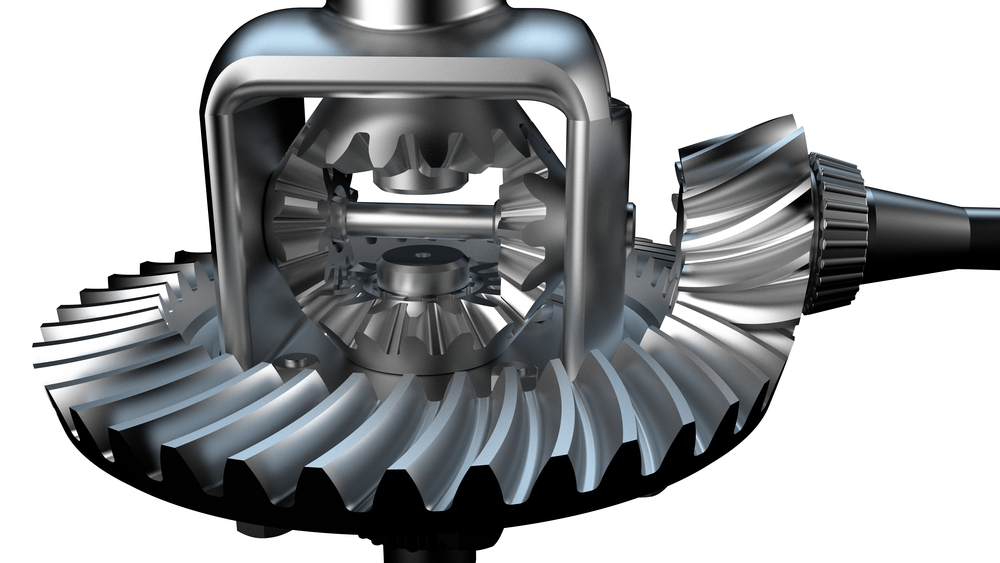
Can differential gears be used in electric and hybrid vehicles?
Yes, differential gears can be used in both electric and hybrid vehicles. While electric and hybrid vehicles have different powertrain configurations compared to traditional internal combustion engine vehicles, they still require differential gears to distribute power between the wheels and accommodate speed differences. Here’s a detailed explanation:
1. Electric Vehicles (EVs):
In electric vehicles, the power is provided by one or more electric motors. These motors generate torque directly, eliminating the need for a traditional transmission system with a driveshaft. However, EVs still require differential gears to distribute power between the wheels.
2. Single-Speed Transmissions:
Many electric vehicles use single-speed transmissions, also known as direct-drive systems, which do not require multiple gears for speed variation. In these cases, the differential gear is integrated into the electric motor assembly, allowing it to distribute torque between the wheels.
3. Speed and Torque Distribution:
The differential gear in electric vehicles functions similarly to those in conventional vehicles. It accommodates speed differences between the wheels during turns and adjusts torque distribution to ensure optimal traction and control. This helps prevent wheel slip and allows for smooth cornering.
4. Hybrid Vehicles:
Hybrid vehicles combine an internal combustion engine with one or more electric motors. The powertrain configuration varies depending on the type of hybrid system, such as series hybrids, parallel hybrids, or plug-in hybrids. Despite the presence of an internal combustion engine, differential gears are still utilized in hybrid vehicles.
5. Transmissions in Hybrid Vehicles:
Hybrid vehicles often incorporate transmissions to optimize power delivery and efficiency. These transmissions may include differential gears or specific components that perform similar functions to distribute power between the wheels.
6. Regenerative Braking:
Both electric and hybrid vehicles commonly use regenerative braking systems to capture and store energy during deceleration. Differential gears play a role in transmitting torque from the wheels to the electric motor during regenerative braking, allowing the motor to act as a generator and recharge the batteries.
7. Differential Types:
Electric and hybrid vehicles can utilize various differential types, including open differentials, limited-slip differentials, or electronically controlled differentials. The choice of differential depends on factors such as vehicle performance, traction requirements, and driving conditions.
8. Advancements and Innovations:
With the evolving technology in electric and hybrid vehicles, there are also advancements and innovations in differential systems. Manufacturers are exploring new designs, such as integrated motor and differential units, to optimize power distribution and efficiency in these vehicles.
In summary, differential gears are indeed used in electric and hybrid vehicles to distribute power between the wheels, accommodate speed differences, and ensure optimal traction and control. The specific configuration and integration of differential gears may vary depending on the vehicle’s powertrain design and transmission system.
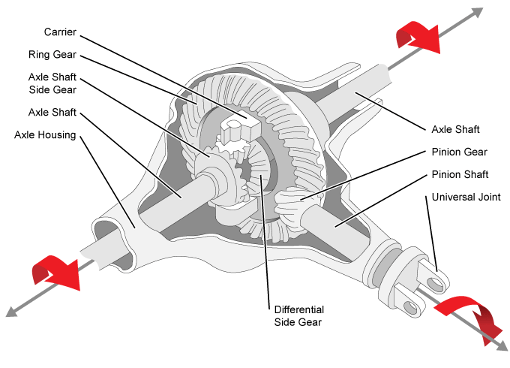
What is the process for diagnosing and repairing a differential gear issue?
Diagnosing and repairing a differential gear issue involves several steps to identify the problem accurately and implement the necessary repairs. Here’s a detailed explanation of the process:
- Initial Inspection: The process begins with a visual inspection of the differential gear assembly and surrounding components. This includes checking for any signs of leaks, damage, or abnormal wear. The technician will also listen for unusual noises, such as grinding, whining, or clunking sounds, which can indicate potential issues.
- Fluid Inspection: The next step is to inspect the differential gear oil. The technician will check the fluid level and condition. Contaminated or low fluid levels can contribute to differential problems. If the fluid appears dirty, metallic, or has a burnt smell, it may indicate internal damage or excessive wear.
- Test Drive: A test drive is often conducted to observe the vehicle’s behavior and confirm the presence of any differential gear issues. The technician will pay attention to abnormal noises, vibrations, or handling characteristics that may point to specific problems within the differential assembly.
- Differential Disassembly: If a differential issue is suspected, the technician may need to disassemble the differential assembly for a more detailed inspection. This involves removing the driveshaft, axles, and other components to gain access to the differential gears. The differential housing and gears are carefully inspected for signs of wear, damage, or misalignment.
- Measurement and Evaluation: Precision measurements are taken to assess the condition of the differential gears, bearings, and related components. This may involve using specialized tools to check gear backlash, gear tooth wear, bearing clearances, and other critical parameters. These measurements help determine the extent of the problem and whether components need to be repaired or replaced.
- Component Repair or Replacement: Based on the evaluation, the technician will determine the appropriate repair or replacement actions. Damaged or worn components such as gears, bearings, seals, or shims may need to be replaced. In some cases, the entire differential assembly may need to be replaced if the damage is extensive or the cost of repairs outweighs replacement.
- Reassembly and Adjustment: Once the necessary repairs or replacements have been made, the differential assembly is reassembled with new components. Proper adjustments are made to ensure correct gear meshing, preload, and backlash. The technician will also refill the differential with the recommended fluid and perform any additional adjustments or calibrations as required.
- Final Testing: After reassembly, a final test drive is conducted to verify that the differential gear issue has been successfully resolved. The technician will listen for abnormal noises, monitor handling characteristics, and assess overall performance to ensure proper functionality of the repaired differential.
In summary, diagnosing and repairing a differential gear issue involves an initial inspection, fluid inspection, test drive, differential disassembly, measurement and evaluation, component repair or replacement, reassembly and adjustment, and final testing. This systematic process helps identify the problem, determine the necessary repairs, and restore the differential gear to proper working condition.
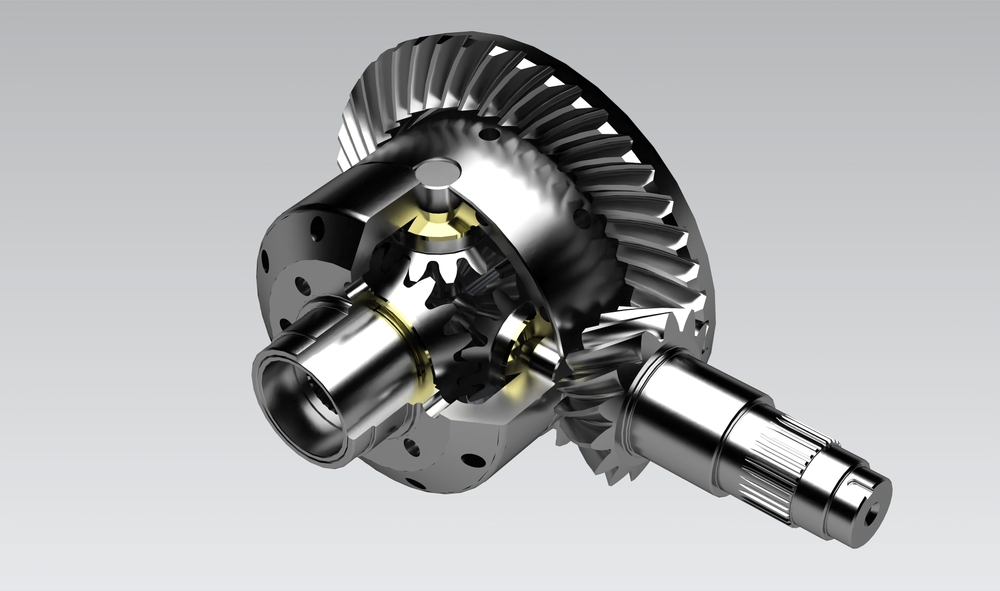
What is the purpose of using a differential gear in an automobile?
A differential gear serves a crucial purpose in an automobile. Here’s a detailed explanation:
The purpose of using a differential gear in an automobile is to allow the wheels to rotate at different speeds while receiving power from the engine. It enables smooth and controlled maneuvering, optimizes traction, and enhances overall performance. The differential gear plays several key roles in an automobile:
1. Torque Distribution:
One of the primary purposes of a differential gear is to distribute torque (rotational force) from the engine to the wheels. As the engine generates power, the differential ensures that it is transmitted to the wheels efficiently and effectively. By dividing the torque between the two wheels, the differential enables both wheels to receive power and propel the automobile forward.
2. Differential Action:
The differential gear allows the wheels to rotate at different speeds when the automobile is turning or when one wheel encounters different traction conditions. This differential action is crucial for smooth and controlled maneuvering. By enabling the outer wheel to rotate faster than the inner wheel during a turn, the differential allows the automobile to negotiate corners without binding or skidding.
3. Wheel Speed Compensation:
When the automobile is turning, the inside wheel travels a shorter distance compared to the outside wheel. Without a differential gear, this speed difference would cause significant drivetrain stress and tire wear. The differential gear compensates for the varying wheel speeds by allowing the wheels to rotate at different speeds, ensuring smooth operation and minimizing strain on the drivetrain components.
4. Traction Improvement:
In situations where one wheel loses traction, such as when driving on slippery surfaces or uneven terrain, the differential gear helps improve traction. By allowing the wheel with traction to receive more power, the differential ensures that the automobile can continue moving forward. This is particularly important in automobiles with two-wheel drive, as the differential helps optimize power delivery to the wheel with better traction.
5. Reducing Tire Wear:
The differential gear contributes to reducing tire wear by accommodating differences in wheel speeds. By allowing the wheels to rotate at different speeds during turns, the differential minimizes tire scrubbing and uneven wear. It helps distribute the forces evenly across the tires, promoting longer tire life and maintaining better overall traction.
6. Enhanced Stability and Handling:
The differential gear plays a crucial role in enhancing automobile stability and handling. By allowing the wheels to rotate independently, the differential facilitates better control during turns and maneuvering. It helps maintain proper weight distribution, prevents excessive understeer or oversteer, and promotes balanced handling characteristics.
Overall, the purpose of using a differential gear in an automobile is to enable torque distribution, facilitate smooth and controlled maneuvering, optimize traction, reduce tire wear, and enhance stability and handling. The differential gear ensures that power is efficiently delivered to the wheels while accommodating varying speed and traction conditions, resulting in improved performance and driving dynamics.


editor by CX 2024-04-04