China Good quality Customized Segment Rotary Kiln Cast Iron Large Diameter Girth Cement Mixer Ring Spur Gear bevel gearbox
Product Description
Product Description
High Quality Casting Girth Gear for Ball Mill
Rotary Kiln girth gear
AS Metal is the company of the right choice for rotary kiln girth gear.
Brief introduction
Rotary kiln girth gear is the key component to support the transmission system stability of rotary kiln. The rotary kiln girth gear is placed near to a rotary kiln tyre so that it is accurately aligned with the kiln axis, with minimal wobble. Rotary kiln girth gear is normal for the nearby tyre to be fixed in position with supporting rollers, so that as the kiln expands on warming up, the rolling gear position remains fairly constant, while the nose and tail of the kiln expand outward.
Manufacturing Process
1. Wooden pattern Production
2. Molding
3. Pouring
4. First cleaning
5. Heat treatment – grinding (inspection)
6. Rough machining (inspection)-finishing machining (inspection)
7. Packing-delivering
Quality Control
1. Nondestructive testing is performed to ensure zero defects
2. Machining of gear in multiple steps to ensure best finish and accuracy
3. Final quality inspection to ensure CPG quality
We also have these
Company Profile
Our Company
HangZhou Metal Co., Ltd. (ASMT) serves in metallurgical (especial steel & aluminum), mining, mineral, cement etc. industry, integrating manufacturing, engineering, supply chain management, construction of package in domestic and abroad, international trade etc..
Our Advantages
Our Advantages
1. Whole process quality control, from raw material to delivery
* Processes including: raw material, pattern, casting, heat treatment, machining, packing
2. Regular reporting for any update for process
*Reports contents including:
Chemical composition, Mechanical properties, Dimensional inspection, Ultrasonic t est (UT), Magnetic particle inspection (MT), Penetrant flaw detection (PT)
Why choose us?
Why Choose Us?
1. Pre-sales service:
To supply product application technological communication, drawing design, process
design, test plan and packing and unloading plan.
2. In-sales service:
To supply production process report and inspection report.
To actively associate shipping with customers.
3. After-sales service:
To supply remote training instruction on in-site operation.
To supply solution to unexpected problem arising at user’s site.
To follow up product’s service life.
Packaging & Shipping
Packing&Shipping
We will choose the best mode of transportation for you.Fast, high safety, simple operation.
Exquisite and strong packing, ensure you receive the most perfect goods.
FAQ
FAQ
1. Q: How about delivery time?
A: After receiving the payment, we will put the goods into production as soon as possible to ensure that you can receive the goods quickly. Due to the different delivery time of different products, if you need a specific delivery time, you can contact our online customer service, 24 hours online.
2. Q: What is the loading port?
A: We will arrange the best loading port according to your requirement.
3. Q: Can you do OEM?
A: Yes, we welcome OEM for our customers. We have professional technical personnel to provide technical support.
/* January 22, 2571 19:08:37 */!function(){function s(e,r){var a,o={};try{e&&e.split(“,”).forEach(function(e,t){e&&(a=e.match(/(.*?):(.*)$/))&&1
| Type: | Clay Dry Sand |
|---|---|
| Casting Method: | pressure Crystallization |
| Sand Core Type: | Sodium Silicate Sand Core |
| Application: | Furniture Parts |
| Machining: | Boring Machine |
| Material: | Copper and Copper Alloy |
| Customization: |
Available
| Customized Request |
|---|
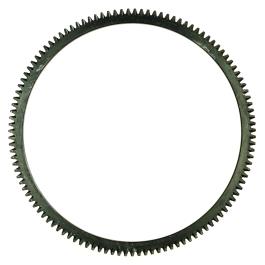
How do you choose the right size ring gear for your application?
Choosing the right size ring gear for a specific application involves considering several factors related to the gear system, load requirements, space constraints, and performance objectives. Here’s a detailed explanation of the process involved in selecting the appropriate size ring gear:
- Determine the Gear System Parameters: Understand the specific requirements of the gear system in which the ring gear will be used. This includes identifying the input power, desired output speed, torque requirements, and operating conditions such as temperature, vibration, and lubrication.
- Calculate Gear Ratios: Determine the required gear ratios for the gear system. Gear ratios define the relationship between the rotational speeds and torques of the driving and driven gears. By knowing the desired gear ratios, you can calculate the appropriate size of the ring gear relative to the other gears in the system.
- Evaluate Load Capacity: Assess the load capacity needed for the application. Consider the maximum torque and radial loads that the ring gear will experience during operation. It’s crucial to select a ring gear that can handle the anticipated loads without excessive wear, deformation, or failure.
- Consider Space Limitations: Determine the available space for the ring gear within the application. Consider the overall dimensions, such as the outer diameter, inner diameter, and thickness of the ring gear. Ensure that the selected size fits within the designated space without interfering with other components or compromising the overall functionality of the system.
- Account for Manufacturing Considerations: Consider the manufacturability of the ring gear. Evaluate factors such as the feasibility of producing the required tooth profile, the availability of suitable materials, and the manufacturing capabilities of the supplier. It’s important to choose a size that can be efficiently manufactured while meeting the required quality standards.
- Consult Design Guidelines and Standards: Refer to industry design guidelines, standards, and specifications specific to the type of gear and application. These guidelines provide recommendations and formulas for calculating gear sizes based on factors such as tooth strength, contact stress, and bending stress. Adhering to recognized standards ensures that the selected ring gear size is appropriate for the intended application.
It is often beneficial to consult with gear design engineers or industry experts to ensure the proper selection of the ring gear size. They can provide detailed analysis, simulation, and expertise in choosing the optimal size based on the specific requirements and constraints of the application.
By carefully considering these factors and following established design practices, you can choose the right size ring gear that will deliver reliable performance, efficient power transmission, and long-term durability for your application.
\
What is the lifespan of a typical ring gear?
The lifespan of a typical ring gear can vary depending on various factors. Here’s a detailed explanation of the factors that influence the lifespan of a ring gear:
The lifespan of a ring gear is influenced by several factors, including:
- Material Quality: The quality of the material used to manufacture the ring gear plays a significant role in its lifespan. High-quality materials with good mechanical properties, such as hardened steel or alloys with high wear resistance, tend to have longer lifespans compared to lower-quality materials.
- Design and Load Conditions: The design of the ring gear, including its tooth profile, dimensions, and load-bearing capacity, affects its lifespan. Ring gears designed to handle higher loads and stresses are likely to have longer lifespans. The operating conditions, such as the magnitude and frequency of the torque loads, also impact the lifespan of the ring gear.
- Maintenance and Lubrication: Proper maintenance and lubrication are essential for preserving the lifespan of a ring gear. Regular inspection, cleaning, and lubrication of the gear system help reduce wear and prevent damage. Inadequate maintenance or the use of improper lubricants can accelerate wear and shorten the lifespan of the ring gear.
- Operating Environment: The operating environment in which the ring gear operates affects its lifespan. Factors such as temperature extremes, humidity, contaminants, and exposure to corrosive substances can impact the material integrity and performance of the ring gear. Harsh operating environments may lead to accelerated wear and reduced lifespan.
- Application-Specific Factors: The specific application in which the ring gear is used can influence its lifespan. Some applications may subject the ring gear to severe operating conditions, high-speed rotations, frequent starts and stops, or heavy shock loads, which can affect its durability and longevity. The accuracy of gear alignment, proper installation, and any additional factors specific to the application should be considered to assess the ring gear’s lifespan.
Given these factors, it is challenging to provide a specific lifespan for a typical ring gear. Lifespan estimates can range from tens of thousands to hundreds of thousands or even millions of operating cycles or hours of operation. The longevity of a ring gear can be extended through proper selection of materials, careful design, routine maintenance, and adherence to recommended operating and lubrication practices.
It’s important to note that the lifespan of a ring gear can also depend on the presence of any unforeseen or exceptional circumstances, such as manufacturing defects, abnormal operating conditions, or unforeseen incidents that can cause premature failure. Regular inspection and monitoring of the gear system can help identify any signs of wear, damage, or potential issues, allowing for timely maintenance or replacement to ensure continued reliable operation.
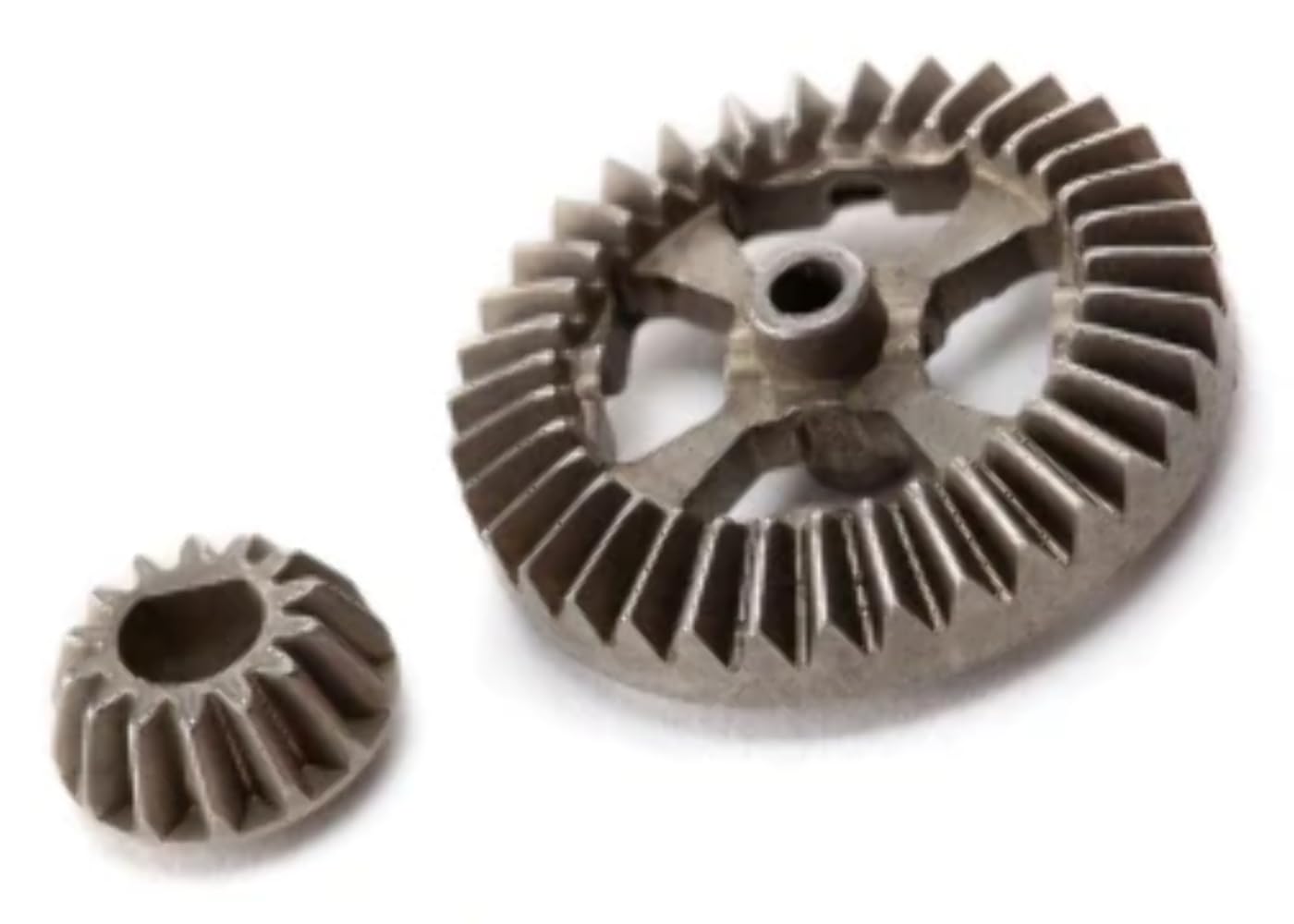
What is a ring gear and how does it work?
A ring gear is a type of gear that features teeth on the outer perimeter of a circular ring-shaped component. It is commonly used in various mechanical systems and applications. Here’s a detailed explanation of what a ring gear is and how it works:
A ring gear, also known as an annular gear or internal gear, is a gear with teeth on the inside circumference of a circular ring. It is designed to mesh with a pinion gear or another gear that has teeth on the outside. The combination of a ring gear and a pinion gear forms a gear set, enabling the transmission of rotational motion and torque between the two gears.
Here’s how a ring gear works:
- Tooth Engagement: When a ring gear and a pinion gear are brought together, the teeth of the pinion gear mesh with the teeth of the ring gear. The teeth of the pinion gear enter the spaces between the teeth of the ring gear, creating a mechanical connection between the two gears.
- Motion Transmission: As the driving gear (such as the pinion gear) rotates, it transfers rotational motion to the ring gear. The teeth of the driving gear push against the teeth of the ring gear, causing the ring gear to rotate in the opposite direction. This rotational motion can be used to drive other components or systems connected to the ring gear.
- Torque Transfer: The meshing of the teeth between the ring gear and the driving gear allows for the transfer of torque. Torque is the rotational force or twisting force applied to a gear. As the driving gear exerts torque on the ring gear through the meshing teeth, the ring gear experiences a torque load. This torque load can be transmitted to other components or systems connected to the ring gear.
- Gear Ratio: The gear ratio between the ring gear and the driving gear determines the speed and torque relationship between the two gears. The gear ratio is defined as the ratio of the number of teeth on the ring gear to the number of teeth on the driving gear. By changing the size or number of teeth on either the ring gear or the driving gear, the gear ratio can be adjusted to achieve the desired speed or torque output.
- Load Distribution: The ring gear distributes the load over a larger area compared to other types of gears. This load distribution characteristic allows the ring gear to handle higher loads and torque. The design of the ring gear and its tooth profile ensures that the load is evenly distributed across the surface of the gear, enhancing its durability and reducing the risk of premature wear or failure.
Ring gears are commonly used in various applications, including automotive transmissions, differential systems, planetary gear systems, industrial machinery, and power transmission equipment. They provide advantages such as compactness, high torque capacity, load distribution, and the ability to achieve high gear ratios.
It’s important to note that the design and characteristics of ring gears may vary depending on the specific application and requirements. Factors such as tooth profile, material selection, lubrication, and manufacturing techniques are carefully considered to ensure optimal performance and durability of the ring gear.


editor by CX 2024-03-27