China Good quality Single Axis Slewing Gear Parabolic Trough Solar Tracking worm gear winch
Product Description
Slewing drive motor for single and dual axis solar plant,PV and CSP system
|
Model |
SC9 |
IP |
IP65 |
|
Brand |
Coresun Drive |
Available Load Weight |
500-800kg |
|
IP Class |
IP65 |
Output Torque |
854N.m |
|
Tilting Moment Torque |
33.9KN.m |
Holding Torque |
38.7KN.m |
|
Mounting Bolts |
M16 |
Electrial Motor |
24VDC |
|
Gear Ratio |
61:1 |
Efficiency |
40% |
Coresun Drive Equipment HangZhou Co., Ltd. Slewing drives function with standard worm technology, in which the worm on the horizontal shaft acts as the driver for the gear. The rotation of the horizontal screw turns a gear about an axis perpendicular to the screw axis. This combination reduces the speed of the driven member and also multiplies its torque; increasing it proportionally as the speed decreases. The speed ratio of shafts depends CHINAMFG the relation of the number of threads on the worm to the number of teeth in the worm wheel or gear.
Why Choose Us:
Solar heliostat tracking system is a mechanical and electronic control unit system which optimizes the use of sunlight to improve photoelectric conversion efficiency in the process of photothermal and photovoltaic power generation. It mainly includes photovoltaic applications and photothermal applications.
1. Our manufacturing standard is according to machinery standard JB/T2300-2011, we also has been found the efficient Quality Management Systems(QMS) of ISO 9001:2015 and GB/T19001-2008.
2. We devote ourselves to the R &D of customized slewing bearing with high precision,special purpose and requirements.
3. With abundant raw materials and high production efficiency, the company can supply products to customers as quickly as possible and shorten the time for customers to wait for products.
4. Our internal quality control includes first inspection, mutual inspection, in-process quality control and sampling inspection to ensure product quality. The company has complete testing equipment and advanced testing method.
5. Strong after-sales service team, timely solve customer problems, to provide customers with a variety of services.
6. Delivery Time: 7 days after
7. Warranty Time: 5 years
8. ISO and CE certificate for quality guarantee
Coresun Drive Slewing Drive Motor Production Photo and Application
CHINAMFG Drive processes the metallography detection to check the material and organization structure of worm shaft,slewing gear and casting housing.
Coresun Drive testing reports for slewing bearing,worm shaft and finished slewing drive
CHINAMFG Drive slewing drive gear motor with 24VDC motor is certificated by CE
CONTACT US
It is sincerely looking CHINAMFG to cooperating with you for and providing you the best quality product & service with all of our heart!
/* January 22, 2571 19:08:37 */!function(){function s(e,r){var a,o={};try{e&&e.split(“,”).forEach(function(e,t){e&&(a=e.match(/(.*?):(.*)$/))&&1
| Condition: | New |
|---|---|
| Certification: | ISO, CE |
| Application: | Industrial |
| Specification: | Normal, SC9-61-RC-24H15300-RV. A |
| Holding Torque: | 38.7kn.M |
| Tilting Moment Torque: | 33.9kn.M |
| Customization: |
Available
| Customized Request |
|---|
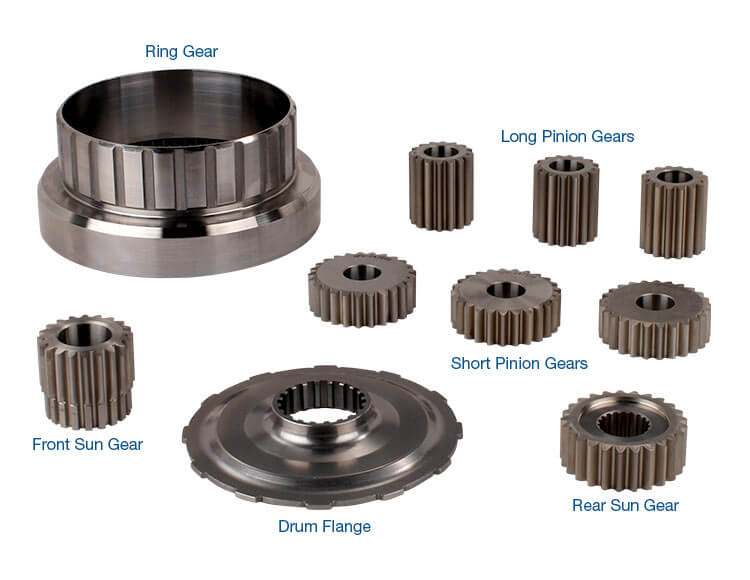
Can sun gears be used in renewable energy systems?
Sun gears can indeed be used in renewable energy systems, particularly in applications that involve the conversion and transmission of mechanical power. Let’s explore how sun gears can be utilized in different types of renewable energy systems:
- Wind Turbines:
In wind turbines, sun gears can be employed as part of the gearbox mechanism. The gearbox is responsible for increasing the rotational speed of the wind turbine’s rotor to generate electricity efficiently. Sun gears, along with other gears such as planet gears and ring gears, can be used to achieve the desired gear ratios and torque amplification. By leveraging sun gears, wind turbines can convert the relatively low rotational speed of the rotor into the higher rotational speed required by the generator, which produces electricity.
- Solar Tracking Systems:
Sun gears can also play a role in solar tracking systems, which are used to maximize the energy generation of solar panels by orienting them towards the sun throughout the day. These systems often utilize gears to control the movement of the solar panels. Sun gears can be incorporated into the gear mechanism to enable precise tracking and adjustment of the solar panels’ position, ensuring optimal sunlight exposure and energy capture.
- Hydroelectric Power Plants:
In hydroelectric power plants, sun gears can be employed in the turbine and generator systems. These systems use the force of flowing or falling water to drive turbines, which, in turn, generate electricity. Sun gears can be part of the turbine’s gearbox, enabling the efficient conversion of the low-speed rotation of the turbine into the high-speed rotation required by the generator. By utilizing sun gears, hydroelectric power plants can enhance the power generation capabilities of the turbines.
- Wave and Tidal Energy Converters:
Wave and tidal energy converters harness the power of ocean waves and tides to generate electricity. Sun gears can be utilized in the transmission systems of these converters. They can help convert the slow, oscillating motion of the waves or tides into a higher rotational speed suitable for driving generators. By incorporating sun gears, these converters can optimize the energy extraction process and improve the efficiency of power generation.
- Geothermal Power Plants:
In geothermal power plants, sun gears can be used in various components of the energy conversion process. Geothermal power plants extract heat from the Earth’s interior to generate electricity. Sun gears can be employed in systems such as turbines and generators, where they facilitate the conversion of thermal energy into mechanical and electrical energy. By utilizing sun gears, geothermal power plants can enhance the efficiency and performance of the energy conversion systems.
In summary, sun gears can find applications in renewable energy systems such as wind turbines, solar tracking systems, hydroelectric power plants, wave and tidal energy converters, and geothermal power plants. By leveraging the functionality of sun gears, these systems can optimize power generation, increase efficiency, and contribute to the sustainable utilization of renewable energy sources.
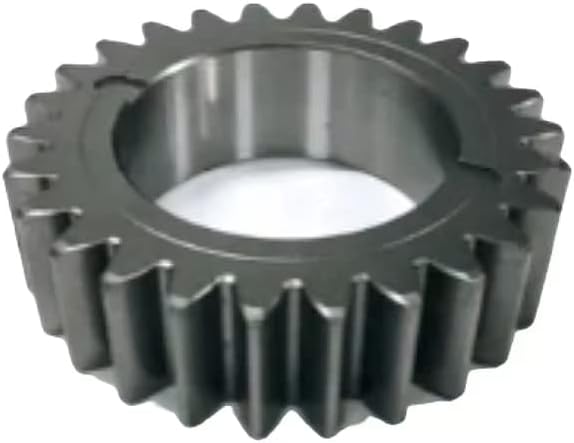
What is the role of a sun gear in the operation of a differential gear system?
The sun gear plays a vital role in the operation of a differential gear system, which is commonly used in vehicles to distribute power between the wheels while allowing them to rotate at different speeds. The sun gear, along with other gears in the differential, contributes to the smooth and efficient operation of the system. Here’s an explanation of the role of a sun gear in the operation of a differential gear system:
- Power Input:
The sun gear serves as the input for the differential gear system. It receives torque from the driveshaft or propeller shaft, which transfers power from the engine or transmission to the differential. The rotation of the sun gear initiates the power flow within the differential assembly.
- Speed Differentiation:
The primary function of the differential gear system is to allow the wheels to rotate at different speeds while distributing power between them. The sun gear, along with the other gears in the differential, enables this speed differentiation.
As the sun gear rotates, it meshes with the planet gears, which are arranged around it. The planet gears, in turn, engage with the ring gear, which is connected to the axle shafts leading to the wheels. The interaction between the sun gear, planet gears, and ring gear allows the differential to accommodate different rotational speeds of the wheels.
- Distribution of Torque:
Another critical role of the sun gear is to distribute torque between the wheels in a differential system. The torque input from the sun gear is transmitted to the planet gears, which then transfer the torque to the ring gear and, subsequently, to the axle shafts and wheels.
As the differential operates, it adjusts the distribution of torque based on the traction and resistance encountered by each wheel. If one wheel experiences less resistance or has more traction than the other, the differential will allocate more torque to that wheel. This torque distribution helps optimize power delivery, improve traction, and enhance vehicle stability during cornering or uneven road conditions.
- Equal Torque Split (Open Differential):
In an open differential system, which is the most common type, the sun gear plays a role in equal torque split between the wheels under normal driving conditions. When both wheels have equal traction and resistance, the sun gear distributes torque equally to the planet gears, resulting in an equal torque split between the wheels.
However, in situations where one wheel loses traction or encounters less resistance, such as during wheel slip or when one wheel is on a slippery surface, the open differential will prioritize torque delivery to the wheel with less traction, potentially reducing overall traction and performance.
- Limited-Slip Differential:
In some differential systems, such as limited-slip differentials (LSDs), the sun gear’s role is modified to provide improved traction and torque distribution. LSDs use various mechanisms, such as clutch packs or viscous fluids, to limit the speed differentiation between the wheels and redirect torque to the wheel with more traction.
In LSDs, the sun gear’s engagement with the other gears is modified to allow for controlled torque transfer, enhancing traction and stability during challenging driving conditions.
In summary, the sun gear in a differential gear system serves as the power input and enables speed differentiation and torque distribution between the wheels. Its role is crucial for ensuring smooth power delivery, optimizing traction, and enhancing vehicle stability in various driving conditions.
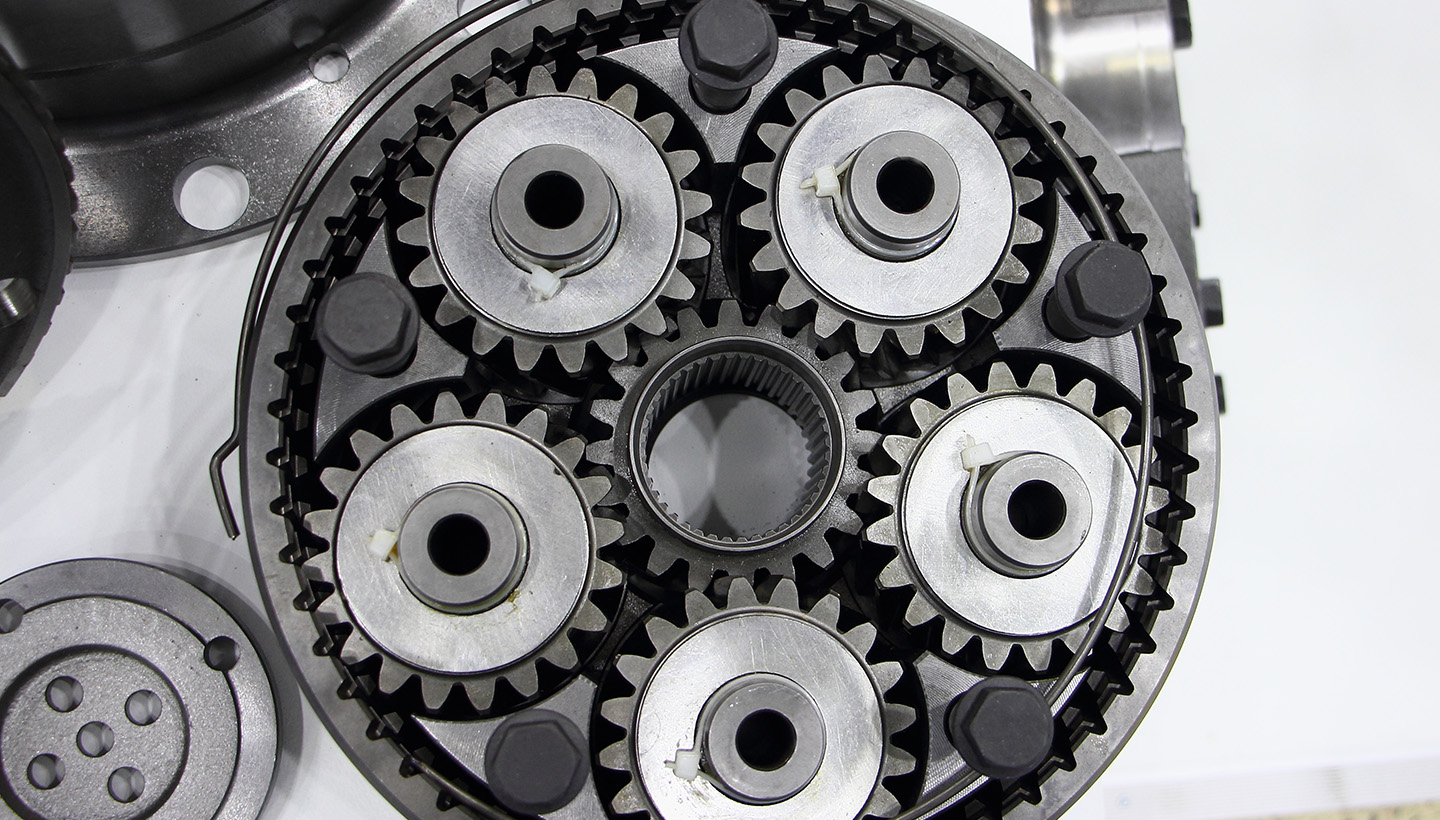
What is the significance of the positioning of the sun gear in planetary gear arrangements?
The positioning of the sun gear in planetary gear arrangements holds significant importance and directly impacts the functionality and performance of the gear system. Understanding the significance of sun gear positioning helps in comprehending how different configurations can be utilized to achieve specific objectives. Here’s an explanation of the significance of the positioning of the sun gear in planetary gear arrangements:
- Power Input: The sun gear serves as the primary power input element in a planetary gear arrangement. Its central position allows it to receive rotational motion and torque from an external source, such as an engine or motor. Being the input gear, the sun gear plays a crucial role in transmitting power to other gears within the system.
- Interaction with Planet Gears: The positioning of the sun gear at the center of a planetary gear arrangement enables its engagement with multiple planet gears. The planet gears, which are smaller gears surrounding the sun gear, mesh with both the sun gear and an outer ring gear. This interaction between the sun gear and planet gears facilitates the transfer of torque and motion between the gears.
- Torque Distribution: As the sun gear rotates, it transmits torque to the planet gears through their meshing teeth. The planet gears, in turn, transfer the torque to the outer ring gear. The positioning of the sun gear, along with the arrangement of the planet gears and ring gear, allows for torque distribution among the gears. This torque distribution mechanism enables efficient load sharing and prevents excessive stress on any single gear, enhancing the overall durability and performance of the gear system.
- Gear Ratio Control: The positioning of the sun gear in relation to the planet gears and the ring gear determines the gear ratio of the planetary gear arrangement. By changing the arrangement and sizes of these gears, different gear ratios can be achieved. The number of teeth on the sun gear, planet gears, and ring gear, as well as their relative sizes, play a crucial role in determining the gear ratio. This flexibility in gear ratio control allows for the customization of output speeds and torque levels to suit specific application requirements.
- Torque Amplification: The positioning of the sun gear in a planetary gear arrangement enables torque amplification. By utilizing the interaction between the sun gear, planet gears, and ring gear, the gear system can multiply or reduce torque based on the gear ratio configuration. This torque amplification feature is particularly advantageous in applications where high torque output is needed, such as automotive transmissions and heavy machinery.
- Directional Control: The positioning of the sun gear also contributes to the directional control capability of a planetary gear arrangement. By fixing or holding the sun gear while the ring gear or planet carrier is driven, the gear system can achieve different output directions, such as forward or reverse rotation. This directional control adds versatility to the gear system, allowing it to be used in various mechanical applications.
In summary, the positioning of the sun gear in planetary gear arrangements is significant for power input, interaction with planet gears, torque distribution, gear ratio control, torque amplification, and directional control. The central position of the sun gear enables efficient power transmission, load sharing, and customization of gear ratios, making planetary gear arrangements with a sun gear suitable for a wide range of mechanical applications.


editor by Dream 2024-04-30