China Good quality Transmission Straight Teethed Differential Gear for Food Machinery helical bevel gear
Product Description
Transmission Straight Teethed Differential Gear for Food Machinery
1. Description
| No. | Item | Description |
| 1 | Name | Differential Gear |
| 2 | Size | Products can be customized. |
| 3 | Testing Equipment | Rockwell hardness tester 500RA, Double mesh instrument HD-200B & 3102,Gear measurement center instrument CNC3906T and other High precision detection equipments |
| 4 | Certification | GB/T19001-2016/ISO9001:2015 |
| 5 | Usage | Used in printing machine, cleaning machine, medical equipment, garden machine, construction machine, electric car, valve, forklift, transportation equipment and various gear reducers.etc |
| 6 | Package | According to customer’s request |
2. Photos
3. Order process
a. Customer sends us the drawing or sample, If only sample, our company supply the CAD drawing.
b. Our company supplies the processing technique and quotation.
c. Our company supplies the sample after customer confirmed processing technique and quotation.
d. Customer places the order after confirm the sample.
e. Customer pay 50% deposit
f. Quantity production.
g. Pay the balance after the acceptance and confirmation.
h. Delivery.
/* January 22, 2571 19:08:37 */!function(){function s(e,r){var a,o={};try{e&&e.split(“,”).forEach(function(e,t){e&&(a=e.match(/(.*?):(.*)$/))&&1
| Application: | Motor, Electric Cars, Motorcycle, Machinery, Marine, Agricultural Machinery, Motor, Electric Cars, Motorcycle, Machinery, Marine, Agricultural Machinery, Car, Truck |
|---|---|
| Hardness: | Hardened Tooth Surface, Hardened Tooth Surface |
| Gear Position: | External Gear, External Gear |
| Manufacturing Method: | Sintered Gear, Gear Hobbing, Gear Shaping and Gear Grinding |
| Toothed Portion Shape: | Spur Gear, Involute |
| Material: | Stainless Steel, 45#Steel, 20crmnti, 40cr, 20CrNiMo, 20mncr5, Gcr15simn |
| Samples: |
US$ 155/Piece
1 Piece(Min.Order) | |
|---|
| Customization: |
Available
| Customized Request |
|---|
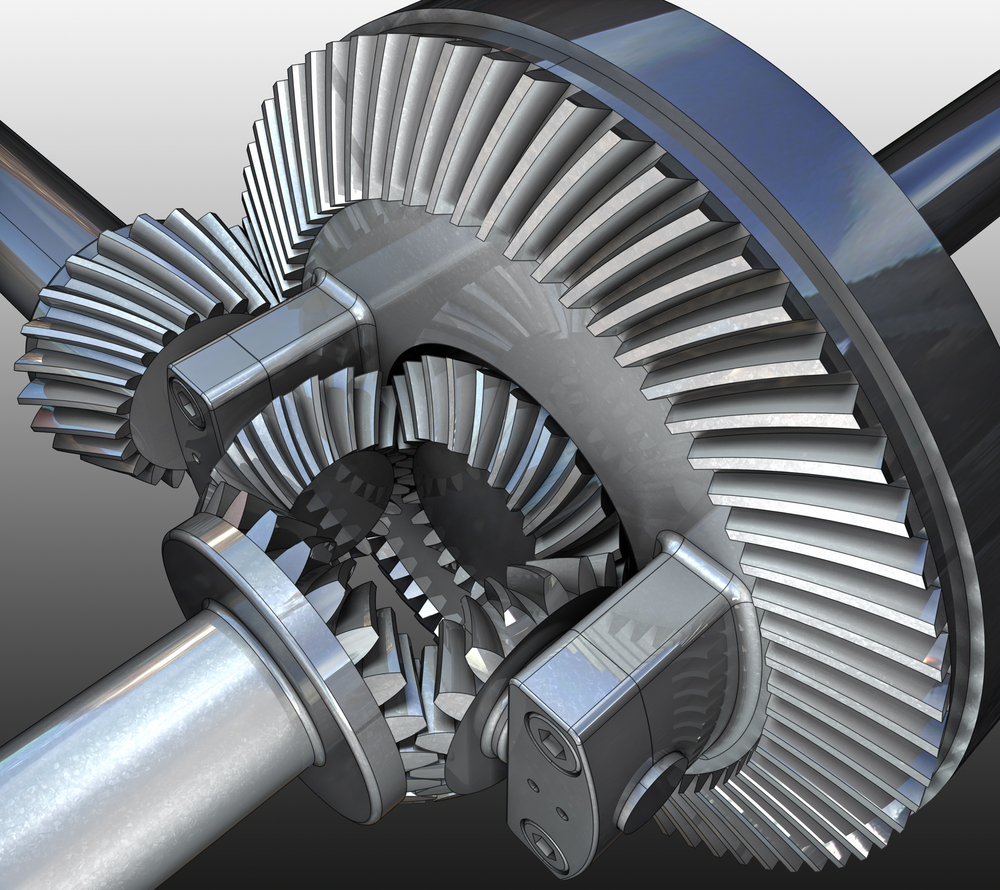
What is the impact of a malfunctioning differential gear on a vehicle’s performance?
A malfunctioning differential gear can significantly impact a vehicle’s performance and drivability. Here’s a detailed explanation of the effects of a malfunctioning differential gear:
1. Limited Traction:
A malfunctioning differential gear may result in limited traction, especially in off-road or slippery conditions. The differential gear distributes torque between the wheels to provide optimal traction. If the gear malfunctions, it may not distribute power evenly, causing one or more wheels to lose traction. This can result in wheel slip, difficulty in accelerating, and compromised control over the vehicle.
2. Poor Handling and Stability:
The differential gear plays a critical role in maintaining stability and handling characteristics of a vehicle. A malfunctioning differential gear can disrupt the balance between the wheels, leading to poor handling and stability. For example, if a rear-wheel-drive vehicle’s differential gear fails, it can cause excessive oversteer or understeer, making the vehicle difficult to control during cornering or sudden maneuvers.
3. Increased Tire Wear:
A malfunctioning differential gear can cause uneven tire wear. When the gear fails to distribute torque evenly, some wheels may experience excessive slippage or spinning, while others receive insufficient power. This uneven distribution of forces can lead to accelerated tire wear on specific wheels, resulting in uneven tread wear patterns and reducing the overall lifespan of the tires.
4. Abnormal Noise and Vibration:
A malfunctioning differential gear can produce abnormal noises and vibrations. If the gear’s components, such as bearings or gears, wear out or become damaged, it can result in grinding, whining, or clunking noises during operation. Additionally, the vehicle may experience vibrations, especially when accelerating or navigating turns. These symptoms indicate potential issues with the differential gear that require immediate attention.
5. Loss of Power and Performance:
A malfunctioning differential gear can lead to a loss of power and performance. If the gear fails to transfer torque effectively, the vehicle may experience reduced power delivery to the wheels. This can result in sluggish acceleration, decreased towing or hauling capacity, and overall compromised performance. The vehicle may struggle to climb inclines, navigate challenging terrain, or maintain speed efficiently.
6. Increased Fuel Consumption:
A malfunctioning differential gear can contribute to increased fuel consumption. When the gear fails to distribute torque properly, the engine may need to work harder to compensate for the lack of power transmission. This increased workload can lead to higher fuel consumption, as the engine consumes more fuel to maintain performance levels.
7. Safety Concerns:
A malfunctioning differential gear can pose safety concerns for the driver and passengers. Limited traction, poor handling, and compromised stability increase the risk of accidents, especially in adverse weather conditions or emergency situations. It is crucial to address any differential gear issues promptly to ensure the safe operation of the vehicle.
In summary, a malfunctioning differential gear can have a significant impact on a vehicle’s performance. It can result in limited traction, poor handling and stability, increased tire wear, abnormal noises and vibrations, loss of power and performance, increased fuel consumption, and safety concerns. Regular maintenance, prompt repairs, and addressing differential gear issues can help maintain the vehicle’s performance, drivability, and overall safety.
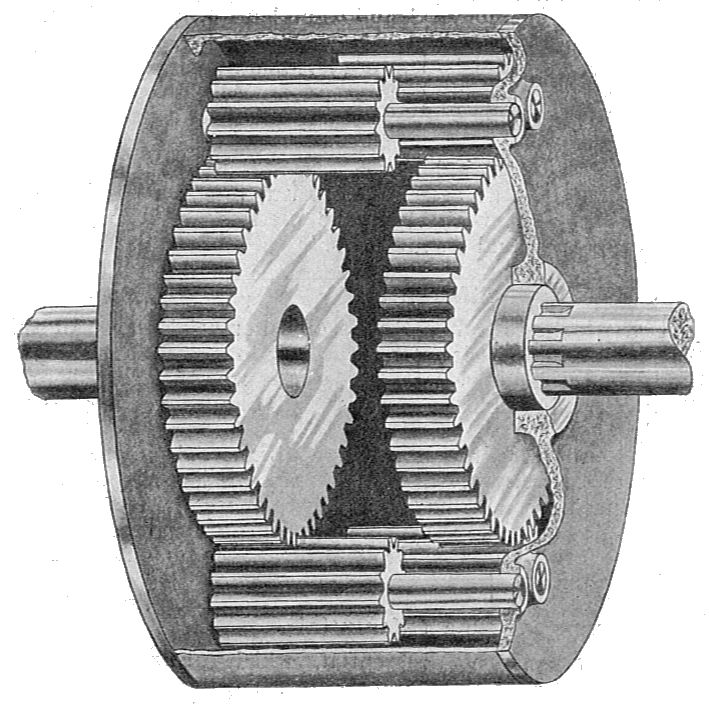
How do differential gears function in both front-wheel-drive and rear-wheel-drive vehicles?
In both front-wheel-drive and rear-wheel-drive vehicles, differential gears serve the same fundamental purpose of distributing power from the engine to the wheels while allowing them to rotate at different speeds. However, their specific configurations and functions differ between these two types of drivetrains. Here’s a detailed explanation of how differential gears function in both front-wheel-drive and rear-wheel-drive vehicles:
Front-Wheel-Drive Vehicles:
In front-wheel-drive vehicles, the differential gears are typically integrated into the transaxle assembly, which combines the transmission and differential into a single unit. Here’s how the differential gears function in front-wheel-drive vehicles:
- Power Input: The engine’s power is transmitted through the transmission to the transaxle assembly.
- Ring and Pinion Gears: The power from the transaxle is delivered to a set of ring and pinion gears within the differential assembly. These gears are responsible for distributing torque to the front wheels.
- Spider Gears: The ring gear is connected to a carrier that houses multiple smaller gears called spider gears. These spider gears allow the front wheels to rotate at different speeds during turns.
- Equal Torque Distribution: In front-wheel-drive vehicles, the differential gears prioritize equal torque distribution between the two front wheels. This design helps maintain traction and stability during acceleration and cornering.
- Traction Control: Some front-wheel-drive vehicles may also incorporate additional features in the differential assembly, such as electronic limited-slip differentials or traction control systems. These features help optimize traction by transferring power to the wheel with better grip, reducing wheel spin and improving overall performance.
Rear-Wheel-Drive Vehicles:
In rear-wheel-drive vehicles, the differential gears are typically located in the rear axle assembly. Here’s how the differential gears function in rear-wheel-drive vehicles:
- Power Input: The engine’s power is transmitted through the transmission to the driveshaft, which connects to the rear axle assembly.
- Drive Pinion and Ring Gear: The driveshaft is connected to a drive pinion gear, which meshes with a larger ring gear. This gear set is responsible for transferring power to the rear wheels.
- Spider Gears: Similar to front-wheel-drive vehicles, rear-wheel-drive vehicles also have spider gears housed within the differential assembly. The spider gears allow the rear wheels to rotate at different speeds during turns.
- Torque Distribution: In rear-wheel-drive vehicles, the differential gears distribute torque to the rear wheels in a manner that prioritizes rear-wheel traction and propulsion. This configuration is particularly beneficial for vehicle acceleration and load-carrying capability.
- Enhanced Features: Rear-wheel-drive vehicles may also incorporate advanced differential systems, such as limited-slip differentials or electronic locking differentials, to optimize traction and performance. These features help improve grip, especially in challenging driving conditions or when driving off-road.
In summary, differential gears function differently in front-wheel-drive and rear-wheel-drive vehicles due to their distinct drivetrain configurations. In front-wheel-drive vehicles, the differential gears are typically integrated into the transaxle assembly and prioritize equal torque distribution to the front wheels. In rear-wheel-drive vehicles, the differential gears are located in the rear axle assembly and focus on torque distribution to the rear wheels for propulsion. Understanding the specific functions of differential gears in each drivetrain type is essential for optimizing vehicle performance, traction, and stability.
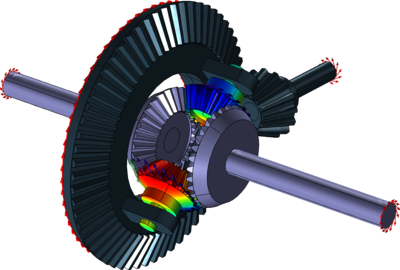
What are the functions of a differential gear in a vehicle?
A differential gear in a vehicle serves several important functions. Here’s a detailed explanation:
1. Torque Distribution:
One of the primary functions of a differential gear is to distribute torque (rotational force) from the engine to the wheels. As the engine generates power, the differential ensures that it is transmitted to the wheels efficiently and effectively. By dividing the torque between the two wheels, the differential enables both wheels to receive power and propel the vehicle forward.
2. Differential Action:
The differential gear allows the wheels to rotate at different speeds when the vehicle is turning or when one wheel encounters different traction conditions. This differential action is crucial for smooth and controlled maneuvering. By enabling the outer wheel to rotate faster than the inner wheel during a turn, the differential allows the vehicle to negotiate corners without binding or skidding.
3. Wheel Speed Compensation:
When the vehicle is turning, the inside wheel travels a shorter distance compared to the outside wheel. Without a differential, this speed difference would cause significant drivetrain stress and tire wear. The differential gear compensates for the varying wheel speeds by allowing the wheels to rotate at different speeds, ensuring smooth operation and minimizing strain on the drivetrain components.
4. Traction Improvement:
In situations where one wheel loses traction, such as when driving on slippery surfaces or uneven terrain, the differential gear helps improve traction. By allowing the wheel with traction to receive more power, the differential ensures that the vehicle can continue moving forward. This is particularly important in vehicles with two-wheel drive, as the differential helps optimize power delivery to the wheel with better traction.
5. Reducing Tire Wear:
The differential gear contributes to reducing tire wear by accommodating differences in wheel speeds. By allowing the wheels to rotate at different speeds during turns, the differential minimizes tire scrubbing and uneven wear. It helps distribute the forces evenly across the tires, promoting longer tire life and maintaining better overall traction.
6. Enhanced Stability and Handling:
The differential gear plays a crucial role in enhancing vehicle stability and handling. By allowing the wheels to rotate independently, the differential facilitates better control during turns and maneuvering. It helps maintain proper weight distribution, prevents excessive understeer or oversteer, and promotes balanced handling characteristics.
Overall, the differential gear is an integral component of a vehicle’s drivetrain, responsible for torque distribution, wheel speed compensation, traction improvement, reducing tire wear, and enhancing stability and handling. It enables smooth and efficient power delivery to the wheels while accommodating varying speed and traction conditions, resulting in improved performance and driving dynamics.


editor by CX 2024-04-04