China high quality Precision Machine Wheel Transmission Planetary Gear/Spur Gear/Ring Gear gear cycle
Product Description
Our advantage:
*Specialization in CNC formulations of high precision and quality
*Independent quality control department
*Control plan and process flow sheet for each batch
*Quality control in all whole production
*Meeting demands even for very small quantities or single units
*Short delivery times
*Online orders and production progress monitoring
*Excellent price-quality ratio
*Absolute confidentiality
*Various materials (stainless steel, iron, brass, aluminum, titanium, special steels, industrial plastics)
*Manufacturing of complex components of 1 – 1000mm.
Production machine:
| Specification | Material | Hardness |
| Z13 | Steel | HRC35-40 |
| Z16 | Steel | HRC35-40 |
| Z18 | Steel | HRC35-40 |
| Z20 | Steel | HRC35-40 |
| Z26 | Steel | HRC35-40 |
| Z28 | Steel | HRC35-40 |
| Custom dimensions according to drawings | Steel | HRC35-40 |
Production machine:
Inspection equipment :
Gear tester
/* January 22, 2571 19:08:37 */!function(){function s(e,r){var a,o={};try{e&&e.split(“,”).forEach(function(e,t){e&&(a=e.match(/(.*?):(.*)$/))&&1
| Application: | Motor, Electric Cars, Motorcycle, Machinery, Agricultural Machinery, Car |
|---|---|
| Hardness: | Hardened Tooth Surface |
| Gear Position: | Internal Gear |
| Manufacturing Method: | Rolling Gear |
| Toothed Portion Shape: | Spur Gear |
| Material: | Steel |
| Customization: |
Available
| Customized Request |
|---|
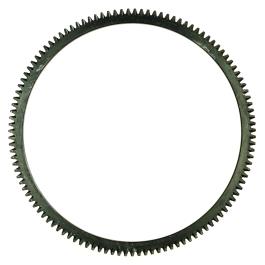
How do you choose the right size ring gear for your application?
Choosing the right size ring gear for a specific application involves considering several factors related to the gear system, load requirements, space constraints, and performance objectives. Here’s a detailed explanation of the process involved in selecting the appropriate size ring gear:
- Determine the Gear System Parameters: Understand the specific requirements of the gear system in which the ring gear will be used. This includes identifying the input power, desired output speed, torque requirements, and operating conditions such as temperature, vibration, and lubrication.
- Calculate Gear Ratios: Determine the required gear ratios for the gear system. Gear ratios define the relationship between the rotational speeds and torques of the driving and driven gears. By knowing the desired gear ratios, you can calculate the appropriate size of the ring gear relative to the other gears in the system.
- Evaluate Load Capacity: Assess the load capacity needed for the application. Consider the maximum torque and radial loads that the ring gear will experience during operation. It’s crucial to select a ring gear that can handle the anticipated loads without excessive wear, deformation, or failure.
- Consider Space Limitations: Determine the available space for the ring gear within the application. Consider the overall dimensions, such as the outer diameter, inner diameter, and thickness of the ring gear. Ensure that the selected size fits within the designated space without interfering with other components or compromising the overall functionality of the system.
- Account for Manufacturing Considerations: Consider the manufacturability of the ring gear. Evaluate factors such as the feasibility of producing the required tooth profile, the availability of suitable materials, and the manufacturing capabilities of the supplier. It’s important to choose a size that can be efficiently manufactured while meeting the required quality standards.
- Consult Design Guidelines and Standards: Refer to industry design guidelines, standards, and specifications specific to the type of gear and application. These guidelines provide recommendations and formulas for calculating gear sizes based on factors such as tooth strength, contact stress, and bending stress. Adhering to recognized standards ensures that the selected ring gear size is appropriate for the intended application.
It is often beneficial to consult with gear design engineers or industry experts to ensure the proper selection of the ring gear size. They can provide detailed analysis, simulation, and expertise in choosing the optimal size based on the specific requirements and constraints of the application.
By carefully considering these factors and following established design practices, you can choose the right size ring gear that will deliver reliable performance, efficient power transmission, and long-term durability for your application.
\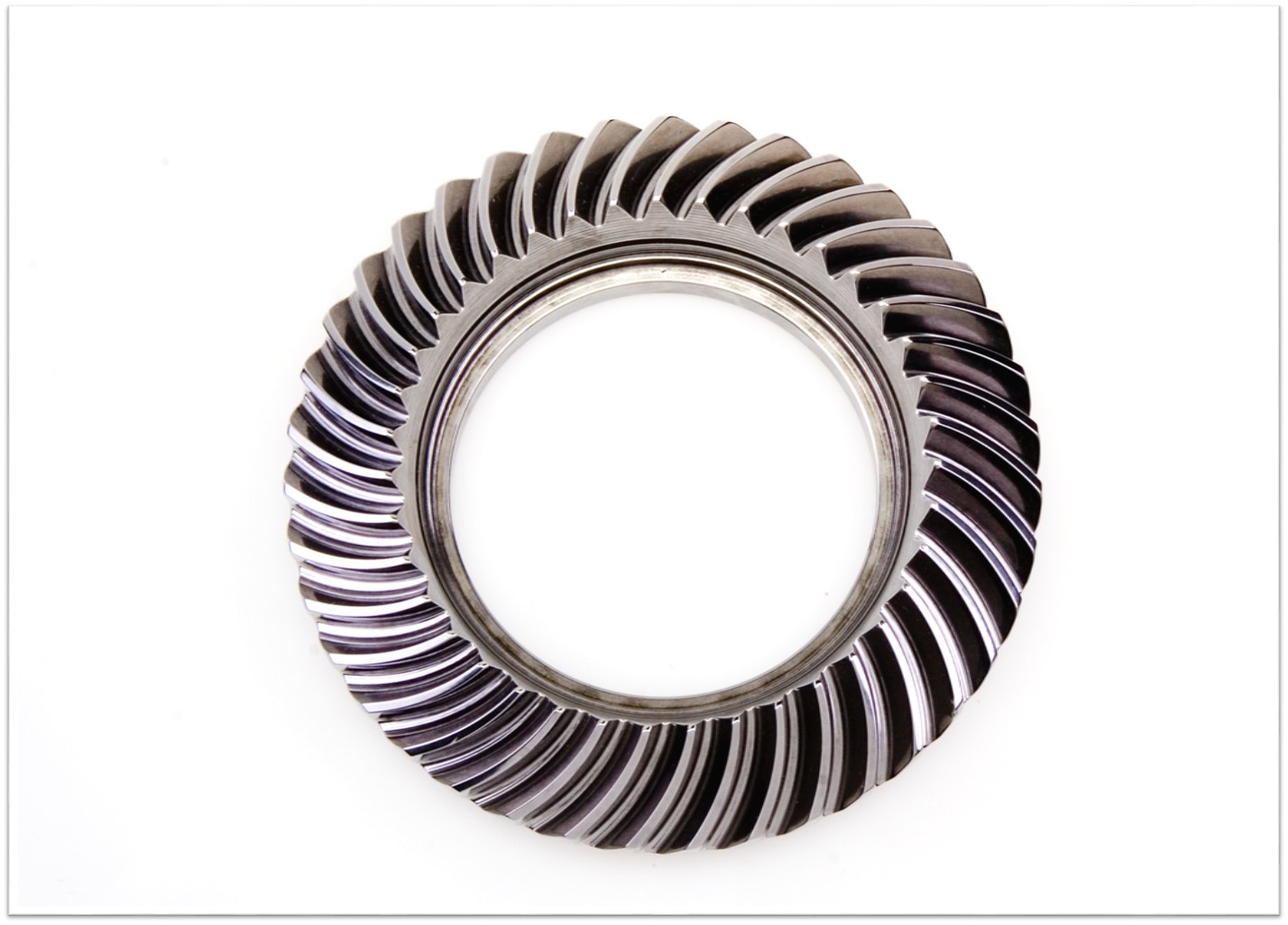
How does a ring gear impact the overall efficiency of a system?
A ring gear plays a significant role in the overall efficiency of a system. Here’s a detailed explanation of how a ring gear impacts system efficiency:
- Power Transmission: Ring gears are responsible for transmitting power from one component to another within a system. They facilitate the transfer of rotational energy and torque between gears, shafts, or other drivetrain elements. The design and quality of the ring gear, along with its meshing with other gears, directly affect the efficiency of power transmission. Well-designed and properly maintained ring gears minimize energy losses due to friction, misalignment, or backlash, resulting in higher overall system efficiency.
- Friction and Wear: The interaction between the ring gear and other gears or components introduces friction, which can lead to energy losses and reduced efficiency. The smoothness of the gear surfaces, the quality of the lubrication, and the design of the gear teeth profile all influence the amount of friction generated. High-quality ring gears with proper lubrication and optimized tooth profiles can minimize friction and wear, thereby improving system efficiency by reducing energy losses.
- Mechanical Losses: In any gear system, there are inherent mechanical losses due to factors such as gear meshing, rolling resistance, and internal friction. These losses can impact the overall efficiency of the system. The design and quality of the ring gear, including factors such as gear tooth geometry, material selection, and surface finish, can help minimize mechanical losses. By reducing these losses, the ring gear contributes to improved system efficiency.
- Load Distribution: Ring gears play a critical role in distributing loads within a system. They help evenly distribute the forces and torque applied to the gear system, preventing localized overloading and reducing the risk of premature component failure. Proper load distribution achieved through well-designed ring gears ensures balanced operation, minimizes stress concentrations, and optimizes the system’s overall efficiency.
- Backlash and Precision: Backlash refers to the play or clearance between the gear teeth when they change direction. Excessive backlash can result in inefficient power transmission, reduced accuracy, and increased wear. Ring gears with tight tolerances and precise manufacturing help minimize backlash, ensuring smooth and efficient operation. By reducing backlash and maintaining precise gear meshing, the ring gear contributes to improved system efficiency and accuracy.
- System Integration and Compatibility: Ring gears must be properly integrated into the overall system design and be compatible with other components. The alignment, mounting, and proper engagement of the ring gear with other gears or components are crucial for efficient operation. Misalignment or compatibility issues can lead to increased friction, wear, and energy losses. A well-integrated ring gear that is compatible with the system’s requirements contributes to improved overall efficiency.
- Maintenance and Lubrication: Regular maintenance and proper lubrication of the ring gear are essential for maintaining efficiency. Adequate lubrication reduces friction, wear, and heat generation, promoting efficient power transmission. Regular inspections, lubricant analysis, and timely lubricant replenishment or replacement help ensure optimal performance and efficiency of the ring gear and the overall system.
Overall, the design, quality, maintenance, and proper integration of the ring gear within a system significantly impact its efficiency. Through minimizing friction, reducing mechanical losses, optimizing load distribution, and ensuring precise operation, a well-designed and properly maintained ring gear contributes to improved overall system efficiency.
How do ring gears differ from other types of gears?
Ring gears, also known as annular gears or internal gears, possess distinct characteristics that set them apart from other types of gears. Here’s a detailed explanation of how ring gears differ from other gears:
- Tooth Configuration: The most significant difference between ring gears and other gears is their tooth configuration. In a ring gear, the teeth are located on the inside circumference of a circular ring, whereas in other gears such as spur gears, helical gears, and bevel gears, the teeth are present on the outer surface of the gear. This internal tooth arrangement makes ring gears unique and allows them to mesh with pinion gears or other external gears.
- Gear Assembly: The assembly of ring gears differs from other gears. In most cases, ring gears are used in combination with pinion gears or other external gears. The pinion gear meshes with the teeth on the inside of the ring gear. This gear set configuration enables the transmission of rotational motion and torque.
- Load Distribution: Ring gears distribute the load over a larger area compared to other types of gears. The load is spread across the internal teeth of the ring gear, resulting in improved load-carrying capacity and enhanced gear durability. This load distribution characteristic makes ring gears suitable for applications that involve high loads or continuous operation.
- Gear Ratio: Ring gears offer specific advantages in terms of gear ratios. They are commonly used in applications where high gear ratios are required. The gear ratio is determined by the number of teeth on the ring gear compared to the number of teeth on the mating gear (such as a pinion gear). The internal tooth configuration of the ring gear allows for larger gear diameters, enabling higher gear ratios to be achieved.
- Space Utilization: Ring gears provide a compact design compared to some other types of gears. The internal tooth arrangement allows for a more space-efficient gear assembly. This compactness is advantageous in applications where space is limited or where a high gear ratio needs to be achieved within a confined area.
- Applications: Ring gears are commonly used in automotive transmissions, differential systems, planetary gear systems, industrial machinery, robotics, power generation equipment, and heavy machinery. Their unique characteristics make them suitable for applications that require precise motion control, load distribution, and high gear ratios.
It’s important to note that the specific design, tooth profile, material selection, and manufacturing techniques may vary for different types of gears, including ring gears. Each type of gear is designed to meet specific application requirements, operating conditions, and performance needs.


editor by CX 2024-04-10