China Hot selling 42CrMo Large Size High Precision Mechanical Double Helical Herringbone Bull Spur Gear Ring manufacturer
Product Description
Key attributes
Other attributes
Applicable Industries
Manufacturing Plant, Construction works , Energy & Mining
Weight (KG)
3000
Showroom Location
None
Video outgoing-inspection
Provided
Machinery Test Report
Provided
Marketing Type
Ordinary Product
Warranty of core components
Not Available
Core Components
Gear, Ring Gear
Place of Origin
ZheJiang , China
Condition
New
Warranty
1year
Shape
Ring Gear
Standard or Nonstandard
Nonstandard
Tooth Profile
Helical Gear,spur gear
Material
Steel
Processing
Forging
Pressure Angle
custom
Brand Name
TS
Product Name
Large Ring Gear
Module No.
5-180
Process
Milling,hobbing
Surface treatment
as request
Heat treatment
Q&T
Application
Industry machinery,transmission equipment
Standard
DIN ANSI ISO
Certificate
ISO
OEM Service
YES
Delivery time
15-60days
Packaging and delivery
Packaging Details
Package adapting to CHINAMFG transport
Port
ZheJiang ,HangZhou
Supply Ability
Supply Ability
5 Piece/Pieces per Month
OUR WORKSHOPS
OUR EQUIPMENTS
Technology Process
|
Material |
Carbon steel,Alloy steel |
||
|
Structure |
Forging,casting |
||
|
Type of gear |
spur gear,helical gear,Planetary Gear |
||
|
Heat treatment |
Quenching and tempering |
||
|
Process |
forging, rough machining, QT, finish machining |
||
|
Main equipments |
hobbing,CNC machine |
||
|
Module |
up to 200 |
||
|
Precision of gear |
Grinding ISO Grade 5-7 & Hobbing ISO Grade 8-9 |
||
|
Inspection |
Raw material inspection, UT,physical property test,dimension inspect |
||
|
Application |
Mining machinery, mill, kiln and other equipment |
||
OUR CERTIFICATE
OUR CUSTOMER FEEDBACK
CONTACT
| Application: | Industry |
|---|---|
| Hardness: | Hb190-Hb300 |
| Gear Position: | External Gear |
| Samples: |
US$ 100/Piece
1 Piece(Min.Order) | Order Sample |
|---|
| Customization: |
Available
| Customized Request |
|---|
.shipping-cost-tm .tm-status-off{background: none;padding:0;color: #1470cc}
| Shipping Cost:
Estimated freight per unit. |
about shipping cost and estimated delivery time. |
|---|
| Payment Method: |
|
|---|---|
|
Initial Payment Full Payment |
| Currency: | US$ |
|---|
| Return&refunds: | You can apply for a refund up to 30 days after receipt of the products. |
|---|
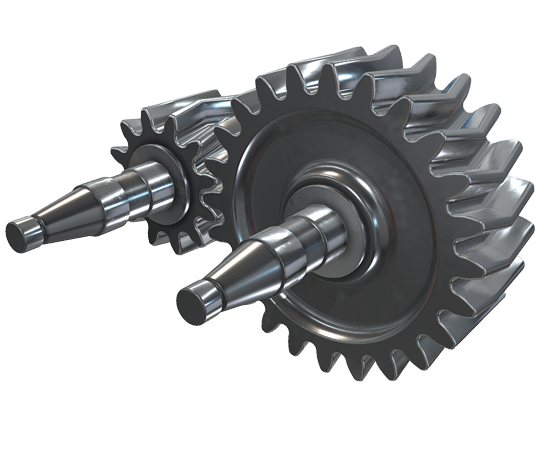
How do you choose the right size herringbone gear for your application?
Choosing the right size herringbone gear for your application involves considering several factors and performing engineering calculations. Here’s a detailed explanation of the steps involved in selecting the appropriate size herringbone gear:
- Determine the Application Requirements: Start by understanding the specific requirements of your application. Consider factors such as the input and output speeds, torque loads, power requirements, duty cycle, and operating conditions. Determine the desired service life, efficiency, and reliability expectations for the gear system.
- Calculate the Gear Ratios: Determine the required gear ratios based on the speed and torque requirements of your application. Gear ratios define the relationship between the rotational speeds and torques of the input and output shafts. Select appropriate gear ratios that fulfill the desired performance objectives.
- Calculate the Load and Torque: Estimate the maximum load and torque that the herringbone gear will experience during operation. Consider both static and dynamic loads, shock loads, and any potential overload conditions. Calculate the required torque capacity of the gear system based on these load considerations.
- Consider the Size and Space Constraints: Evaluate the available space and size constraints in your application. Measure the available distance for gear installation, including the gear’s diameter, width, and axial length. Consider any restrictions on the gear’s physical dimensions and ensure that the selected gear size fits within the available space.
- Determine the Gear Module: The gear module is a parameter that defines the size and number of gear teeth. Calculate the gear module based on the desired gear ratios, torque capacity, and available space. The gear module is typically determined by considering a balance between gear tooth strength, contact ratio, and manufacturing feasibility.
- Perform Gear Design Calculations: Utilize standard gear design formulas and calculations to determine the required number of gear teeth, pitch diameter, helix angles, and other gear dimensions. Consider factors such as gear tooth strength, contact ratio, tooth profile optimization, and gear manufacturing standards. These calculations ensure that the selected gear size can handle the anticipated loads and provide reliable performance.
- Consult Manufacturers and Standards: Consult gear manufacturers, industry standards, and guidelines to ensure compliance with best practices and safety requirements. Manufacturers can provide technical expertise, recommend suitable gear sizes, and offer guidance on material selection, heat treatment processes, and gear quality standards.
- Consider Cost and Availability: Evaluate the cost implications and availability of the selected gear size. Consider factors such as material costs, manufacturing complexity, lead times, and the overall economic feasibility of the gear system. Balance the desired performance with cost considerations to arrive at an optimal gear size.
It’s important to note that selecting the right size herringbone gear requires expertise in gear design and engineering. If you lack the necessary knowledge, it is advisable to consult with experienced gear engineers or manufacturers who can assist in the selection process.
In summary, choosing the right size herringbone gear involves determining the application requirements, calculating gear ratios and torque loads, considering size constraints, determining the gear module, performing gear design calculations, consulting manufacturers and standards, and considering cost and availability. Following these steps ensures that the selected herringbone gear size meets the specific needs of your application and provides reliable and efficient operation.
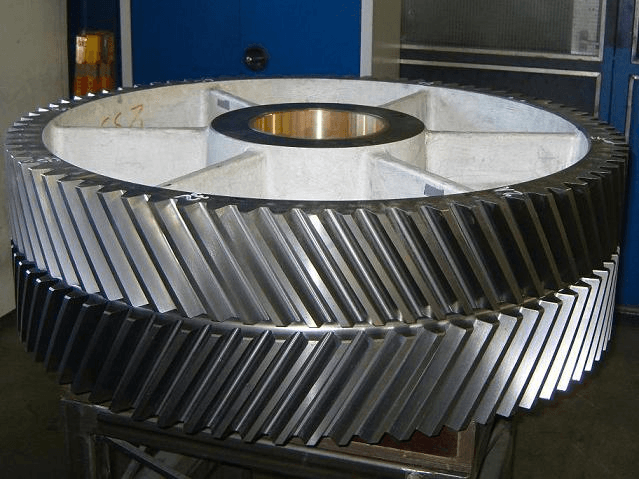
Can you provide examples of machinery that use herringbone gears?
Herringbone gears are widely used in various machinery and mechanical systems that require high torque transmission, smooth operation, and reduced noise levels. Here are some examples of machinery and applications where herringbone gears are commonly employed:
- Marine Propulsion Systems: Herringbone gears are commonly found in marine propulsion systems, including ship engines and marine gearboxes. They are used to transmit power from the engine to the propeller shaft, providing efficient torque transfer and smooth operation in marine vessels.
- Mining Equipment: Herringbone gears are used in heavy-duty mining equipment, such as crushers, conveyors, and excavators. These gears can handle high loads and provide reliable power transmission in demanding mining operations.
- Turbines and Power Generation: Herringbone gears are utilized in various power generation applications, including steam turbines and hydroelectric generators. They help transmit torque from the turbine or generator shaft to other components, such as the gearbox or electrical generator, ensuring efficient power generation.
- Rotating Kilns and Dryers: Herringbone gears are commonly employed in rotating kilns and dryers used in industries such as cement manufacturing and chemical processing. These gears facilitate the rotation of the kiln or dryer, ensuring proper heat distribution and material processing.
- Metal Rolling Mills: Herringbone gears are utilized in metal rolling mills to transmit power from the motor to the rollers. They enable precise and synchronized movement of the rolls, allowing for the shaping and forming of metal sheets or bars in the rolling process.
- Paper and Pulp Industry: Herringbone gears are used in machinery and equipment involved in the paper and pulp industry, such as paper machines, pulpers, and digesters. These gears facilitate the movement of various components, including rollers and conveyors, ensuring smooth and efficient paper production processes.
- Textile Machinery: Herringbone gears find applications in textile machinery, including spinning machines, weaving looms, and knitting machines. They assist in the movement and synchronization of various components, such as spindles, shuttles, and fabric feeders, enabling precise and efficient textile production.
- Machine Tools: Herringbone gears are utilized in machine tools, such as gear hobbing machines, milling machines, and lathes. These gears help transmit power from the motor to the tooling components, allowing for precise and controlled machining operations.
These examples represent just a few of the many applications where herringbone gears are employed. Herringbone gears are valued for their ability to handle high loads, provide smooth operation, and reduce noise levels, making them suitable for a wide range of machinery and mechanical systems.
What industries commonly use herringbone gears?
Herringbone gears, also known as double helical gears, are utilized in various industries due to their unique design and advantageous characteristics. Here’s a detailed explanation of the industries that commonly use herringbone gears:
- Power Generation and Transmission: Herringbone gears find extensive use in power generation and transmission systems. They are employed in gearboxes, drivetrains, and speed reducers that are essential components in power plants, including thermal power plants, hydroelectric power plants, and wind farms. Herringbone gears provide efficient torque transfer and smooth operation, making them suitable for power generation applications.
- Heavy Machinery and Equipment: Herringbone gears are widely employed in heavy machinery and equipment across different industries. Applications include construction machinery, mining equipment, industrial machinery, and material handling systems. These gears can handle high loads and provide reliable torque transmission, making them suitable for heavy-duty operations.
- Oil and Gas Industry: The oil and gas industry extensively utilizes herringbone gears in various equipment. They are found in pumps, compressors, turbines, and other machinery used in oil refineries, petrochemical plants, and offshore platforms. Herringbone gears are capable of handling high torque requirements and provide reliable performance in demanding and critical environments.
- Marine and Shipbuilding: Herringbone gears are widely used in marine propulsion systems, including ship propulsion drives and propeller shaft arrangements. They are also found in other marine equipment, such as winches, cranes, and offshore drilling rigs. Herringbone gears facilitate efficient power transfer and contribute to the smooth and reliable operation of marine vessels.
- Aerospace and Aviation: Herringbone gears are employed in aerospace and aviation applications where high-speed and high-torque transmission is required. They are used in aircraft engines, landing gear systems, and helicopter transmissions. Herringbone gears contribute to the efficient and reliable performance of aerospace and aviation systems.
- Automotive and Transportation: Herringbone gears are utilized in various automotive applications that require high torque and smooth power transmission. They are found in automotive transmissions, differential gears, and drivetrain systems. Herringbone gears enable efficient power transfer and contribute to the overall performance and reliability of vehicles.
- Printing and Packaging: Herringbone gears are commonly used in printing presses and packaging machinery. They are employed in the transmission systems that drive the rollers, cylinders, and cutting mechanisms, ensuring precise and synchronized operation. Herringbone gears’ noise-canceling properties and smooth engagement make them desirable in printing and packaging applications that require high precision and quality.
- Steel and Metalworking: Herringbone gears are utilized in steel mills and metalworking machinery. They are found in rolling mills, extruders, forge presses, and other equipment involved in metal processing and shaping. Herringbone gears withstand the high loads, vibrations, and harsh operating conditions commonly encountered in steel and metalworking industries.
- Railway and Transportation Systems: Herringbone gears are employed in railway systems, particularly in locomotives and rolling stock. They are used in propulsion systems, gearboxes, and drivetrains, ensuring efficient power transmission and reliable train operation. Herringbone gears contribute to the smooth and safe movement of trains.
These are just a few examples of the industries that commonly use herringbone gears. Their unique tooth design, load-carrying capacity, bidirectional power transmission capability, and smooth operation make them suitable for a wide range of industrial applications that require efficient and reliable torque transmission.


editor by CX 2023-12-01