China manufacturer CZPTTruck Parts Differential Planetary Gear for Sale Wg9231320152 with Best Sales
Product Description
Product Descriptio
| Product Name | sinotruk howo/shacman spare parts |
| Application | sinotruk howo/shacman heavy duty trucks |
| Warranty | 3-6 months |
| Material | Metal, plastic, and other |
| Package | Customised |
In order to achieve better quality control, we have our own
warehouse now, it can be a good guarantee from the accuracy
of spare parts, the firmness of packaging, and the timeliness of
delivery.We keep the original packaging, and use plastic film and
wooden boxes etc for wateroroor and anti-collision reinforce-
ment; Make reasonable use of the space, to save unnecessary
transportation costs for customers.
We keep the original packaging, and use plastic film and
wooden boxes etc for waterproof and anti-collision reinforce-
ment; Make reasonable use of the space, to save unnecessary
transportation costs for customers.
1. OEM Manufacturing welcome: Product, Pack-
age…
2. Sample order
3. We will reply you for your inquiry in 24 hours.
4. after sending, we will track the products for you
once every 2 days, until you get the products.
When you got the
goods, test them, and give me a feedback. If you
have any questions about the problem, contact with
us, we will offer
Who we are?
The most professional truck and spare parts manufacturer in China;
The leading truck and spare parts exporter in China;
‘The most comprehensive truck and spare parts solution provider in China;
The most worry-free and most satisfactory and reputable supplier for you in China,
We can never let you down if you choose us.
Frequently Asked Questions
Q1. What are your packing terms?
A: Generally, we pack goods in neutral cartons and wooden crates. We can also pack goods according to your requirements, including outer packaging and various labels.
Q2. What is your delivery time?
A: Generally, it takes 5 to 7 working days after receiving your prepayment. The exact delivery time depends on the items and quantity of your order.
Q3. What is your payment method?
A: Usually T/T, L/C or Western Union,
T/T, L/C or Western Union, 30% as deposit and 70% before delivery. Before you pay the balance, we will show you photos of the products and packaging.
Q4. Can you produce according to samples?
A: Yes, we can produce according to your samples or technical drawings.
Q5. Do you test all goods before delivery?
A: Yes, but you are always welcome to test the goods at our company before delivery.
Q6. How do you build a long term good business relationship with us?
A:1. We keep good quality and competitive price to ensure the benefit of our customers;
2. HangZhou CHINAMFG Automobile Trading Co., Ltd. is a professional, modernized and comprehensive enterprise integrating the assembly, wholesale and export of heavy trucks (especially China Heavy Duty Trucks) and all kinds of accessories for trucks, spare parts for construction machinery, steel as well as construction materials: 1). Heavy-duty truck parts: China National Heavy Duty Truck (Howo, Steyr, Sitrak, Hoyun, Hawker, A7, T7H, etc.), Shakman (Delong), Doofeng, FAW, Beiben, Weichai, Yuchai, Shangchai, engine parts. 2). Construction Machinery: LiuGong, Lingong, LongGong and so on. Our company always adheres to the business policy of taking integrity as the purpose, quality as the life, and service as the leader.
We warmly welcome customers and friends at home and abroad to visit us. CHINAMFG people sincerely look CHINAMFG to cooperating with you to create a bright future!
/* January 22, 2571 19:08:37 */!function(){function s(e,r){var a,o={};try{e&&e.split(“,”).forEach(function(e,t){e&&(a=e.match(/(.*?):(.*)$/))&&1
| After-sales Service: | Video Technical Support, Online Support |
|---|---|
| Warranty: | 6 Months |
| Type: | Chassis |
| Certification: | ISO9001 |
| Driving System Parts: | Frame |
| Electrical System Parts: | Lighting |
| Samples: |
US$ 70/Piece
1 Piece(Min.Order) | |
|---|
How do differential gears handle varying speeds in a vehicle’s wheels?
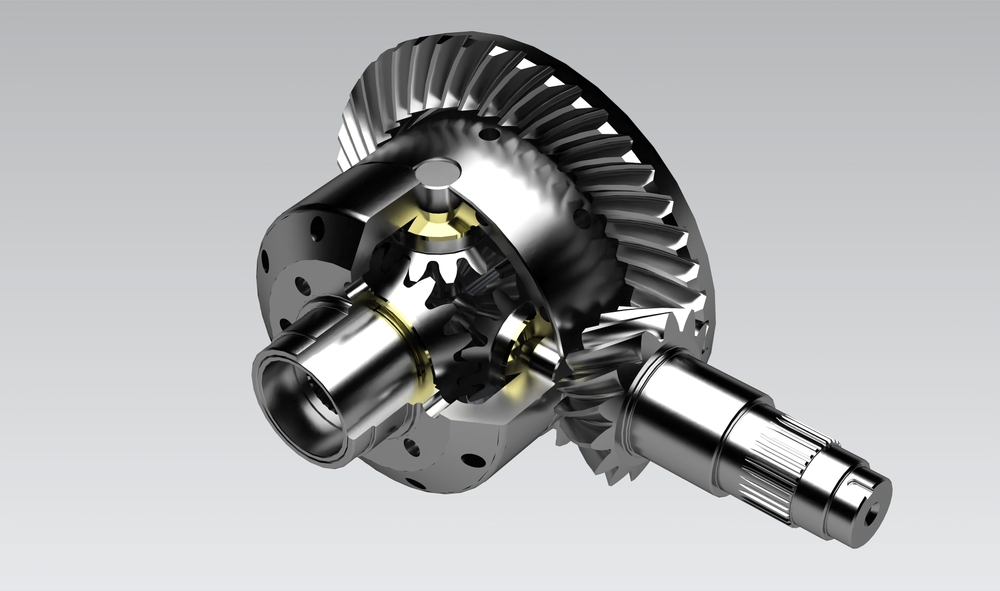
A differential gear system is designed to handle varying speeds in a vehicle’s wheels, allowing them to rotate at different rates while maintaining torque distribution. Here’s a detailed explanation of how differential gears achieve this:
1. Differential Assembly:
The differential assembly consists of several gears, including the ring and pinion gears, side gears, and spider gears. These components work together to accommodate varying speeds between the wheels.
2. Power Input:
The power is delivered to the differential gears through the driveshaft or transmission. The ring gear receives this power from the driveshaft, while the pinion gear is connected to the ring gear and transfers the rotational force to the differential assembly.
3. Speed Differences:
When a vehicle is moving in a straight line, the wheels ideally rotate at the same speed. However, during turns or when encountering different traction conditions, the wheels need to rotate at varying speeds. This is because the wheel on the outside of a turn covers a greater distance than the inside wheel, resulting in a speed differential.
4. Spider Gears:
The differential gears utilize spider gears, which are small gears located between the side gears. Spider gears allow the side gears to rotate independently of each other, accommodating the speed differences between the wheels.
5. Torque Distribution:
As the spider gears allow the side gears to rotate independently, torque is distributed between the wheels based on their speed differences. The wheel with less resistance or greater traction receives more torque, while the wheel with more resistance or lower traction receives less torque.
6. Smooth Cornering:
During turns, the inside wheel needs to rotate at a slower speed than the outside wheel. The differential gears allow this speed differentiation, enabling smooth cornering without wheel hop or tire scrubbing. By distributing torque appropriately, the differential gears ensure that both wheels receive sufficient power for optimal traction and control.
7. Limited-Slip and Locking Differentials:
In certain differential systems, such as limited-slip differentials or locking differentials, additional mechanisms are employed to further regulate speed differences and torque distribution. Limited-slip differentials use clutch packs or friction plates to provide a predetermined amount of resistance, allowing some differentiation between the wheels while still transferring power. Locking differentials lock the side gears together, ensuring equal torque distribution to both wheels, regardless of traction conditions.
8. Differential Types:
There are different types of differentials, including open differentials, limited-slip differentials, electronic differentials, torque vectoring differentials, and more. Each type utilizes specific technologies and mechanisms to handle varying speeds and torque distribution based on the vehicle’s requirements and driving conditions.
In summary, differential gears handle varying speeds in a vehicle’s wheels by utilizing a system of gears, including spider gears, side gears, ring and pinion gears. The speed differences between the wheels are accommodated by allowing independent rotation of the side gears through the spider gears. Torque distribution is adjusted to ensure optimal traction and control during turns and varying traction conditions. Additional mechanisms, such as limited-slip or locking differentials, can further regulate speed differences and torque distribution for enhanced performance and stability.
Can differential gears be used in heavy-duty trucks and commercial vehicles?
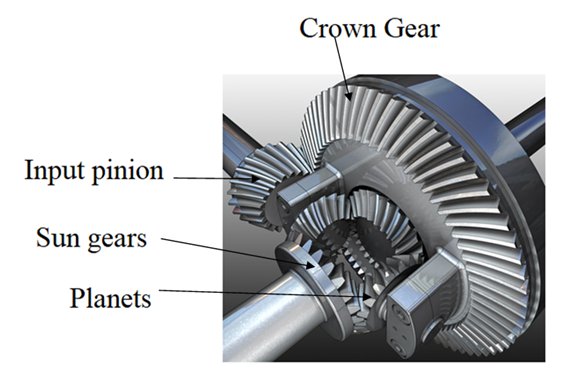
Yes, differential gears can be used in heavy-duty trucks and commercial vehicles. In fact, they are an essential component of the drivetrain in most vehicles, including those designed for heavy-duty applications. Here’s a detailed explanation:
Differential gears are crucial for effective power distribution and maneuverability, especially in vehicles with multiple axles or large payloads. Here are some reasons why differential gears are used in heavy-duty trucks and commercial vehicles:
- Torque Distribution: Differential gears enable the proper distribution of torque to the wheels. In heavy-duty trucks and commercial vehicles, which often carry heavy loads, torque needs to be transmitted efficiently to ensure adequate traction and pulling power. The differential gears allow the wheels on the same axle to rotate at different speeds, accommodating varying traction conditions and load distribution.
- Maneuverability: Heavy-duty trucks and commercial vehicles often need to navigate tight turns and maneuver in confined spaces. The differential gears assist in smooth cornering by allowing the outer wheel to rotate faster than the inner wheel during turns. This differential action helps minimize tire scrubbing and reduces stress on the tires, enhancing maneuverability and reducing wear.
- Traction Control: Differential gears play a critical role in maintaining traction on different road surfaces. In heavy-duty trucks and commercial vehicles that encounter varied terrain, such as off-road conditions or slippery surfaces, the differential gears allow power to be sent to the wheels with the most traction. This helps maximize traction and minimize wheel spin, improving vehicle stability and control.
- Load Sharing: Differential gears facilitate load sharing among multiple axles in heavy-duty trucks and commercial vehicles. Vehicles with multiple axles distribute the load across all axles, reducing stress on individual components and improving overall performance and durability. Differential gears ensure that power is appropriately distributed among the axles, optimizing load sharing and preventing excessive strain on specific wheels or axles.
- Off-Road Capability: Heavy-duty trucks and commercial vehicles often need to operate in challenging off-road conditions. Differential gears, particularly those with advanced features like limited-slip differentials or locking differentials, enhance off-road capability by improving traction and preventing wheel slippage. These differential systems provide additional power to the wheels with traction, enabling the vehicle to navigate through rough terrain more effectively.
- Efficiency and Durability: Differential gears in heavy-duty trucks and commercial vehicles are designed to handle high torque loads and endure demanding operating conditions. They are built with robust materials and precision engineering to ensure durability and long service life. Proper maintenance, including regular inspections and fluid changes, helps maintain the efficiency and performance of the differential gears, contributing to the overall reliability of the vehicle.
In summary, differential gears are indispensable in heavy-duty trucks and commercial vehicles. They enable torque distribution, enhance maneuverability, improve traction control, facilitate load sharing, enhance off-road capability, and contribute to overall efficiency and durability. These gears play a crucial role in ensuring the optimal performance and functionality of heavy-duty and commercial vehicles across various applications and operating conditions.
How does a differential gear help in turning a vehicle smoothly?
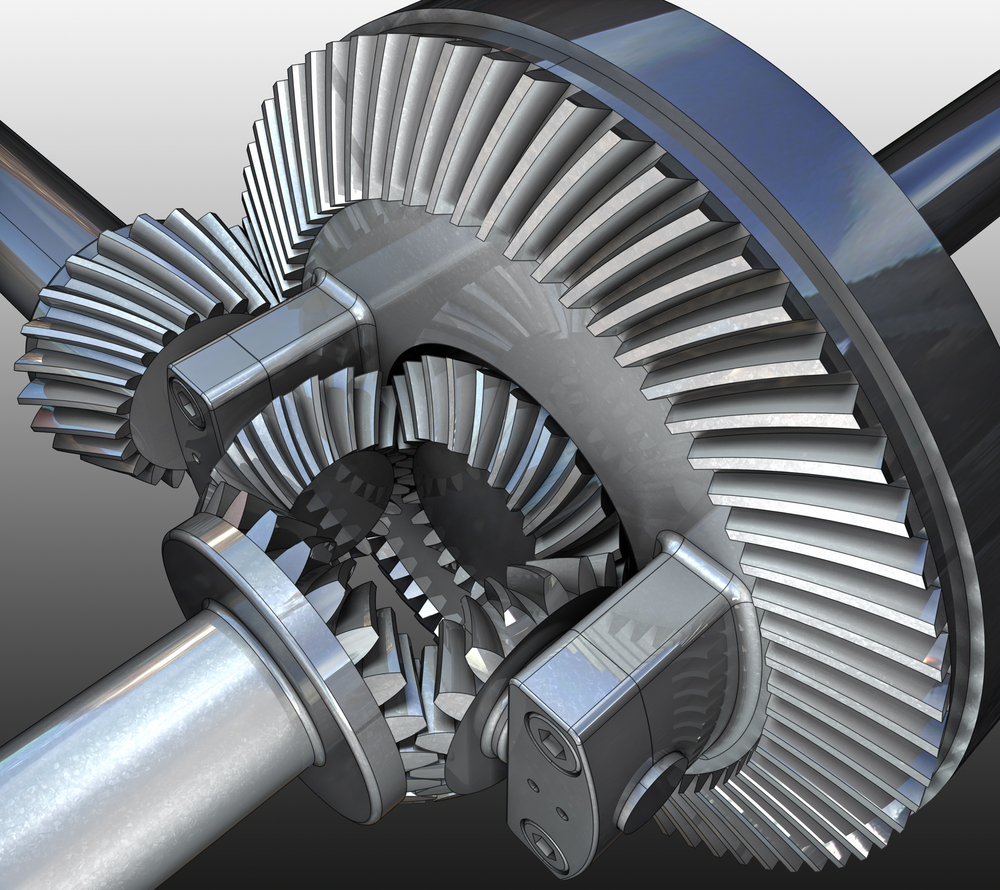
A differential gear plays a crucial role in enabling smooth turning of a vehicle. Here’s a detailed explanation:
When a vehicle turns, the wheels on the outside of the turn travel a greater distance compared to the wheels on the inside. This difference in distance would cause significant strain and binding in the drivetrain if all the wheels were rigidly connected. The differential gear solves this problem by allowing the wheels to rotate at different speeds during turns, resulting in smooth and controlled maneuvering.
1. Speed Differentiation:
The differential gear allows the wheels to rotate at different speeds while still receiving power from the engine. As the vehicle turns, the outer wheel covers a greater distance and needs to rotate faster than the inner wheel. The differential enables this speed differentiation by distributing torque unequally between the two wheels, allowing them to rotate at different rates.
2. Path Following:
By allowing the wheels to rotate at different speeds, the differential gear helps the vehicle follow the desired path during a turn. The outside wheel, which needs to cover a longer distance, rotates faster to maintain the vehicle’s trajectory. At the same time, the inside wheel rotates slower, preventing the vehicle from skidding or drifting wide during the turn. The differential ensures that both wheels work together to maintain stability and control throughout the turning process.
3. Smooth Power Transfer:
During a turn, the differential gear facilitates smooth power transfer to the wheels. By allowing the wheels to rotate at different speeds, the differential minimizes drivetrain stress and wheel scrubbing. This promotes smoother operation and reduces the likelihood of wheel hop or wheel slip, resulting in improved traction and overall control.
4. Reduction of Tire Wear:
The differential gear’s ability to differentiate wheel speeds during turns helps reduce tire wear. If the wheels were rigidly connected, they would experience excessive scrubbing and wear during turning maneuvers. The differential allows the wheels to rotate at different speeds, minimizing tire scrubbing and promoting more even tire wear. This contributes to longer tire life and better overall performance.
5. Enhanced Maneuverability:
By enabling smooth turning, the differential gear enhances the maneuverability of a vehicle. It allows for precise and controlled steering inputs, making it easier to navigate corners, curves, and tight spaces. The differential’s role in differentiating wheel speeds ensures that the vehicle can execute turns smoothly and responsively, enhancing the overall driving experience.
In summary, the differential gear helps in turning a vehicle smoothly by allowing the wheels to rotate at different speeds during turns. This speed differentiation enables the vehicle to follow the desired path, facilitates smooth power transfer, reduces tire wear, and enhances maneuverability. The differential’s ability to accommodate varying wheel speeds ensures that the vehicle can navigate turns with improved stability, control, and comfort.


editor by Dream 2024-04-23