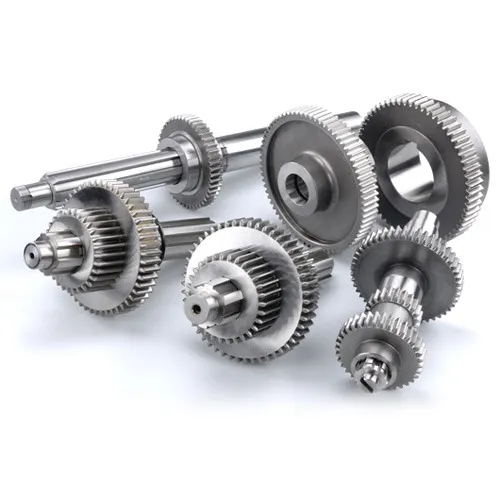
China manufacturer Hot Forged 42CrMo4 4140 1.7225 Scm440 Forged Shaft Step Hollow Shaft Gear Blnaks spurs gear
Product Description
42CrMo4 Forging ring
Brief Description
We are specialized in manufacturing different type of large mechanical products according to engineer drawings.
The products include gears, pinions, sprockets, shafts, wheels, rollers, couplings, pulleys, housings ,frames, molds, nonstandard machinery parts, wear resistant parts and structural components.
Large Diameter bearings, slewing bearings and gears are widely used in port Machinery, shield machines, floating derrick, as well as hydropower, nuclear power, marine engineering.
our advantage:
1)Competitive price.
2)Continuance service and support.
3)Diversified rich experienced skilled workers
4).Custom R&D program coordination.
5).Quality,reliability and long product life.
6).Application expertise.
7).Mature,perfect and excellence,but simple design
Forged Rings Introduction
Largest OD:8000mm
Largest Weight:15000kg
Surface Finish:3.2um Ra Or As Required.
Forging Reduction Min:3.1 Or As Required
Rought machining or Finis Machining
Forged Steel Ring Application
Gear/Transmission
Metallurgy Field
Oi1&Gas Field
Ship-buil ding
Wind Energy
Chemi stry/PRV&Pipe
Mining
Sugar Plant Machinery
Construction
Power Generation/Motors
Others
Manufacture Porcess
Test Equipment
Contract Information: Julia Zhu
/* January 22, 2571 19:08:37 */!function(){function s(e,r){var a,o={};try{e&&e.split(“,”).forEach(function(e,t){e&&(a=e.match(/(.*?):(.*)$/))&&1
| Processing Object: | Metal |
|---|---|
| Molding Style: | Forging |
| Molding Technics: | Pressure Casting |
| Application: | Machinery Parts |
| Material: | Steel |
| Heat Treatment: | Quenching |
| Customization: |
Available
| Customized Request |
|---|
How does proper lubrication and maintenance extend the life of gear shafts?
Proper lubrication and maintenance play a crucial role in extending the life of gear shafts. Adequate lubrication ensures smooth operation, reduces friction, dissipates heat, and protects against wear and corrosion. Regular maintenance helps identify and address potential issues before they escalate, ensuring the optimal functioning of gear shafts. Let’s explore the benefits of proper lubrication and maintenance in detail:
- Reduction of Friction and Wear:
Proper lubrication creates a thin film of lubricant between the engaging surfaces of gears and gear shafts. This lubricating film reduces friction, allowing the gears to rotate smoothly with minimal resistance. By minimizing friction, lubrication helps to prevent excessive wear and extends the lifespan of gear teeth and the gear shaft itself. Reduced wear also contributes to maintaining the precise tooth profiles and dimensional integrity of the gears, ensuring optimal performance.
- Heat Dissipation:
Gear systems can generate significant heat due to the mechanical forces and friction involved. Proper lubrication helps dissipate this heat by carrying it away from the contact surfaces. Effective heat dissipation prevents overheating, which can lead to thermal expansion, dimensional changes, and accelerated wear. By managing heat, lubrication helps to maintain the structural integrity of gear shafts and prevents potential damage caused by excessive temperatures.
- Protection against Corrosion:
Lubricants often contain additives that provide protection against corrosion. Gear shafts are susceptible to rust and corrosion, especially in environments with high humidity or exposure to moisture. Proper lubrication forms a protective barrier on the gear surfaces, preventing the formation of rust and corrosion. This protective layer helps to maintain the gear shafts’ integrity, preventing pitting, surface damage, and degradation over time.
- Contaminant Prevention:
Lubrication acts as a barrier, preventing contaminants such as dust, dirt, and debris from entering the gear system. These contaminants can cause abrasive wear, interfere with proper meshing of gear teeth, and lead to premature failure. Proper lubrication helps to keep the gear system clean and free from harmful particles, ensuring smooth operation and minimizing the risk of damage to gear shafts.
- Early Detection of Issues:
Regular maintenance and inspections provide an opportunity to detect and address potential issues before they escalate. During maintenance, gear systems can be checked for any signs of abnormal wear, misalignment, or damage. Timely identification of such issues allows for corrective measures to be taken, such as realigning gear shafts, replacing worn components, or adjusting lubrication practices. By addressing problems early on, the life of gear shafts can be significantly extended.
- Optimized Performance:
Proper lubrication and maintenance contribute to the overall optimized performance of gear shafts. Well-lubricated gear systems experience reduced power losses, smoother operation, and improved efficiency. Regular maintenance ensures that gear shafts and the entire gear system are in optimal condition, enabling reliable and consistent power transmission.
In summary, proper lubrication and maintenance are vital for extending the life of gear shafts. They reduce friction and wear, dissipate heat, protect against corrosion, prevent contaminants, enable early detection of issues, and optimize gear performance. By implementing appropriate lubrication practices and conducting regular maintenance, gear shafts can operate efficiently, withstand varying load conditions, and have an extended service life within the gear system.
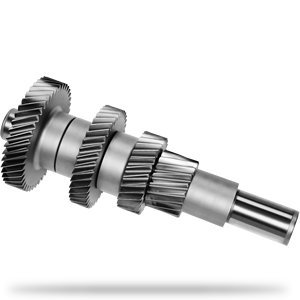
What are the factors to consider when designing gear shafts for specific applications?
Designing gear shafts for specific applications requires careful consideration of various factors to ensure optimal performance and reliability. Let’s explore the key factors that should be taken into account during the design process:
- Load and Torque Requirements:
The load and torque requirements of the specific application are crucial considerations. Understanding the maximum load the gear shaft will experience and the torque it needs to transmit is essential for selecting appropriate materials, determining the required dimensions, and ensuring the gear shaft can handle the anticipated forces effectively.
- Gear Type and Configuration:
The gear type and configuration directly influence the design of the gear shaft. Different gear types, such as spur gears, helical gears, bevel gears, or worm gears, have unique characteristics that impact the design considerations for the gear shaft. Factors such as gear tooth profile, pitch, pressure angle, and gear ratio need to be taken into account during the design process to ensure proper alignment, engagement, and efficient power transmission.
- Material Selection:
Selecting the appropriate material for the gear shaft is crucial for its strength, durability, and performance. Factors such as the required strength, wear resistance, fatigue resistance, and corrosion resistance should be considered when choosing the material. Common materials for gear shafts include various steels, alloys, and sometimes specialized materials like bronze or brass, depending on the specific application requirements.
- Shaft Dimensions and Geometry:
The dimensions and geometry of the gear shaft need to be carefully determined. Factors such as shaft diameter, length, keyways, chamfers, and fillets are important considerations. Proper shaft dimensions and geometry ensure sufficient strength, proper fit within the gear assembly, and compatibility with other components within the system.
- Bearing Support and Lubrication:
The gear shaft design should incorporate provisions for bearing support and lubrication. Bearings placed along the gear shaft help reduce friction, support the shaft under load, and ensure smooth rotation. Adequate lubrication, such as oil or grease, is necessary to minimize wear between the gear shaft and bearings, as well as to reduce heat generation and promote efficient operation.
- Heat Treatment and Surface Finish:
Depending on the application requirements, heat treatment processes like quenching and tempering may be applied to enhance the mechanical properties of the gear shaft. Heat treatment can improve hardness, strength, and toughness, increasing the gear shaft’s ability to withstand high loads and resist wear. Additionally, considering the surface finish of the gear shaft can help reduce friction, improve gear meshing, and minimize the risk of surface damage.
- Manufacturability and Cost:
Designing gear shafts should also take into account manufacturability and cost considerations. The design should be feasible for manufacturing processes such as machining, forging, or casting, depending on the chosen material and complexity of the design. The design should also aim to optimize material usage and minimize manufacturing costs while meeting the required performance criteria.
In summary, when designing gear shafts for specific applications, factors such as load and torque requirements, gear type and configuration, material selection, shaft dimensions and geometry, bearing support and lubrication, heat treatment and surface finish, as well as manufacturability and cost considerations, should all be carefully evaluated. By considering these factors, a well-designed gear shaft can be developed to meet the specific needs of the application, ensuring reliable and efficient power transmission within the gear system.
How does a gear shaft contribute to torque transmission and rotation?
A gear shaft plays a significant role in torque transmission and rotational motion within mechanical systems. It serves as the intermediary component that enables the transfer of torque between gears, allowing for the generation of rotational force and motion. Here’s a detailed explanation of how a gear shaft contributes to torque transmission and rotation:
- Torque Transmission:
A gear shaft facilitates torque transmission by connecting and engaging gears within a mechanical system. Torque is the rotational force that causes an object to rotate. When torque is applied to the gear shaft, it transfers this rotational force to the connected gears. The gears mesh with each other, and the teeth on the gears transmit the torque from the driving gear to the driven gear through the gear shaft. This torque transmission allows the rotational force to be transferred and amplified or reduced as required, enabling the machinery to generate the necessary force to perform tasks.
- Rotational Motion Transfer:
In addition to torque transmission, a gear shaft contributes to the transfer of rotational motion between gears. When one gear rotates, it meshes with another gear connected to the gear shaft. The teeth on the gears engage with each other, creating a mechanical linkage. As the driving gear rotates, it imparts its rotational motion to the gear shaft, which, in turn, transfers this motion to the driven gear. The rotational motion is transmitted through the gear shaft, allowing for the synchronized movement of various components within the mechanical system.
- Mechanical Advantage:
One of the key contributions of a gear shaft to torque transmission is the ability to provide mechanical advantage. Mechanical advantage refers to the amplification or reduction of force and torque through the use of different gear sizes or gear ratios. By connecting gears with varying numbers of teeth on the gear shaft, the gear ratio can be adjusted. Gears with more teeth provide a higher gear ratio, resulting in increased torque output but reduced rotational speed. Conversely, gears with fewer teeth offer a lower gear ratio, resulting in reduced torque output but increased rotational speed. The gear shaft enables the selection of the appropriate gear ratio to match the desired torque and speed requirements of the mechanical system.
- Torque Distribution:
A gear shaft also contributes to the distribution of torque within a mechanical system. As torque is transmitted through the gear shaft, it ensures that the force is evenly distributed across the teeth of the connected gears. This torque distribution minimizes stress concentration on individual gear teeth, promoting smooth operation and preventing premature wear or failure. The gear shaft acts as a conduit, allowing torque to flow efficiently and uniformly, ensuring reliable torque transmission and rotation.
In summary, a gear shaft plays a crucial role in torque transmission and rotation within mechanical systems. It enables the transfer of torque between gears, facilitates the transfer of rotational motion, provides mechanical advantage for torque amplification or reduction, and ensures uniform torque distribution. Gear shafts are essential components that contribute to the efficient and effective operation of machinery and mechanical systems.


editor by Dream 2024-04-23