China OEM Hard Tooth Transmission Pinion Gear Shaft for Gearbox and Reducer bevel gearbox
Product Description
Product Description
Product Parameters
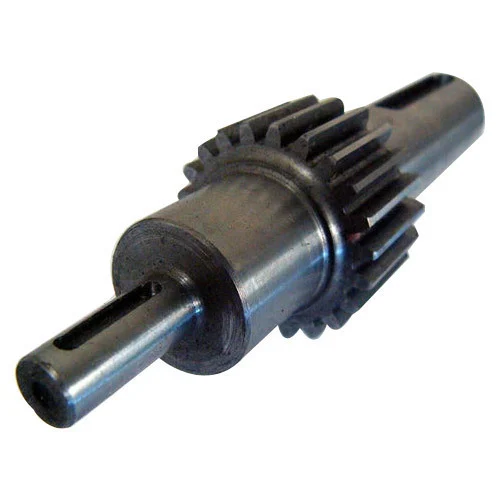
| Item | Spur Gear Axle Shaft |
| Material | 4140,4340,40Cr,42Crmo,42Crmo4,20Cr,20CrMnti, 20Crmo,35Crmo |
| OEM NO | Customize |
| Certification | ISO/TS16949 |
| Test Requirement | Magnetic Powder Test, Hardness Test, Dimension Test |
| Color | Paint , Natural Finish ,Machining All Around |
| Material | Aluminum: 5000series(5052…)/6000series(6061…)/7000series(7075…) |
| Steel: Carbon Steel,Middle Steel,Steel Alloy,etc. | |
| Stainess Steel: 303/304/316,etc. | |
| Copper/Brass/Bronze/Red Copper,etc. | |
| Plastic:ABS,PP,PC,Nylon,Delrin(POM),Bakelite,etc. | |
| Size | According to Customer’s drawing or samples |
| Process | CNC machining,Turning,Milling,Stamping,Grinding,Welding,Wire Injection,Cutting,etc. |
| Tolerance | ≥+/-0.03mm |
| Surface Treatment | (Sandblast)&(Hard)&(Color)Anodizing,(Chrome,Nickel,Zinc…)Plating,Painting,Powder Coating,Polishing,Blackened,Hardened,Lasering,Engraving,etc. |
| File Formats | ProE,SolidWorks,UG,CAD,PDF(IGS,X-T,STP,STL) |
| Sample | Available |
| Packing | Spline protect cover ,Wood box ,Waterproof membrane; Or per customers’ requirements. |
Our Advantages
Why Choose US ???
1. Equipment :
Our company boasts all necessary production equipment,
including Hydraulic press machines, Japanese CNC lathe (TAKISAWA), Korean gear hobbing machine (I SNT), gear shaping machine, machining center, CNC grinder, heat treatment line etc.
2. Processing precision:
We are a professional gear & gear shafts manufacturer. Our gears are around 6-7 grade in mass production.
3. Company:
We have 90 employees, including 10 technical staffs. Covering an area of 20000 square meters.
4. Certification :
Oue company has passed ISO 14001 and TS16949
5.Sample service :
We provide free sample for confirmation and customer bears the freight charges
6.OEM service :
Having our own factory and professional technicians,we welcome OEM orders as well.We can design and produce the specific product you need according to your detail information
Cooperation Partner
Company Profile
Our Featured Products
/* March 10, 2571 17:59:20 */!function(){function s(e,r){var a,o={};try{e&&e.split(“,”).forEach(function(e,t){e&&(a=e.match(/(.*?):(.*)$/))&&1
| Load: | Drive Shaft |
|---|---|
| Axis Shape: | Straight Shaft |
| Appearance Shape: | Round |
| Rotation: | Cw |
| Length(mm): | 77.3~108.4 |
| Yield: | 5, 000PCS / Month |
| Samples: |
US$ 0/Piece
1 Piece(Min.Order) | |
|---|
| Customization: |
Available
| Customized Request |
|---|
Can you explain the impact of gear shaft misalignment on gear performance?
Gear shaft misalignment can have a significant impact on the performance of gears within a system. When gear shafts are not properly aligned, several issues can arise, affecting the overall functionality and reliability of the gears. Let’s explore the impact of gear shaft misalignment in detail:
- Reduced Efficiency:
Misalignment causes a loss of efficiency in gear systems. When gear shafts are misaligned, the teeth of the gears do not mesh correctly, leading to increased friction and energy losses. This results in reduced power transmission efficiency, as a portion of the input power is dissipated as heat instead of being effectively transferred through the gears.
- Increased Wear and Fatigue:
Misalignment can lead to uneven contact and loading between gear teeth. This uneven distribution of forces causes localized high-stress areas on the gear teeth, leading to accelerated wear and fatigue. The concentrated stress on specific areas of the teeth can result in pitting, wear, and even tooth breakage over time. Increased wear and fatigue significantly reduce the lifespan of gears and can lead to unexpected failures.
- Noise and Vibration:
Gear shaft misalignment often results in increased noise and vibration levels within the gear system. As the misaligned teeth engage, they generate excessive noise due to impact and increased friction. The vibrations caused by the misalignment can propagate through the gear assembly and the surrounding components, causing additional noise and potentially affecting the performance and lifespan of the entire system.
- Loss of Tooth Contact:
Misalignment can cause a loss of proper tooth contact between the gears. Insufficient tooth contact reduces the load-carrying capacity of the gears and compromises the transmission of torque. The reduced contact area also increases the likelihood of localized stress concentrations, leading to premature wear and failure.
- Overloading and Unbalanced Loads:
Gear shaft misalignment can result in overloading and unbalanced loads on the gears. Misalignment can cause uneven distribution of forces, with some teeth bearing a higher load than others. This can lead to excessive stress on specific gear teeth, potentially exceeding their load-carrying capacity. Over time, the overloading of certain teeth can result in accelerated wear, tooth breakage, and even catastrophic gear failure.
- Seal and Bearing Issues:
Misalignment can also affect the performance of seals and bearings within the gear system. Misaligned gear shafts can create additional radial or axial loads on the bearings, reducing their lifespan and causing premature failure. Seal integrity can also be compromised, leading to leaks and contamination of the gear system, further exacerbating the issues associated with misalignment.
In summary, gear shaft misalignment has a detrimental impact on gear performance. It reduces efficiency, increases wear and fatigue, generates noise and vibration, causes loss of tooth contact, leads to overloading and unbalanced loads, and affects the performance of seals and bearings. Proper alignment of gear shafts is crucial to ensure optimal gear performance, longevity, and reliable power transmission within the gear system.
What is the significance of gear shaft alignment in mechanical systems?
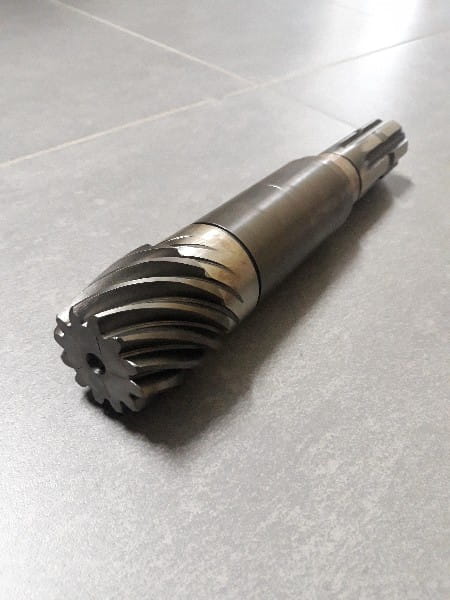
Gear shaft alignment holds great significance in mechanical systems where gears are employed. Proper alignment of gear shafts is crucial for ensuring optimal performance and longevity of the system. Let’s explore the significance of gear shaft alignment:
- Efficient Power Transmission:
Accurate alignment of gear shafts facilitates efficient power transmission within the mechanical system. When gear shafts are properly aligned, the gear teeth mesh smoothly and engage without unnecessary friction or resistance. This minimizes power losses due to misalignment, reducing energy wastage and maximizing power transfer efficiency. Efficient power transmission ensures that the mechanical system operates at its intended performance level.
- Reduced Wear and Damage:
Proper gear shaft alignment helps in reducing wear and damage to the gears and other components within the mechanical system. Misalignment can cause excessive stress on the gear teeth, resulting in accelerated wear and premature failure. By aligning the gear shafts correctly, the load is evenly distributed, preventing concentrated stress points. This leads to reduced wear, improved gear life, and decreased chances of unexpected breakdowns or malfunctions.
- Noise and Vibration Reduction:
Misalignment of gear shafts can lead to increased noise and vibration levels within the mechanical system. When gears are not properly aligned, they may generate excessive vibration and noise during operation. This can be detrimental to the overall performance and user experience. Proper gear shaft alignment ensures that the gears mesh accurately, reducing vibration and noise. It contributes to a quieter and smoother operation of the mechanical system.
- Optimal Load Distribution:
Alignment of gear shafts enables optimal load distribution among the gears. When gear shafts are aligned correctly, the load is evenly shared across the gear teeth and their supporting components. This prevents overloading of specific gears, minimizing the risk of premature wear or failure. Proper load distribution enhances the overall reliability and efficiency of the mechanical system, as each gear operates within its intended design parameters.
- Improved Efficiency:
Gear shaft alignment directly impacts the overall efficiency of the mechanical system. Proper alignment reduces energy losses due to friction, misalignment, or inefficient gear engagement. It allows for smooth and efficient power transmission throughout the system, optimizing the utilization of available energy. Improved efficiency translates into reduced operating costs, increased productivity, and enhanced performance of the mechanical system.
- Longer Service Life:
Correct gear shaft alignment contributes to a longer service life for the mechanical system. By minimizing wear, reducing stress concentrations, and preventing excessive vibration, proper alignment helps to preserve the integrity of the gears and other related components. This leads to extended service intervals, reduced maintenance requirements, and increased reliability. A mechanical system with aligned gear shafts is more likely to operate smoothly and consistently over an extended period.
In summary, gear shaft alignment is of significant importance in mechanical systems. It ensures efficient power transmission, reduces wear and damage, minimizes noise and vibration, enables optimal load distribution, improves overall efficiency, and extends the service life of the system. Proper alignment of gear shafts is essential for achieving reliable and high-performance operation in gear-based mechanical systems.
What is the purpose of using a gear shaft in machinery?
A gear shaft serves several essential purposes in machinery. It plays a crucial role in the efficient operation and transmission of power within mechanical systems. Here are the main purposes of using a gear shaft:
- Power Transmission:
A primary purpose of a gear shaft is to transmit power between different components in a machinery. When rotational force or torque is applied to the gear shaft, it transfers this power to connected gears or mechanisms. This power transmission allows for the controlled and synchronized movement of various parts, enabling the machinery to perform its intended function.
- Torque Conversion and Adjustment:
By utilizing different sizes and arrangements of gears on the shaft, the gear shaft enables torque conversion and adjustment. Gears with varying numbers of teeth can be connected to the gear shaft, allowing for torque multiplication or reduction. This capability is crucial for adapting the power output of the machinery to match specific requirements, such as increasing torque for heavy-duty operations or reducing torque for precision tasks.
- Speed Control:
Another purpose of a gear shaft is to control the speed of rotational motion in machinery. By using gears of different sizes or gear ratios on the shaft, the rotational speed can be adjusted. For instance, a smaller gear connected to the gear shaft will rotate faster, while a larger gear will rotate slower. This speed control allows for the optimization of machinery performance, ensuring that the rotational speed matches the desired application requirements.
- Directional Change:
A gear shaft also facilitates the change in rotational direction within machinery. By incorporating appropriately designed gears on the shaft, the rotational motion can be redirected by 90 degrees or any desired angle. This directional change ability is vital in machinery that requires motion to be transmitted in different directions or orientations, allowing for complex operations and versatile applications.
- Load Distribution:
Many machinery applications involve the distribution of load or force between multiple components. A gear shaft helps evenly distribute the load among connected gears and mechanisms. As torque is transmitted through the gear shaft, it ensures that the force is distributed across the teeth of the gears, minimizing stress concentration and promoting smooth operation. This load distribution enhances the overall durability and longevity of the machinery.
- Mechanical Redundancy:
In certain machinery designs, gear shafts can provide mechanical redundancy. By incorporating multiple gear shafts that operate in parallel, the machinery can maintain functionality even if one of the gear shafts fails. This redundancy ensures that the machinery continues to operate with minimal disruption, reducing downtime and improving overall reliability.
In summary, the purpose of using a gear shaft in machinery is to enable power transmission, torque conversion and adjustment, speed control, directional change, load distribution, and mechanical redundancy. Gear shafts are essential components that contribute to the efficient and effective operation of various mechanical systems.


editor by CX 2024-02-08