China OEM High Quality Open Gear Box Single Ratio 1: 10 18 Teeth Gears spurs gear
Product Description
Product Description
Thickened box, strong power, wear resistance, low noise.
Mainly used for electric tricycle, four-wheeler, TukTuk, golf cart, sightseeing car, cleaning car and other models.
Product Parameters
| Ratio | 1:10 |
| Axle shaft spline: | 18teeth |
Detailed Photos
Opened gear box
Product Drawing
Please contact our customers service for details
Packaging & Shipping
Company Profile
ZheJiang Jujie Electromechanical Co., Ltd. has been established for 14 years, located in the Development zone of Xihu (West Lake) Dis. County, HangZhou City, ZheJiang Province,is committed to providing customers with a complete set of pure electric system solutions.It has five intelligent workshops, covering an area of 70,000 m2, independent R&D and production of motor, gearbox, rear axle, controller and gear, and truly realizes the integration of a full set of powertrain systems. Jujie has reached strategic cooperation with many electric vehicle enterprises in the electric tricycle, electric four-wheeler, special vehicle, passenger car and other industries, and has become their stable supporting supplier.
In 2014, Jujie set up a R&D center in ZheJiang Xihu (West Lake) Dis. CaoHangZhoug Hi-Tech Industrial Park, with a R&D team of more than 100 people. It has 13 invention patents, 87 utility model patents and 9 software patents,according to the needs of customers tailored to the more advanced technology, more stable quality of various types of electric drive products. We have a number of domestic authoritative certification: CQC, ISO9001,ISO14001,3C, CE . With professional technical support, excellent product quality and perfect after-sales service, Jujie has become the first choice of hundreds of high-quality customers around the world.
At present, Jujie products have been sold in 36 countries and regions around the world, mainly concentrated in Southeast Asia, South Asia, South America, the Middle East and Western Europe . We make unremitting efforts to exceed customer needs!
/* March 10, 2571 17:59:20 */!function(){function s(e,r){var a,o={};try{e&&e.split(“,”).forEach(function(e,t){e&&(a=e.match(/(.*?):(.*)$/))&&1
| After-sales Service: | Other |
|---|---|
| Warranty: | Other |
| Shell: | Thickened Case |
| Customization: |
Available
| Customized Request |
|---|
.shipping-cost-tm .tm-status-off{background: none;padding:0;color: #1470cc}
|
Shipping Cost:
Estimated freight per unit. |
about shipping cost and estimated delivery time. |
|---|
| Payment Method: |
|
|---|---|
|
Initial Payment Full Payment |
| Currency: | US$ |
|---|
| Return&refunds: | You can apply for a refund up to 30 days after receipt of the products. |
|---|
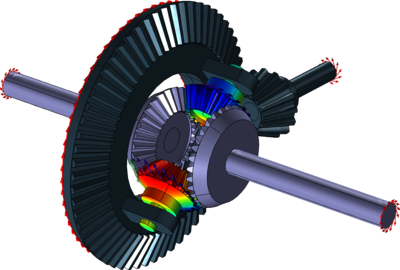
Can you provide examples of vehicles that use differential gears?
Differential gears are utilized in various types of vehicles to enable smooth and efficient power distribution to the wheels. Here are some examples of vehicles that use differential gears:
1. Passenger Cars:
Most passenger cars, including sedans, hatchbacks, and SUVs, are equipped with differential gears. These gears are typically found in the rear axle of rear-wheel-drive vehicles or in both the front and rear axles of all-wheel-drive vehicles. Differential gears allow the wheels to rotate at different speeds while maintaining power transfer, ensuring smooth cornering and traction on different road surfaces.
2. Trucks and Pickup Trucks:
Trucks and pickup trucks commonly employ differential gears to enhance their performance, especially for towing, hauling, and off-road applications. Rear-wheel-drive trucks utilize differential gears in the rear axle, while many modern trucks also feature all-wheel-drive or four-wheel-drive systems with differential gears in both the front and rear axles. These differential gears enable improved traction, power distribution, and maneuverability in various driving conditions.
3. SUVs and Crossovers:
Sport utility vehicles (SUVs) and crossovers often incorporate differential gears to provide enhanced off-road capability and all-weather performance. Many SUVs are equipped with all-wheel-drive or four-wheel-drive systems that utilize differential gears in the front and rear axles. These gears allow power transfer between the wheels and enable optimal traction on different terrains, making SUVs well-suited for off-road adventures and challenging driving conditions.
4. Sports Cars and Performance Vehicles:
Sports cars and high-performance vehicles often employ advanced differential systems for improved handling, stability, and performance. Examples include limited-slip differentials, electronic differentials, or torque vectoring differentials. These systems use differential gears in combination with advanced technologies to distribute torque to the wheels based on driving conditions, enhancing traction, cornering ability, and overall vehicle dynamics.
5. Off-Road Vehicles and SUVs:
Differential gears are essential components in off-road vehicles designed for rugged terrains and extreme driving conditions. Vehicles such as dedicated off-road SUVs, trucks, and specialized off-road vehicles like Jeeps and Land Rovers utilize differential gears, including locking differentials, to maximize traction and improve off-road performance. These gears allow for better wheel articulation, independent wheel movement, and power distribution to overcome obstacles and maintain traction on challenging off-road trails.
6. Commercial and Heavy-Duty Vehicles:
Commercial trucks, buses, and heavy-duty vehicles utilize differential gears to handle the demands of heavy loads and challenging driving conditions. Differential gears in these vehicles help distribute torque to the drive wheels efficiently, ensuring better traction, stability, and power transfer. They are critical for the performance and safety of large commercial vehicles that operate under varying load and road conditions.
7. Racing Cars:
In racing, differential gears play a vital role in enhancing performance and handling characteristics. High-performance racing cars, including Formula 1 cars, rally cars, and sports prototypes, utilize advanced differential systems that allow precise control of power distribution to optimize acceleration, cornering, and stability during high-speed maneuvers.
In summary, differential gears are utilized in a wide range of vehicles, including passenger cars, trucks, SUVs, sports cars, off-road vehicles, commercial vehicles, and racing cars. These gears are integral to achieving optimal power distribution, traction, and maneuverability in various driving conditions and applications.
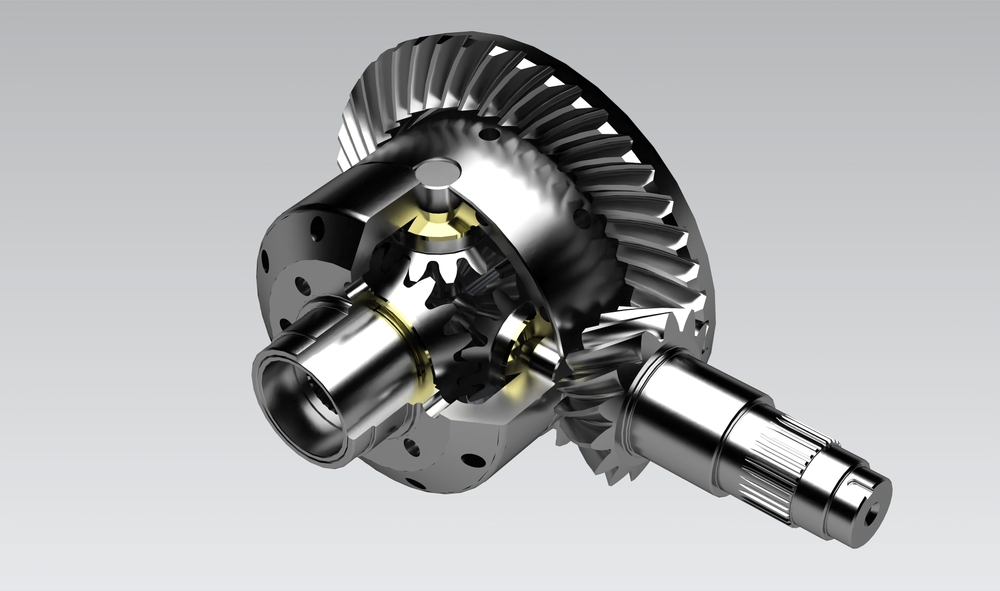
What are the considerations for choosing the right type of differential gear for a vehicle?
When selecting the appropriate type of differential gear for a vehicle, several considerations come into play. Choosing the right differential gear involves assessing factors such as vehicle characteristics, intended use, driving conditions, and desired performance. Here’s a detailed explanation of the considerations for choosing the right type of differential gear:
- Vehicle Type: The type of vehicle, whether it’s a passenger car, SUV, truck, or performance vehicle, plays a significant role in determining the appropriate differential gear. Different types of vehicles have varying weight distributions, power outputs, and handling characteristics, which influence the optimal choice of differential gear.
- Driving Conditions: The intended driving conditions are crucial in selecting the right differential gear. Factors such as road surface, weather conditions, and terrain should be considered. For example, vehicles driven primarily on paved roads may benefit from different differential gear options compared to off-road vehicles that frequently encounter challenging terrain or vehicles that operate in regions with snowy or icy conditions.
- Performance Requirements: The desired performance attributes of the vehicle are important considerations. Some drivers prioritize acceleration and high-speed performance, while others focus on off-road capabilities, towing capacity, or fuel efficiency. Differential gears can be chosen to optimize specific performance aspects, such as maximizing traction, improving handling, enhancing torque delivery, or achieving better fuel economy.
- Traction Needs: The level of traction required is a key factor in selecting the right differential gear. Vehicles that need maximum traction in challenging conditions, such as racing cars, off-road vehicles, or vehicles used in low-grip environments, may benefit from limited-slip differentials or locking differentials. These differential types help distribute power to the wheels with the most grip, enhancing traction and maintaining vehicle control.
- Driving Dynamics: The desired driving dynamics and handling characteristics also influence the choice of differential gear. Some drivers prefer a more predictable and balanced handling, while others may desire more aggressive cornering capabilities. Differential gears with specific characteristics, such as torque vectoring differentials, can enhance these driving dynamics by actively managing torque distribution between individual wheels.
- Budget: Cost considerations are also significant when choosing a differential gear. Different types of differential gears vary in terms of complexity, features, and pricing. It’s essential to evaluate the budget constraints and weigh the cost against the desired performance benefits and requirements.
In summary, selecting the right type of differential gear for a vehicle involves considering factors such as vehicle type, driving conditions, performance requirements, traction needs, driving dynamics, and budget. By carefully assessing these considerations, drivers can choose a differential gear that aligns with their vehicle’s characteristics, intended use, and performance objectives, ultimately enhancing traction, handling, and overall driving experience.
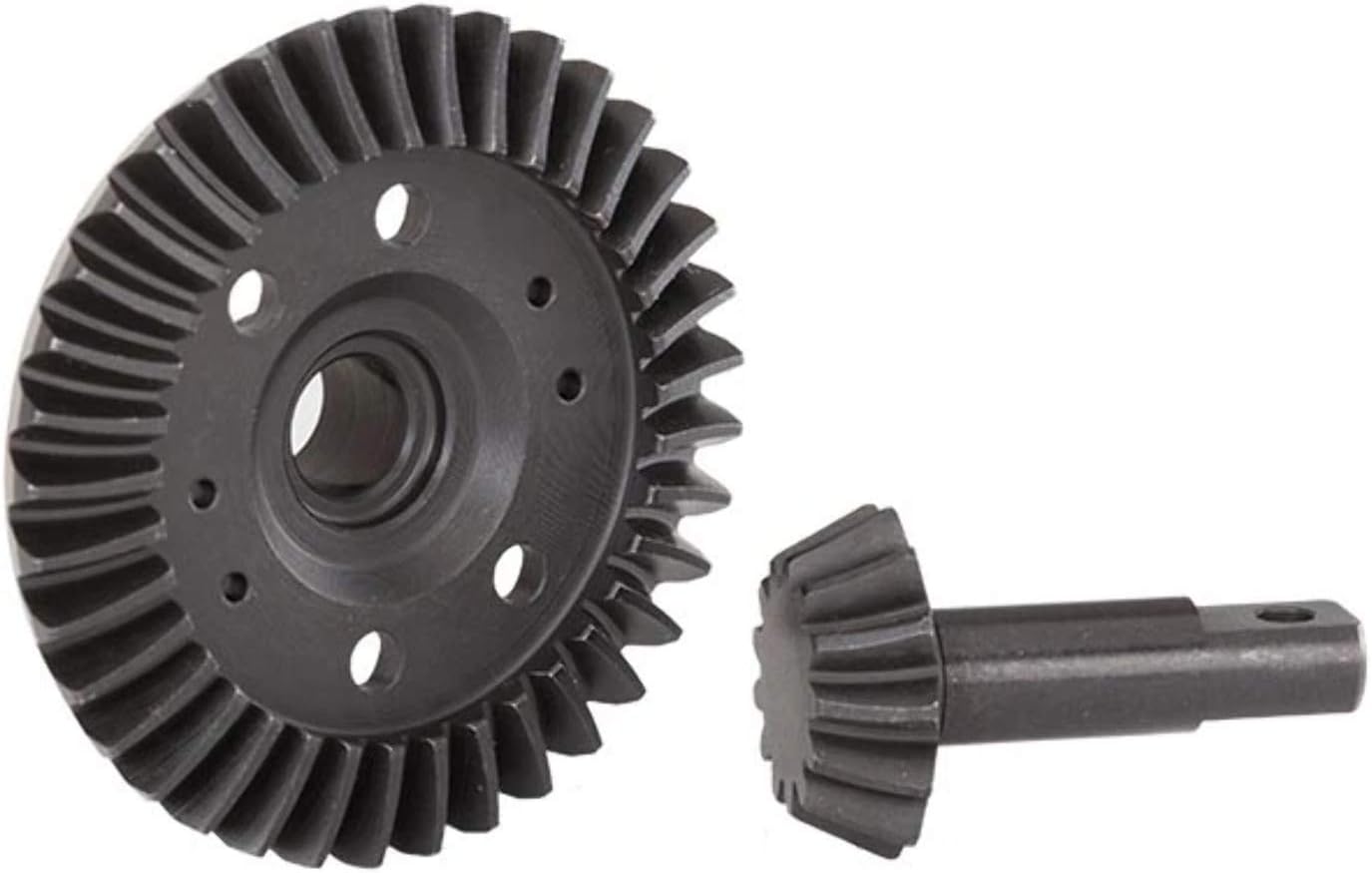
What is a locking differential, and when is it used?
A locking differential is a specialized type of differential gear that provides maximum traction in challenging driving conditions. Here’s a detailed explanation:
Definition:
A locking differential, also known as a locker, is a mechanism that locks the rotation of the two wheels on an axle together, ensuring they both receive equal torque simultaneously. Unlike open differentials or limited-slip differentials, which allow the wheels to rotate at different speeds, a locking differential forces both wheels to turn together, regardless of traction conditions.
Function:
The primary function of a locking differential is to maximize traction. By mechanically linking the two wheels on an axle, a locking differential ensures that both wheels receive an equal amount of torque, regardless of the traction available to each wheel. This feature is particularly useful in off-road or extreme driving conditions where maintaining traction on all wheels is crucial.
Usage:
A locking differential is typically used in situations where improved traction is essential. Here are some scenarios where a locking differential is commonly employed:
1. Off-Road Driving:
Off-road enthusiasts often encounter challenging terrains with uneven surfaces, deep mud, rocks, or slippery conditions. In these situations, a locking differential can provide maximum traction by ensuring that both wheels on an axle rotate together. This helps prevent wheel spin and increases the likelihood of successfully navigating through difficult obstacles.
2. Rock Crawling:
Rock crawling involves traversing over large rocks and boulders, where maintaining traction is crucial. A locking differential allows both wheels to maintain contact with the ground simultaneously, providing better grip and stability. This enables the vehicle to crawl over rocks with minimal wheel spin and improved control.
3. Towing and Hauling:
When towing or hauling heavy loads, a locking differential can enhance traction and stability. The additional torque applied to both wheels helps prevent wheel slip and provides better power transfer to the ground. This is particularly useful in situations where the load may affect weight distribution and traction on the drive wheels.
4. Extreme Weather Conditions:
In certain weather conditions such as deep snow, ice, or mud, a locking differential can offer improved traction. By ensuring that both wheels on an axle rotate together, a locking differential helps mitigate wheel slip and enhances the vehicle’s ability to maintain forward momentum even in low-traction environments.
5. Off-Road Racing:
In off-road racing, where high-performance vehicles face demanding terrains and aggressive maneuvers, locking differentials are often utilized. The maximum traction provided by a locking differential allows for better acceleration, cornering, and overall performance in challenging racing conditions.
It’s important to note that while a locking differential offers superior traction, it can also negatively impact handling and maneuverability on paved surfaces. Due to the locked wheel rotation, turning becomes more difficult, and tire scrubbing may occur. Therefore, locking differentials are predominantly used in specialized applications or off-road vehicles designed for demanding environments.
In summary, a locking differential is a mechanism that locks the rotation of both wheels on an axle together, maximizing traction in challenging driving conditions. It is commonly used in off-road driving, rock crawling, towing and hauling, extreme weather conditions, and off-road racing, where maintaining traction is crucial for performance and stability.


editor by CX 2024-01-10