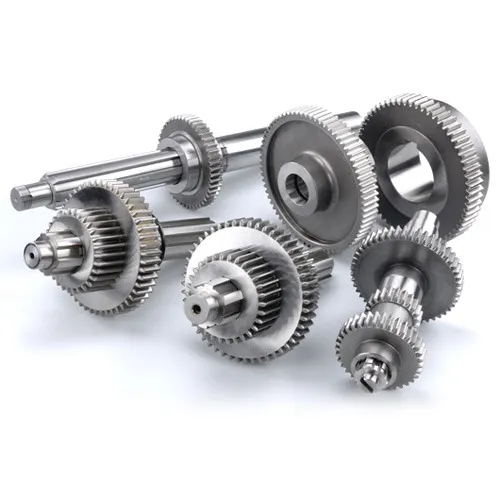
China Professional Stainless Steel Forging Manufacturers Forging Shaft for Gear, Pinion and Girth Ring bevel gearbox
Product Description
F55 stainless steel flange A182/F304L/F316L tube plate forging blank tube sheet
Our Advantages
1,We have advanced forging equipments, including ring rolling machines, 1000T hydraulic presses, 750kg forging hammers, 1T air hammers, 2T, 3T, 10T hydraulic forging hammers, etc. It can produce various types of forgings from 10kg to 10 tons. Whether it is free forging or simple die forging products, the company can meet the requirements for forgings of various shapes.
2,In addition, we are also equipped with several heat treatment furnaces (equipment) to ensure that forgings meet their performance requirements after heat treatment.
3, In order to ensure product quality, the company has a well-equipped laboratory that can conduct precise laboratory analysis of raw materials and mechanical properties.
4,At the same time, the company also introduced high-precision processing equipment such as CNC lathes, machining centers, deep hole processing equipment, and milling machines to achieve full independent production from forgings to finished products.
5,It is worth mentioning that our entire production process is controlled independently and there is no outsourced processing. This means that every step from raw material procurement, forging processing, heat treatment to finished product delivery is strictly controlled by us.
6,Through refined management and cost control, we are able to provide customers with more competitive prices while ensuring product quality.
Product Description
1, Raw material: use ESR ingot. ESR need to melt twice, secondary refining process.Non metallic inclusions in steel are absorbed by slag.
2, Heat – Natural gas heating furnaces are monitored and controlled by computer programs to ensure precise heating within set time and temperature range as required.
3, Forging
4, Normalized:can improve the toughness of steel
5, Aligning
6, Pre-machining
7, Make UT (ultrasonic) inspection
8, Heat treatment: Quenching&Tempering, to meet mechanical performance requirements.
9, Deep hole drilling
10, Precision machining, to achieve dimenssion on drawings.
The materials we can forging
| Stainless Steel: | SS201,SS301, SS303, SS304, SS316, SS316L,SS416 ,AISI 440C,17-4PH etc. |
| Steel/Alloy: | mild steel, Carbon steel, 4140, 4340,65Mn,60Si2Mn, Q235, Q345B, 1571steel, 1045steel,A106,A105, A570-50,CR-MO4130,Astm A487 grade 9A, 52100 Bearing steel ,S45c, Sm490A, AVP/S235JRG2,DD14, 1.0037 ,etc, ASTM 1197-47, 25CRMO4V,SCM435, 11SMNPB30,1. 0571 ,.A36 |
| Brass: | HPb63, HPb62, HPb61, HPb59, H59, H62, H68, H80 ,Bronze 660, C93200,Bronze CDA873 or 956,CDA873,C95600,MAILEABLE IRON ASTM A47-77, etc. |
| Copper: | C11000,C12000,C12000 C36000,C100 etc. |
| Aluminum: | AL1100,AL6061, Al6063-T6, AL6082, AL7075, AL5052, A380 etc. |
| Titanium: | CP Ti,Ti-6Al-4V, Ti-6Al-4V Eli,Ti-3Al-2.5V,Ti-5Al-2.5Sn, Ti-5Al-2.5Sn Eli,Ti-0.05Pd, Ti-0.2Pd, Ti-6Al-7Nb,Ti-13Nb-13Zr,Ti-0.1Ru,Ti-3Al-8V-6Cr-4Mo-4Zr,Ti-6Al-4V-0.1Ru,Etc. |
| The Surface Treatment: | Zinc plating, Chrome plating, Nickel plating, Tin plating, Polishing, Anodizing, Power-coating, Dacromet, Oxide black, Sandblast Anodizing, Electroless nickel, Fe/Zn8/C PER ISO 2081, etc. |
Detailed Photos
/* January 22, 2571 19:08:37 */!function(){function s(e,r){var a,o={};try{e&&e.split(“,”).forEach(function(e,t){e&&(a=e.match(/(.*?):(.*)$/))&&1
| Processing Object: | Metal |
|---|---|
| Molding Style: | Forging |
| Molding Technics: | Pressure Casting |
| Application: | Machinery Parts |
| Material: | Steel |
| Heat Treatment: | Quenching |
| Samples: |
US$ 1/Piece
1 Piece(Min.Order) | |
|---|
| Customization: |
Available
| Customized Request |
|---|
How does proper lubrication and maintenance extend the life of gear shafts?
Proper lubrication and maintenance play a crucial role in extending the life of gear shafts. Adequate lubrication ensures smooth operation, reduces friction, dissipates heat, and protects against wear and corrosion. Regular maintenance helps identify and address potential issues before they escalate, ensuring the optimal functioning of gear shafts. Let’s explore the benefits of proper lubrication and maintenance in detail:
- Reduction of Friction and Wear:
Proper lubrication creates a thin film of lubricant between the engaging surfaces of gears and gear shafts. This lubricating film reduces friction, allowing the gears to rotate smoothly with minimal resistance. By minimizing friction, lubrication helps to prevent excessive wear and extends the lifespan of gear teeth and the gear shaft itself. Reduced wear also contributes to maintaining the precise tooth profiles and dimensional integrity of the gears, ensuring optimal performance.
- Heat Dissipation:
Gear systems can generate significant heat due to the mechanical forces and friction involved. Proper lubrication helps dissipate this heat by carrying it away from the contact surfaces. Effective heat dissipation prevents overheating, which can lead to thermal expansion, dimensional changes, and accelerated wear. By managing heat, lubrication helps to maintain the structural integrity of gear shafts and prevents potential damage caused by excessive temperatures.
- Protection against Corrosion:
Lubricants often contain additives that provide protection against corrosion. Gear shafts are susceptible to rust and corrosion, especially in environments with high humidity or exposure to moisture. Proper lubrication forms a protective barrier on the gear surfaces, preventing the formation of rust and corrosion. This protective layer helps to maintain the gear shafts’ integrity, preventing pitting, surface damage, and degradation over time.
- Contaminant Prevention:
Lubrication acts as a barrier, preventing contaminants such as dust, dirt, and debris from entering the gear system. These contaminants can cause abrasive wear, interfere with proper meshing of gear teeth, and lead to premature failure. Proper lubrication helps to keep the gear system clean and free from harmful particles, ensuring smooth operation and minimizing the risk of damage to gear shafts.
- Early Detection of Issues:
Regular maintenance and inspections provide an opportunity to detect and address potential issues before they escalate. During maintenance, gear systems can be checked for any signs of abnormal wear, misalignment, or damage. Timely identification of such issues allows for corrective measures to be taken, such as realigning gear shafts, replacing worn components, or adjusting lubrication practices. By addressing problems early on, the life of gear shafts can be significantly extended.
- Optimized Performance:
Proper lubrication and maintenance contribute to the overall optimized performance of gear shafts. Well-lubricated gear systems experience reduced power losses, smoother operation, and improved efficiency. Regular maintenance ensures that gear shafts and the entire gear system are in optimal condition, enabling reliable and consistent power transmission.
In summary, proper lubrication and maintenance are vital for extending the life of gear shafts. They reduce friction and wear, dissipate heat, protect against corrosion, prevent contaminants, enable early detection of issues, and optimize gear performance. By implementing appropriate lubrication practices and conducting regular maintenance, gear shafts can operate efficiently, withstand varying load conditions, and have an extended service life within the gear system.
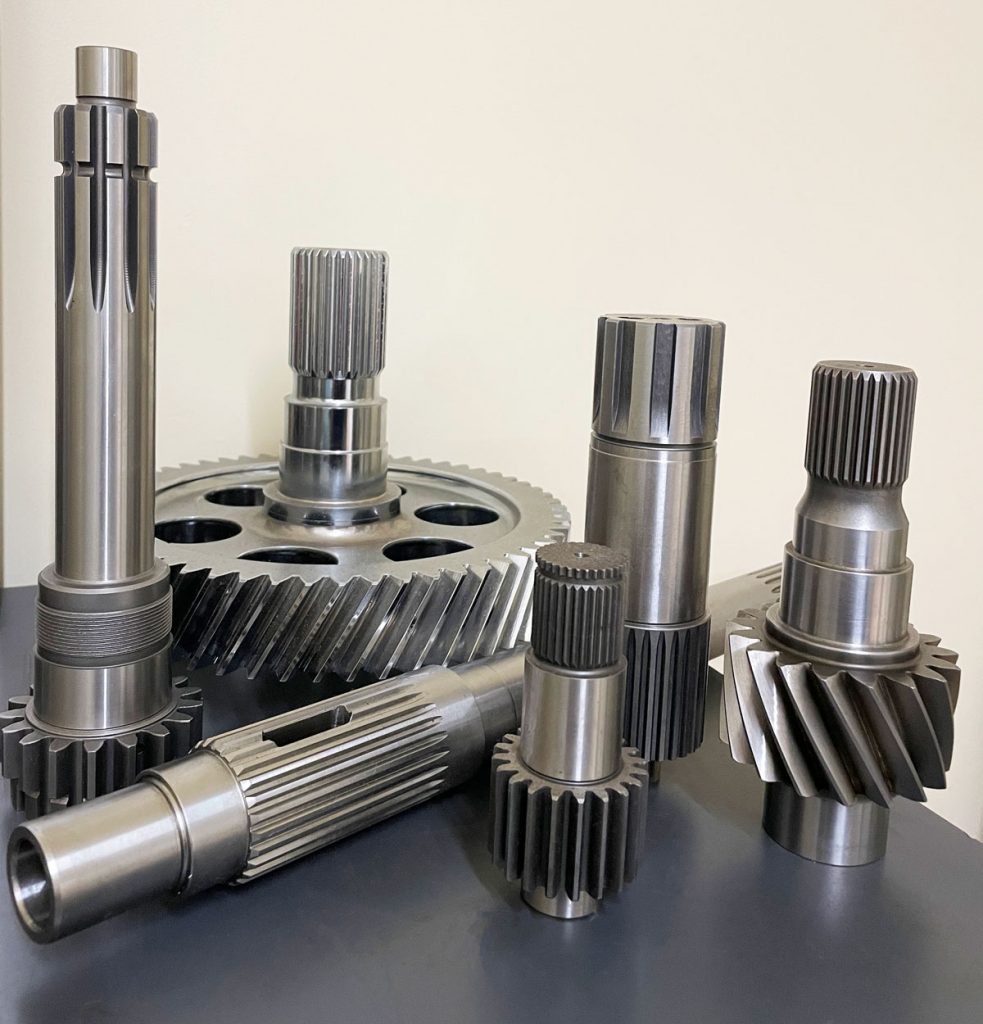
How do gear shafts affect the overall operation and efficiency of gear systems?
Gear shafts play a crucial role in determining the overall operation and efficiency of gear systems within mechanical applications. They impact various aspects of gear system performance. Let’s explore how gear shafts affect the overall operation and efficiency:
- Power Transmission:
Gear shafts are responsible for transmitting power between gears in a gear system. The design and construction of the gear shaft directly influence the efficiency of power transmission. Proper alignment, accurate dimensions, and precise machining of the gear shaft ensure smooth rotation and optimal meshing of gear teeth. This reduces power losses due to friction, misalignment, or inefficient engagement, resulting in improved power transmission efficiency.
- Load Carrying Capacity:
Gear shafts bear the load and torque generated within a gear system. Their structural integrity and material properties determine the load carrying capacity of the gear system. A well-designed and robust gear shaft can withstand high loads without deformation or failure. By effectively distributing the load across the gear arrangement, gear shafts enhance the overall efficiency of the system and prevent premature wear or damage to the gears.
- Alignment and Gear Meshing:
Gear shafts ensure proper alignment and gear meshing within the gear system. Accurate machining and precise tolerances of the gear shaft facilitate the correct positioning of gears, ensuring optimal contact and engagement between gear teeth. Improper alignment or misalignment due to a faulty gear shaft can result in increased friction, noise, vibration, and reduced efficiency. Conversely, a well-designed gear shaft promotes smooth gear meshing, minimizes energy losses, and enhances the overall efficiency of the gear system.
- Reduction of Backlash:
Backlash refers to the slight play or gap between the meshing gear teeth. Gear shafts, when properly designed and manufactured, help reduce backlash within the gear system. By ensuring accurate alignment and precise tooth engagement, gear shafts minimize the amount of backlash, which can cause vibration, noise, and energy losses. Reduced backlash improves the efficiency of the gear system by enhancing the transfer of rotational motion and minimizing power dissipation.
- Smooth Operation and Reduced Wear:
A well-designed gear shaft enables smooth operation and reduces wear within the gear system. The accurate meshing of gear teeth facilitated by the gear shaft results in reduced friction and wear on the gears. Proper lubrication and the use of high-quality materials further contribute to minimizing wear and extending the lifespan of the gear system components. Smooth operation and reduced wear translate to improved efficiency, as energy losses due to friction and component degradation are minimized.
- Efficiency in Speed and Torque Conversion:
Gear shafts allow for efficient speed and torque conversion within gear systems. By incorporating different gear arrangements on a single gear shaft, it becomes possible to achieve specific speed and torque requirements. The gear ratios and sizes chosen for the gear arrangement on the gear shaft determine the conversion efficiency. Well-designed gear shafts enable precise speed and torque transmission, resulting in efficient power utilization and optimized performance of the gear system.
In summary, gear shafts significantly impact the overall operation and efficiency of gear systems. They influence power transmission efficiency, load carrying capacity, gear alignment and meshing, reduction of backlash, smooth operation and reduced wear, as well as speed and torque conversion efficiency. Proper design, construction, and maintenance of gear shafts are essential for maximizing the overall performance and efficiency of gear systems in mechanical applications.
How does a gear shaft contribute to torque transmission and rotation?
A gear shaft plays a significant role in torque transmission and rotational motion within mechanical systems. It serves as the intermediary component that enables the transfer of torque between gears, allowing for the generation of rotational force and motion. Here’s a detailed explanation of how a gear shaft contributes to torque transmission and rotation:
- Torque Transmission:
A gear shaft facilitates torque transmission by connecting and engaging gears within a mechanical system. Torque is the rotational force that causes an object to rotate. When torque is applied to the gear shaft, it transfers this rotational force to the connected gears. The gears mesh with each other, and the teeth on the gears transmit the torque from the driving gear to the driven gear through the gear shaft. This torque transmission allows the rotational force to be transferred and amplified or reduced as required, enabling the machinery to generate the necessary force to perform tasks.
- Rotational Motion Transfer:
In addition to torque transmission, a gear shaft contributes to the transfer of rotational motion between gears. When one gear rotates, it meshes with another gear connected to the gear shaft. The teeth on the gears engage with each other, creating a mechanical linkage. As the driving gear rotates, it imparts its rotational motion to the gear shaft, which, in turn, transfers this motion to the driven gear. The rotational motion is transmitted through the gear shaft, allowing for the synchronized movement of various components within the mechanical system.
- Mechanical Advantage:
One of the key contributions of a gear shaft to torque transmission is the ability to provide mechanical advantage. Mechanical advantage refers to the amplification or reduction of force and torque through the use of different gear sizes or gear ratios. By connecting gears with varying numbers of teeth on the gear shaft, the gear ratio can be adjusted. Gears with more teeth provide a higher gear ratio, resulting in increased torque output but reduced rotational speed. Conversely, gears with fewer teeth offer a lower gear ratio, resulting in reduced torque output but increased rotational speed. The gear shaft enables the selection of the appropriate gear ratio to match the desired torque and speed requirements of the mechanical system.
- Torque Distribution:
A gear shaft also contributes to the distribution of torque within a mechanical system. As torque is transmitted through the gear shaft, it ensures that the force is evenly distributed across the teeth of the connected gears. This torque distribution minimizes stress concentration on individual gear teeth, promoting smooth operation and preventing premature wear or failure. The gear shaft acts as a conduit, allowing torque to flow efficiently and uniformly, ensuring reliable torque transmission and rotation.
In summary, a gear shaft plays a crucial role in torque transmission and rotation within mechanical systems. It enables the transfer of torque between gears, facilitates the transfer of rotational motion, provides mechanical advantage for torque amplification or reduction, and ensures uniform torque distribution. Gear shafts are essential components that contribute to the efficient and effective operation of machinery and mechanical systems.


editor by Dream 2024-05-06