China Professional Stamped Steel Differential Covers Gear and Axle Parts wholesaler
Product Description
Our company use the raw material from BaoSteel with raw material certificate for every batch of incoming coil .
Apply to braze copper welding by welding robot, All oil pan sump cover assemblies then receive excellent surfacetreatment to meet corrosion resistance requirement.
Each oil pan went though by leaking test before delivery
Thanks to our customer the reason why we were standing here today
We focus on the stamping forming bending welding part for almost 30 years.
Founded in 1992, Started exporting in 2008, which is now covered more than 10000 square CHINAMFG and with 439 employee.
We fully carry out the TS 16949 quanlity management system with manufactory.Start from raw material incoming inspection to container loading .
Continuous improvemnet:ACT-PLAN-DO -CHECK
Raw material incoming inspection :
Raw material incoming inspection :
1.Five element analyzer
Automatic five element analyzer carbon sulfur manganese silicon phosphorus chemical element spectrum analyzer
Any type of the element out of specification will Affecting mechanical properties
Raw material incoming inspection :
2.Mechanical Properties
Only tensile strength, yield strength and elongation of raw materials meet the requirements can move into mass productions.
Decoiler
We bought the raw material by coil from the steel company ,we decoiler the steel sheet by ourslef ,which will save the cost and lead time for mass productions.
Laser cutting for the steel sheet
When produce the sample or the small batch of the product we normally use the laser cutting insted of the stamping blanking.
Tooling mold Prepare
We simulated the workpiece by J-STAMPING software ,then we design the mold for metal sheet part ,not only it short the leadtime for development but also saving the cost for customer.
Mold Workshop Warehouse
We can design and manufacture molds according to customer requirements,2500 square meter special for stamping mold warehouse.
CNC machining center
We introduce 5pcs of CNC machine ,all of them with 5 Axis not only they can produce the mold and tooling but also they can carry out some part of machine job.
The capacity of the CNC machine was :25000*1800*1000mm
Stamping Workshop
Overview of the Stamping workshop with cover the
Stamping equipment from 100T to 800T.
Hydraulic Press cover from 50T to 3100T.
With the mold(die,tooling) produce by ourselves we can customize all kinds of metal shape according to customer drawing call out.
Metal sheet bending by machine without mold or tooling help by press or stamping machine
Bending Workshop
CNC bending machine with servo control precise control the tolerance according to customer requirement.
The capacity of bending diameter reach to Φ135mm.
Welding Workshop
Welding robot with Synchronous workstation introduce from CHINAMFG Japan ,we had 23pcs welding arm with 64 pcs working stations,sheild welding support by Continuous gas supply station.
Brazing Welding For Pipe
Pipe with brazing welding can get perfect out appearance also reduce leaking on welding area.
Spot Welding (Resistance welding)
The ABB resistance welding robot can improve the welding joint strength also Improve spot welding efficiency.Reduce defects of traditional spot welding.
Surface Treatment
The coating line improves the efficiency, reduces the pollution to the environment, and the wastewater discharge after industrial treatment reaches the national standard.
Salt and spry test
Each batch of the surface treatment should go though the test before packing and shipment
Inspection tooling calibration by CMM
The inspecion calibration was a key job to ensure the quality of working piece.
Dimension Inspection
The mold and inspect gauge also the PPAP part was inspect by the CMM and Handy scHangZhou equipment.
ERP System In Our Company
All data support by ERP System, Cover From Raw Material Incoming To Shipment.
Customer Audit
* Evaluate the quality of customer service.
* Compare the quality with previously established goals.
* Identify gaps for improvement.
* Find ways to improve customer service.
* Gather all of the required data with Live Agent.
* Check activities.
Company Team
Team Working Together For Bright Future
ENJOY THE WORK, ENJOY THE LIFE.
/* March 10, 2571 17:59:20 */!function(){function s(e,r){var a,o={};try{e&&e.split(“,”).forEach(function(e,t){e&&(a=e.match(/(.*?):(.*)$/))&&1
| After-sales Service: | Yes |
|---|---|
| Warranty: | Yes |
| Type: | Chassis |
| Certification: | ISO9001 |
| Driving System Parts: | Front Axle |
| Electrical System Parts: | Meter |
| Samples: |
US$ 100/Piece
1 Piece(Min.Order) | |
|---|
| Customization: |
Available
| Customized Request |
|---|
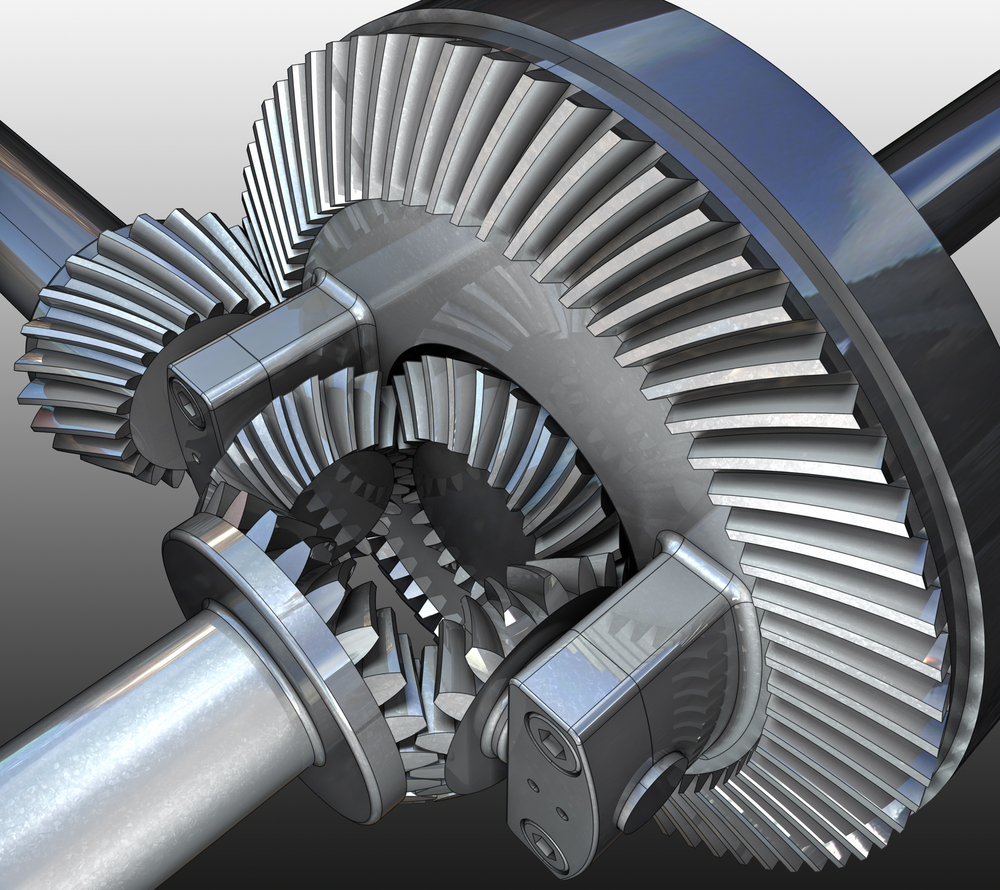
What is the impact of a malfunctioning differential gear on a vehicle’s performance?
A malfunctioning differential gear can significantly impact a vehicle’s performance and drivability. Here’s a detailed explanation of the effects of a malfunctioning differential gear:
1. Limited Traction:
A malfunctioning differential gear may result in limited traction, especially in off-road or slippery conditions. The differential gear distributes torque between the wheels to provide optimal traction. If the gear malfunctions, it may not distribute power evenly, causing one or more wheels to lose traction. This can result in wheel slip, difficulty in accelerating, and compromised control over the vehicle.
2. Poor Handling and Stability:
The differential gear plays a critical role in maintaining stability and handling characteristics of a vehicle. A malfunctioning differential gear can disrupt the balance between the wheels, leading to poor handling and stability. For example, if a rear-wheel-drive vehicle’s differential gear fails, it can cause excessive oversteer or understeer, making the vehicle difficult to control during cornering or sudden maneuvers.
3. Increased Tire Wear:
A malfunctioning differential gear can cause uneven tire wear. When the gear fails to distribute torque evenly, some wheels may experience excessive slippage or spinning, while others receive insufficient power. This uneven distribution of forces can lead to accelerated tire wear on specific wheels, resulting in uneven tread wear patterns and reducing the overall lifespan of the tires.
4. Abnormal Noise and Vibration:
A malfunctioning differential gear can produce abnormal noises and vibrations. If the gear’s components, such as bearings or gears, wear out or become damaged, it can result in grinding, whining, or clunking noises during operation. Additionally, the vehicle may experience vibrations, especially when accelerating or navigating turns. These symptoms indicate potential issues with the differential gear that require immediate attention.
5. Loss of Power and Performance:
A malfunctioning differential gear can lead to a loss of power and performance. If the gear fails to transfer torque effectively, the vehicle may experience reduced power delivery to the wheels. This can result in sluggish acceleration, decreased towing or hauling capacity, and overall compromised performance. The vehicle may struggle to climb inclines, navigate challenging terrain, or maintain speed efficiently.
6. Increased Fuel Consumption:
A malfunctioning differential gear can contribute to increased fuel consumption. When the gear fails to distribute torque properly, the engine may need to work harder to compensate for the lack of power transmission. This increased workload can lead to higher fuel consumption, as the engine consumes more fuel to maintain performance levels.
7. Safety Concerns:
A malfunctioning differential gear can pose safety concerns for the driver and passengers. Limited traction, poor handling, and compromised stability increase the risk of accidents, especially in adverse weather conditions or emergency situations. It is crucial to address any differential gear issues promptly to ensure the safe operation of the vehicle.
In summary, a malfunctioning differential gear can have a significant impact on a vehicle’s performance. It can result in limited traction, poor handling and stability, increased tire wear, abnormal noises and vibrations, loss of power and performance, increased fuel consumption, and safety concerns. Regular maintenance, prompt repairs, and addressing differential gear issues can help maintain the vehicle’s performance, drivability, and overall safety.
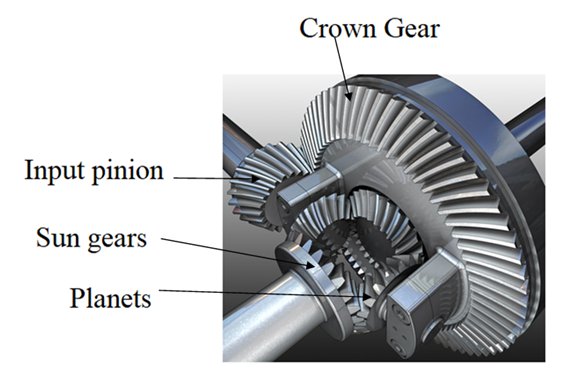
Can differential gears be used in heavy-duty trucks and commercial vehicles?
Yes, differential gears can be used in heavy-duty trucks and commercial vehicles. In fact, they are an essential component of the drivetrain in most vehicles, including those designed for heavy-duty applications. Here’s a detailed explanation:
Differential gears are crucial for effective power distribution and maneuverability, especially in vehicles with multiple axles or large payloads. Here are some reasons why differential gears are used in heavy-duty trucks and commercial vehicles:
- Torque Distribution: Differential gears enable the proper distribution of torque to the wheels. In heavy-duty trucks and commercial vehicles, which often carry heavy loads, torque needs to be transmitted efficiently to ensure adequate traction and pulling power. The differential gears allow the wheels on the same axle to rotate at different speeds, accommodating varying traction conditions and load distribution.
- Maneuverability: Heavy-duty trucks and commercial vehicles often need to navigate tight turns and maneuver in confined spaces. The differential gears assist in smooth cornering by allowing the outer wheel to rotate faster than the inner wheel during turns. This differential action helps minimize tire scrubbing and reduces stress on the tires, enhancing maneuverability and reducing wear.
- Traction Control: Differential gears play a critical role in maintaining traction on different road surfaces. In heavy-duty trucks and commercial vehicles that encounter varied terrain, such as off-road conditions or slippery surfaces, the differential gears allow power to be sent to the wheels with the most traction. This helps maximize traction and minimize wheel spin, improving vehicle stability and control.
- Load Sharing: Differential gears facilitate load sharing among multiple axles in heavy-duty trucks and commercial vehicles. Vehicles with multiple axles distribute the load across all axles, reducing stress on individual components and improving overall performance and durability. Differential gears ensure that power is appropriately distributed among the axles, optimizing load sharing and preventing excessive strain on specific wheels or axles.
- Off-Road Capability: Heavy-duty trucks and commercial vehicles often need to operate in challenging off-road conditions. Differential gears, particularly those with advanced features like limited-slip differentials or locking differentials, enhance off-road capability by improving traction and preventing wheel slippage. These differential systems provide additional power to the wheels with traction, enabling the vehicle to navigate through rough terrain more effectively.
- Efficiency and Durability: Differential gears in heavy-duty trucks and commercial vehicles are designed to handle high torque loads and endure demanding operating conditions. They are built with robust materials and precision engineering to ensure durability and long service life. Proper maintenance, including regular inspections and fluid changes, helps maintain the efficiency and performance of the differential gears, contributing to the overall reliability of the vehicle.
In summary, differential gears are indispensable in heavy-duty trucks and commercial vehicles. They enable torque distribution, enhance maneuverability, improve traction control, facilitate load sharing, enhance off-road capability, and contribute to overall efficiency and durability. These gears play a crucial role in ensuring the optimal performance and functionality of heavy-duty and commercial vehicles across various applications and operating conditions.
How does a differential gear help in turning a vehicle smoothly?
A differential gear plays a crucial role in enabling smooth turning of a vehicle. Here’s a detailed explanation:
When a vehicle turns, the wheels on the outside of the turn travel a greater distance compared to the wheels on the inside. This difference in distance would cause significant strain and binding in the drivetrain if all the wheels were rigidly connected. The differential gear solves this problem by allowing the wheels to rotate at different speeds during turns, resulting in smooth and controlled maneuvering.
1. Speed Differentiation:
The differential gear allows the wheels to rotate at different speeds while still receiving power from the engine. As the vehicle turns, the outer wheel covers a greater distance and needs to rotate faster than the inner wheel. The differential enables this speed differentiation by distributing torque unequally between the two wheels, allowing them to rotate at different rates.
2. Path Following:
By allowing the wheels to rotate at different speeds, the differential gear helps the vehicle follow the desired path during a turn. The outside wheel, which needs to cover a longer distance, rotates faster to maintain the vehicle’s trajectory. At the same time, the inside wheel rotates slower, preventing the vehicle from skidding or drifting wide during the turn. The differential ensures that both wheels work together to maintain stability and control throughout the turning process.
3. Smooth Power Transfer:
During a turn, the differential gear facilitates smooth power transfer to the wheels. By allowing the wheels to rotate at different speeds, the differential minimizes drivetrain stress and wheel scrubbing. This promotes smoother operation and reduces the likelihood of wheel hop or wheel slip, resulting in improved traction and overall control.
4. Reduction of Tire Wear:
The differential gear’s ability to differentiate wheel speeds during turns helps reduce tire wear. If the wheels were rigidly connected, they would experience excessive scrubbing and wear during turning maneuvers. The differential allows the wheels to rotate at different speeds, minimizing tire scrubbing and promoting more even tire wear. This contributes to longer tire life and better overall performance.
5. Enhanced Maneuverability:
By enabling smooth turning, the differential gear enhances the maneuverability of a vehicle. It allows for precise and controlled steering inputs, making it easier to navigate corners, curves, and tight spaces. The differential’s role in differentiating wheel speeds ensures that the vehicle can execute turns smoothly and responsively, enhancing the overall driving experience.
In summary, the differential gear helps in turning a vehicle smoothly by allowing the wheels to rotate at different speeds during turns. This speed differentiation enables the vehicle to follow the desired path, facilitates smooth power transfer, reduces tire wear, and enhances maneuverability. The differential’s ability to accommodate varying wheel speeds ensures that the vehicle can navigate turns with improved stability, control, and comfort.


editor by CX 2024-01-03