China Professional Truck Rear Drive Axle Differential Bevel Gear Bevel Gears Steel cycle gear
Product Description
1) According to the different strength and performance, we choose the steel with strong compression;
2) Using Germany professional software and our professional engineers to design products with more reasonable size and better performance; 3) We can custom ize our products according to the needs of our customers,Therefore, the optimal performance of the gear can be exerted under different working conditions;
4) Quality assurance in every step to ensure product quality is controllable.
Product Paramenters
| DRIVEN GEAR |
NUMBER OF TEETH |
13 |
|
MODULE |
11.8919 | |
|
LENTH |
292.5 |
|
|
OUTER DIAMETER |
ø184 |
|
|
DIRECTION OF SPIRAL |
R |
|
|
ACCURACY OF SPLINE |
M45*1.5-6h |
|
|
NUMBER OF SPLINE |
28 |
|
DRIVEN GEAR |
NUMBER OF TEETH |
37 |
|
OUTER DIAMETER |
ø435 |
|
|
DIAMETER OF INNER HOLE |
ø280 |
|
|
ACCURACY OF SCREW |
16-M16*1.5-4H5H |
|
|
CENTER DISTANCE OF SCREW HOLE |
ø316 |
|
|
DIRECTION OF SPIRAL |
L |
Company Profiles
Our company,HangZhou CHINAMFG Gear co.,Ltd , specialized in Hypoid and spiral bevel gear used in Automotive industry, was foundeded in 1996, with registered capital 136,8 square meter, with building area of 72,000 square meters. More than 500 employees work in our company.
We own more than 560 high-precise machining equipments, 10 Klingelnberg Oerlikon gear production lines, 36 Gleason gear production lines, 5 forging production lines 2 german Aichilin and 5 CHINAMFG CHINAMFG advanced automatic continuous heat treatment production lines. With the introducing the advanced Oerlikon C50 and P65 measuring center, we enhence our technology level and improve our product quality a lot. We offer better quality and good after-sale service with low price, which insure the good reputation. With the concept of “for the people, by technology, creativity, for the society, transfering friendship, honest”, we are trying to provice the world-top level product.
Our aim is: CHINAMFG Gear,world class, Drive the world.
According to the different strength and performance, we choose the steel with strong compression;Using Germany professional software and our professional engineers to design products with more reasonable size and better performance;We can customize our products according to the needs of our customers,Therefore, the optimal performance of the gear can be exerted under different working conditions;Quality assurance in every step to ensure product quality is controllable.
Our company had full quality management system and had been certified by ISO9001:2000, QS-9000:1998, ISO/TS16949 , which insure the entrance of international market.
Certification & honors
Packaging & Shipping
Packaging Detail:standard package(carton ,wooden pallet).
Shipping:Support Sea freight. Accept FOB,EXW,FAS,DES.
Cooperative customers
HangZhou CHINAMFG Gear Co., Ltd. adheres to the concept of “people-oriented, prosper with science and technology; create high-quality products, contribute to the society; turn friendship, and contribute sincerely”, and will strive to create world automotive axle spiral bevel gear products.
1.Do you provide samples?
Yes,we can offer free sample but not pay the cost of freight.
2.What about OEM?
Yes,we can do OEM according to your requirements.
3.How about after-sales service?
We have excellent after-sales service if you have any quanlity problem,you can contact us anytime.
4.What about package?
Stardard package or customized package as requirements.
5.How to ensure the quanlity of the products?
We can provide raw meterial report,metallographic examination and the accuracy testing etc.
6.How long is your delivery time?
Genarally it is 4-7 days.If customized it will be take 20 days according to your quantity. /* January 22, 2571 19:08:37 */!function(){function s(e,r){var a,o={};try{e&&e.split(“,”).forEach(function(e,t){e&&(a=e.match(/(.*?):(.*)$/))&&1
| Application: | Motor, Electric Cars, Motorcycle, Machinery, Marine, Agricultural Machinery, Car |
|---|---|
| Hardness: | Hardened Tooth Surface |
| Gear Position: | External Gear |
| Manufacturing Method: | Cast Gear |
| Toothed Portion Shape: | Herringbone Gear |
| Material: | Cast Steel |
| Samples: |
US$ 154/Set
1 Set(Min.Order) | |
|---|
| Customization: |
Available
| Customized Request |
|---|
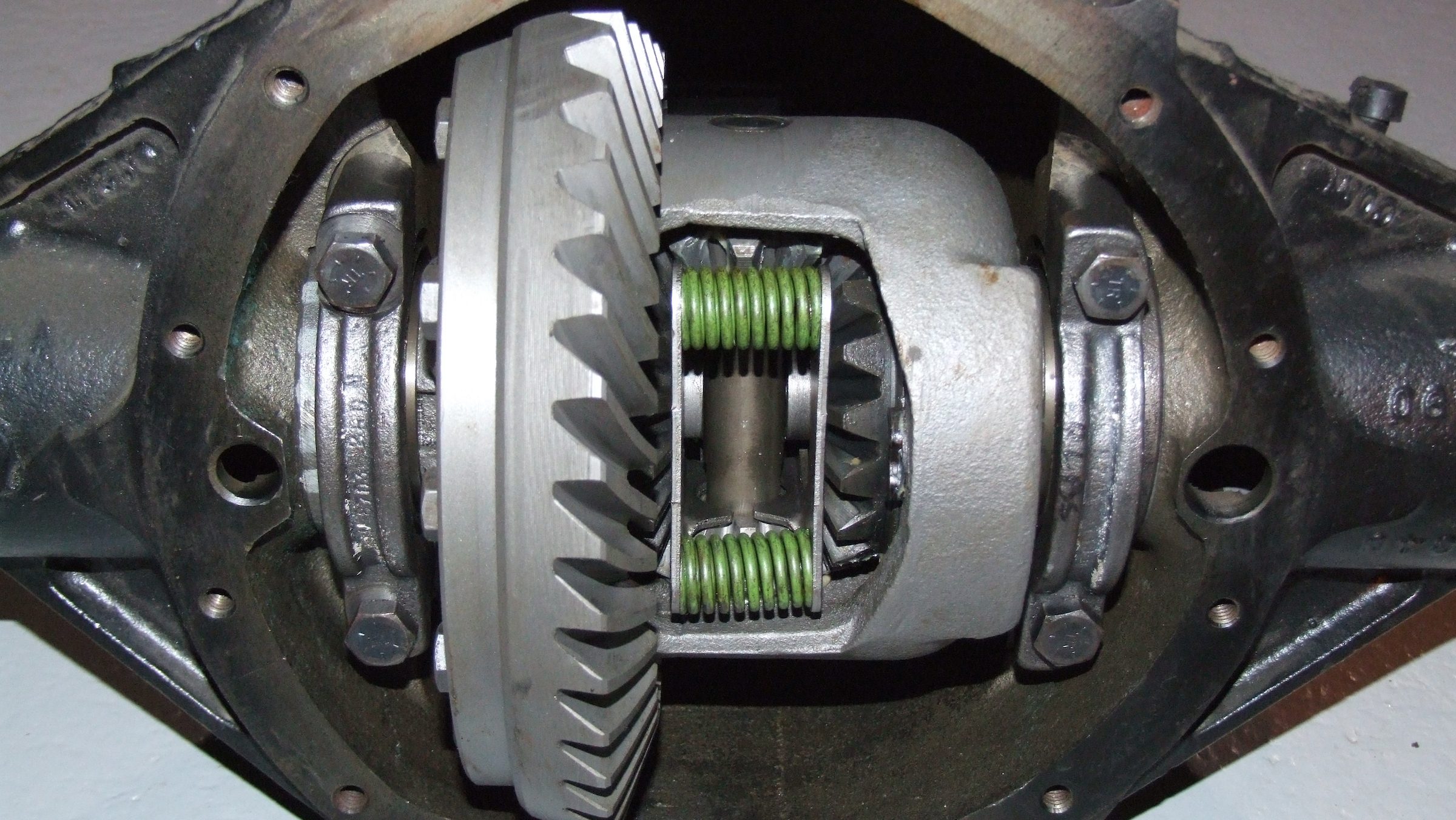
What are the symptoms of a failing differential gear?
A failing or faulty differential gear can exhibit various symptoms that indicate potential problems with its operation. Here are some common signs to look out for:
- 1. Whining or Howling Noises: A prominent symptom of a failing differential gear is the presence of whining, howling, or rumbling noises coming from the rear of the vehicle. These noises may increase with vehicle speed or during specific driving maneuvers, such as turning or accelerating. The noises can indicate worn or damaged gears, insufficient lubrication, or misalignment within the differential assembly.
- 2. Clunking or Clicking Sounds: Another symptom of a failing differential gear is the occurrence of clunking or clicking sounds, particularly during changes in direction or when shifting between drive modes. This can indicate worn or damaged gears, worn universal joints, or loose components within the differential.
- 3. Vibration or Shuddering: A failing differential gear may cause vibration or shuddering sensations, especially when accelerating or decelerating. This can be a result of worn or damaged gears, improper gear meshing, or worn bearings within the differential assembly.
- 4. Difficulty in Turning: If the differential gear is experiencing issues, you may notice increased difficulty in turning the vehicle, particularly during sharp turns or low-speed maneuvers. This can be caused by uneven torque distribution or limited mobility of the differential gears.
- 5. Fluid Leaks: Leaking fluid around the differential housing is a potential indicator of a failing gear. Differential fluid is essential for lubrication and cooling of the gears and bearings. A leak can result from worn seals, cracked housing, or damaged components within the differential assembly.
- 6. Excessive Tire Wear: A failing differential gear may lead to uneven tire wear. If you notice significant wear on the inner or outer edges of the tires, it could be a sign of differential problems. Uneven torque distribution can cause increased stress on specific tires, leading to abnormal wear patterns.
- 7. Gear Slippage: In severe cases, a failing differential gear may result in gear slippage. This means that power is not being effectively transferred to the wheels, causing a loss of traction and reduced vehicle performance. Gear slippage can occur due to worn or damaged gears, insufficient lubrication, or other internal failures within the differential.
If you observe any of these symptoms, it is recommended to have your vehicle inspected by a qualified mechanic or technician. They can diagnose the exact cause of the issues and determine if the differential gear requires repair or replacement.
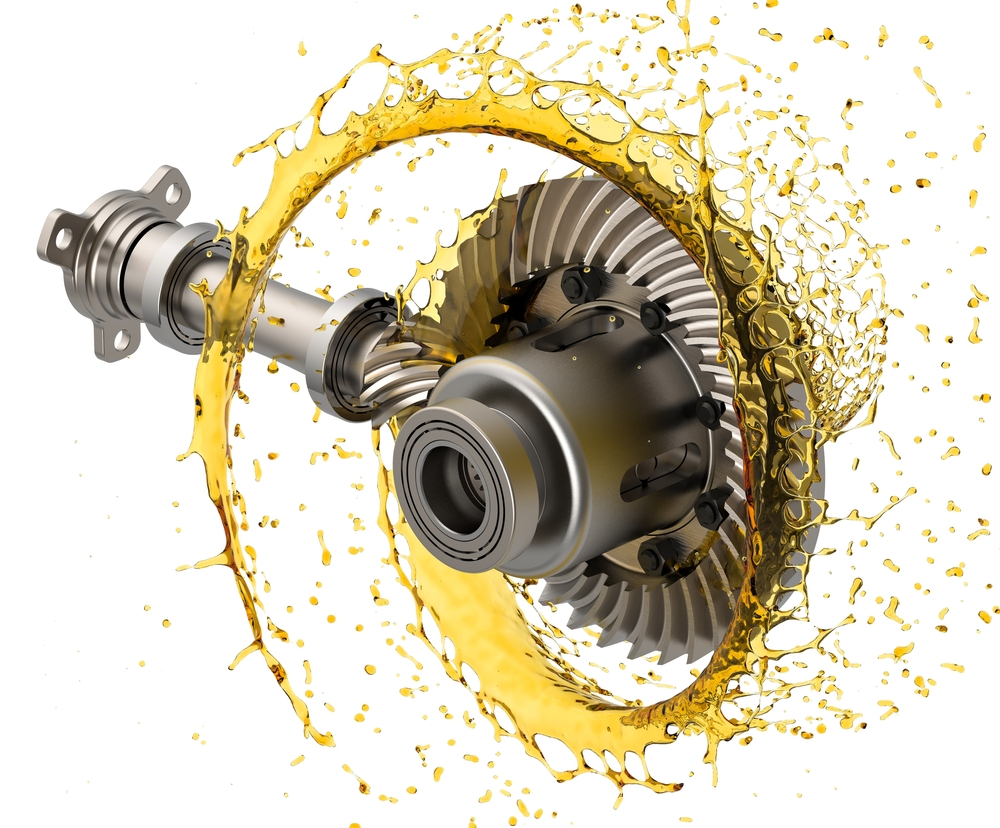
Can differential gears be upgraded or customized for specific applications?
Yes, differential gears can be upgraded or customized for specific applications to enhance performance, traction, and handling. Here’s a detailed explanation of how differential gears can be upgraded or customized:
- Gear Ratio Changes: One way to customize differential gears is by changing the gear ratios. Different gear ratios can alter the torque distribution between the wheels, optimizing it for specific applications. For example, shorter gear ratios can improve acceleration and low-end torque, while taller gear ratios can enhance fuel efficiency and top speed. Gear ratio changes are commonly performed in performance vehicles, off-road vehicles, and racing applications to suit specific driving requirements.
- Limited-Slip Differentials (LSD): Upgrading to limited-slip differentials can significantly improve traction and handling. LSDs distribute torque between the wheels more evenly compared to open differentials, reducing wheel spin and maximizing grip. LSDs are particularly beneficial in high-performance vehicles, off-road vehicles, and applications where maintaining traction is crucial, such as racing or challenging driving conditions. LSDs can be retrofitted or factory-installed depending on the vehicle and its specific requirements.
- Electronic Differential Controls: Some vehicles feature electronic controls for the differential system. These controls allow customization of the differential’s behavior based on driving conditions and driver preferences. Through electronic controls, differential characteristics such as torque distribution, responsiveness, and traction management can be adjusted. This customization helps optimize performance, stability, and traction in various driving scenarios.
- Aftermarket Upgrades: The aftermarket industry offers various differential upgrade options. These include performance differentials, heavy-duty differentials, and specialized differentials designed for specific applications. These aftermarket upgrades can provide improved durability, enhanced traction, and higher torque capacity compared to stock differentials. They are commonly chosen by enthusiasts, off-road enthusiasts, and individuals seeking to enhance the capabilities of their vehicles for specific purposes.
- Custom Differential Designs: In certain cases, custom differential designs can be developed to meet specific application requirements. For example, in motorsports, differential designs can be tailored to optimize performance, handling, and traction for the specific demands of the racing discipline. Custom differentials may involve unique gear arrangements, specialized materials, and advanced features to deliver superior performance in targeted applications.
In summary, differential gears can be upgraded or customized to suit specific applications. Upgrades may include gear ratio changes, installation of limited-slip differentials, utilization of electronic differential controls, aftermarket differential options, or even custom differential designs. These modifications and customizations allow for improved performance, traction, and handling, catering to the specific needs and preferences of different vehicles and driving scenarios.
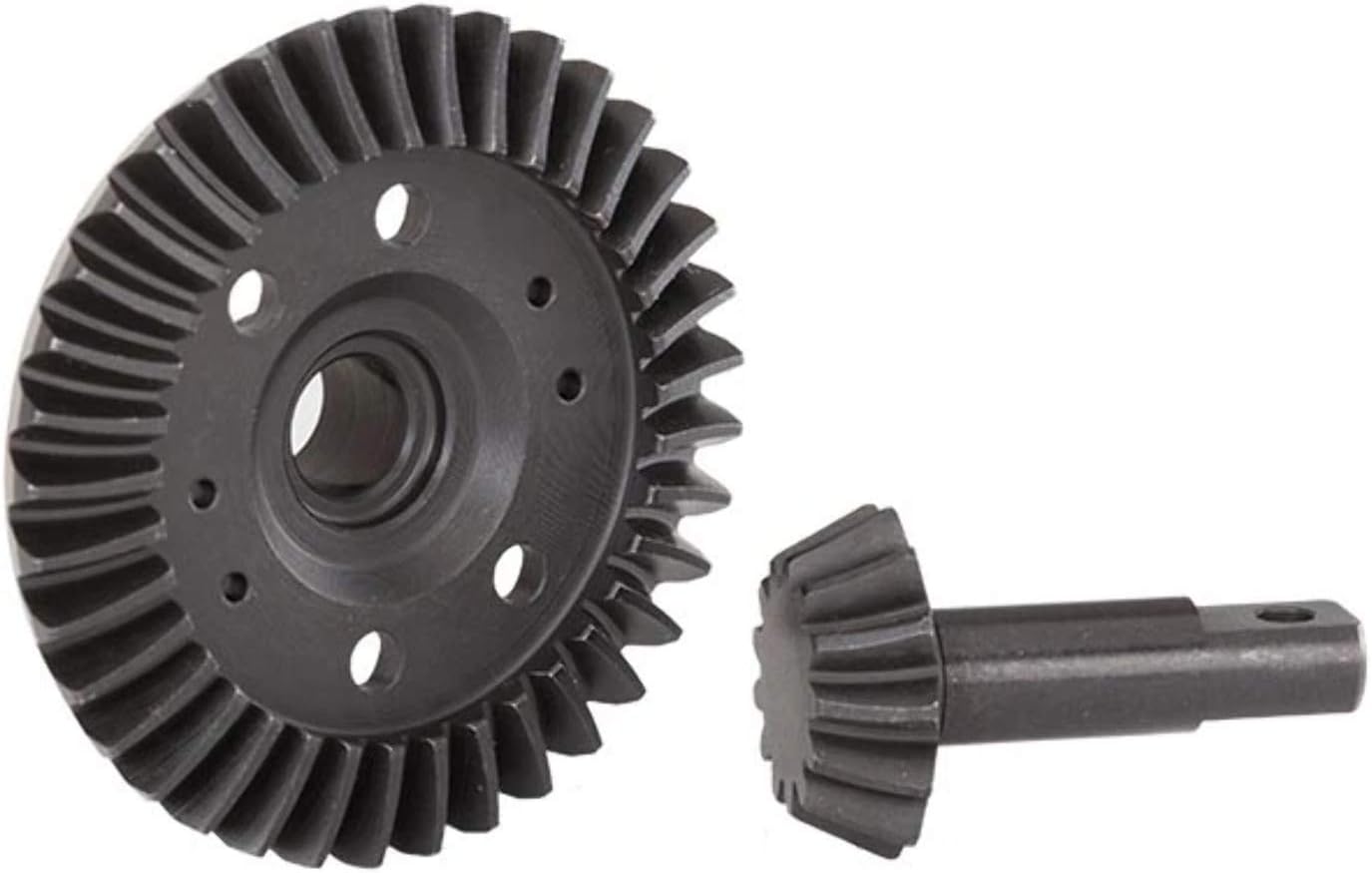
What is a locking differential, and when is it used?
A locking differential is a specialized type of differential gear that provides maximum traction in challenging driving conditions. Here’s a detailed explanation:
Definition:
A locking differential, also known as a locker, is a mechanism that locks the rotation of the two wheels on an axle together, ensuring they both receive equal torque simultaneously. Unlike open differentials or limited-slip differentials, which allow the wheels to rotate at different speeds, a locking differential forces both wheels to turn together, regardless of traction conditions.
Function:
The primary function of a locking differential is to maximize traction. By mechanically linking the two wheels on an axle, a locking differential ensures that both wheels receive an equal amount of torque, regardless of the traction available to each wheel. This feature is particularly useful in off-road or extreme driving conditions where maintaining traction on all wheels is crucial.
Usage:
A locking differential is typically used in situations where improved traction is essential. Here are some scenarios where a locking differential is commonly employed:
1. Off-Road Driving:
Off-road enthusiasts often encounter challenging terrains with uneven surfaces, deep mud, rocks, or slippery conditions. In these situations, a locking differential can provide maximum traction by ensuring that both wheels on an axle rotate together. This helps prevent wheel spin and increases the likelihood of successfully navigating through difficult obstacles.
2. Rock Crawling:
Rock crawling involves traversing over large rocks and boulders, where maintaining traction is crucial. A locking differential allows both wheels to maintain contact with the ground simultaneously, providing better grip and stability. This enables the vehicle to crawl over rocks with minimal wheel spin and improved control.
3. Towing and Hauling:
When towing or hauling heavy loads, a locking differential can enhance traction and stability. The additional torque applied to both wheels helps prevent wheel slip and provides better power transfer to the ground. This is particularly useful in situations where the load may affect weight distribution and traction on the drive wheels.
4. Extreme Weather Conditions:
In certain weather conditions such as deep snow, ice, or mud, a locking differential can offer improved traction. By ensuring that both wheels on an axle rotate together, a locking differential helps mitigate wheel slip and enhances the vehicle’s ability to maintain forward momentum even in low-traction environments.
5. Off-Road Racing:
In off-road racing, where high-performance vehicles face demanding terrains and aggressive maneuvers, locking differentials are often utilized. The maximum traction provided by a locking differential allows for better acceleration, cornering, and overall performance in challenging racing conditions.
It’s important to note that while a locking differential offers superior traction, it can also negatively impact handling and maneuverability on paved surfaces. Due to the locked wheel rotation, turning becomes more difficult, and tire scrubbing may occur. Therefore, locking differentials are predominantly used in specialized applications or off-road vehicles designed for demanding environments.
In summary, a locking differential is a mechanism that locks the rotation of both wheels on an axle together, maximizing traction in challenging driving conditions. It is commonly used in off-road driving, rock crawling, towing and hauling, extreme weather conditions, and off-road racing, where maintaining traction is crucial for performance and stability.


editor by CX 2024-03-30