China Standard CNC Machining Service Customizable Stainless Steel Component Round Thin Gear for Machine bevel gearbox
Product Description
Key attributes of Machinery Part Customized Machining Part cnc manufacturing & engineering with high accuracy
Industry-specific attributes of Machinery Part Customized Machining Part cnc manufacturing & engineering with high accuracy
| CNC Machining or Not | Cnc Machining |
| Material Capabilities | Aluminum, Brass, Bronze, Copper, Hardened Metals, Precious Metals, Stainless steel, Steel Alloys |
Other attributes of Machinery Part Customized Machining Part cnc manufacturing & engineering with high accuracy
| Place of Origin | ZheJiang , China |
| Type | Broaching, DRILLING, Etching / Chemical Machining, Laser Machining, Milling, Other Machining Services, Turning, Wire EDM |
| Model Number | OEM |
| Brand Name | OEM |
| Material | Metal |
| Process | Cnc Machining+deburrs |
| Surface treatment | Customer’s Request |
| Equipment | CNC Machining Centres / Core moving machine / precision lathe / Automatic loading and unloading equipment |
| Processing Type | Milling / Turning / Stamping |
| OEM/ODM | OEM & ODM CNC Milling Turning Machining Service |
| Drawing Format | 2D/(PDF/CAD)3D(IGES/STEP) |
| Our Service | OEM ODM Customers’drawing |
| Materials Avaliable | Stainless Steel / Aluminum / Metals / Copper / Plastic |
Best Seller of 304 Stainless Steel Polishing Finishing CNC Machining Bracket for Laser Cutting
About YiSheng
| Business Type | Factory / Manufacturer |
| Service | CNC Machining |
| Turning and Milling | |
| CNC Turning | |
| OEM Parts | |
| Material | 1). Aluminum: AL 6061-T6, 6063, 7075-T etc |
| 2). Stainless steel: 303,304,316L, 17-4(SUS630) etc | |
| 3). Steel: 4140, Q235, Q345B,20#,45# etc. | |
| 4). Titanium: TA1,TA2/GR2, TA4/GR5, TC4, TC18 etc | |
| 5). Brass: C36000 (HPb62), C37700 (HPb59), C26800 (H68), C22000(H90) etc | |
| 6). Copper, bronze, Magnesium alloy, Delrin, POM,Acrylic, PC, etc. | |
| Finish | Sandblasting, Anodize color, Blackenning, Zinc/Nickl Plating, Polish, |
| Power coating, Passivation PVD, Titanium Plating, Electrogalvanizing, | |
| electroplating chromium, electrophoresis, QPQ(Quench-Polish-Quench), | |
| Electro Polishing,Chrome Plating, Knurl, Laser etch Logo, etc. | |
| Main Equipment | CNC Machining center, CNC Lathe, precision lathe |
| Automatic loading and unloading equipment | |
| Core moving machine | |
| Drawing format | STEP,STP,GIS,CAD,PDF,DWG,DXF etc or samples. |
| Tolerance | +/-0.001mm ~ +/-0.05mm |
| Surface roughness | Ra 0.1~3.2 |
| Test Equipment | Complete test lab with Projector, High-low temperature test chamber, Tensile tester Gauge, Salt fog test |
| Inspection | Complete inspection lab with Micrometer, Optical Comparator, Caliper Vernier,CMM |
| Depth Caliper Vernier, Universal Protractor, Clock Gauge | |
| Capacity | CNC turning work range: φ0.5mm-φ150mm*300mm |
| CNC center work range: 510mm*850mm*500mm | |
| Core moving machine work range: φ32mm*85mm | |
| Gerenal Tolerance: (+/-mm) |
CNC Machining: 0.005 |
| Core moving: 0.005 | |
| Turning: 0.005 | |
| Grinding(Flatness/in2): 0.003 | |
| ID/OD Grinding: 0.002 | |
| Wire-Cutting: 0.002 |
RFQ of Machinery Part Customized Machining Part cnc manufacturing & engineering with high accuracy /* January 22, 2571 19:08:37 */!function(){function s(e,r){var a,o={};try{e&&e.split(“,”).forEach(function(e,t){e&&(a=e.match(/(.*?):(.*)$/))&&1
| Certification: | ISO9001 |
|---|---|
| Standard: | DIN, ASTM, GOST, GB, JIS, ANSI, BS |
| Customized: | Customized |
| Customization: |
Available
| Customized Request |
|---|
.shipping-cost-tm .tm-status-off{background: none;padding:0;color: #1470cc}
|
Shipping Cost:
Estimated freight per unit. |
about shipping cost and estimated delivery time. |
|---|
| Payment Method: |
|
|---|---|
|
Initial Payment Full Payment |
| Currency: | US$ |
|---|
| Return&refunds: | You can apply for a refund up to 30 days after receipt of the products. |
|---|
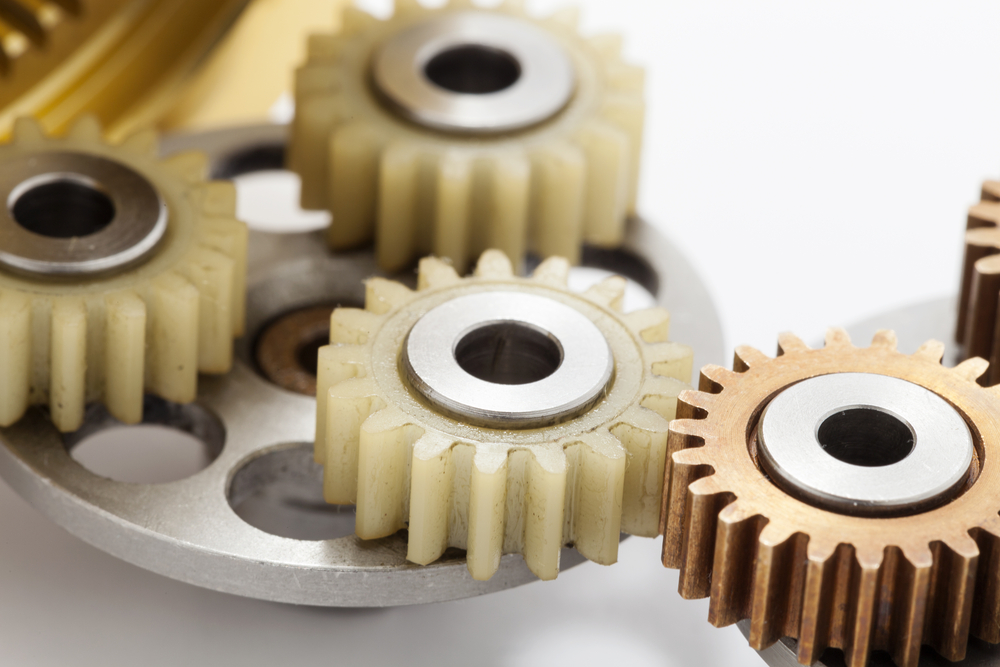
How do you choose the right type of plastic material for specific applications?
Choosing the right type of plastic material for specific applications requires careful consideration of various factors. Here’s a detailed explanation of the process:
1. Identify Application Requirements: Begin by understanding the specific requirements of the application. Consider factors such as temperature range, chemical exposure, mechanical stress, electrical properties, dimensional stability, and regulatory compliance. This initial assessment will help narrow down the suitable plastic material options.
2. Research Plastic Material Properties: Conduct thorough research on different types of plastic materials and their properties. Consider factors such as mechanical strength, thermal stability, chemical resistance, electrical conductivity, impact resistance, UV stability, and food safety approvals. Plastic material datasheets and technical resources from manufacturers can provide valuable information.
3. Evaluate Material Compatibility: Assess the compatibility of the plastic material with the surrounding environment and other components in the system. Consider the potential for chemical reactions, galvanic corrosion, thermal expansion, and any specific requirements for mating surfaces or interfaces. Ensure the selected material is compatible with the intended operating conditions.
4. Consider Manufacturing Process: Evaluate the manufacturing process involved in producing the desired component or product. Different plastic materials may have specific requirements or limitations for processes such as injection molding, extrusion, blow molding, or machining. Ensure the chosen material is compatible with the selected manufacturing method and can meet the desired quality and production efficiency.
5. Assess Cost and Availability: Consider the cost and availability of the plastic material. Some specialty or high-performance plastics may be more expensive or have limited availability compared to more common materials. Evaluate the cost-effectiveness and feasibility of using the selected material within the project’s budget and timeline.
6. Consult with Material Experts: If necessary, consult with material experts, engineers, or suppliers who have expertise in plastic materials. They can provide valuable insights and recommendations based on their experience and knowledge of specific applications. Their input can help ensure the optimal material selection for the intended use.
7. Perform Prototype and Testing: Before finalizing the material selection, it’s advisable to produce prototypes or conduct testing using the chosen plastic material. This allows for verification of the material’s performance, dimensional accuracy, strength, durability, and other critical factors. Iterative testing and evaluation can help refine the material selection process if needed.
By following these steps and considering the application requirements, material properties, compatibility, manufacturing process, cost, and expert advice, it’s possible to choose the most appropriate plastic material for specific applications. Proper material selection is crucial for ensuring optimal performance, longevity, and safety in various industries and products.
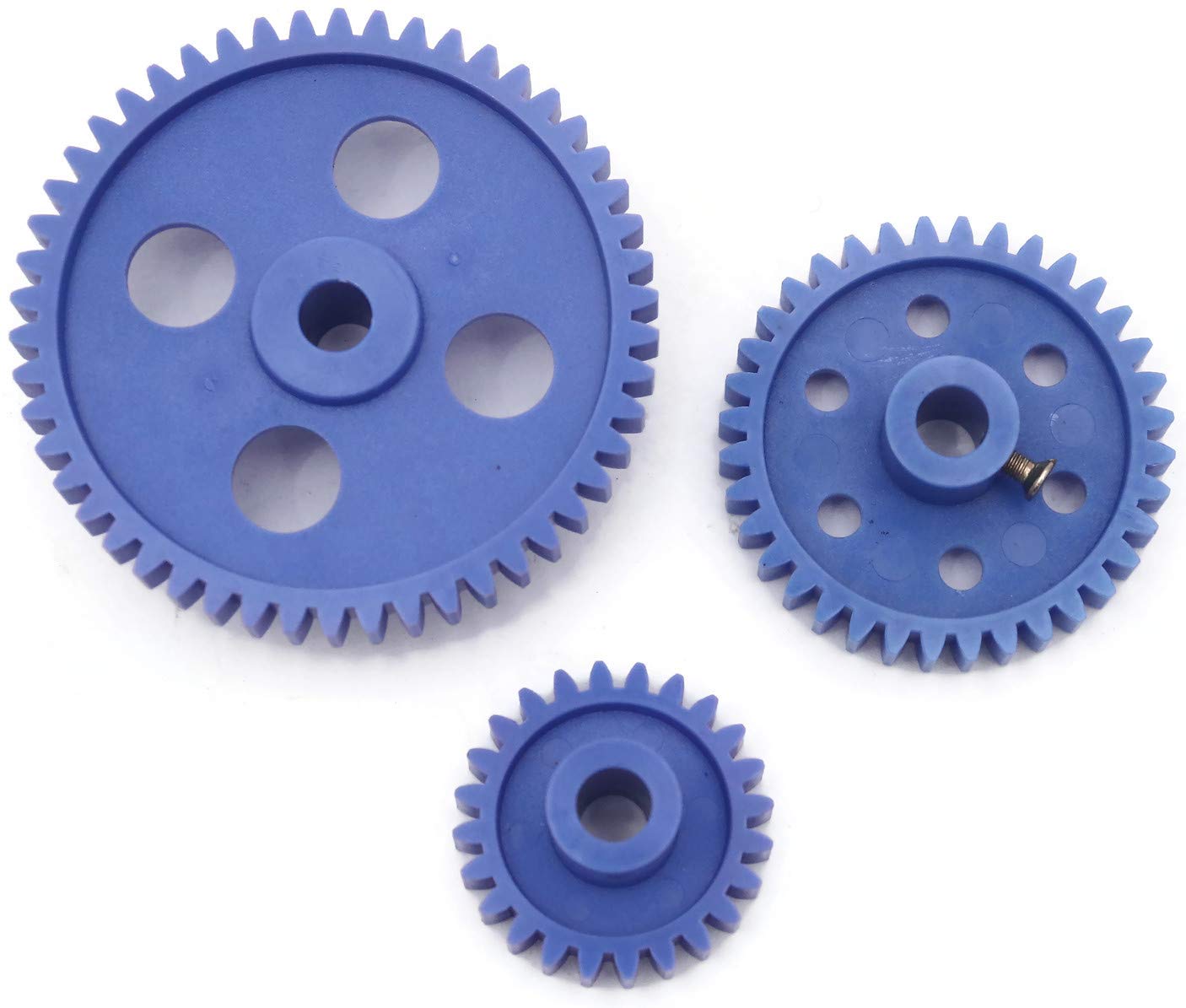
How do you prevent premature wear and degradation in plastic gears?
Preventing premature wear and degradation in plastic gears requires implementing various measures and considerations. Here’s a detailed explanation of how to achieve this:
1. Material Selection: Choose a plastic material with suitable properties for the specific application. Consider factors such as strength, stiffness, wear resistance, and compatibility with operating conditions. Opt for materials that have good resistance to wear, fatigue, and environmental factors to minimize premature degradation.
2. Gear Design: Pay attention to the design of the plastic gears to minimize wear and degradation. Optimize the tooth profile, gear geometry, and load distribution to reduce stress concentrations and ensure even load sharing among the teeth. Incorporate features such as fillets, reinforcements, and optimized tooth profiles to enhance the gear’s durability.
3. Lubrication: Proper lubrication is essential to reduce friction, minimize wear, and prevent premature degradation. Choose lubricants that are compatible with the plastic material and the operating conditions. Ensure adequate lubrication by following manufacturer recommendations and implementing proper lubrication techniques such as oil bath, grease, or dry lubrication.
4. Operating Conditions: Consider the operating conditions and make adjustments to prevent premature wear and degradation. Control operating temperatures within the recommended range for the plastic material to avoid thermal degradation. Avoid excessive speeds or loads that can lead to increased friction and wear. Minimize exposure to harsh chemicals, UV radiation, or abrasive particles that can degrade the plastic material.
5. Maintenance: Implement regular maintenance practices to prevent premature wear and degradation. Conduct periodic inspections to identify signs of wear or damage. Replace worn or damaged gears promptly to prevent further degradation. Follow recommended maintenance schedules for lubrication, cleaning, and any other specific requirements for the plastic gears.
6. Proper Installation: Ensure that plastic gears are installed correctly to minimize wear and degradation. Follow manufacturer guidelines and recommendations for installation procedures, such as proper alignment, torque values, and fastening techniques. Improper installation can lead to misalignment, increased stress concentrations, and accelerated wear.
7. Optimized Load Distribution: Design the gear system to ensure even load distribution across the gear teeth. Consider factors such as tooth profile, tooth width, and the number of teeth to optimize load sharing. Uneven load distribution can lead to localized wear and premature degradation of specific gear teeth.
8. Environmental Protection: Protect plastic gears from harsh environmental conditions that can accelerate wear and degradation. Implement measures such as sealing mechanisms, coatings, or encapsulation to shield the gears from exposure to chemicals, moisture, UV radiation, or abrasive particles.
9. Quality Manufacturing: Ensure high-quality manufacturing processes to minimize defects and inconsistencies that can compromise the durability of plastic gears. Use reputable suppliers and manufacturers that adhere to strict quality control measures. Conduct thorough inspections and testing to verify the quality of the gears before installation.
By considering these preventive measures, such as material selection, gear design, lubrication, operating conditions, maintenance, proper installation, load distribution optimization, environmental protection, and quality manufacturing, it’s possible to minimize premature wear and degradation in plastic gears, ensuring their longevity and performance.
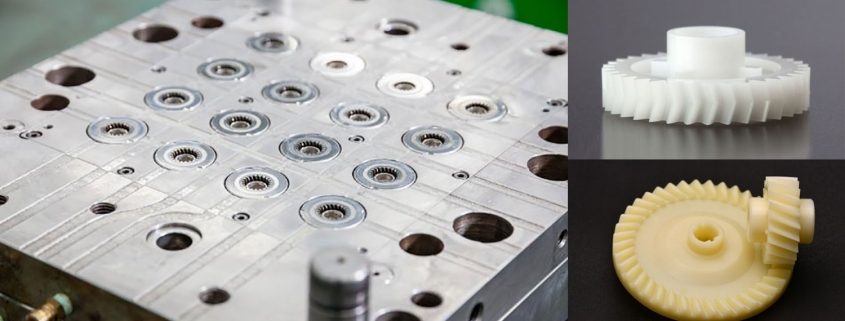
What are the advantages of using plastic gears in machinery?
Plastic gears offer several advantages when used in machinery. Here’s a detailed explanation of the advantages of using plastic gears:
- Lightweight: Plastic gears are significantly lighter in weight compared to metal gears. This lightweight characteristic is particularly beneficial in applications where weight reduction is important, as it can contribute to energy efficiency, lower inertia, and reduced wear on supporting components.
- Low Noise and Vibration: Plastic gears have inherent damping properties, which help reduce noise and vibration levels during operation. The ability to absorb and dissipate vibrations leads to quieter machinery, making plastic gears suitable for applications where noise reduction is desired, such as in consumer electronics or office equipment.
- Corrosion Resistance: Certain plastic materials used in gear manufacturing exhibit excellent resistance to corrosion and chemicals. This makes plastic gears suitable for applications in corrosive environments, where metal gears may suffer from degradation or require additional protective coatings.
- Self-Lubrication: Some plastic materials used for gear manufacturing have self-lubricating properties. These materials can reduce friction and wear between gear teeth, eliminating the need for external lubrication. Self-lubricating plastic gears can simplify maintenance requirements and reduce the risk of lubricant contamination or leakage in machinery.
- Cost-Effective: Plastic gears can be more cost-effective compared to metal gears, especially in large-scale production. Plastic materials are often less expensive than metals, and the manufacturing processes for plastic gears can be more efficient, resulting in lower overall production costs. This cost advantage makes plastic gears an attractive option for applications where budget considerations are important.
- Design Flexibility: Plastic gears offer greater design flexibility compared to metal gears. Plastic materials can be easily molded into complex shapes, allowing for the creation of custom gear profiles and tooth geometries. This design flexibility enables gear optimization for specific applications, improving performance, efficiency, and overall machinery design.
- Electrical Insulation: Plastic gears provide electrical insulation properties, which can be advantageous in machinery where electrical or electronic components are in close proximity to the gears. The electrical insulation helps prevent the risk of electrical short circuits or interference caused by metal gears coming into contact with conductive parts.
It’s important to note that while plastic gears offer unique advantages, they also have limitations. They may not be suitable for applications requiring extremely high torque, high temperatures, or where precise positioning is critical. The selection of plastic gears should consider the specific requirements of the machinery and the mechanical properties of the chosen plastic material.


editor by Dream 2024-05-09