China Standard Custom Double Spur Gears PA Nylon Spur Gears with Good quality
Product Description
Information of MC Nylon for your reference:
MC Nylon,means Monomer Casting Nylon, is a kind of engineering plastics used in comprehensive industries, has been applied almost every industrial field.
The caprolactam monomer is first melted, and added catalyst, then poured it inside moulds at atmosphere pressure so as to shape in different castings, such as: rod, plate, tube. The molecule weight of MC Nylon can reach 70,000-100,000/mol, 3 times than PA6/PA66. Its mechanical properties are much higher than other nylon materials, such as: PA6/PA66. MC Nylon plays a more and more important role in the material list recommended by our country.
Since the end of 1980’s, HangZhou Engineering Plastics Industries Company has devoting herself on developing the technology of MC Nylon modification, greatly extended the applications in different industries. Basing on the MC Nylon, reinforced with variety of additives during the reaction, such as lubricant, molybdenum disulfide, graphite glass fiber, carbon fiber etc, to improve the properties, higher performance of wear-resistance, corrosion-resistance,
self-lubrication, vibration-absorption, noise-absorption. At the same time, as the techniques and structure of the moulds is quite simple, so that it can be manufactured in lower cost, becomes the ideal substitutes of bronze, stainless steel, Babbitt alloy , PTFE and so on.
Other casting Nylon:
Oil Nylon + Carbon (Black)
Oil Nylon added carbon, has the very compact and crystal structure, which is better than the general casting nylon in the performance of high mechanical strength, wear-resistance, anti-aging, UV resistance and so on. It is suitable for making the transmission gears and other wear mechanical parts.
Oil MC901 (Blue)
This improved MC Nylon, has striking blue color, which is better than general PA6/PA66 in the performance of toughness, flexibility, fatigue-resistance and so on. It is the perfect material of plastic wheel gear, gear bar, transmission gears and so on.
MC Nylon + MSO2(Light Black)
MC Nylon added MSO2 can remain the impact-resistance and fatigue-resistance of casting nylon, as well as it can improve the loading capacity and wear-resistance. It has a wide application in making transmission gears, bearing, planet gear, seal circle and so on.
/* January 22, 2571 19:08:37 */!function(){function s(e,r){var a,o={};try{e&&e.split(“,”).forEach(function(e,t){e&&(a=e.match(/(.*?):(.*)$/))&&1
| Application: | Motor, Electric Cars, Motorcycle, Machinery, Marine, Toy, Agricultural Machinery, Car, Baybay Car |
|---|---|
| Hardness: | Hardened Tooth Surface |
| Gear Position: | Spur Gears |
| Manufacturing Method: | According to Drawings and/or Qty |
| Toothed Portion Shape: | Spur Gear |
| Material: | Nylon |
| Samples: |
US$ 0.5/Piece
1 Piece(Min.Order) | |
|---|
| Customization: |
Available
| Customized Request |
|---|
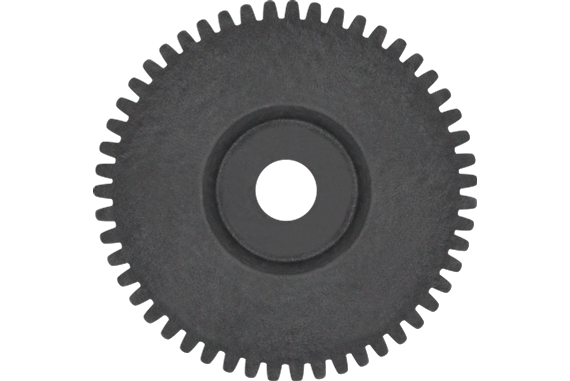
How do you retrofit an existing mechanical system with spur gears?
Retrofitting an existing mechanical system with spur gears involves modifying or replacing certain components to incorporate spur gears into the system. Here’s a detailed explanation:
1. Evaluate the Existing System:
Begin by thoroughly evaluating the existing mechanical system to determine its design, function, and limitations. Identify the specific components that need to be retrofitted with spur gears and understand how the system operates.
2. Design Considerations:
Based on the evaluation, consider the design considerations for integrating spur gears into the system. This includes factors such as gear size, tooth profile, gear material, gear ratio, and torque requirements. Determine the specific gear specifications that are compatible with the existing system.
3. Gear Selection:
Select the appropriate spur gears that meet the required specifications. Consider factors such as gear quality, load capacity, noise level, efficiency, and compatibility with the existing system components. Choose gears from reputable manufacturers or consult with a gear specialist for guidance.
4. Gear Positioning and Alignment:
Determine the optimal positioning and alignment of the spur gears within the existing system. This involves identifying the gear locations, shaft connections, and ensuring proper alignment with other components such as bearings and couplings. Accurate positioning and alignment are crucial for efficient gear operation and longevity.
5. Modification or Replacement:
Based on the design considerations and gear selection, proceed with the necessary modifications or replacements. This may involve removing existing components, such as gears with different tooth profiles, and replacing them with the selected spur gears. Ensure proper installation and secure attachment of the new gears.
6. Lubrication and Maintenance:
Implement appropriate lubrication practices for the newly retrofitted spur gears. Consult gear manufacturers’ recommendations for lubricant type, quantity, and maintenance intervals. Proper lubrication ensures smooth gear operation, reduces wear, and extends gear life.
7. Testing and Validation:
After the retrofitting process, conduct thorough testing and validation of the modified system. Verify that the spur gears are functioning as intended, ensuring proper engagement, smooth operation, and adequate load handling. Address any issues or discrepancies discovered during testing.
8. Documentation and Training:
Create documentation detailing the retrofitting process, including gear specifications, installation procedures, and maintenance requirements. This documentation serves as a reference for future maintenance and helps ensure consistent gear performance. Additionally, provide training to relevant personnel on the operation, maintenance, and troubleshooting of the retrofitted system.
Retrofitting an existing mechanical system with spur gears requires careful planning, proper gear selection, precise installation, and thorough testing. By following these steps and considering the specific requirements of the system, it is possible to successfully incorporate spur gears and enhance the performance and functionality of the mechanical system.
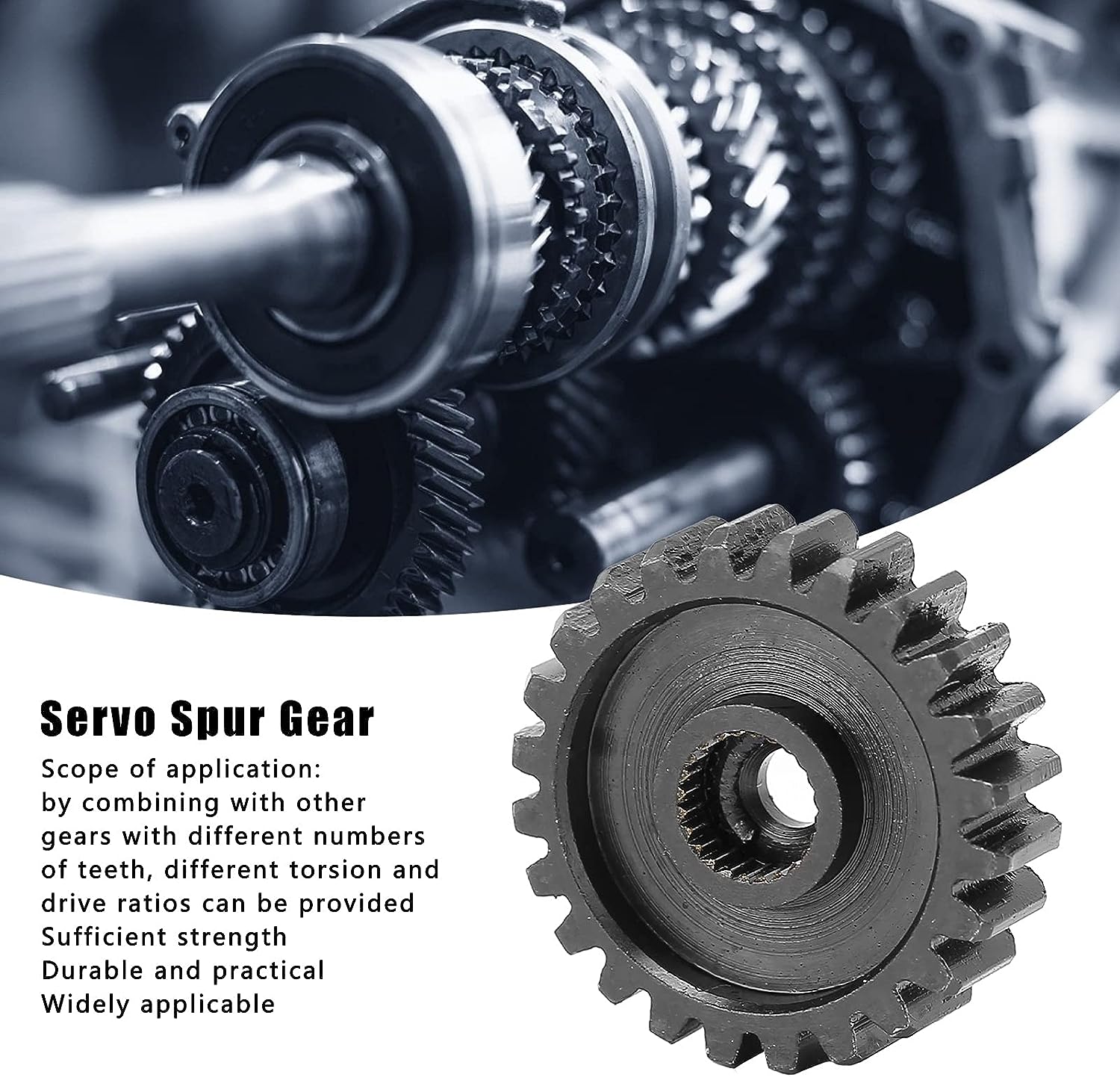
How do you maintain and service a spur gear system?
Maintaining and servicing a spur gear system is crucial to ensure its optimal performance, longevity, and reliability. Here’s a detailed explanation of how to maintain and service a spur gear system:
- Regular Inspection: Perform regular inspections of the spur gear system to identify any signs of wear, damage, misalignment, or abnormal operating conditions. Inspect the gear teeth, shafts, bearings, and housing for any visible issues. Pay attention to unusual noises, vibrations, or changes in gear performance. Early detection of problems allows for timely intervention and prevents further damage.
- Cleaning: Keep the spur gear system clean by removing any dirt, debris, or contaminants that may accumulate on the gear surfaces or within the gear housing. Use appropriate cleaning methods such as brushing, wiping, or blowing with compressed air. Avoid using harsh chemicals that may damage the gear components or compromise lubrication.
- Lubrication: Ensure proper lubrication of the spur gear system as per the manufacturer’s recommendations. Regularly check the lubricant levels and condition. Monitor viscosity, contamination levels, and oxidation of the lubricant. Replenish or replace the lubricant as necessary to maintain optimal gear lubrication and protection against wear.
- Alignment Check: Periodically check the shaft alignment of the gear system to ensure proper alignment. Misaligned shafts can result in increased wear, noise, and reduced gear efficiency. Use alignment tools such as dial indicators or laser alignment systems to verify and adjust the shaft alignment if needed.
- Torque and Fastener Check: Check the torque of fasteners, including bolts, set screws, and retaining rings, to ensure they are properly tightened. Loose fasteners can lead to gear misalignment and compromised performance. Follow the manufacturer’s recommended torque values for the specific gear system components.
- Replacement of Worn Components: Over time, gear components such as gear teeth, bearings, or shafts may wear out or become damaged. Replace any worn or damaged components promptly to prevent further issues and maintain the gear system’s functionality. Use genuine replacement parts recommended by the gear manufacturer.
- Monitoring Operating Conditions: Monitor the operating conditions of the gear system, including temperature, load, and speed. Ensure that the gear system operates within the specified limits and does not exceed the design parameters. Excessive heat, overloading, or high-speed operation can accelerate wear and reduce gear life.
- Training and Expert Support: Ensure that personnel responsible for maintaining and servicing the spur gear system receive proper training and have access to expert support. Familiarize yourself with the gear system’s documentation, including maintenance manuals, technical specifications, and troubleshooting guides. Consult with gear manufacturers or specialists for guidance on specific maintenance procedures or complex issues.
Developing a regular maintenance schedule and keeping accurate records of maintenance activities can help ensure consistent and effective servicing of the spur gear system. Adhering to recommended maintenance practices and addressing any identified issues promptly will help optimize the performance, reliability, and service life of the gear system.
It’s important to note that maintenance and servicing procedures may vary depending on the specific gear system, application, and manufacturer’s recommendations. Therefore, always refer to the gear system’s documentation and consult with the manufacturer for detailed maintenance instructions.
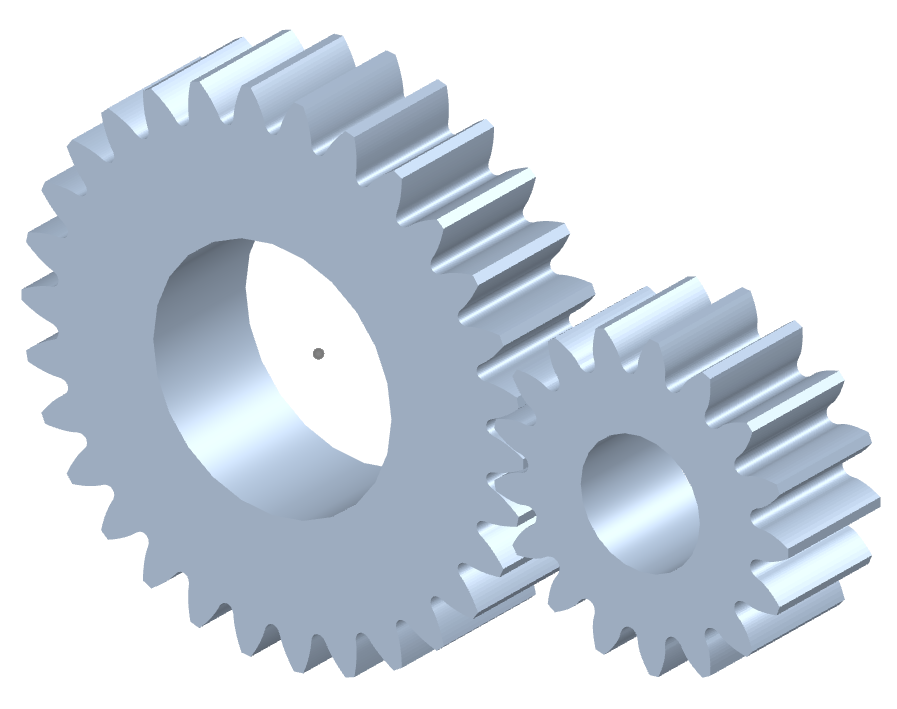
Can you explain the concept of straight-cut teeth in spur gears?
The concept of straight-cut teeth is fundamental to understanding the design and operation of spur gears. Straight-cut teeth, also known as straight teeth or parallel teeth, refer to the shape and arrangement of the teeth on a spur gear. Here’s a detailed explanation of the concept of straight-cut teeth in spur gears:
Spur gears have teeth that are cut straight and parallel to the gear axis. Each tooth has a uniform width and thickness, and the tooth profile is a straight line. The teeth are evenly spaced around the circumference of the gear, allowing them to mesh with other spur gears.
The key characteristics and concepts related to straight-cut teeth in spur gears include:
- Tooth Profile: The tooth profile of a spur gear with straight-cut teeth is a straight line that extends radially from the gear’s pitch circle. The profile is perpendicular to the gear axis and remains constant throughout the tooth’s height.
- Pitch Circle: The pitch circle is an imaginary circle that represents the theoretical point of contact between two meshing gears. For a spur gear, the pitch circle is located midway between the gear’s base circle (the bottom of the tooth profile) and the gear’s addendum circle (the top of the tooth profile).
- Pressure Angle: The pressure angle is the angle between the line tangent to the tooth profile at the pitch point and a line perpendicular to the gear axis. It determines the force distribution between the meshing teeth and affects the gear’s load-bearing capacity and efficiency. Common pressure angles for spur gears are 20 degrees and 14.5 degrees.
- Meshing: Straight-cut teeth in spur gears mesh directly with each other. The teeth engage and disengage along a line contact, creating a point or line contact between the contacting surfaces. This direct meshing arrangement allows for efficient power transmission and motion transfer.
- Advantages and Limitations: Straight-cut teeth offer several advantages in spur gears. They are relatively simple to manufacture, resulting in cost-effective production. Moreover, they provide efficient power transmission and are suitable for moderate to high-speed applications. However, straight-cut teeth can generate more noise and vibration compared to certain other tooth profiles, and they may experience higher stress concentrations under heavy loads.
In summary, straight-cut teeth in spur gears refer to the straight and parallel arrangement of the gear’s teeth. The teeth have a uniform profile with a constant width and thickness. Understanding the concept of straight-cut teeth is essential for designing and analyzing spur gears, considering factors such as tooth profile, pitch circle, pressure angle, meshing characteristics, and the trade-offs between simplicity, efficiency, and noise considerations.


editor by CX 2024-03-27