China supplier Pinion Rear Axle Sider Differential Gear for Txz292 gear box
Product Description
Product Description
| 1.Specialization in CNC formulations of high precision and quality |
| 2.Independent quality control department |
| 3.Control plan and process flow sheet for each batch |
| 4.Quality control in all whole production |
| 5.Meeting demands even for very small quantities or single units |
| 6.Short delivery times |
| 7.Online orders and production progress monitoring |
| 8.40 years of bearing experience, mature technology, and a number of inventions and utility model patents. |
Detailed Photos
Certifications
Packaging & Shipping
Company Profile
ZheJiang Province Tonging Auto Synchronizer Co., Ltd and ZheJiang Shshi Xihu (West Lake) Dis.g Gears Co. Ltd are focus on the production of space parts for the CHINAMFG over 35years. a professional company in the field.
Our spare parts are interchangeable with the major manufacturers of heavy duty trucks, buses, light commercial and 4×4 pick up vehicles, medium and heavy duty Japanese applications. New items developing for customized in earthmover and agriculture machines.
There are 1 forging production line of 1600 tons, several forging production lines from 400 tons to 1000 tons: more than 300 various manufacturing and inspecting equipments with high efficiency and precision; 2 heat treatment production lines.
Our company can achieve more production process of forging, hobbing, shaving, gear
shaping, grinding and heat treatment.
There are 4 factories affiliated to the company, including Gear Factory, Synchronizer Factory, Adjusting Arm Factory and Casting Factory, producing various Transmission Synchronizers;
Differential Gears; Cross Spiders; Differential cases and other parts. We produce those parts for various types of
domestic trucks, Japanese trucks, European trucks and other famous brands. Moreover, the Agriculture machinery gears and Engineering machinery gears can developing also.
As a member of China Gear Industry Association and China
Auto Gear Manufacture Association, our company always focuses
on technology and quality. The company is an AAA enterprise, got lATF16949:2016 Quality Management System Certificate and has been awarded as Honest and Faithful Company several times by
government. Our products occupy large share of China and we established cooperation relations with CHINAMFG Group. Meanwhile, our products become very popular in Southeast Asia, Europe. Middle
East, Russia, America and other foreign countries.
With superior quality and excellent service, we are ready to offer
our products and service to costumers of all over the world!
Material: 20CrMnTiH
Scope and Capability of Gear Processing:
Modulus 1 to 10
Grade 6 of grinding accuracy
Grade 8 of accuracy achieved by shaving
Maximum machining diameter 400mm
Heat treatment: Quenching and tempering +carburizing
Gearboxes
Input shafts
Gears
Sliding sleeves
Hubs and synchronizer cones
Planet carriers
Housing
Differentials
Loaded differential cases
Idler pinions and side gears
Gears
Differential kits
Differential Input Shafts
FAQ
| Q1. What is your terms of packing? |
| A: Generally, we pack our goods in Crates/Pallet/Boxes/Cartons. |
| Q2. How about your delivery time? |
| A: Generally, it is 3-7days if the goods are in stock,or it is need 20-30days to producing, |
| it is according to the quantity. |
| Q3. Can you produce according to the samples? |
| A: Yes, we can produce by your samples or technical drawings. We can build the molds and fixtures. |
| Q4. Do you test all your goods before delivery? |
| A: Yes, we have 100% test before delivery |
| Q5.Do you provide samples?is it free or extra? |
| A:yes,we could offer the sample for free,but do not pay the cost of freight. |
| Q6.What is your term of payment |
| A:payment less than 3000usd,100% in advance,payment more than 6000usd,30%payment before produce,70% balance payment before shipment. |
/* January 22, 2571 19:08:37 */!function(){function s(e,r){var a,o={};try{e&&e.split(“,”).forEach(function(e,t){e&&(a=e.match(/(.*?):(.*)$/))&&1
| After-sales Service: | Online Support |
|---|---|
| Warranty: | 1 |
| Type: | Engine Bearing |
| Customization: |
Available
| Customized Request |
|---|
.shipping-cost-tm .tm-status-off{background: none;padding:0;color: #1470cc}
|
Shipping Cost:
Estimated freight per unit. |
about shipping cost and estimated delivery time. |
|---|
| Payment Method: |
|
|---|---|
|
Initial Payment Full Payment |
| Currency: | US$ |
|---|
| Return&refunds: | You can apply for a refund up to 30 days after receipt of the products. |
|---|
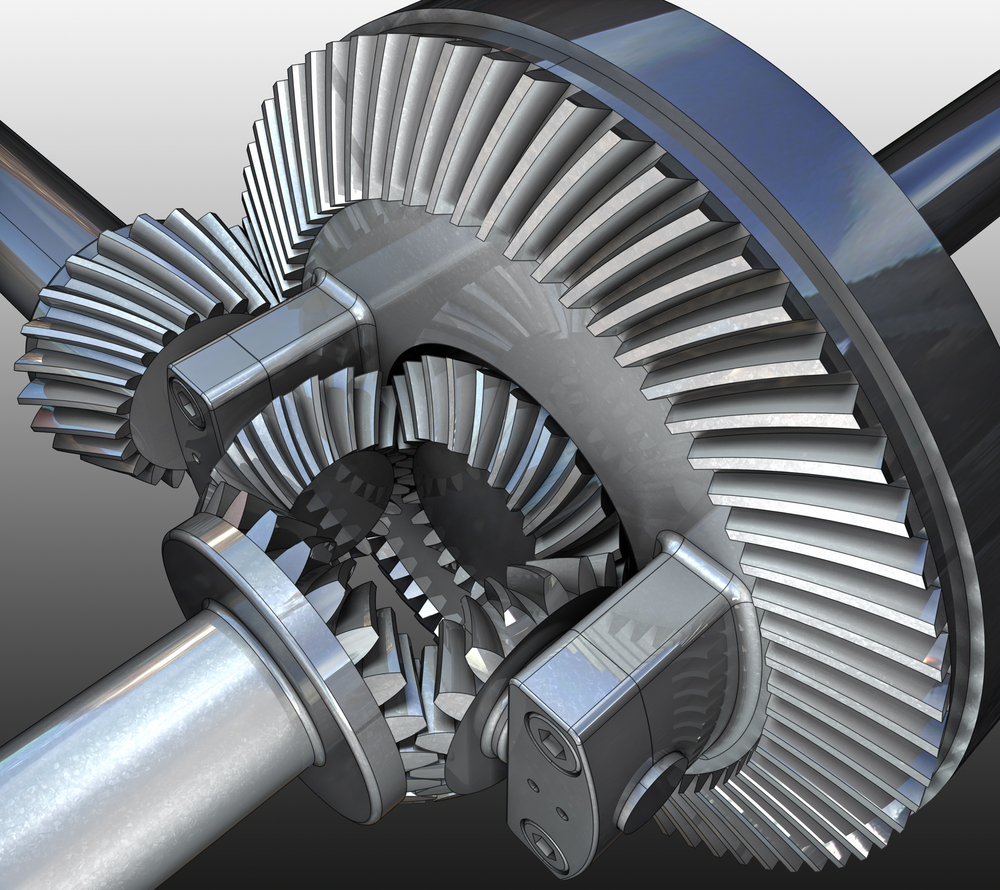
What is the impact of a malfunctioning differential gear on a vehicle’s performance?
A malfunctioning differential gear can significantly impact a vehicle’s performance and drivability. Here’s a detailed explanation of the effects of a malfunctioning differential gear:
1. Limited Traction:
A malfunctioning differential gear may result in limited traction, especially in off-road or slippery conditions. The differential gear distributes torque between the wheels to provide optimal traction. If the gear malfunctions, it may not distribute power evenly, causing one or more wheels to lose traction. This can result in wheel slip, difficulty in accelerating, and compromised control over the vehicle.
2. Poor Handling and Stability:
The differential gear plays a critical role in maintaining stability and handling characteristics of a vehicle. A malfunctioning differential gear can disrupt the balance between the wheels, leading to poor handling and stability. For example, if a rear-wheel-drive vehicle’s differential gear fails, it can cause excessive oversteer or understeer, making the vehicle difficult to control during cornering or sudden maneuvers.
3. Increased Tire Wear:
A malfunctioning differential gear can cause uneven tire wear. When the gear fails to distribute torque evenly, some wheels may experience excessive slippage or spinning, while others receive insufficient power. This uneven distribution of forces can lead to accelerated tire wear on specific wheels, resulting in uneven tread wear patterns and reducing the overall lifespan of the tires.
4. Abnormal Noise and Vibration:
A malfunctioning differential gear can produce abnormal noises and vibrations. If the gear’s components, such as bearings or gears, wear out or become damaged, it can result in grinding, whining, or clunking noises during operation. Additionally, the vehicle may experience vibrations, especially when accelerating or navigating turns. These symptoms indicate potential issues with the differential gear that require immediate attention.
5. Loss of Power and Performance:
A malfunctioning differential gear can lead to a loss of power and performance. If the gear fails to transfer torque effectively, the vehicle may experience reduced power delivery to the wheels. This can result in sluggish acceleration, decreased towing or hauling capacity, and overall compromised performance. The vehicle may struggle to climb inclines, navigate challenging terrain, or maintain speed efficiently.
6. Increased Fuel Consumption:
A malfunctioning differential gear can contribute to increased fuel consumption. When the gear fails to distribute torque properly, the engine may need to work harder to compensate for the lack of power transmission. This increased workload can lead to higher fuel consumption, as the engine consumes more fuel to maintain performance levels.
7. Safety Concerns:
A malfunctioning differential gear can pose safety concerns for the driver and passengers. Limited traction, poor handling, and compromised stability increase the risk of accidents, especially in adverse weather conditions or emergency situations. It is crucial to address any differential gear issues promptly to ensure the safe operation of the vehicle.
In summary, a malfunctioning differential gear can have a significant impact on a vehicle’s performance. It can result in limited traction, poor handling and stability, increased tire wear, abnormal noises and vibrations, loss of power and performance, increased fuel consumption, and safety concerns. Regular maintenance, prompt repairs, and addressing differential gear issues can help maintain the vehicle’s performance, drivability, and overall safety.
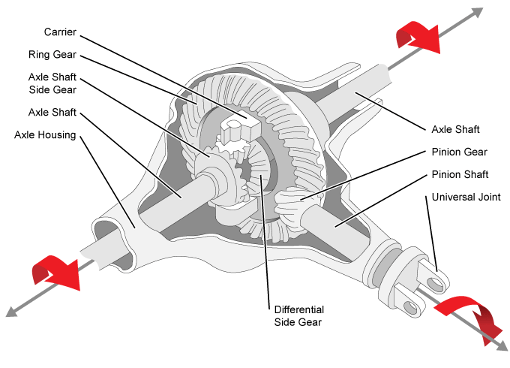
What is the process for diagnosing and repairing a differential gear issue?
Diagnosing and repairing a differential gear issue involves several steps to identify the problem accurately and implement the necessary repairs. Here’s a detailed explanation of the process:
- Initial Inspection: The process begins with a visual inspection of the differential gear assembly and surrounding components. This includes checking for any signs of leaks, damage, or abnormal wear. The technician will also listen for unusual noises, such as grinding, whining, or clunking sounds, which can indicate potential issues.
- Fluid Inspection: The next step is to inspect the differential gear oil. The technician will check the fluid level and condition. Contaminated or low fluid levels can contribute to differential problems. If the fluid appears dirty, metallic, or has a burnt smell, it may indicate internal damage or excessive wear.
- Test Drive: A test drive is often conducted to observe the vehicle’s behavior and confirm the presence of any differential gear issues. The technician will pay attention to abnormal noises, vibrations, or handling characteristics that may point to specific problems within the differential assembly.
- Differential Disassembly: If a differential issue is suspected, the technician may need to disassemble the differential assembly for a more detailed inspection. This involves removing the driveshaft, axles, and other components to gain access to the differential gears. The differential housing and gears are carefully inspected for signs of wear, damage, or misalignment.
- Measurement and Evaluation: Precision measurements are taken to assess the condition of the differential gears, bearings, and related components. This may involve using specialized tools to check gear backlash, gear tooth wear, bearing clearances, and other critical parameters. These measurements help determine the extent of the problem and whether components need to be repaired or replaced.
- Component Repair or Replacement: Based on the evaluation, the technician will determine the appropriate repair or replacement actions. Damaged or worn components such as gears, bearings, seals, or shims may need to be replaced. In some cases, the entire differential assembly may need to be replaced if the damage is extensive or the cost of repairs outweighs replacement.
- Reassembly and Adjustment: Once the necessary repairs or replacements have been made, the differential assembly is reassembled with new components. Proper adjustments are made to ensure correct gear meshing, preload, and backlash. The technician will also refill the differential with the recommended fluid and perform any additional adjustments or calibrations as required.
- Final Testing: After reassembly, a final test drive is conducted to verify that the differential gear issue has been successfully resolved. The technician will listen for abnormal noises, monitor handling characteristics, and assess overall performance to ensure proper functionality of the repaired differential.
In summary, diagnosing and repairing a differential gear issue involves an initial inspection, fluid inspection, test drive, differential disassembly, measurement and evaluation, component repair or replacement, reassembly and adjustment, and final testing. This systematic process helps identify the problem, determine the necessary repairs, and restore the differential gear to proper working condition.
How does a differential gear help in turning a vehicle smoothly?
A differential gear plays a crucial role in enabling smooth turning of a vehicle. Here’s a detailed explanation:
When a vehicle turns, the wheels on the outside of the turn travel a greater distance compared to the wheels on the inside. This difference in distance would cause significant strain and binding in the drivetrain if all the wheels were rigidly connected. The differential gear solves this problem by allowing the wheels to rotate at different speeds during turns, resulting in smooth and controlled maneuvering.
1. Speed Differentiation:
The differential gear allows the wheels to rotate at different speeds while still receiving power from the engine. As the vehicle turns, the outer wheel covers a greater distance and needs to rotate faster than the inner wheel. The differential enables this speed differentiation by distributing torque unequally between the two wheels, allowing them to rotate at different rates.
2. Path Following:
By allowing the wheels to rotate at different speeds, the differential gear helps the vehicle follow the desired path during a turn. The outside wheel, which needs to cover a longer distance, rotates faster to maintain the vehicle’s trajectory. At the same time, the inside wheel rotates slower, preventing the vehicle from skidding or drifting wide during the turn. The differential ensures that both wheels work together to maintain stability and control throughout the turning process.
3. Smooth Power Transfer:
During a turn, the differential gear facilitates smooth power transfer to the wheels. By allowing the wheels to rotate at different speeds, the differential minimizes drivetrain stress and wheel scrubbing. This promotes smoother operation and reduces the likelihood of wheel hop or wheel slip, resulting in improved traction and overall control.
4. Reduction of Tire Wear:
The differential gear’s ability to differentiate wheel speeds during turns helps reduce tire wear. If the wheels were rigidly connected, they would experience excessive scrubbing and wear during turning maneuvers. The differential allows the wheels to rotate at different speeds, minimizing tire scrubbing and promoting more even tire wear. This contributes to longer tire life and better overall performance.
5. Enhanced Maneuverability:
By enabling smooth turning, the differential gear enhances the maneuverability of a vehicle. It allows for precise and controlled steering inputs, making it easier to navigate corners, curves, and tight spaces. The differential’s role in differentiating wheel speeds ensures that the vehicle can execute turns smoothly and responsively, enhancing the overall driving experience.
In summary, the differential gear helps in turning a vehicle smoothly by allowing the wheels to rotate at different speeds during turns. This speed differentiation enables the vehicle to follow the desired path, facilitates smooth power transfer, reduces tire wear, and enhances maneuverability. The differential’s ability to accommodate varying wheel speeds ensures that the vehicle can navigate turns with improved stability, control, and comfort.


editor by Dream 2024-04-26