China supplier Professional Factory Power Differential Transmission Variator Stepless Reduction Gearbox gear patrol
Product Description
Professional factory Power Differential Transmission variator stepless reduction gearbox
Components:
1. Housing: Aluminium alloy(udl series) cast iron(ud series)
2. Input configurations:
Equipped with electric motors
IEC-normalized motor flange
3. Output configurations:
CHINAMFG shaft output
CHINAMFG shaft output with output flange
Models:
Foot mounted – udl002b3~ud050b3
Flange mounted – udl002b5~ud050b5
Features:
1. Adjustable speed span can be accurate to 0.5~1 r/min
2. Can be combined with other types of gearboxes (such as r series, k series, f series, s series, RV series, wb series cycloid reducers)
3. Compact structure
4. Clockwise and counterclockwise rotation
Parameters:
| Models | Power | Ratio | Output speed(n2)* | Output torque | Output shaft dia. | Output flange dia. |
| Udl002 | 0.18kw | 1.6~8.2 | 800~170r/min | 1.5~3n. M | Φ11 | Φ140 |
| Udl005 | 0.25kw | 1.4~7 | 1000~200r/min | 2.2~6n. M | Φ14 | Φ160 |
| Udl005 | 0.37kw | 1.4~7 | 1000~200r/min | 3~6n. M | Φ14 | Φ160 |
| Udl571 | 0.55kw | 1.4~7 | 1000~200r/min | 4~8n. M | Φ19 | Φ200 |
| Udl571 | 0.75kw | 1.4~7 | 1000~200r/min | 6~12n. M | Φ19 | Φ200 |
* input speed n1=1400r/min
Commercial information:
| MOQ | 1 piece |
| Package | Plywood case/wooden case |
| Delivery | 20-25 days |
| Payment terms | Fob, CIF, CFR |
| Payment methods | T/T, 30% in advance, 70% before delivery |
| Shipping port | ZheJiang |
Material:
Housing: Aluminium or ht250 cast iron.
Gear: 20crmnti h, high grade allo with carburization, surface hardness: 58-62HRC, center hardness: 33-48HRC
Grinding precision grade: ISO1328-1: 1995 class 5-6, surfaceness: 0.8, carburization depth: 0.6-1.5mm
Bearing: 42CrMo
Company profile:
Company: HangZhou CHINAMFG machinery Co., Ltd—a joint-venture company
Employmee: More than 3000, technical staff have 1/3 intotal
Business scope: P/RV/r/f/k/hb series gear units, AC motor and micro-planetary gearbox, ATA series hanging shaft-mounted gearbox
Factory square: 0.6million square CHINAMFG
Market share: South America, Europe, the Middle East, southeast Asia and other countries
Our superiority:
1. Delivery on time.
2. Professional service: Customized is our advantage.
3. Good quality.
4. Fast and low cost deliver: Long-term cooperated shipping forwarders.
Our services:
| Pre-sale services | 1. Select equipment model. |
| 2. Design and manufacture products according to clients’ special requirement. | |
| 3. Train technical personal for clients | |
| Services during selling | 1. Pre-check and accept products ahead of delivery. |
| 2. Help clients to draft solving plans | |
| After-sale services | 1. Assist clients to prepare for the first construction scheme. |
| 2. Train the first-line operators. | |
| 3. Take initiative to eliminate the trouble rapidly. | |
| 4. Provide technical exchanging. |
Installation:
B3 Foot-mounted
B5 Flange-mounted
Product Pictures:
Packaging & Shipping:
Our company :
AOKMAN was founded in 1982, which has more than 36 years in R & D and manufacturing of gearboxes, gears, shaft, motor and spare parts.
We can offer the proper solution for uncountable applications. Our products are widely used in the ranges of metallurgical, steel, mining, pulp and paper, sugar and alcohol market and various other types of machines with a strong presence in the international market.
AOKMAN has become a reliable supplier, able to supply high quality gearboxes.With 36 years experience, we assure you the utmost reliability and security for both product and services.
Customer visiting:
FAQ:
1.Q:What kinds of gearbox can you produce for us?
A:Main products of our company: UDL series speed variator,RV series worm gear reducer, ATA series shaft mounted gearbox, X,B series gear reducer,
P series planetary gearbox and R, S, K, and F series helical-tooth reducer, more
than 1 hundred models and thousands of specifications
2.Q:Can you make as per custom drawing?
A: Yes, we offer customized service for customers.
3.Q:What is your terms of payment ?
A: 30% Advance payment by T/T after signing the contract.70% before delivery
4.Q:What is your MOQ?
A: 1 Set
If you have any demand for our products please feel free to contact me /* January 22, 2571 19:08:37 */!function(){function s(e,r){var a,o={};try{e&&e.split(“,”).forEach(function(e,t){e&&(a=e.match(/(.*?):(.*)$/))&&1
| Application: | Machinery |
|---|---|
| Hardness: | Hardened Tooth Surface |
| Installation: | Horizontal Type |
| Layout: | Coaxial |
| Gear Shape: | Helical Gear |
| Step: | Stepless |
| Customization: |
Available
| Customized Request |
|---|
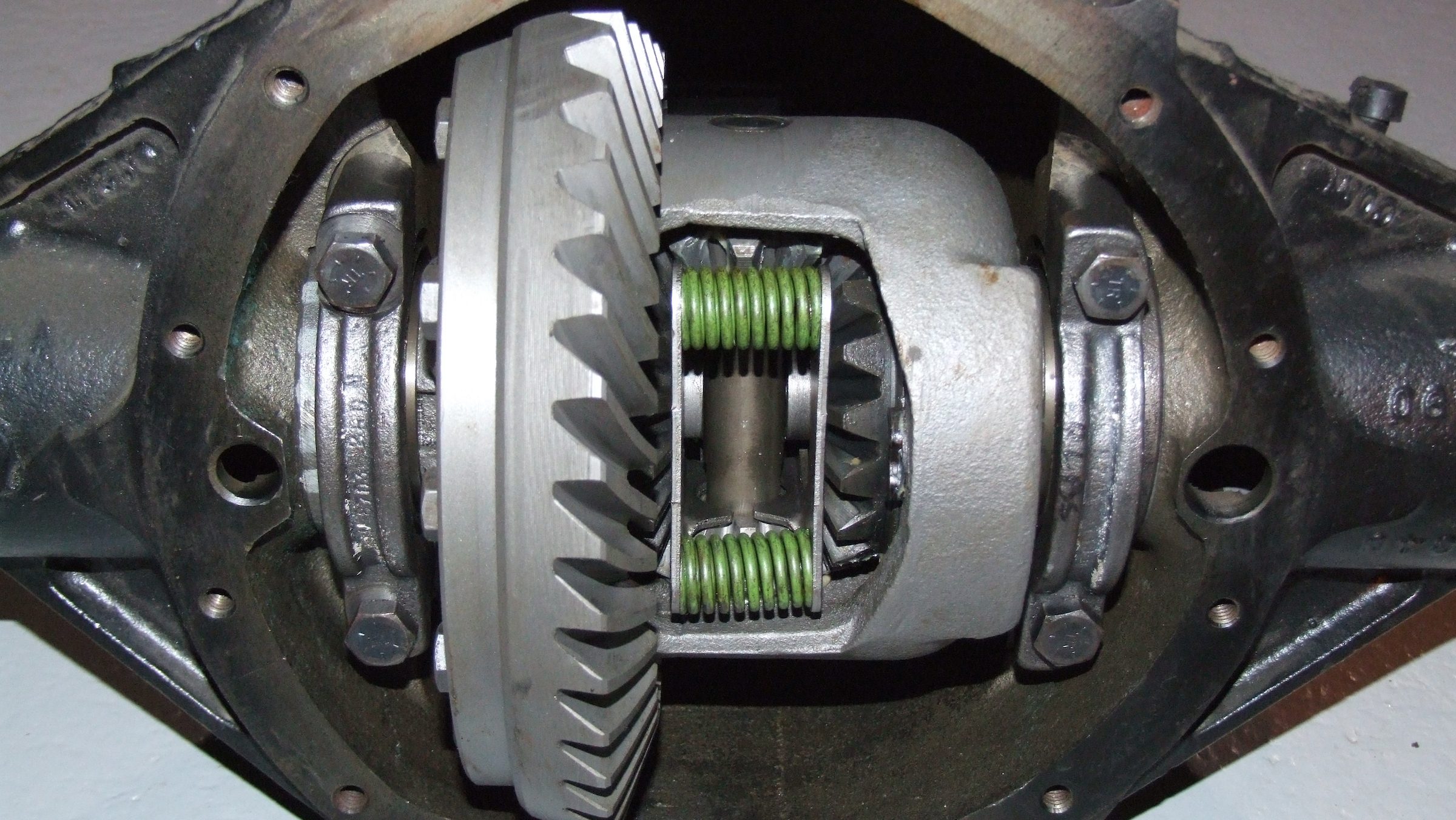
What are the symptoms of a failing differential gear?
A failing or faulty differential gear can exhibit various symptoms that indicate potential problems with its operation. Here are some common signs to look out for:
- 1. Whining or Howling Noises: A prominent symptom of a failing differential gear is the presence of whining, howling, or rumbling noises coming from the rear of the vehicle. These noises may increase with vehicle speed or during specific driving maneuvers, such as turning or accelerating. The noises can indicate worn or damaged gears, insufficient lubrication, or misalignment within the differential assembly.
- 2. Clunking or Clicking Sounds: Another symptom of a failing differential gear is the occurrence of clunking or clicking sounds, particularly during changes in direction or when shifting between drive modes. This can indicate worn or damaged gears, worn universal joints, or loose components within the differential.
- 3. Vibration or Shuddering: A failing differential gear may cause vibration or shuddering sensations, especially when accelerating or decelerating. This can be a result of worn or damaged gears, improper gear meshing, or worn bearings within the differential assembly.
- 4. Difficulty in Turning: If the differential gear is experiencing issues, you may notice increased difficulty in turning the vehicle, particularly during sharp turns or low-speed maneuvers. This can be caused by uneven torque distribution or limited mobility of the differential gears.
- 5. Fluid Leaks: Leaking fluid around the differential housing is a potential indicator of a failing gear. Differential fluid is essential for lubrication and cooling of the gears and bearings. A leak can result from worn seals, cracked housing, or damaged components within the differential assembly.
- 6. Excessive Tire Wear: A failing differential gear may lead to uneven tire wear. If you notice significant wear on the inner or outer edges of the tires, it could be a sign of differential problems. Uneven torque distribution can cause increased stress on specific tires, leading to abnormal wear patterns.
- 7. Gear Slippage: In severe cases, a failing differential gear may result in gear slippage. This means that power is not being effectively transferred to the wheels, causing a loss of traction and reduced vehicle performance. Gear slippage can occur due to worn or damaged gears, insufficient lubrication, or other internal failures within the differential.
If you observe any of these symptoms, it is recommended to have your vehicle inspected by a qualified mechanic or technician. They can diagnose the exact cause of the issues and determine if the differential gear requires repair or replacement.
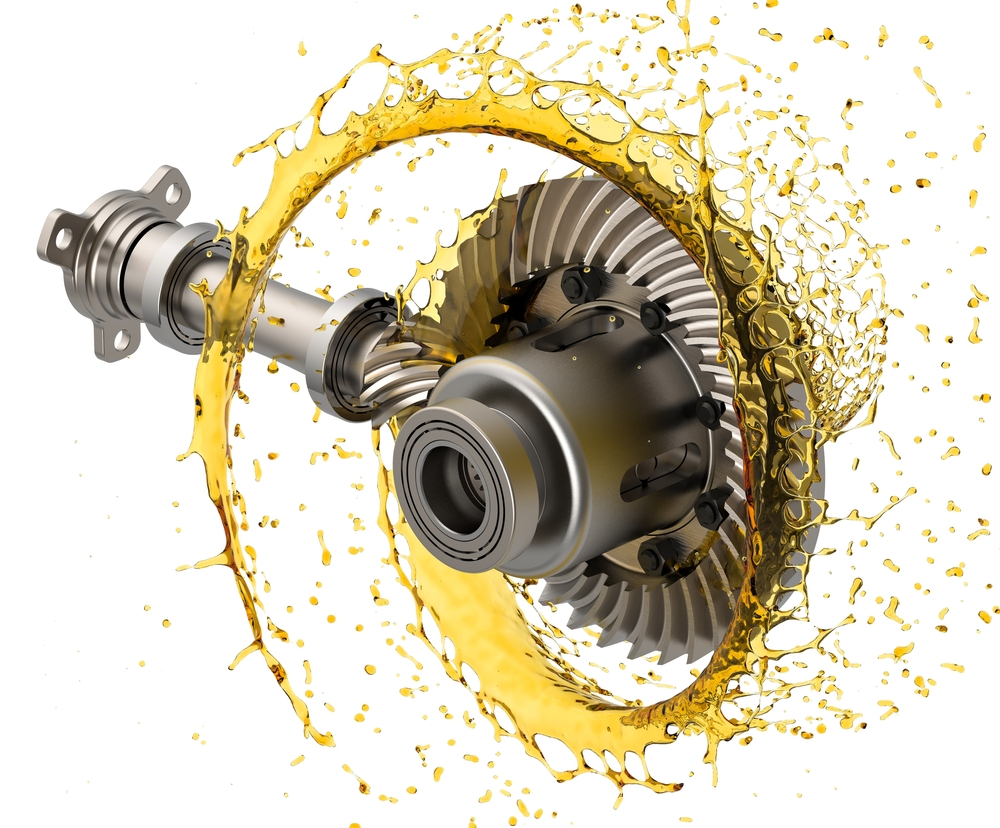
Can differential gears be upgraded or customized for specific applications?
Yes, differential gears can be upgraded or customized for specific applications to enhance performance, traction, and handling. Here’s a detailed explanation of how differential gears can be upgraded or customized:
- Gear Ratio Changes: One way to customize differential gears is by changing the gear ratios. Different gear ratios can alter the torque distribution between the wheels, optimizing it for specific applications. For example, shorter gear ratios can improve acceleration and low-end torque, while taller gear ratios can enhance fuel efficiency and top speed. Gear ratio changes are commonly performed in performance vehicles, off-road vehicles, and racing applications to suit specific driving requirements.
- Limited-Slip Differentials (LSD): Upgrading to limited-slip differentials can significantly improve traction and handling. LSDs distribute torque between the wheels more evenly compared to open differentials, reducing wheel spin and maximizing grip. LSDs are particularly beneficial in high-performance vehicles, off-road vehicles, and applications where maintaining traction is crucial, such as racing or challenging driving conditions. LSDs can be retrofitted or factory-installed depending on the vehicle and its specific requirements.
- Electronic Differential Controls: Some vehicles feature electronic controls for the differential system. These controls allow customization of the differential’s behavior based on driving conditions and driver preferences. Through electronic controls, differential characteristics such as torque distribution, responsiveness, and traction management can be adjusted. This customization helps optimize performance, stability, and traction in various driving scenarios.
- Aftermarket Upgrades: The aftermarket industry offers various differential upgrade options. These include performance differentials, heavy-duty differentials, and specialized differentials designed for specific applications. These aftermarket upgrades can provide improved durability, enhanced traction, and higher torque capacity compared to stock differentials. They are commonly chosen by enthusiasts, off-road enthusiasts, and individuals seeking to enhance the capabilities of their vehicles for specific purposes.
- Custom Differential Designs: In certain cases, custom differential designs can be developed to meet specific application requirements. For example, in motorsports, differential designs can be tailored to optimize performance, handling, and traction for the specific demands of the racing discipline. Custom differentials may involve unique gear arrangements, specialized materials, and advanced features to deliver superior performance in targeted applications.
In summary, differential gears can be upgraded or customized to suit specific applications. Upgrades may include gear ratio changes, installation of limited-slip differentials, utilization of electronic differential controls, aftermarket differential options, or even custom differential designs. These modifications and customizations allow for improved performance, traction, and handling, catering to the specific needs and preferences of different vehicles and driving scenarios.
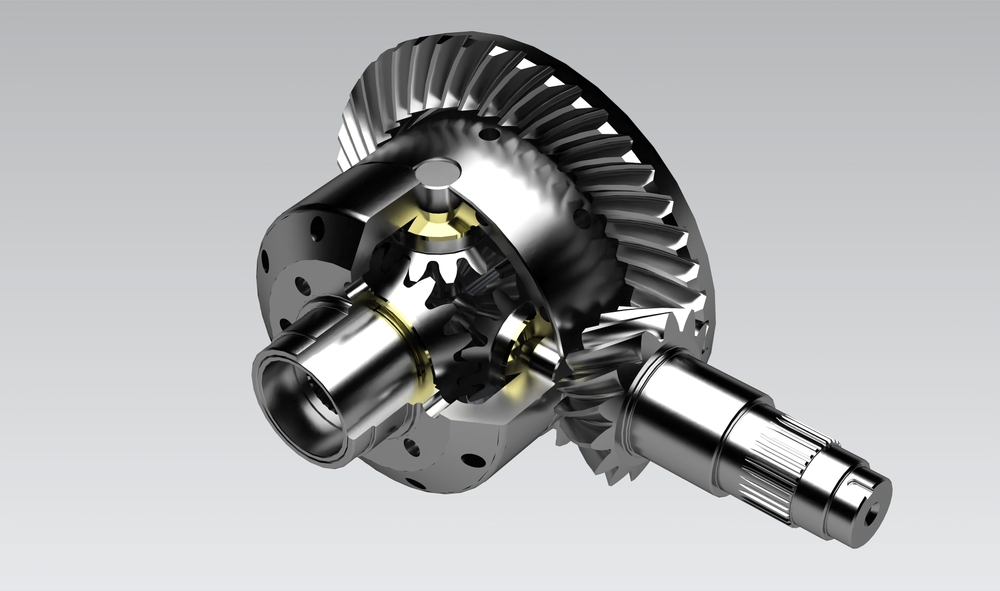
What is the purpose of using a differential gear in an automobile?
A differential gear serves a crucial purpose in an automobile. Here’s a detailed explanation:
The purpose of using a differential gear in an automobile is to allow the wheels to rotate at different speeds while receiving power from the engine. It enables smooth and controlled maneuvering, optimizes traction, and enhances overall performance. The differential gear plays several key roles in an automobile:
1. Torque Distribution:
One of the primary purposes of a differential gear is to distribute torque (rotational force) from the engine to the wheels. As the engine generates power, the differential ensures that it is transmitted to the wheels efficiently and effectively. By dividing the torque between the two wheels, the differential enables both wheels to receive power and propel the automobile forward.
2. Differential Action:
The differential gear allows the wheels to rotate at different speeds when the automobile is turning or when one wheel encounters different traction conditions. This differential action is crucial for smooth and controlled maneuvering. By enabling the outer wheel to rotate faster than the inner wheel during a turn, the differential allows the automobile to negotiate corners without binding or skidding.
3. Wheel Speed Compensation:
When the automobile is turning, the inside wheel travels a shorter distance compared to the outside wheel. Without a differential gear, this speed difference would cause significant drivetrain stress and tire wear. The differential gear compensates for the varying wheel speeds by allowing the wheels to rotate at different speeds, ensuring smooth operation and minimizing strain on the drivetrain components.
4. Traction Improvement:
In situations where one wheel loses traction, such as when driving on slippery surfaces or uneven terrain, the differential gear helps improve traction. By allowing the wheel with traction to receive more power, the differential ensures that the automobile can continue moving forward. This is particularly important in automobiles with two-wheel drive, as the differential helps optimize power delivery to the wheel with better traction.
5. Reducing Tire Wear:
The differential gear contributes to reducing tire wear by accommodating differences in wheel speeds. By allowing the wheels to rotate at different speeds during turns, the differential minimizes tire scrubbing and uneven wear. It helps distribute the forces evenly across the tires, promoting longer tire life and maintaining better overall traction.
6. Enhanced Stability and Handling:
The differential gear plays a crucial role in enhancing automobile stability and handling. By allowing the wheels to rotate independently, the differential facilitates better control during turns and maneuvering. It helps maintain proper weight distribution, prevents excessive understeer or oversteer, and promotes balanced handling characteristics.
Overall, the purpose of using a differential gear in an automobile is to enable torque distribution, facilitate smooth and controlled maneuvering, optimize traction, reduce tire wear, and enhance stability and handling. The differential gear ensures that power is efficiently delivered to the wheels while accommodating varying speed and traction conditions, resulting in improved performance and driving dynamics.


editor by Dream 2024-05-15