China supplier Swl Series Linear Manual Car Mechanical Bolt Lifter Landing Electric Reducer Worm Mandrel Elevator Gear Drive Screw Jack worm gearbox
Product Description
Customise Now
SWL series worm screw jack
Worm Screw Jack
Screw-Worm Jack or screw lift lifts widely used in machine building, metallurgy, construction, irrigation equipment and other industries, is starting up, and dropped through accessories advance, overturned and position adjustment and other functions at various altitudes. SWL is a worm screw-lift crane components foundation with compact structure, small size and light weight. Sources extensive, no noise, easy installation, the use of flexible, multi-function, supporting forms, high reliability, long life and many other advantages. Can be single or in combination, can be controlled accurately in accordance with certain procedures to enhance or promote the adjustment of height Motor power can be used directly or can also be manually operated. It’s a form of structure and assembly, and the height can be customized user requirements
Product Description
Technical data:
1. Lift speed: 150mm/min~1800mm/min
2. Input power:0.5 -21.8KW
3. Screw rang: 5-16 mm
4. Bearing range: 2T-100T
5. Structure: motor direct connection, single & double shaft
Characteristic:
Standardize & series design
Reverse operation
Product Parameters
|
Type |
Model |
Screw thread size |
Max |
Max |
Weight without stroke |
Screw weight |
|
SWL Screw jack |
SWL2.5 |
Tr30*6 |
25 |
25 |
7.3 |
0.45 |
|
SWL5 |
Tr40*7 |
50 |
50 |
16.2 |
0.82 |
|
|
SWL10/15 |
Tr58*12 |
100/150 |
99 |
25 |
1.67 |
|
|
SWL20 |
Tr65*12 |
200 |
166 |
36 |
2.15 |
|
|
SWL25 |
Tr90*16 |
250 |
250 |
70.5 |
4.15 |
|
|
SWL35 |
Tr100*18 |
350 |
350 |
87 |
5.20 |
|
|
SWL50 |
Tr120*20 |
500 |
500 |
420 |
7.45 |
|
|
SWL100 |
Tr160*23 |
1000 |
1000 |
1571 |
13.6 |
|
|
SWL120 |
Tr180*25 |
1200 |
1200 |
1350 |
17.3 |
|
1.Compact structure,Small size.Easy mounting,varied types. Can be applied in 1 unit or multiple units. |
||||
|
2.High reliability.Long service life; With the function of ascending,descending,thrusting,overturning |
||||
|
3.Wide motivity.It can be drived by electrical motor and manual force. |
||||
|
4.It is usually used in low speed situation,widely used in the fields of |
Detailed Photos
|
1. screw rod |
2. nut bolt |
3. cover |
4.Skeleton oil seal |
5.Bearing |
|
6.Worm gear |
7.Oil filling hole |
8.Case |
9.Skeleton oil seal |
10.Cover |
|
11. nut bolt |
12.Bearing |
13.Skeleton oil seal |
14.Bearing |
15.worm |
|
16.Flat key |
17.Bearing |
18.Skeleton oil seal |
19.Cover |
20.Nut bolt |
Product Description
Packaging & Shipping
Company Profile
/* January 22, 2571 19:08:37 */!function(){function s(e,r){var a,o={};try{e&&e.split(“,”).forEach(function(e,t){e&&(a=e.match(/(.*?):(.*)$/))&&1
| Standard or Nonstandard: | Nonstandard |
|---|---|
| Application: | Textile Machinery, Garment Machinery, Conveyer Equipment, Electric Cars, Motorcycle, Food Machinery, Marine, Mining Equipment, Agricultural Machinery, Car, Power Transmission |
| Customized Support: | OEM, ODM, Obm |
| Brand Name: | Beiji or Customized |
| Certificate: | ISO9001:2008 |
| Structures: | Worm Gear and Worm |
| Samples: |
US$ 50/Piece
1 Piece(Min.Order) | |
|---|

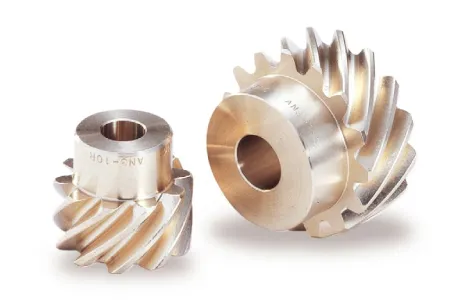
Are screw gears suitable for high-torque applications?
Using screw gears, also known as worm gears, in high-torque applications requires careful consideration. The torque capacity of screw gears can be a limiting factor due to their unique design and characteristics. Here’s a detailed explanation of the suitability of screw gears for high-torque applications:
Yes, screw gears can be suitable for high-torque applications, but there are certain limitations to consider:
- Lower Torque Capacity: Screw gears generally have a lower torque capacity compared to other gear types, such as spur gears or helical gears. The sliding contact between the worm gear and worm wheel, coupled with the high gear ratios typically associated with screw gears, can result in higher contact stresses and increased wear. Therefore, screw gears are generally not the first choice for applications with extremely high torque requirements.
- Efficiency and Heat Generation: In high-torque applications, the efficiency of the gear system becomes crucial. Screw gears, due to their sliding motion and higher friction compared to other gear types, can have lower mechanical efficiency. This lower efficiency leads to increased heat generation, which may be a concern in high-torque applications where heat dissipation becomes challenging. Proper lubrication, cooling, and heat management strategies are important to ensure reliable operation under high torque conditions.
- Load Distribution: The load distribution in a screw gear mechanism is not as uniform as in some other gear types. The load is concentrated on a limited number of teeth, which can lead to higher tooth stresses and potential wear. This concentration of load can be a limiting factor in high-torque applications, as it can result in premature gear failure or reduced lifespan.
- Application-Specific Considerations: While screw gears may have limitations in high-torque applications, there are scenarios where they can still be suitable. For example, in applications that require precise positioning, heavy loads, or the ability to hold position without additional braking mechanisms, the self-locking feature of screw gears can be advantageous. Additionally, advancements in gear design, materials, and lubrication can help improve the torque capacity and performance of screw gears in specific high-torque applications.
When considering the use of screw gears in high-torque applications, it is important to carefully evaluate the specific torque requirements, operating conditions, and other factors such as speed, duty cycle, and environmental considerations. Consulting with experienced engineers and conducting thorough analysis will help determine whether screw gears are suitable or if alternative gear types should be considered to meet the high-torque demands of the application.
Can screw gears be used in both vertical and horizontal orientations?
Yes, screw gears, also known as worm gears, can be used in both vertical and horizontal orientations. The suitability of screw gears for a particular orientation depends on several factors. Here’s a detailed explanation of using screw gears in vertical and horizontal orientations:
Vertical Orientation:
Screw gears can be used in vertical orientations, such as when the worm gear is positioned vertically above or below the worm wheel. However, there are some considerations to keep in mind:
- Self-Locking Capability: One advantage of screw gears is their self-locking capability, which means they can hold position without additional braking mechanisms. In vertical orientations, this self-locking feature can be beneficial, especially when the load needs to be held in position without the need for external support or brakes.
- Lubrication: Proper lubrication is crucial in vertical screw gear applications to ensure efficient power transmission and minimize wear. Gravity can affect lubricant distribution, so it is essential to use lubricants with appropriate viscosity and ensure adequate lubrication reaches all gear surfaces even in a vertical configuration.
- Load and Torque: The weight of the load being transmitted through the screw gear system is an important consideration in vertical orientations. Vertical applications often involve lifting or supporting heavy loads, and the torque requirements can be high. It is important to ensure that the screw gear system is designed to handle the specific load and torque demands of the vertical application.
Horizontal Orientation:
Screw gears can also be used in horizontal orientations, where the worm gear and worm wheel are positioned parallel to the ground. Here are some considerations for using screw gears in horizontal orientations:
- Lubrication: Proper lubrication is still important in horizontal screw gear applications to minimize friction, wear, and heat generation. The lubricant viscosity and type should be chosen to provide adequate film thickness and reduce sliding friction between the gear surfaces.
- Efficiency: Screw gears generally have lower mechanical efficiency compared to some other gear types. In horizontal orientations, where efficiency is critical for power transmission, it is important to consider the gear design and material selection to minimize energy losses and maximize the overall system efficiency.
- Load Distribution: In horizontal orientations, the load distribution between the worm gear and the worm wheel is typically more uniform compared to vertical orientations. This can help reduce tooth stresses and increase the overall stability of the gear system.
- Mounting and Support: Proper mounting and support of the screw gear system are important in horizontal orientations to ensure alignment and minimize vibrations. Adequate support structures, such as rigid bases or frames, should be used to maintain the gear system’s stability and integrity.
In summary, screw gears can be used in both vertical and horizontal orientations. However, the specific application requirements, including load, torque, lubrication, and efficiency considerations, should be carefully evaluated to ensure the screw gear system is suitable and designed to meet the demands of the particular orientation.
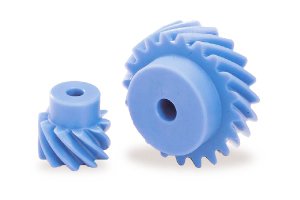
How do you choose the right size screw gear for your application?
Choosing the right size screw gear for your application involves considering several factors to ensure optimal performance and compatibility. Here are the key steps to follow when selecting a screw gear:
- Determine the Application Requirements: Start by understanding the specific requirements of your application. Consider factors such as the desired gear reduction ratio, torque requirements, rotational speed, load capacity, and precision positioning needs. Having a clear understanding of your application’s requirements will help guide the selection process.
- Calculate the Gear Ratio: Determine the required gear reduction ratio by considering the speed and torque specifications of your application. The gear reduction ratio is calculated by dividing the input speed by the output speed. This ratio will help narrow down the options for suitable screw gears.
- Evaluate Load Capacity: Assess the load capacity requirements of your application. Consider the maximum load that the screw gear needs to handle. This includes both the static load (the load when the system is at rest) and the dynamic load (the load during operation). Ensure that the selected screw gear can handle the anticipated loads without experiencing excessive wear or failure.
- Consider Torque Requirements: Determine the required torque output of the screw gear to meet the demands of your application. Calculate the torque by multiplying the load torque by the gear reduction ratio. Ensure that the selected screw gear can provide the necessary torque output to drive the load effectively.
- Analyze Speed and Efficiency: Evaluate the desired rotational speed and efficiency of the screw gear system. Consider the input speed, output speed, and efficiency requirements of your application. Ensure that the selected screw gear can operate within the desired speed range while maintaining the required efficiency levels.
- Check Mounting and Space Constraints: Assess the available space and mounting requirements in your application. Consider factors such as the required size, shape, and mounting configuration of the screw gear. Ensure that the selected screw gear can be properly installed and integrated into your application without any space or mounting constraints.
- Consider Material and Lubrication: Evaluate the environmental conditions and operating parameters of your application. Consider factors such as temperature, humidity, exposure to contaminants, and the need for corrosion resistance. Select a screw gear made from materials suitable for the application environment. Additionally, consider the lubrication requirements and ensure that the selected screw gear can be adequately lubricated for smooth operation and reduced wear.
- Consult Manufacturers and Suppliers: Seek advice and consult with manufacturers or suppliers of screw gears. They can provide valuable insights and recommendations based on their expertise and product knowledge. Provide them with the specific details of your application requirements for better guidance in selecting the appropriate screw gear.
By following these steps and considering the factors mentioned, you can choose the right size screw gear that matches the requirements of your application. It is crucial to ensure that the selected screw gear can handle the load, provide the necessary torque and speed, fit within the available space, and operate effectively in the application environment.


editor by CX 2024-03-26