China wholesaler Automobile Spare Parts Differential Gear for Japanese Trucks I Suzu 1-41561-086-0 hypoid bevel gear
Product Description
Product Description
| Gear model | Customized gear accoding to customers sample or drawing |
| product name | Customized Bevel Gear for Reducer/ Oil Drilling Rig/ Construction Machinery/ Truck |
| material | stainless steel , iron , aluminum ,bronze ,carbon steel ,brass , nylon etc . |
| N.W | 11KG |
| BORE | Finished bore, Pilot Bore, Special request |
| surface treatment | Carburizing and Quenching,Tempering ,Tooth suface high quenching Hardening,Tempering |
| Processing Method | Molding, Shaving, Hobbing, Drilling, Tapping, Reaming, Manual Chamfering, Grinding etc |
| Heat Treatment | Quenching & Tempering, Carburizing & Quenching, High-frequency Hardening, Carbonitriding…… |
| Package | Wooden Case/Container and pallet, or made-to-order |
| Certificate | ISO9001 TS16949 |
| Machining Process | Gear Hobbing, Gear Milling, Gear Shaping, Gear Broaching, Gear Shaving, Gear Grinding and Gear Lapping ,gear accuracy testing |
| OEM NO. | 1-41561-086-0 |
Detailed Photos
Certifications
Packaging & Shipping
Company Profile
ZheJiang Province Tonging Automobile Synchronizer Co., Ltd and ZheJiang HangZhou Xihu (West Lake) Dis.g Gears Co. Ltd are focus on the production of space parts for the CHINAMFG over 35years. a professional company in the field.
Our spare parts are interchangeable with the major manufacturers of heavy duty trucks, buses, light commercial and 4×4 pick up vehicles, medium and heavy duty Japanese applications. New items developing for customized in earthmover and agriculture machines.
There are 1 forging production line of 1600 tons, several forging
production lines from 400 tons to 1000 tons: more than 300 various
manufacturing and inspecting equipments with high efficiency and
precision; 2 heat treatment production lines.
FAQ
| Q1. What is your terms of packing? |
| A: Generally, we pack our goods in Crates/Pallet/Boxes/Cartons. |
| Q2. How about your delivery time? |
| A: Generally, it is 3-7days if the goods are in stock,or it is need 30-60days to producing,it is according to the quantity. |
| Q3. Can you produce according to the samples? |
| A: Yes, we can produce by your samples or technical drawings. We can build the molds and fixtures. |
| Q4. Do you test all your goods before delivery? |
| A: Yes, we have 100% test before delivery |
| Q5.Do you provide samples?is it free or extra? |
| A:yes,We receive 30% of the order and can provide samples free of charge,but do not pay the cost of freight. |
/* January 22, 2571 19:08:37 */!function(){function s(e,r){var a,o={};try{e&&e.split(“,”).forEach(function(e,t){e&&(a=e.match(/(.*?):(.*)$/))&&1
| After-sales Service: | Online Support |
|---|---|
| Warranty: | 1 Year |
| Type: | Differential Bearing |
| Customization: |
Available
| Customized Request |
|---|
.shipping-cost-tm .tm-status-off{background: none;padding:0;color: #1470cc}
|
Shipping Cost:
Estimated freight per unit. |
about shipping cost and estimated delivery time. |
|---|
| Payment Method: |
|
|---|---|
|
Initial Payment Full Payment |
| Currency: | US$ |
|---|
| Return&refunds: | You can apply for a refund up to 30 days after receipt of the products. |
|---|
What are the advantages and disadvantages of automatic and manual transmissions?
Automatic and manual transmissions each have their own set of advantages and disadvantages. Here’s a detailed explanation:
Automatic Transmissions:
Advantages:
- Ease of Use: Automatic transmissions are easier to operate since they do not require the driver to manually engage gears. This makes them more convenient, especially in heavy traffic or during long commutes.
- Smooth Shifting: Automatic transmissions provide smooth and seamless gear shifts, as the shifting process is controlled by the vehicle’s computer system. This results in a comfortable driving experience.
- Improved Fuel Efficiency: Modern automatic transmissions often feature advanced technologies such as continuously variable transmissions (CVT) or dual-clutch transmissions (DCT), which can optimize fuel efficiency by selecting the most appropriate gear ratio for the driving conditions.
- Reduced Driver Fatigue: With automatic transmissions, drivers can focus more on the road and other aspects of driving, as they don’t need to manually shift gears. This can reduce driver fatigue, especially during long journeys.
Disadvantages:
- Higher Cost: Automatic transmissions tend to be more expensive to manufacture and repair compared to manual transmissions, which can result in higher vehicle purchase prices and maintenance costs.
- Less Control: Some driving enthusiasts prefer manual transmissions because they offer more control over gear selection, allowing for a more engaging driving experience. Automatic transmissions, on the other hand, limit the driver’s ability to choose specific gear ratios.
- Lower Power Transfer Efficiency: Automatic transmissions can have slightly lower power transfer efficiency compared to manual transmissions, which means that some engine power is lost during the transmission of power from the engine to the wheels.
Manual Transmissions:
Advantages:
- Greater Control: Manual transmissions provide the driver with full control over gear selection, allowing for precise shifts and the ability to match engine RPM to driving conditions. This control can enhance the driving experience, especially for those who enjoy a more engaged and sporty driving style.
- Improved Power Transfer Efficiency: Manual transmissions generally have higher power transfer efficiency compared to automatic transmissions. This means that a greater percentage of engine power reaches the wheels, resulting in better acceleration and responsiveness.
- Lower Maintenance Costs: Manual transmissions are typically less complex and have fewer components compared to automatic transmissions. Consequently, they often require less maintenance and can be more cost-effective to repair.
Disadvantages:
- Requires Skill: Operating a manual transmission requires learning how to engage gears, coordinate clutch and throttle control, and shift smoothly. This can be challenging for drivers who are not accustomed to manual transmissions or prefer a more relaxed driving experience.
- Increased Physical Effort: Maneuvering a clutch pedal in stop-and-go traffic or during long drives can be physically tiring, especially in situations that require frequent gear changes.
- Steeper Learning Curve: Learning to drive a manual transmission vehicle effectively takes time and practice. It requires developing a feel for the clutch engagement point and mastering the coordination between the clutch, gear lever, and accelerator pedal.
Ultimately, the choice between automatic and manual transmissions depends on personal preference, driving conditions, and driving style. Automatic transmissions offer convenience and ease of use, while manual transmissions provide greater control and a more engaging driving experience.
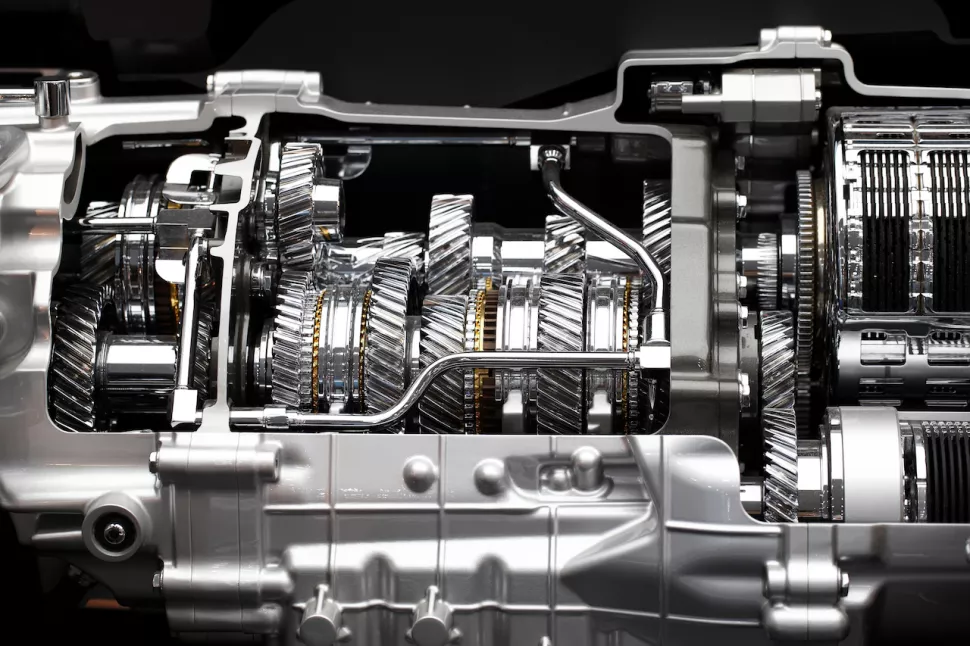
Can you explain the concept of downshifting and upshifting in an automobile?
Downshifting and upshifting are fundamental concepts in operating a manual transmission vehicle. Here’s a detailed explanation:
1. Upshifting:
Upshifting refers to the process of shifting to a higher gear while driving. It involves moving the gear lever from a lower-numbered gear to a higher-numbered gear. The purpose of upshifting is to increase the vehicle’s speed while maintaining fuel efficiency and reducing engine RPM. Upshifting is typically done as the engine reaches its optimal RPM range or when the vehicle has gained sufficient speed in the current gear.
2. Downshifting:
Downshifting is the opposite of upshifting and involves shifting to a lower gear. It requires moving the gear lever from a higher-numbered gear to a lower-numbered gear. Downshifting is used to decrease the vehicle’s speed, increase engine RPM, and provide more power when needed, such as during overtaking, ascending steep hills, or slowing down. It allows the engine to operate at a higher RPM range, providing better acceleration and engine braking.
3. Rev Matching:
When downshifting, an important technique called “rev matching” is often employed. Rev matching involves synchronizing the engine speed (RPM) with the rotational speed of the transmission and wheels for a smooth gear engagement. By blipping the throttle or “heel-and-toe” technique, the driver matches the engine RPM to the desired speed in the lower gear before engaging the clutch and shifting down. Rev matching minimizes drivetrain shock, reduces wear on the clutch, and ensures a seamless transition between gears.
4. Benefits of Downshifting:
Downshifting offers several benefits, including:
- Improved acceleration: Downshifting to a lower gear provides more power and torque, allowing for quicker acceleration when needed.
- Engine braking: By downshifting and utilizing engine braking, drivers can slow down the vehicle without relying solely on the brakes. This can help maintain control, reduce brake wear, and prevent overheating of the braking system on long descents.
- Responsive driving: Downshifting allows drivers to have better control over the vehicle’s speed and responsiveness, especially in situations where immediate power is required.
5. Automatic Transmissions:
While the concept of upshifting and downshifting primarily applies to manual transmissions, modern automatic transmissions also incorporate similar principles. Automatic transmissions automatically shift gears based on factors such as vehicle speed, engine load, and driver input. They can upshift and downshift to optimize fuel efficiency, provide smooth acceleration, and deliver appropriate power based on driving conditions.
In summary, upshifting involves shifting to a higher gear to increase speed and maintain fuel efficiency, while downshifting involves shifting to a lower gear to decrease speed, increase power, and utilize engine braking. Downshifting offers benefits such as improved acceleration, engine braking, and responsive driving. Understanding the concept of shifting gears is essential for manual transmission operation and can enhance the driving experience and control over the vehicle.
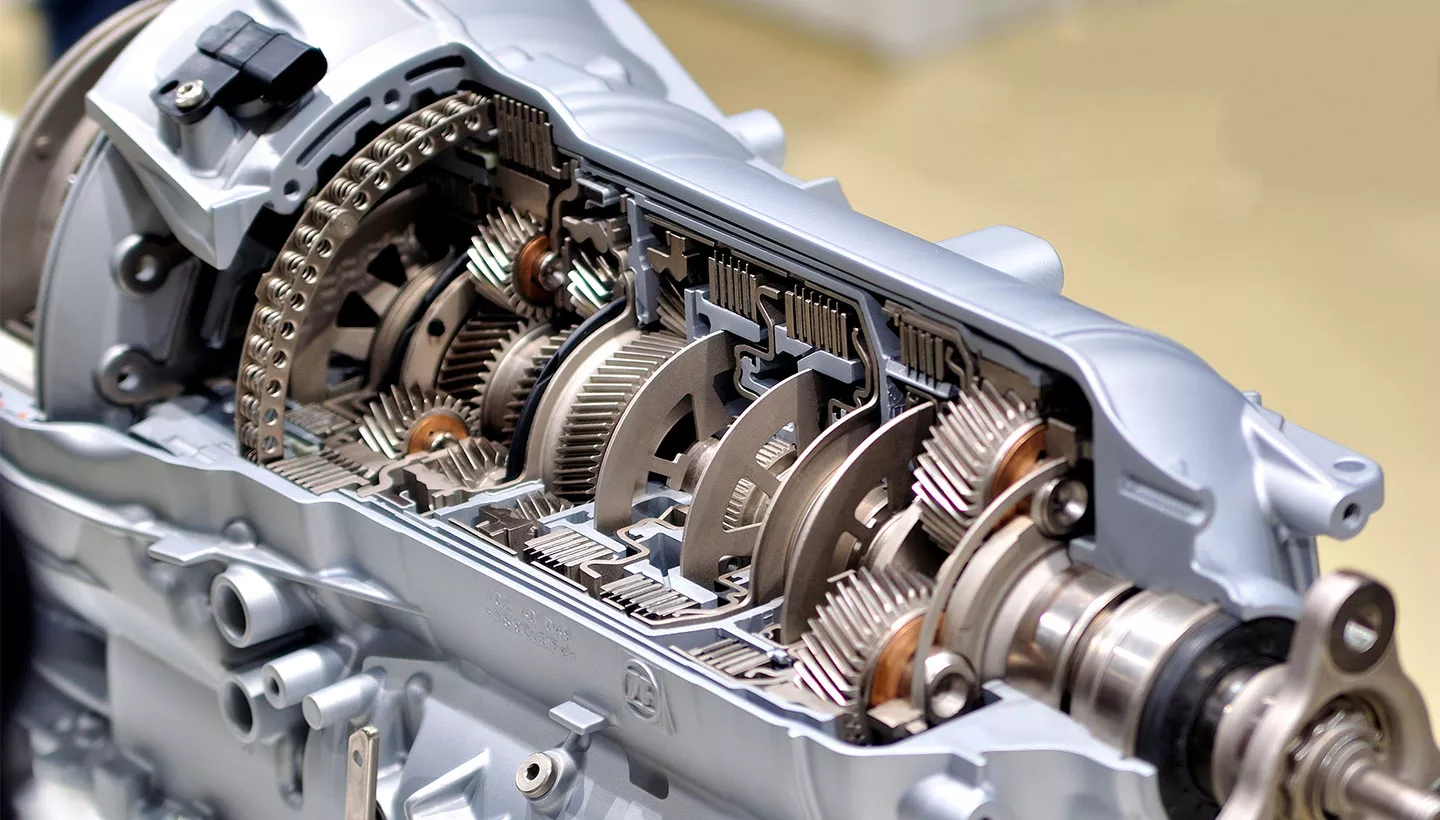
What are the main functions of the gearbox in a car?
The gearbox, also known as the transmission, performs several important functions in a car. Here’s a detailed explanation:
1. Gear Ratio Selection: One of the primary functions of the gearbox is to provide different gear ratios between the engine and the wheels. By selecting the appropriate gear ratio, the gearbox allows the engine to operate efficiently across a range of speeds and load conditions. Lower gears provide higher torque for starting and climbing hills, while higher gears allow for higher speeds and improved fuel efficiency.
2. Power Transmission: The gearbox is responsible for transmitting power from the engine to the wheels. It takes the rotational power generated by the engine and delivers it to the wheels in a controlled manner. The gearbox ensures that the power is transferred smoothly and efficiently, allowing the vehicle to accelerate, maintain speed, and overcome resistance.
3. Gear Engagement and Disengagement: The gearbox enables the driver to engage or disengage different gears to change the gear ratio. This is typically done using a gearshift mechanism, such as a manual gearshift lever or paddle shifters in automatic transmissions. Gear engagement and disengagement allow the driver to adapt to varying driving conditions, such as starting from a standstill, overtaking, or driving uphill.
4. Gear Synchronization: In manual transmissions, the gearbox incorporates a mechanism called a synchromesh system. This system synchronizes the rotational speeds of the gears before engagement, allowing for smooth gear shifts. It prevents grinding and damage to the gears by equalizing their speeds, ensuring a seamless transition between gears.
5. Reverse Gear: The gearbox provides a reverse gear, allowing the driver to maneuver the vehicle in the opposite direction. The reverse gear has a specific gear ratio that enables the vehicle to move backward safely. It is essential for parking, reversing out of parking spaces, and navigating tight spaces.
6. Neutral Position: The gearbox includes a neutral position that disengages the engine from the wheels. When in neutral, the gearbox allows the engine to run independently without transmitting power to the wheels. This is useful when the vehicle is stationary or when the engine needs to be started or idled without vehicle movement.
7. Mechanical Advantage: The gearbox provides a mechanical advantage by utilizing different gear ratios. It allows the engine to operate within its optimal power band while providing the necessary torque and speed output for various driving conditions. The mechanical advantage offered by the gearbox improves the overall performance and efficiency of the vehicle.
8. Safety Features: Modern gearboxes often incorporate safety features such as a park position (P) or a parking pawl. When engaged, the park position locks the transmission output shaft, preventing the vehicle from rolling unintentionally when parked. This adds an extra layer of safety when the vehicle is stationary.
Overall, the gearbox plays a crucial role in controlling the power, speed, and torque delivery from the engine to the wheels. It allows the driver to adapt to different road conditions, optimize engine performance, and ensure smooth and efficient operation of the vehicle.


editor by Dream 2024-05-16