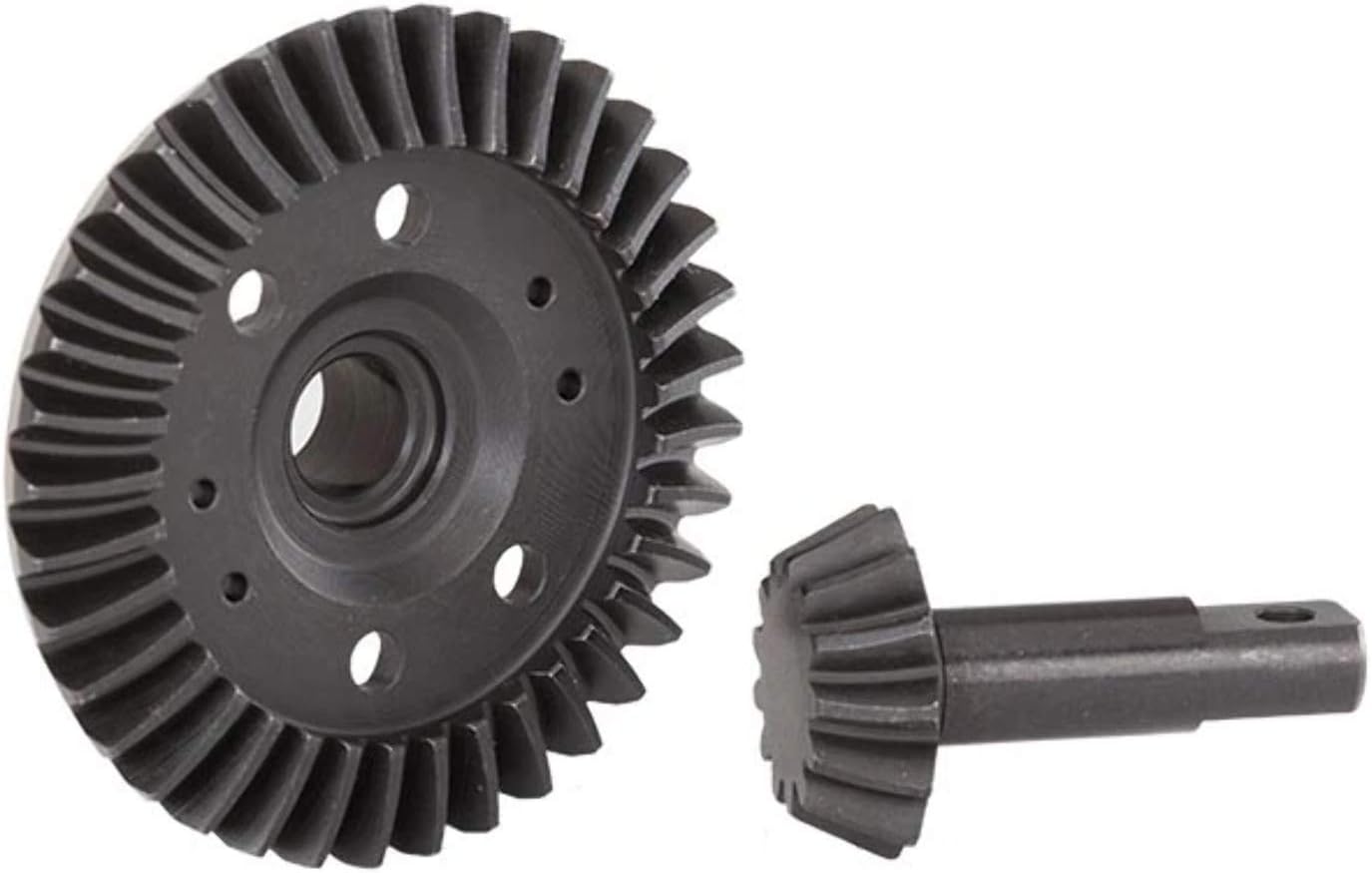
China wholesaler Factory Customized Axle Differential Driven Cylindrical Gear for Mercedes-Benz-Actros Truck Parts 3553530285 raw gear
Product Description
Factory Customized Axle Differential Driven Cylindrical Gear For Mercedes-Benz-Actros Truck Parts
Helpful Links
For instant communication, please click here
For our catalogs, please click here
For our home page, please click here
| No. | OEM Number | Parts Name |
| 1 | 3873509823/0423 | Inter-axle Differential Assembly |
| 2 | 3553501827/0327 | Inter-axle Differential Housing |
| 3 | 3553535715/571 | Input Shaft |
| 4 | 35535/ | Side Gear |
| 6 | 653353571 | Spider Shaft |
| 7 | 6533539750 | Inter-axle Differential Washer Repair Kit |
| 8 | 355355719 | 21/28 Middle Axle CHINAMFG Wheel and Pinion |
| 9 | 3553530408 | Differential Front Cover |
| 10 | 3553504603 | Middle Axle Main Reducer Housing |
| 11 | 3553535717 | Differential Front Cover |
| 12 | 3553570801/355357 0571 | Axle Shaft |
| 13 | 355353 | Rear Axle Differential Gear Repair Kit With Washer |
| 19 | 355353571/ | Rear Axle Side Gear |
| 20 | 3553530614 | Planet Gear 10 Teeth |
| 21 | 3553530620 | Rear Axle Spider Shaft |
| 22 | 366353 | Nut |
| 24 | 29/17 CHINAMFG Wheel and Pinion | |
| 25 | 29/17 CHINAMFG Wheel and Pinion | |
| 26 | Steering Knuckle Assmmbly |
| No. | OEM Number | Parts Name |
| 1 | 346353571/ 346353 0571 |
Input Shaft |
| 2 | 387586 | Rear Axle Washer Repair Kit |
| 3 | 3463531115 | Side Gear |
| 4 | 3463530307 | Differential Front Cover |
| 5 | 3463530385/ | Driving Gear |
| 6 | 3463561415/346356571 | Thrust Ring 145*115*32 |
| 7 | 346350 0571 /3463557127 | Inter-axle Differential Housing |
| 8 | 3433557123/0723/0823 | Inter-axle Differential Repair Kit |
| 9 | 385351571 | Nut |
| 10 | 346353 0571 | Rear Axle Differential Housing |
| 22 | 346355713 | Rear Axle Differential Assembly |
| 23 | 3463557139 | 15/29 Rear Axle CHINAMFG Wheel and Pinion |
| 24 | 346355719 | 21/28 CHINAMFG Wheel and Pinion |
| 25 | 346353571 | Drive Shaft |
| 26 | 3463500609 | Wheel Reducer Housing |
| 27 | 346354571 | Sun Gear 19 Teeth |
| 28 | 346353571 | Side Gear |
| 29 | 3433557123 | Inter-axle Differential Assembly |
(1) Mating parts with stable and reliable quality.
(2) Assemble the Differential Assembly through the assembly line, and inspect each product on delivery.
(3) Uniform coding and clear drawing number identification to improve the trace ability of differential assembly.
(4) The unified brand carton, inner bag and integral foam packaging, which is strong and beautiful.
(5) The input shaft is made of 42Crmo material, which has higher toughness and higher fatigue resistance.
(6) The original gasket 20# plate used for the differential assembly is subject to soft nitriding treatment, with a hardened layer depth of 0.15 ~ 0.3 and a hardness of HV395-535. The differential planetary gasket has a full radian, which has stronger wear resistance.
(7) The composite material copper sleeve protects the gear and cross shaft more effectively, and effectively prevents the gear from burning.
(8) The original nut is used, and the thread has stronger hardness. Anaerobic thread-locking adhesive is applied to prevent the nut from falling off.
(9) The differential cross shaft adopts 22CrMnMo mechanical strength, which better strengthens the fatigue resistance of the cross shaft, and the plane structure of the shaft body makes the lubricating oil smoother.
Factory Show
More Products
| Truck Model | Sinotruk, Shacman, CHINAMFG Auman, CHINAMFG Xihu (West Lake) Dis., Xihu (West Lake) Dis.feng, Xihu (West Lake) Dis.feng Liuqi Balong, North BENZ( BEIBEN), C&C, JAC, etc. | |
| Product catalogue | Axle | Wheel Assembly |
| Differential Assembly | ||
| Main Reducer Assembly | ||
| Inner Ring Gear& Bracket | ||
| Basin Angle Gear/ Bevel Gear | ||
| Axle Shaft/ Half Shaft & Through Shaft | ||
| Axle Housing& Axle Assembly | ||
| Steering knuckle & Front Axle | ||
| Gear | ||
| Brake Drum& Wheel Hub | ||
| Flange | ||
| Bearing | ||
| Main Reducer Housing | ||
| Oil Seal Seat | ||
| Nut& Shim Series | ||
| Brake Backing Plate | ||
| Chassis Support Products | Leaf Spring Bracket | |
| Drop Arm Series | ||
| Bracket Series | ||
| Leaf Spring Shackle Series | ||
| Balanced Suspension Series | Balance Shaft Assembly | |
| Balance Shaft Housing | ||
| Axle Spring Seat | ||
| Thrust Rod | ||
| Balance Shaft Parts | ||
| Shock Absorber Series | Shock Absorber | |
| Shock Absorbing Airbag | ||
| Steering System | Power Steering Pump | |
| Power Steering Gear | ||
| Rubber Products | Oil Seal | |
| Rubber Support | ||
| Thrust Rod Rubber Core | ||
| Truck Belt | ||
| Engine support | ||
| Other | ||
| Clutch Series | Clutch Pressure Plate | |
| Clutch Disc | ||
| Flywheel Assembly | ||
| Flywheel Ring Gear | ||
| Adjusting Arm Series | ||
Packaging & Shipping
FAQ
Q1. What is your terms of packing?
We have branded packaging and neutral packaging, and we can also do what you want with authorization. This is flexible.
Q2. How to guarantee your after-sales service?
Strict inspection during production, Strictly check the products before shipment to ensure our packaging in good condition. Track and receive feedback from customer regularly. Our products warranty is 365 days.
Each product provides quality assurance service. If there is a problem with the product within the warranty period, the customer can negotiate with us in detail about the related claims, and we will do our best to satisfy the customer.
Q3. How can I accurately buy the products I need?
We need accurate product number, If you can’t provide product number, you can send us your product picture, or tell us your truck model, engine name plate, and so on. we will
determine exactly what you need products.
Q4. Do you accept third party inspection?
Yes.we do
Q5. How about your delivery time?
Generally, it will take 3 to 10 days after receiving your advance payment. The specific delivery time depends on the items and the quantity of your order.
/* January 22, 2571 19:08:37 */!function(){function s(e,r){var a,o={};try{e&&e.split(“,”).forEach(function(e,t){e&&(a=e.match(/(.*?):(.*)$/))&&1
| After-sales Service: | Support |
|---|---|
| Warranty: | 12 Months |
| Type: | Truck Axle Parts |
| Samples: |
US$ 100/Piece
1 Piece(Min.Order) | Order Sample |
|---|
| Customization: |
Available
| Customized Request |
|---|
.shipping-cost-tm .tm-status-off{background: none;padding:0;color: #1470cc}
| Shipping Cost:
Estimated freight per unit. |
about shipping cost and estimated delivery time. |
|---|
| Payment Method: |
|
|---|---|
|
Initial Payment Full Payment |
| Currency: | US$ |
|---|
| Return&refunds: | You can apply for a refund up to 30 days after receipt of the products. |
|---|
How does a differential gear system contribute to tire longevity?
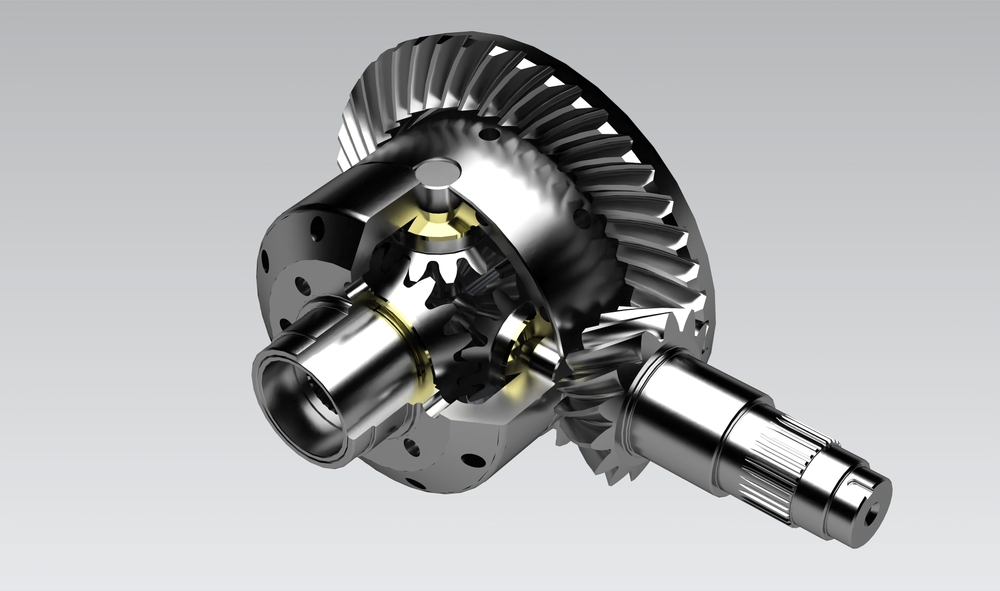
A differential gear system plays a crucial role in tire longevity by ensuring optimal traction, minimizing tire wear, and distributing torque effectively. Here’s a detailed explanation of how a differential gear system contributes to tire longevity:
- 1. Traction Optimization: The differential gear system allows the wheels on the same axle to rotate at different speeds when the vehicle is turning. This capability helps improve traction and reduces tire scrubbing, which occurs when the tires resist turning and skid instead. By optimizing traction during turns, the differential gear system helps prevent excessive tire wear caused by scrubbing.
- 2. Torque Distribution: The differential gear system distributes torque from the engine to the wheels, allowing each wheel to receive an appropriate amount of power based on traction conditions. This distribution helps prevent wheel spin and excessive tire wear. By ensuring that torque is evenly distributed, the differential gear system helps maintain balanced tire wear across all wheels.
- 3. Wheel Speed Synchronization: When driving in a straight line, the differential gear system synchronizes the rotational speeds of the wheels. This synchronization minimizes tire scrubbing and reduces uneven wear. By keeping the wheels rotating at similar speeds, the differential gear system promotes even tire wear, extending tire longevity.
- 4. Cornering Stability: During cornering, the differential gear system allows the outer wheel to rotate faster than the inner wheel. This speed difference is necessary to accommodate the varying distances each wheel travels around the curve. By enabling smooth and controlled cornering, the differential gear system helps prevent excessive tire wear caused by lateral forces.
- 5. Reduced Stress on Tires: A properly functioning differential gear system helps reduce stress on tires by allowing them to rotate freely and independently. By mitigating excessive forces and minimizing tire scrubbing, the differential gear system helps decrease wear and tear on the tires. This reduction in stress contributes to prolonged tire life.
- 6. Traction Control: Some modern vehicles are equipped with advanced differential systems, such as electronic limited-slip differentials or torque vectoring differentials. These systems actively manage torque distribution to individual wheels based on traction conditions. By optimizing traction control, these differential systems help minimize tire slippage, improve grip, and reduce tire wear.
- 7. Proper Maintenance: Regular maintenance of the differential gear system is essential for tire longevity. This includes periodic inspection of the differential components, ensuring proper lubrication, and addressing any issues promptly. Well-maintained differentials help ensure optimal performance, reducing the risk of tire wear and extending tire life.
Overall, a well-functioning and properly maintained differential gear system plays a vital role in tire longevity. It optimizes traction, distributes torque effectively, synchronizes wheel speeds, promotes cornering stability, and reduces stress on tires. By understanding and maintaining the differential gear system, drivers can help maximize tire life and minimize the need for premature tire replacements.
What are the considerations for choosing the right type of differential gear for a vehicle?
When selecting the appropriate type of differential gear for a vehicle, several considerations come into play. Choosing the right differential gear involves assessing factors such as vehicle characteristics, intended use, driving conditions, and desired performance. Here’s a detailed explanation of the considerations for choosing the right type of differential gear:
- Vehicle Type: The type of vehicle, whether it’s a passenger car, SUV, truck, or performance vehicle, plays a significant role in determining the appropriate differential gear. Different types of vehicles have varying weight distributions, power outputs, and handling characteristics, which influence the optimal choice of differential gear.
- Driving Conditions: The intended driving conditions are crucial in selecting the right differential gear. Factors such as road surface, weather conditions, and terrain should be considered. For example, vehicles driven primarily on paved roads may benefit from different differential gear options compared to off-road vehicles that frequently encounter challenging terrain or vehicles that operate in regions with snowy or icy conditions.
- Performance Requirements: The desired performance attributes of the vehicle are important considerations. Some drivers prioritize acceleration and high-speed performance, while others focus on off-road capabilities, towing capacity, or fuel efficiency. Differential gears can be chosen to optimize specific performance aspects, such as maximizing traction, improving handling, enhancing torque delivery, or achieving better fuel economy.
- Traction Needs: The level of traction required is a key factor in selecting the right differential gear. Vehicles that need maximum traction in challenging conditions, such as racing cars, off-road vehicles, or vehicles used in low-grip environments, may benefit from limited-slip differentials or locking differentials. These differential types help distribute power to the wheels with the most grip, enhancing traction and maintaining vehicle control.
- Driving Dynamics: The desired driving dynamics and handling characteristics also influence the choice of differential gear. Some drivers prefer a more predictable and balanced handling, while others may desire more aggressive cornering capabilities. Differential gears with specific characteristics, such as torque vectoring differentials, can enhance these driving dynamics by actively managing torque distribution between individual wheels.
- Budget: Cost considerations are also significant when choosing a differential gear. Different types of differential gears vary in terms of complexity, features, and pricing. It’s essential to evaluate the budget constraints and weigh the cost against the desired performance benefits and requirements.
In summary, selecting the right type of differential gear for a vehicle involves considering factors such as vehicle type, driving conditions, performance requirements, traction needs, driving dynamics, and budget. By carefully assessing these considerations, drivers can choose a differential gear that aligns with their vehicle’s characteristics, intended use, and performance objectives, ultimately enhancing traction, handling, and overall driving experience.
How does a differential gear help in turning a vehicle smoothly?
A differential gear plays a crucial role in enabling smooth turning of a vehicle. Here’s a detailed explanation:
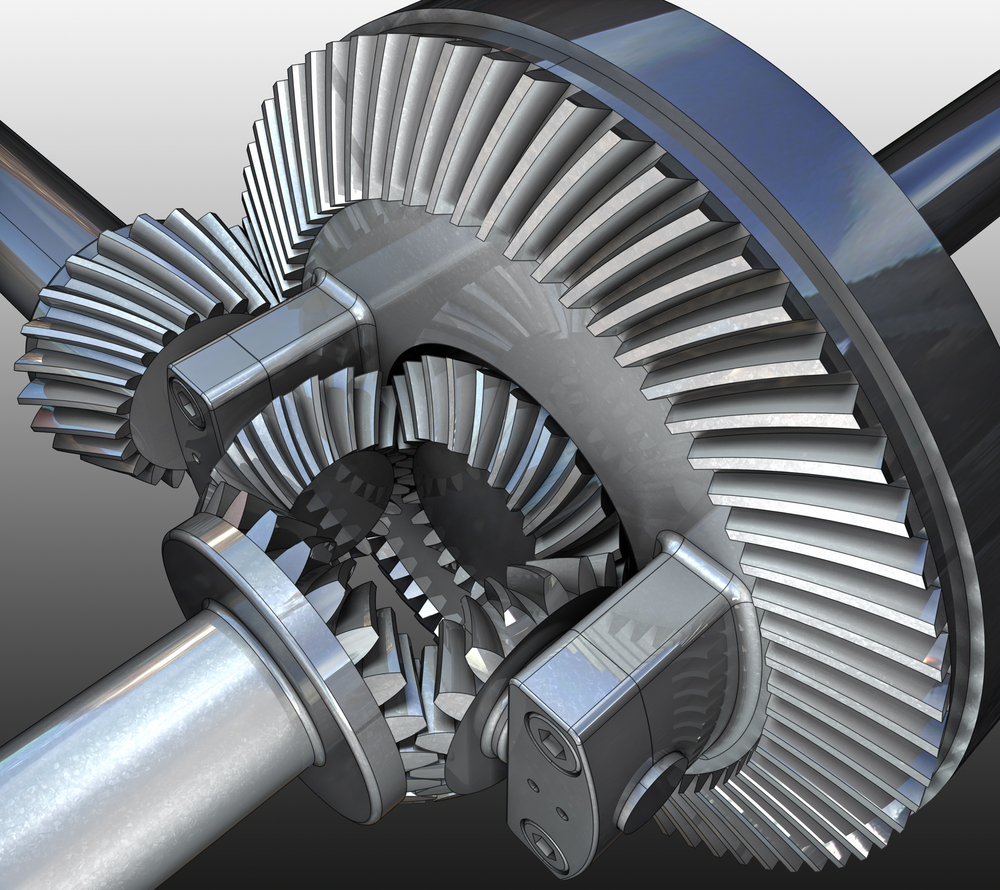
When a vehicle turns, the wheels on the outside of the turn travel a greater distance compared to the wheels on the inside. This difference in distance would cause significant strain and binding in the drivetrain if all the wheels were rigidly connected. The differential gear solves this problem by allowing the wheels to rotate at different speeds during turns, resulting in smooth and controlled maneuvering.
1. Speed Differentiation:
The differential gear allows the wheels to rotate at different speeds while still receiving power from the engine. As the vehicle turns, the outer wheel covers a greater distance and needs to rotate faster than the inner wheel. The differential enables this speed differentiation by distributing torque unequally between the two wheels, allowing them to rotate at different rates.
2. Path Following:
By allowing the wheels to rotate at different speeds, the differential gear helps the vehicle follow the desired path during a turn. The outside wheel, which needs to cover a longer distance, rotates faster to maintain the vehicle’s trajectory. At the same time, the inside wheel rotates slower, preventing the vehicle from skidding or drifting wide during the turn. The differential ensures that both wheels work together to maintain stability and control throughout the turning process.
3. Smooth Power Transfer:
During a turn, the differential gear facilitates smooth power transfer to the wheels. By allowing the wheels to rotate at different speeds, the differential minimizes drivetrain stress and wheel scrubbing. This promotes smoother operation and reduces the likelihood of wheel hop or wheel slip, resulting in improved traction and overall control.
4. Reduction of Tire Wear:
The differential gear’s ability to differentiate wheel speeds during turns helps reduce tire wear. If the wheels were rigidly connected, they would experience excessive scrubbing and wear during turning maneuvers. The differential allows the wheels to rotate at different speeds, minimizing tire scrubbing and promoting more even tire wear. This contributes to longer tire life and better overall performance.
5. Enhanced Maneuverability:
By enabling smooth turning, the differential gear enhances the maneuverability of a vehicle. It allows for precise and controlled steering inputs, making it easier to navigate corners, curves, and tight spaces. The differential’s role in differentiating wheel speeds ensures that the vehicle can execute turns smoothly and responsively, enhancing the overall driving experience.
In summary, the differential gear helps in turning a vehicle smoothly by allowing the wheels to rotate at different speeds during turns. This speed differentiation enables the vehicle to follow the desired path, facilitates smooth power transfer, reduces tire wear, and enhances maneuverability. The differential’s ability to accommodate varying wheel speeds ensures that the vehicle can navigate turns with improved stability, control, and comfort.


editor by Dream 2024-05-14