crown gear failure analysis

Crown Gear Failure Analysis
Crown gears are used in various industrial applications, such as the automotive industry, energy sector, medical equipment, industrial automation, and marine engineering. These gears are designed to transmit power between two intersecting shafts at right angles. However, crown gear failure can occur due to various reasons. In this article, we will explore the reasons for crown gear failure and its analysis.
Crown Gear Failure Analysis and Informational Link to Crown Gear
When a crown gear fails, it can be detrimental to the machinery or equipment it is used in. The failure can be caused by various factors, such as excessive load, misalignment, improper lubrication, manufacturing defects, wear and tear, and material fatigue.
Excessive load and misalignment are the two most common reasons for crown gear failure. When the load exceeds the design limit, it can cause the gear teeth to bend or break. Misalignment can cause the teeth to wear out quickly, leading to gear failure. Improper lubrication can also cause crown gear failure, as it can cause friction and heat, leading to wear and tear of the gear teeth.
Manufacturing defects can also lead to crown gear failure. These defects can occur during the manufacturing process, such as improper heat treatment, wrong material selection, or poor finishing. Wear and tear can also occur due to long-term usage, leading to crown gear failure.
The informational link to crown gear is that proper maintenance and inspection can prevent crown gear failure. Regular inspection can detect any misalignment or wear and tear of the gear teeth, and proper lubrication can prevent friction and heat. The manufacturing process should be carefully monitored to ensure proper heat treatment, material selection, and finishing.

Crown Gear Performance Characteristics
Crown gears have various performance characteristics, such as high power transmission capability, low noise, and smooth operation. They are also highly efficient in transmitting power between intersecting shafts at right angles. Crown gears are used in various applications, such as automotive transmissions, marine propulsion systems, and industrial machinery.
The low noise level of crown gears is due to its tooth profile, which generates less vibration and noise during operation. The smooth operation of crown gears is due to its high efficiency, which results in less heat generation and less wear and tear of the gear teeth.

Crown Gear Types and Materials
Crown gears are available in various types and materials, such as steel, cast iron, bronze, and plastic. The type and material selection depend on the application and operating conditions.
Steel crown gears are commonly used in heavy-duty applications, such as industrial machinery and automotive transmissions. Cast iron crown gears are used in low-speed applications, such as agricultural machinery and printing presses. Bronze crown gears are used in marine applications, such as ship propulsion systems. Plastic crown gears are used in low-load applications, such as toys and household appliances.
The advantage of using steel crown gears is its high load-carrying capability and durability. Cast iron crown gears are known for their low cost and easy machinability. Bronze crown gears are known for their corrosion resistance and high strength. Plastic crown gears are known for their low noise and low weight.
Crown Gear Applications
Crown gears are used in various applications across different industries, such as the automotive industry, energy sector, medical equipment, industrial automation, and marine engineering.
Automotive Industry
Crown gears are used in automotive transmissions to transfer power between the engine and the wheels. They are also used in differential systems to distribute power between the two wheels.
Energy Sector
Crown gears are used in wind turbines to transfer power between the rotor and the generator. They are also used in hydroelectric power plants to transfer power between the turbine and the generator.
Medical Equipment
Crown gears are used in medical equipment, such as X-ray machines and CT scanners. They are used to transfer power between the motor and the scanning system.
Industrial Automation
Crown gears are used in industrial automation systems, such as conveyor belts and assembly lines. They are used to transfer power between the motor and the system.
Marine Engineering
Crown gears are used in marine propulsion systems to transfer power between the engine and the propeller. They are also used in steering systems to transfer power between the steering wheel and the rudder.
Crown Gear Future Development and Opportunities
The future of crown gears lies in their ability to adapt to changing environments and technologies. With the development of new materials and manufacturing processes, crown gears can become more efficient and durable. The increasing demand for automation and renewable energy can create new opportunities for crown gear applications.
One of the emerging trends in crown gear technology is the use of 3D printing. With 3D printing, crown gears can be manufactured with greater precision and complexity, leading to improved performance and efficiency. Another trend is the use of advanced materials, such as carbon fiber and ceramic, to improve the strength and durability of crown gears.
How to Choose the Right Crown Gear?
Choosing the right crown gear depends on various factors, such as the application, load capacity, speed, and operating conditions. The following are some tips for choosing the right crown gear:
Clarify the Requirements
Before choosing a crown gear, it is essential to clarify the requirements, such as the load capacity, speed, and operating conditions. This will help in selecting the right type and material of crown gear.
Material Selection
The material selection depends on the application and operating conditions. For heavy-duty applications, steel or bronze crown gears are suitable, while for low-load applications, plastic or cast iron crown gears are suitable.
Design Optimization
The design of the crown gear should be optimized for maximum efficiency and durability. The gear teeth should be designed to minimize noise and vibration and maximize load-carrying capacity.
Supplier and After-Sales Service
The supplier of the crown gear should be reliable and provide excellent after-sales service. This includes maintenance and repair services, as well as technical support and advice.
Cost-Effectiveness
The cost-effectiveness of the crown gear should be considered, including the initial cost, maintenance cost, and replacement cost. The total cost of ownership should be calculated to determine the most cost-effective option.
Crown Gear Maintenance
Crown gear maintenance is essential to ensure its smooth operation and durability. The following are some tips for crown gear maintenance:
Regular Inspection
The crown gear should be inspected regularly for any signs of wear and tear, misalignment, or damage. Any issues should be addressed promptly to prevent further damage.
Cleaning and Corrosion Protection
The crown gear should be cleaned regularly to prevent the build-up of dirt and debris. It should also be protected from corrosion by applying a suitable coating or lubrication.
Lubrication and Maintenance
The crown gear should be lubricated regularly to prevent friction and heat. It should also be maintained according to the manufacturer’s recommendations, such as replacing worn-out parts and upgrading the gear design.
Why Choose Us?
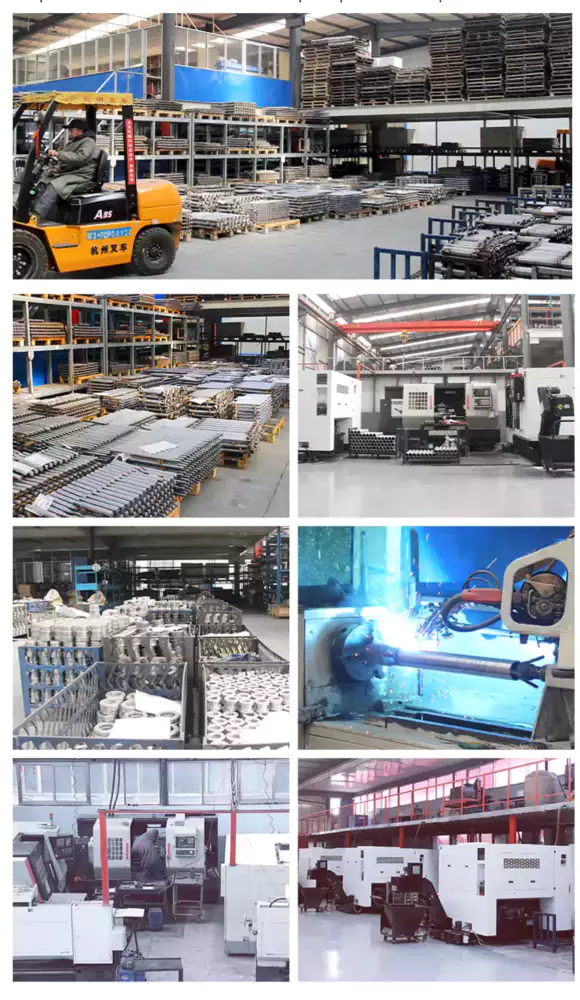
We are a leading manufacturer and supplier of crown gears, with years of experience in the industry. Our products are known for their high quality, durability, and efficiency. The following are some reasons to choose us:
High-Quality Products
We use the latest manufacturing technologies and materials to produce high-quality crown gears that meet or exceed industry standards.
Customized Solutions
We offer customized solutions to meet the specific needs of our customers. Our team of engineers can design and produce crown gears according to the customer’s requirements.
Technical Support
We provide technical support and advice to our customers, including maintenance and repair services, as well as design optimization and customization.
Competitive Pricing
Our products are competitively priced, and we offer flexible payment and delivery options to our customers.
Excellent After-Sales Service
We provide excellent after-sales service, including warranty, maintenance, and repair services. Our goal is to ensure customer satisfaction and long-term partnerships.
Q&A
Q1: What is the maximum load capacity of a steel crown gear?
A1: The maximum load capacity of a steel crown gear depends on its size, design, and material properties. It is recommended to consult the manufacturer’s specifications for load capacity information.
Q2: Can a plastic crown gear be used in high-speed applications?
A2: Plastic crown gears are not suitable for high-speed applications, as they have a low heat tolerance and can deform or melt due to friction and heat.
Q3: How often should a crown gear be lubricated?
A3: The frequency of lubrication depends on the operating conditions and the manufacturer’s recommendations. It is recommended to lubricate the crown gear regularly, such as every six months, or according to the manufacturer’s specifications.
Q4: What is the warranty period for crown gears?
A4: The warranty period for crown gears varies depending on the manufacturer and the product. It is recommended to consult the manufacturer’s warranty policy for more information.
Q5: Can a damaged crown gear be repaired?
A5: Yes, a damaged crown gear can be repaired, depending on the extent of the damage and the type of repair required. It is recommended to consult a professional repair service for guidance.
Author: Dream