epicyclic gear failure modes analysis

Epicyclic Gear Failure Modes Analysis
Introduction
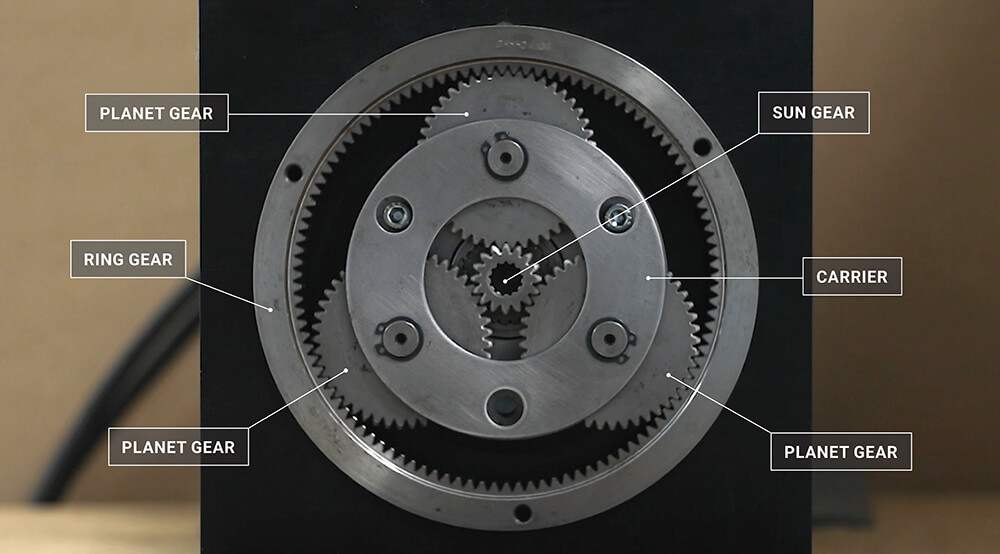
Epicyclic gears are complex gears used in various mechanical systems. They consist of one or more outer gears, called planet gears, that rotate around a central gear, called the sun gear. Failure modes analysis is a crucial process to understand the potential issues and risks associated with epicyclic gears. In this article, we will explore the different failure modes of epicyclic gears and their relationship to the overall performance of epicyclic gear systems.
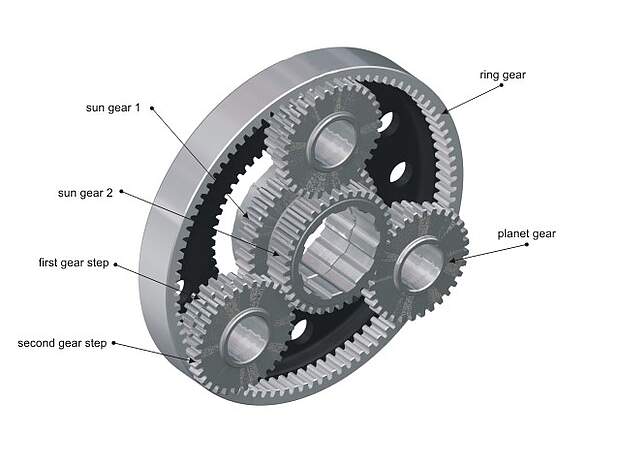
Epicyclic Gear Failure Modes Analysis and Informational Relationship
1. Fatigue Failure: Fatigue failure occurs when the epicyclic gear is subjected to cyclic loading, resulting in cracks and fractures. This failure mode can be mitigated by using high-strength materials and optimized design.
2. Tooth Wear: Tooth wear is a common failure mode in epicyclic gears due to the sliding and rolling contact between teeth. Proper lubrication and surface treatments can minimize tooth wear.
3. Pitting: Pitting is the formation of small cavities on the gear surface due to excessive contact stress. It can be caused by improper gear alignment or inadequate lubrication.
4. Scuffing: Scuffing occurs when high contact pressures lead to localized welding and subsequent material transfer between gear surfaces. This can be prevented by using suitable lubricants and improving gear surface hardness.
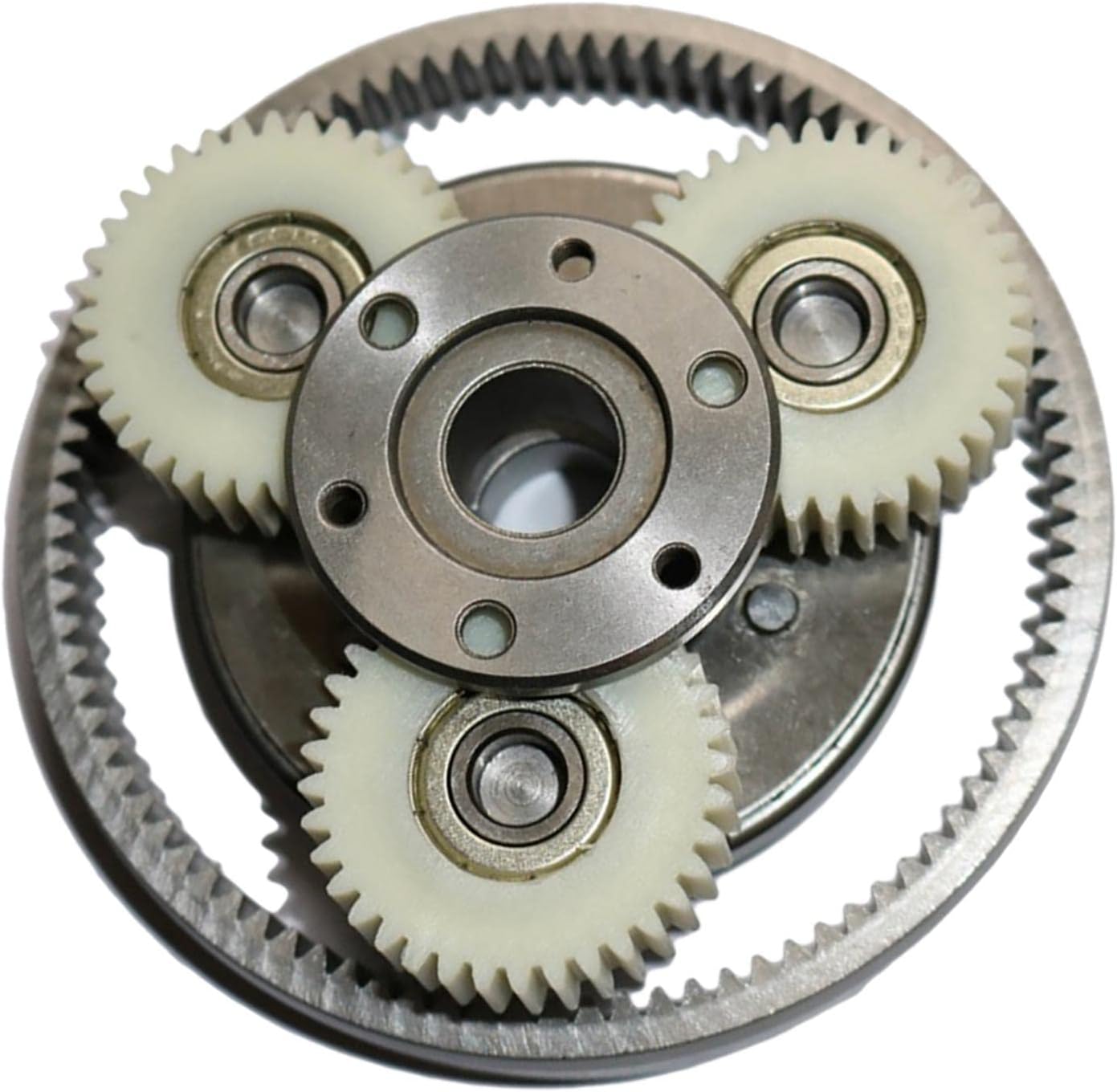
5. Bearing Failure: Epicyclic gears rely on bearings to support and facilitate smooth rotation. Bearing failures can occur due to inadequate lubrication, misalignment, or excessive loads. Proper bearing selection and maintenance are crucial to avoid such failures.
Performance Characteristics of Epicyclic Gear
Epicyclic gears offer several advantages that make them suitable for various applications:
1. Compact Size: Epicyclic gears have a high power transmission capacity in a relatively small space, making them ideal for applications with limited space constraints.
2. High Gear Ratios: Epicyclic gears can achieve high gear ratios by combining the motion of the sun gear, planet gears, and ring gear. This enables precise speed control and torque multiplication.
3. High Efficiency: Epicyclic gears have high efficiency due to the rolling and sliding contact between gear teeth, resulting in minimal energy loss.
4. Load Distribution: The multiple contact points in epicyclic gears distribute the load across multiple gear teeth, reducing wear and increasing the gear system’s overall lifespan.
5. Versatility: Epicyclic gears can be designed to accommodate different gear configurations and transmission requirements, making them versatile for various applications.
Applications in Different Industries
Epicyclic gears find extensive applications in various industries:
1. Automotive Industry: Epicyclic gears are used in automatic transmissions, differential mechanisms, and powertrain systems to provide smooth gear shifting and efficient power transfer.
2. Aerospace Industry: Epicyclic gears are used in aircraft engines, landing gear systems, and flight control mechanisms to ensure reliable and precise motion control.
3. Industrial Equipment: Epicyclic gears are employed in industrial machinery, such as robotics, conveyors, and machine tools, to transmit power and control rotational speed.
4. Wind Power Generation: Epicyclic gears are used in wind turbines to convert the low rotational speed of the blades into high-speed rotation for power generation.
5. Robotics Technology: Epicyclic gears play a vital role in robotic arms, joints, and locomotion systems to provide accurate motion control and torque transmission.
Future Development and Opportunities
The future of epicyclic gears looks promising, with several trends and opportunities:
1. Miniaturization: The demand for smaller and more efficient gears in various industries is driving the development of miniaturized epicyclic gear systems.
2. Advanced Materials: The use of advanced materials, such as carbon composites and ceramics, can enhance the strength, durability, and performance of epicyclic gears.
3. Integrated Systems: Integration of epicyclic gears with other components, such as sensors and actuators, can improve overall system efficiency and functionality.
4. Automation and Robotics: The increasing automation and robotics industry present new opportunities for the application of epicyclic gears in precise motion control and torque transmission.
5. Sustainability: Developing environmentally friendly lubricants and reducing energy loss in epicyclic gear systems aligns with the global sustainability goals.
Choosing the Right Epicyclic Gear
Choosing the correct epicyclic gear involves considering several factors:
1. Clear Requirements: Define the specific requirements for torque, speed, space constraints, and operating conditions to select the most suitable epicyclic gear.
2. Material Selection: Choose materials with the necessary strength, hardness, and wear resistance to ensure the gear’s long-term performance and durability.
3. Design Optimization: Optimize the gear design to minimize stress concentrations, improve load distribution, and reduce the risk of failure modes.
4. Supplier and After-Sales Service: Select reputable suppliers who can provide quality products and reliable after-sales support for maintenance and replacements.
5. Cost-effectiveness: Consider the overall cost of the gear system, including initial investment, maintenance, and potential productivity gains, to assess the cost-effectiveness.
Maintenance of Epicyclic Gear
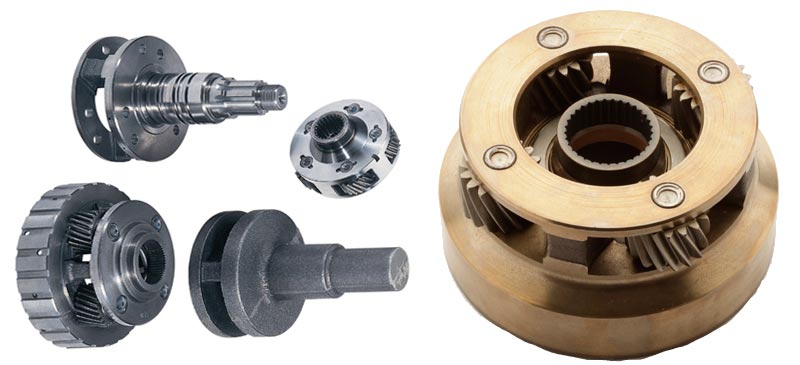
Proper maintenance ensures the longevity and optimal performance of epicyclic gears:
1. Regular Inspections: Conduct periodic inspections to identify any signs of wear, misalignment, or lubrication issues that might lead to potential failures.
2. Cleaning and Corrosion Protection: Clean the gear components thoroughly and apply suitable corrosion protection measures to prevent degradation and damage.
3. Lubrication and Lubricant Selection: Apply appropriate lubrication to minimize friction, wear, and noise. Select lubricants based on operating conditions and gear materials.
4. Replacement of Worn Parts: Timely replacement of worn or damaged gear components ensures the smooth operation and reliability of the epicyclic gear system.
5. Continuous Improvement and Upgrades: Explore opportunities for design improvements and upgrades to enhance the performance and efficiency of the gear system over time.
Why Choose Us
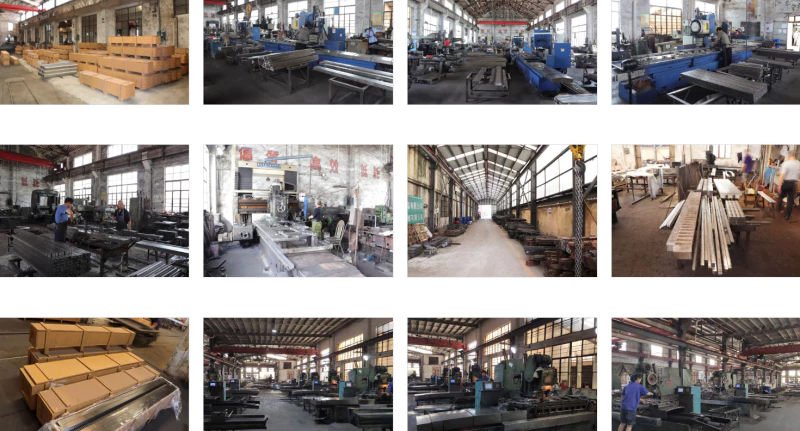
We are a trusted company specializing in the production and sales of high-quality epicyclic gears. Our products offer the following advantages:
1. Superior Quality: Our epicyclic gears are manufactured using premium materials and undergo rigorous quality control to ensure superior performance and durability.
2. Customization Options: We offer customization options to meet specific customer requirements, including gear ratios, sizes, and materials.
3. Technical Expertise: Our team of skilled engineers and technicians possess extensive knowledge and expertise in designing and manufacturing epicyclic gears.
4. Timely Delivery: We prioritize timely delivery to ensure our customers’ projects stay on schedule and minimize any potential downtime.
5. Excellent Customer Support: We provide exceptional after-sales support, including technical assistance, maintenance guidance, and prompt resolution of any concerns or issues.
Q&A
1. Q: What are the main failure modes of epicyclic gears?
A: The main failure modes of epicyclic gears include fatigue failure, tooth wear, pitting, scuffing, and bearing failure.
2. Q: How can tooth wear in epicyclic gears be minimized?
A: Tooth wear can be minimized by ensuring proper lubrication and applying suitable surface treatments.
3. Q: What are the advantages of using epicyclic gears?
A: Epicyclic gears offer advantages such as compact size, high gear ratios, high efficiency, load distribution, and versatility.
4. Q: Where are epicyclic gears commonly used?
A: Epicyclic gears are commonly used in the automotive, aerospace, industrial equipment, wind power generation, and robotics industries.
5. Q: What are the future trends for epicyclic gears?
A: The future trends for epicyclic gears include miniaturization, advanced materials, integrated systems, automation and robotics, and sustainability.
Author: Dream