epicyclic gear ratio

Epicyclic Gear Ratio and its Relationship with Epicyclic Gear
Introduction to Epicyclic Gear Ratio
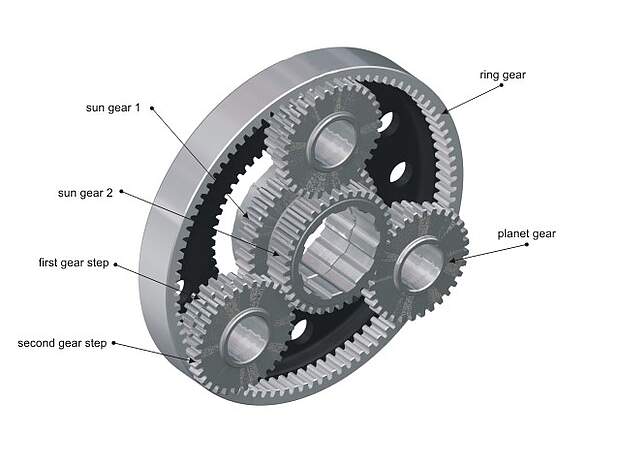
Epicyclic gear ratio is an essential concept in the field of mechanical engineering. It refers to the ratio of the rotational speeds of the different gears within an epicyclic gear system. This ratio plays a crucial role in determining the overall performance and efficiency of the gear system. By understanding and optimizing the epicyclic gear ratio, engineers can design and develop gear systems that meet specific requirements and deliver optimal performance.
Relationship between Epicyclic Gear Ratio and Epicyclic Gear
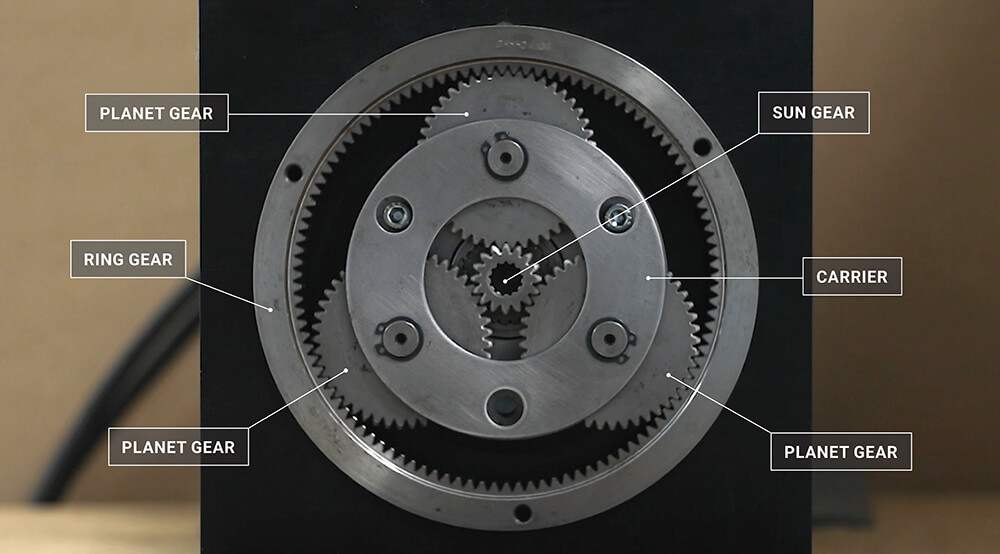
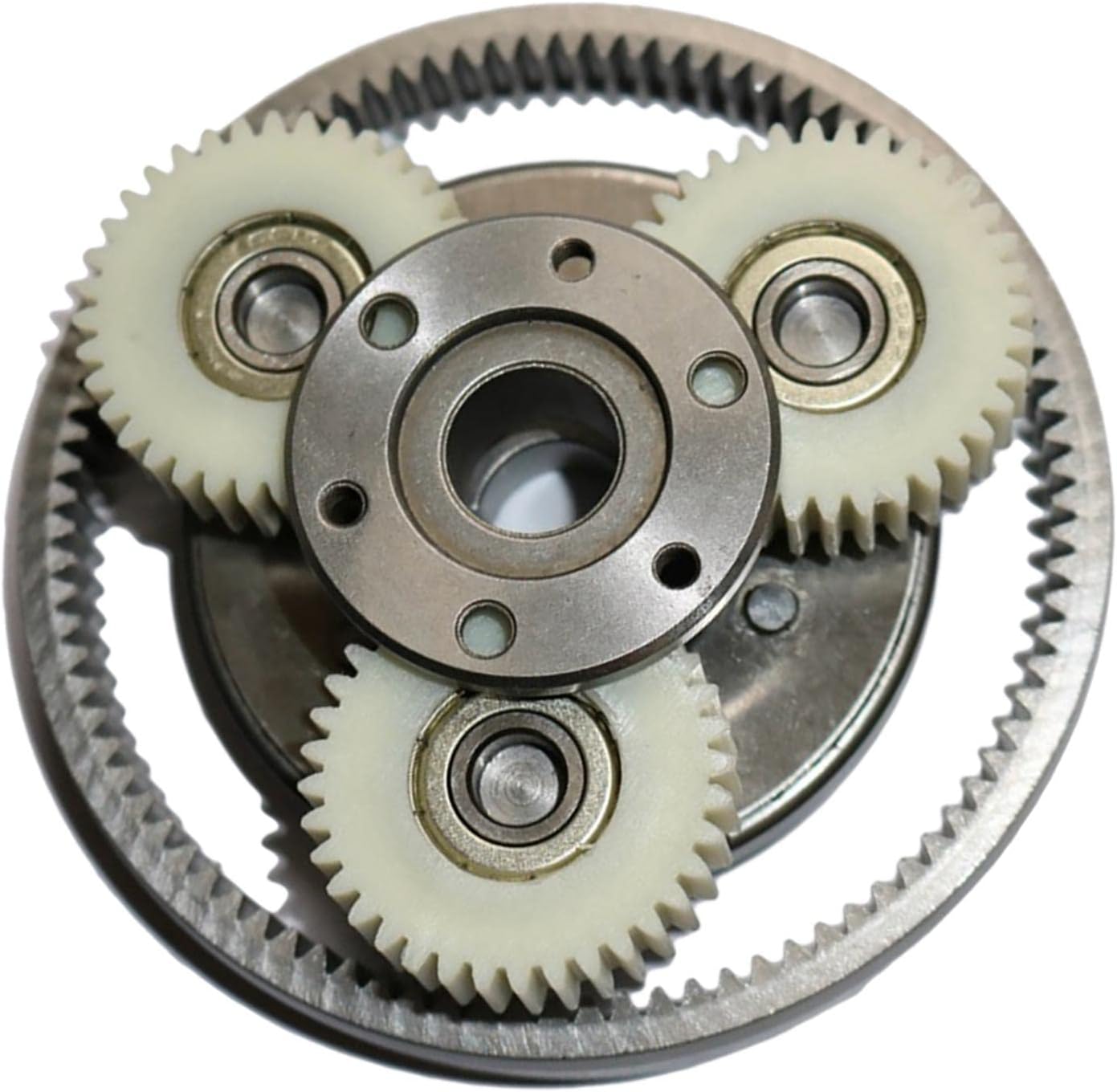
The epicyclic gear ratio is closely related to the design and functionality of epicyclic gears. Epicyclic gears, also known as planetary gears, consist of a central gear called the sun gear, multiple satellite gears, and an outer ring gear. The arrangement of these gears and their sizes determine the overall gear ratio of the system.
Epicyclic gears utilize the epicyclic gear ratio to achieve different speed and torque combinations. By varying the number of teeth on each gear and their arrangement, engineers can create gear systems with specific characteristics, such as high torque multiplication, speed reduction, or speed increase.
Performance Characteristics of Epicyclic Gear
Epicyclic gears offer several performance advantages due to their unique design and functionality:
- High torque transmission capabilities: Epicyclic gears can transfer high amounts of torque due to the multiple points of contact between the gears.
- Compact and lightweight design: The arrangement of gears in an epicyclic system allows for a compact and lightweight design, making it suitable for applications with limited space.
- Efficient power transfer: Epicyclic gears have low friction losses, resulting in efficient power transmission.
- Ability to handle high speed variations: Epicyclic gears can handle substantial speed variations within the gear system, making them suitable for applications that require speed control.
- High reliability and durability: The design of epicyclic gears provides excellent resistance to wear and tear, ensuring long-lasting performance.
Types of Epicyclic Gear and their Characteristics
Epicyclic gears come in various types, each with its unique characteristics:
- Simple planetary gear: It consists of a sun gear, planet gears, and a ring gear. It offers a compact design and moderate torque transmission capabilities.
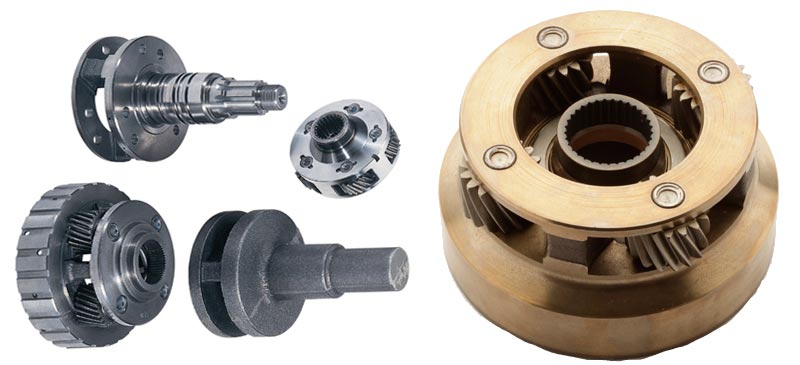
- Compound planetary gear: It combines multiple gear sets to achieve higher gear ratios and torque capacity.
- Exterior gear: The ring gear is located on the outer side, providing a compact design and high torque transmission capabilities.
- Internal gear: The ring gear is located on the inner side, offering a compact and lightweight design.
Epicyclic gears can be made from various materials, such as steel, cast iron, or even high-strength composites. The choice of material depends on factors such as the application’s requirements, load capacity, and operating conditions.
Applications of Epicyclic Gear
Epicyclic gears find extensive applications in various industries, including:
- Automotive industry: Epicyclic gears are commonly used in automatic transmissions, enabling efficient torque transmission and gear shifting.
- Aerospace industry: Epicyclic gears are utilized in aircraft engines and landing gear systems to provide reliable power transmission and control.
- Industrial equipment: Epicyclic gears are employed in heavy-duty machinery, such as cranes and conveyor systems, to handle high torque requirements.
- Wind power generation: Epicyclic gears are used in wind turbines to convert the rotational motion of the blades into electrical power.
- Robotics technology: Epicyclic gears play a crucial role in robotic systems, enabling precise and controlled movement.
Future Trends and Opportunities for Epicyclic Gear
The field of epicyclic gear technology is constantly evolving, and several trends and opportunities can shape its future:
- Advancements in material science: The development of new materials with enhanced strength and durability can lead to improved performance and efficiency of epicyclic gears.
- Integration with smart and automated systems: Epicyclic gears can be integrated with advanced control systems and sensors to enable real-time monitoring and optimization.
- Increased demand for renewable energy: As the demand for clean energy sources grows, the use of epicyclic gears in wind turbines and other renewable energy systems is expected to increase.
- Advancements in robotics and automation: The rapid progress in robotics technology presents new opportunities for the application of epicyclic gears in advanced robotic systems.
How to Select the Right Epicyclic Gear
Selecting the correct epicyclic gear involves considering several factors:
- Clearly define the requirements: Identify the specific torque, speed, and size requirements for the application.
- Material selection: Choose the appropriate material based on factors such as load capacity, operating conditions, and cost-effectiveness.
- Design optimization: Optimize the gear design to ensure efficient power transmission and minimize losses.
- Supplier and after-sales service: Select a reliable supplier that provides quality products and excellent after-sales support.
- Cost-effectiveness: Consider the overall cost-effectiveness, including the initial investment, maintenance, and operational costs.
- Quality control: Ensure that the chosen epicyclic gear undergoes rigorous quality control testing to meet the required standards.
Maintenance of Epicyclic Gear
Proper maintenance of epicyclic gear is crucial for ensuring its long-term performance and reliability. Maintenance activities include:
- Regular equipment inspections: Periodically inspect the gear system for any signs of wear, misalignment, or damage.
- Cleaning and corrosion prevention: Clean the gears and apply appropriate anti-corrosion measures to protect against rust and degradation.
- Lubrication and servicing: Ensure that the gear system is adequately lubricated and serviced according to the manufacturer’s recommendations.
- Replacement of worn components: Replace any worn or damaged gear components to maintain optimal performance.
- Improvement and upgrades: Continuously explore opportunities for improving the gear system’s performance through upgrades and optimization.
Why Choose Us
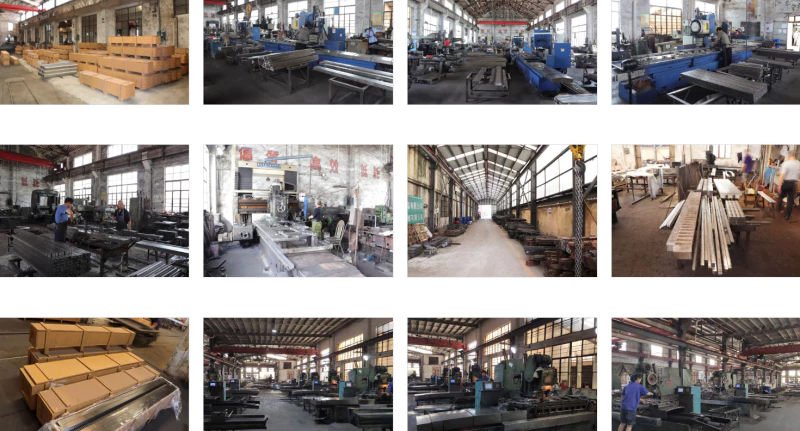
At [Company Name], we are a leading manufacturer and supplier of high-quality epicyclic gears. Our products offer several advantages:
- Exceptional durability and reliability: Our epicyclic gears are designed to withstand demanding conditions and provide long-lasting performance.
- Precision engineering: We utilize advanced manufacturing techniques and stringent quality control to ensure precise gear specifications.
- Customization options: We offer a range of customization options to meet specific customer requirements.
- Expert technical support: Our team of experienced engineers is available to provide technical assistance and support throughout the product lifecycle.
- Competitive pricing: We strive to offer competitive pricing without compromising on product quality.
Q&A
- Q: What is the primary advantage of using epicyclic gears in automotive transmissions?
- A: Epicyclic gears allow for efficient torque transmission and smooth gear shifting in automatic transmissions.
- Q: How does the choice of material impact the performance of epicyclic gears?
- A: The choice of material affects factors such as load capacity, durability, and resistance to wear, ultimately impacting the performance and lifespan of the gears.
- Q: Can epicyclic gears be used in applications with high-speed variations?
- A: Yes, epicyclic gears can handle significant speed variations, making them suitable for applications that require speed control and regulation.
- Q: How can epicyclic gears contribute to the efficiency of wind power generation?
- A: Epicyclic gears are used in wind turbines to convert the rotational motion of the blades into electrical power with high efficiency.
- Q: What are the key factors to consider when selecting the right epicyclic gear?
- A: Factors such as torque requirements, material selection, design optimization, supplier reliability, cost-effectiveness, and quality control should be considered during the selection process.
Author: Dream