epicyclic gear train advantages

Epicyclic Gear Train Advantages
About Epicyclic Gear Train Advantages
Epicyclic gear train advantages are numerous and make it a popular choice in various industries. This section will
detail the key advantages of epicyclic gear trains.
1. Increased Gear Ratio Flexibility
Epicyclic gear trains offer a wide range of gear ratios, allowing for greater flexibility in mechanical systems.
This results in improved performance and efficiency.
2. Compact Design
The compact design of epicyclic gear trains makes them ideal for applications with limited space, such as in
automotive and aerospace industries. Their compactness also contributes to improved power transmission.
3. High Torque-to-Weight Ratio
Epicyclic gear trains have a high torque-to-weight ratio, making them suitable for applications requiring high
power transmission in a lightweight package. This advantage is particularly important in industries such as
robotics and wind power.
4. Efficient Power Transmission
Epicyclic gear trains offer efficient power transmission due to their multiple gear sets and gear configurations.
This leads to minimal energy loss and increased overall system efficiency.
Epicyclic Gear Types and Characteristics
Epicyclic gears come in various types, each with its own unique characteristics. Understanding the different types
of epicyclic gears is essential for selecting the most suitable gear for specific applications.
1. Simple Planetary Gear
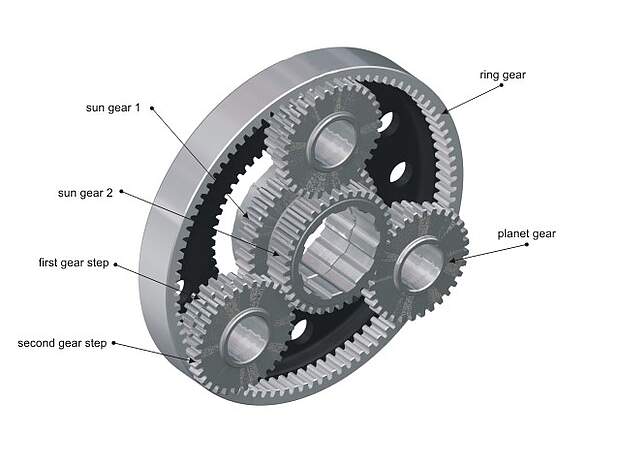
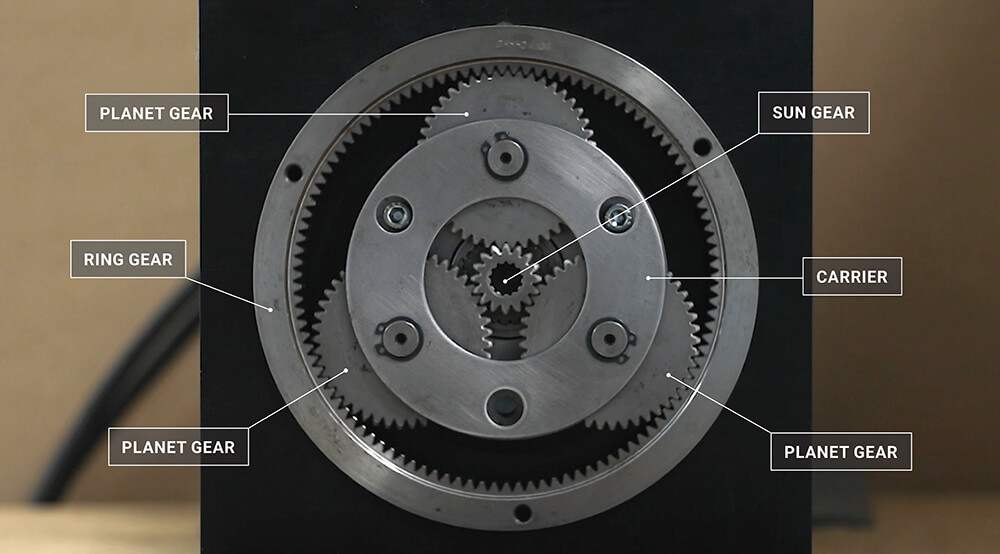
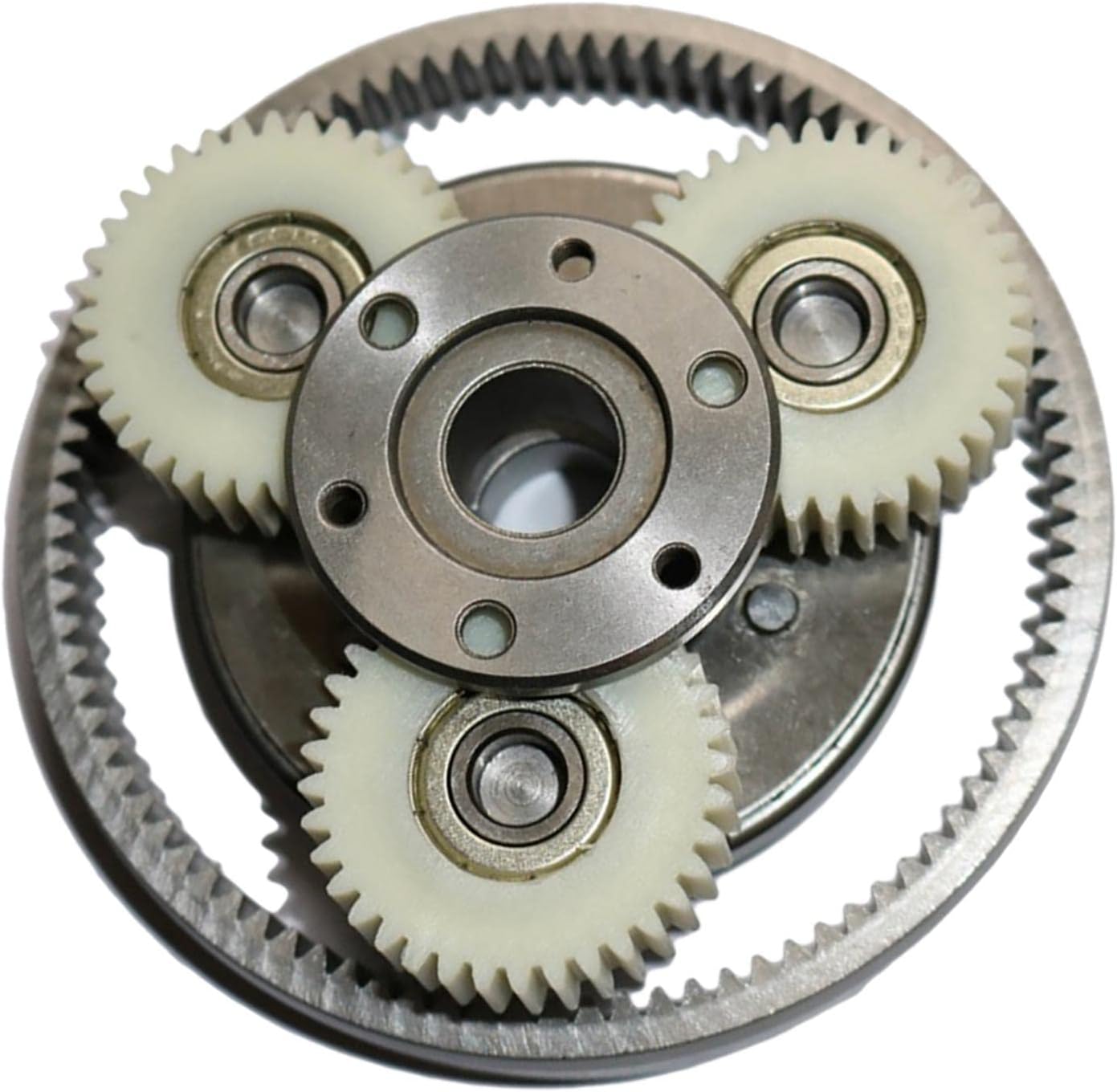
The simple planetary gear is the most basic type of epicyclic gear. It consists of a central sun gear, planet
gears, and a ring gear. This design allows for different gear ratios and torque multiplication.
2. Compound Epicyclic Gear
The compound epicyclic gear consists of two or more simple planetary gear sets combined in series or parallel.
This design offers even greater gear ratio flexibility and torque multiplication capabilities.
3. Differential Gear
The differential gear is a specialized type of epicyclic gear used in vehicles to allow the outer wheels to rotate
at different speeds while cornering. This enables smooth turning and improved stability.
4. Advantages of Different Epicyclic Gear Materials
The choice of material for epicyclic gears depends on the specific application requirements. Here are some
advantages of different materials:
- Steel Gears: High strength and durability, suitable for heavy-duty applications.
- Aluminum Gears: Lightweight, ideal for applications where weight reduction is critical.
- Titanium Gears: Excellent corrosion resistance and high strength-to-weight ratio, commonly used in aerospace
applications.
Applications of Epicyclic Gears
Epicyclic gears find extensive use in various industries due to their distinct advantages. Here are some notable
applications:
1. Automotive Industry
In the automotive industry, epicyclic gears are used in automatic transmissions, differential systems, and hybrid
drivetrains. Their compact design and efficient power transmission make them crucial for vehicle performance and
fuel efficiency.
2. Aerospace Industry
Epicyclic gears are vital components in aircraft landing gear systems, flight control mechanisms, and engine
accessories. Their high reliability and weight-saving characteristics contribute to safe and efficient aircraft
operation.
3. Industrial Equipment
Epicyclic gears are utilized in various industrial equipment, including conveyors, cranes, and mining machinery.
Their compactness, high torque transmission, and ability to handle heavy loads make them suitable for demanding
industrial applications.
4. Wind Power
Epicyclic gears are crucial in wind turbines, enabling the conversion of wind energy into electrical power. Their
high torque capabilities and efficient power transmission contribute to the effective generation of renewable
energy.
5. Robotics
Epicyclic gears play a significant role in robotics, particularly in robotic arms and joints. Their compact design
and high torque-to-weight ratio allow for precise and efficient movement, enhancing robotic performance.
Future Development and Opportunities
The future of epicyclic gears holds promising developments and opportunities. Here are some key points to consider:
1. Advancements in Materials
Ongoing advancements in materials, such as the use of composites and advanced alloys, can further enhance the
performance and durability of epicyclic gears.
2. Integration with Smart Technologies
The integration of epicyclic gears with smart technologies, such as sensors and actuators, can enable real-time
monitoring and optimization, leading to improved efficiency and reliability.
3. Demand for Electric and Hybrid Vehicles
The increasing demand for electric and hybrid vehicles creates opportunities for the application of epicyclic gears
in advanced drivetrain systems, contributing to improved vehicle performance and energy efficiency.
4. Automation and Robotics
The growth of automation and robotics in various industries creates a demand for high-performance epicyclic gears
that can withstand rigorous operating conditions and deliver precise motion control.
5. Sustainable Energy Solutions
Epicyclic gears will continue to play a vital role in sustainable energy solutions, such as wind and solar power,
as the world seeks cleaner and renewable sources of energy.
Choosing the Right Epicyclic Gear
Choosing the correct epicyclic gear involves considering various factors. Here are some aspects to analyze:
1. Clear Understanding of Requirements
Before selecting an epicyclic gear, it is essential to have a clear understanding of the specific application
requirements, including torque, speed, load capacity, and space constraints.
2. Material Selection
The selection of the appropriate material for the epicyclic gear depends on factors such as strength, weight,
corrosion resistance, and cost. Consideration should be given to the specific demands of the application.
3. Design Optimization
Design optimization involves ensuring the epicyclic gear is tailored for efficient power transmission, minimal
noise, and maximum reliability. Iterative design processes and simulations can aid in achieving optimal
performance.
4. Supplier and After-Sales Service
Choosing a reputable supplier with a track record of providing high-quality epicyclic gears and reliable
after-sales service ensures long-term performance and support for the gear system.
5. Cost-effectiveness and Quality Control
Considering the cost-effectiveness of the epicyclic gear, including factors such as initial investment, maintenance
costs, and overall system performance, helps in making a sound decision. Quality control measures should also be
implemented to ensure consistent gear performance.
Maintenance of Epicyclic Gears
Proper maintenance of epicyclic gears is essential for ensuring their longevity and optimal performance. Here are
some maintenance guidelines:
1. Regular Equipment Inspection
Perform regular inspections of the gear system to identify any signs of wear, misalignment, or damage. Timely
detection allows for prompt maintenance and minimizes the risk of unexpected failures.
2. Cleaning and Corrosion Prevention
Keep the gears clean and free from contaminants. Implement appropriate measures to prevent corrosion, such as
applying protective coatings and proper lubrication.
3. Lubrication and Maintenance
Ensure the gears are properly lubricated with suitable lubricants. Follow manufacturer recommendations for
lubrication intervals and types of lubricants to maintain optimal performance and reduce friction and wear.
4. Replacement of Worn Parts
Regularly inspect and replace any worn or damaged gear components. This helps maintain the overall integrity and
performance of the gear system.
5. Improvements and Upgrades
Consider improvements and upgrades to the gear system as technology advances. Upgrading components or implementing
new design features can enhance performance and extend the lifespan of the epicyclic gears.
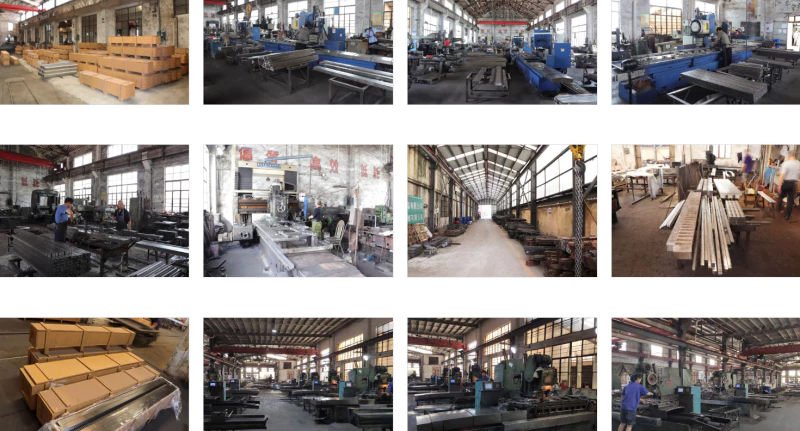
Why Choose Us
Choosing our company for your epicyclic gear needs comes with several advantages:
- Extensive Expertise: We have a team of experienced professionals who specialize in the manufacturing and
sales of high-quality epicyclic gears. - Custom Solutions: We offer customized gear solutions tailored to meet specific customer requirements, ensuring
optimal performance and reliability. - Advanced Technology: Our company utilizes advanced manufacturing techniques and state-of-the-art equipment to
produce epicyclic gears of the highest quality. - Quality Assurance: We implement strict quality control measures throughout the production process to ensure
consistent performance and reliability of our gears. - Excellent Customer Service: We are committed to providing exceptional customer service, including prompt
response to inquiries, timely deliveries, and comprehensive after-sales support.
Q&A
Q1: Can epicyclic gears be used in underwater applications?
A1: Yes, epicyclic gears can be designed and manufactured to withstand underwater conditions, provided they are
appropriately sealed and made from corrosion-resistant materials.
Q2: What advantages do epicyclic gears offer over traditional gear systems?
A2: Epicyclic gears offer advantages such as compactness, increased gear ratio flexibility, high torque-to-weight
ratio, and efficient power transmission compared to traditional gear systems.
Q3: Are epicyclic gears suitable for high-speed applications?
A3: Yes, epicyclic gears can be designed to handle high speeds, but factors such as gear material, lubrication, and
proper heat dissipation need to be considered to ensure reliable performance.
Q4: Can epicyclic gears be used for bidirectional power transmission?
A4: Yes, epicyclic gears can transmit power in both directions, making them suitable for applications requiring
reversible motion.
Q5: What maintenance is required for epicyclic gears?
A5: Regular inspections, cleaning, proper lubrication, and timely replacement of worn parts are essential for
maintaining the performance and longevity of epicyclic gears.
Author: Dream