epicyclic gear transmission advantages

Epicyclic Gear Transmission Advantages
An epicyclic gear transmission, also known as a planetary gear system, offers several advantages in various industries. This article explores the advantages of epicyclic gear transmission and its relationship with Epicyclic gear based on informational aspects.
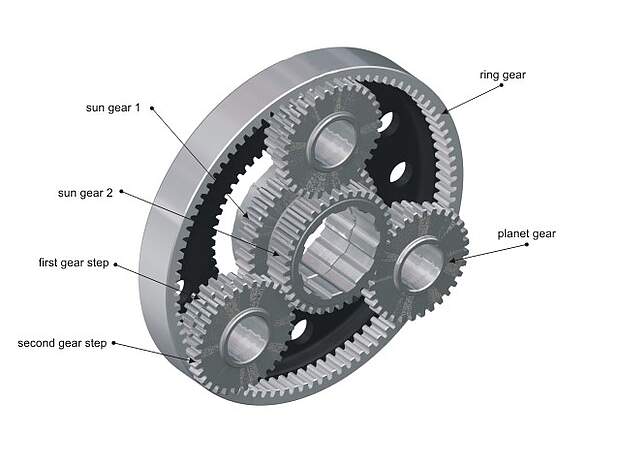
Advantages of Epicyclic Gear Transmission
1. Compact Design: Epicyclic gear transmissions are known for their compact size, making them ideal for applications where space is limited. The planetary arrangement of gears allows for a more efficient use of available space.
2. High Power Density: Epicyclic gear systems offer high power density, meaning they can transmit a large amount of power in a small package. This makes them suitable for applications that require high torque and speed.
3. Smooth and Efficient Operation: The design of epicyclic gears results in smoother and more efficient operation compared to other gear systems. The multiple gear meshings distribute the load evenly, reducing wear and minimizing power losses.
4. Versatility: Epicyclic gear transmissions can be configured in various ways to achieve different gear ratios and torque outputs. This versatility allows for customization based on specific application requirements.
5. Increased Durability: Epicyclic gears are designed to handle high loads and provide excellent durability. The compact design and advanced materials used in their construction contribute to their ability to withstand demanding conditions.
6. Noise Reduction: Epicyclic gear systems have the advantage of reducing noise levels during operation. The arrangement of gears and the smooth meshing action contribute to quieter gear transmission.
7. High Efficiency: Epicyclic gears are known for their high efficiency, meaning they can transmit a large percentage of input power to the output with minimal losses. This efficiency is crucial in applications where energy conservation is a priority.
8. Enhanced Torque Control: Epicyclic gear transmissions offer precise torque control, making them suitable for applications that require precise speed and position control. This feature is particularly beneficial in robotics and automation.
9. Lubrication Efficiency: The design of epicyclic gears allows for efficient lubrication, ensuring smooth operation and reduced friction. This feature contributes to the overall longevity and reliability of the gear system.
10. Low Maintenance: Epicyclic gear transmissions generally require less maintenance compared to other types of gear systems. Their robust design and efficient operation result in reduced wear and prolonged service intervals.
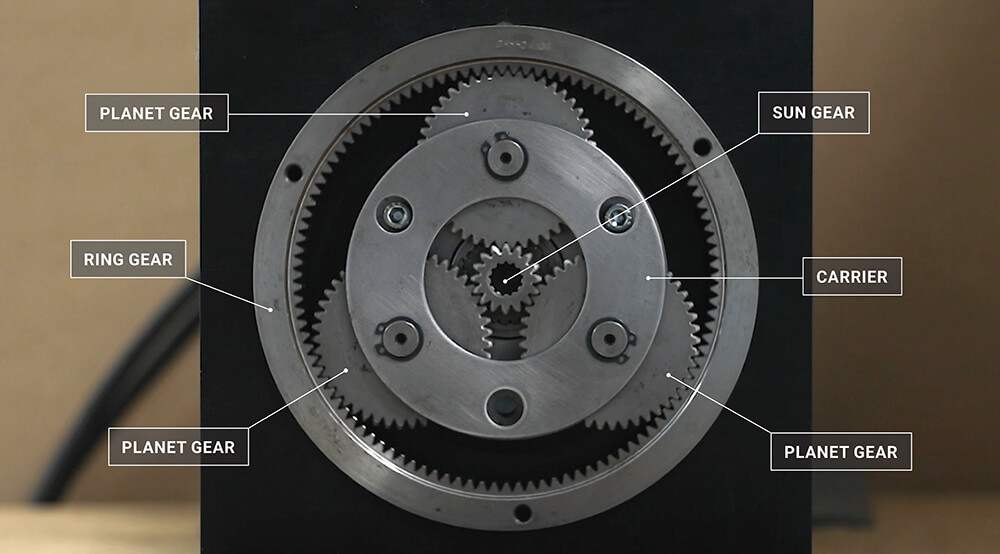
Epicyclic gears come in various types, each with its own unique characteristics. These types include:
Types of Epicyclic Gears
1. Simple Planetary Gear: This type consists of a central sun gear, a planet gear, and an outer ring gear. It provides a range of gear ratios and is commonly used in automotive applications.
2. Compound Planetary Gear: This type incorporates multiple sets of gears to achieve a wider range of gear ratios. It offers increased flexibility and is often used in industrial machinery.
3. Differential Planetary Gear: This type combines the characteristics of a differential and an epicyclic gear system. It allows for torque distribution between two output shafts and is commonly used in vehicles with four-wheel drive systems.
4. Harmonic Drive Gear: This type utilizes a flexible spline and wave generator to achieve high gear reduction ratios. It provides high precision and is often used in robotics and aerospace applications.
The choice of material for epicyclic gears depends on the specific application requirements. Different materials offer various advantages:
1. Steel Gears: Steel gears provide excellent strength and durability, making them suitable for applications that require high load capacities and resistance to wear.
2. Aluminum Gears: Aluminum gears offer lightweight and corrosion-resistant properties. They are often used in applications where weight reduction is essential, such as aerospace and automotive industries.
3. Composite Gears: Composite gears, made from materials like carbon fiber reinforced polymers, offer a combination of high strength and low weight. They are commonly used in high-performance applications.
4. Brass Gears: Brass gears are known for their low friction and excellent machinability. They are often used in applications where noise reduction and smooth operation are critical.
Epicyclic gears find extensive applications in various industries, showcasing their value and importance:
Applications of Epicyclic Gears
1. Automotive Industry: Epicyclic gears are widely used in automotive transmissions, providing efficient power transfer and gear ratio control. They contribute to improved fuel efficiency and enhanced performance.
2. Aerospace: Epicyclic gears play a vital role in aircraft engines, landing gear systems, and flight control mechanisms. They offer reliable and precise power transmission in demanding aerospace conditions.
3. Industrial Equipment: Epicyclic gears are used in various industrial machinery, including conveyors, mixers, and machine tools. They provide reliable torque transmission and speed control in heavy-duty applications.
4. Wind Power Generation: Epicyclic gears are utilized in wind turbines to convert the rotational motion of the blades into electrical power. Their high torque capacity and efficiency make them ideal for this renewable energy application.
5. Robotics Technology: Epicyclic gears are widely used in robotics for precise motion control and torque transmission. They enable robots to perform intricate tasks with accuracy and repeatability.
Epicyclic gear products have promising future development trends and opportunities. Some recommendations and prospects for industry development include:
Future Trends and Opportunities
1. Advanced Materials: Continued research and development into advanced materials, such as composites and alloys, can further enhance the performance and durability of epicyclic gears.
2. Miniaturization: As technology advances and demands for smaller and more efficient systems increase, there is a growing need for miniaturized epicyclic gear solutions in various industries.
3. Automation Integration: The integration of epicyclic gears with advanced automation technologies, such as artificial intelligence and machine learning, can lead to more intelligent and efficient systems.
4. Energy Efficiency: With a focus on sustainability and energy conservation, the development of even more efficient epicyclic gear systems can contribute to reducing energy consumption in various applications.
5. Industry Collaboration: Collaboration between gear manufacturers, OEMs, and research institutions can foster innovation and drive the development of new epicyclic gear technologies.
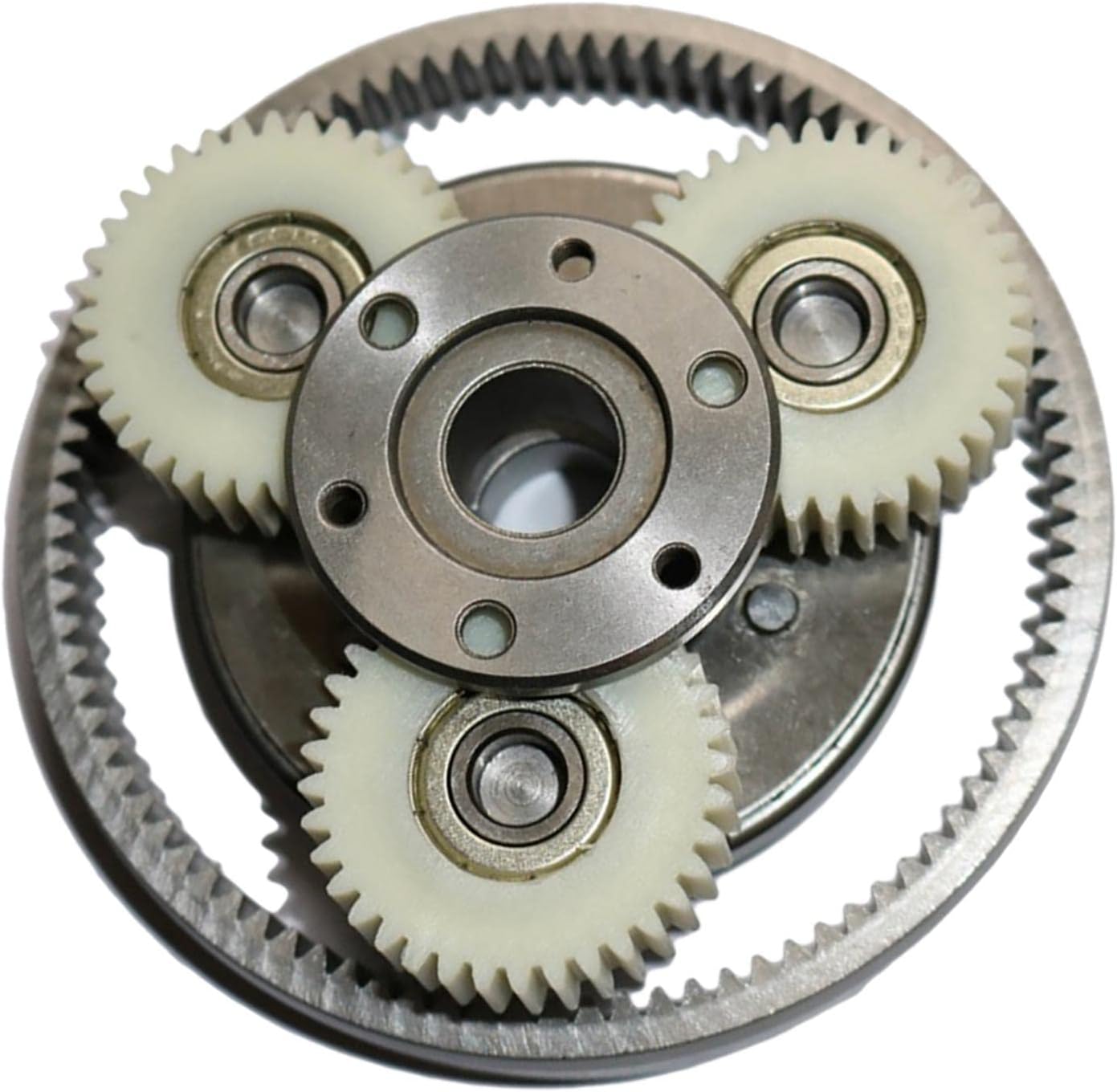
Choosing the right epicyclic gear involves considering various factors. Here are some aspects to analyze when selecting the correct gear:
Choosing the Right Epicyclic Gear
1. Clear Requirements: Clearly define the specific requirements for the gear system, including torque, speed, operating conditions, and space limitations.
2. Material Selection: Choose the appropriate gear material based on factors such as load capacity, weight restrictions, corrosion resistance, and operating temperature range.
3. Design Optimization: Work closely with gear designers to optimize the gear system’s design, considering factors like gear ratios, tooth profiles, and lubrication requirements.
4. Supplier and After-Sales Service: Select a reliable gear supplier who can provide technical support, timely delivery, and after-sales service to ensure the smooth operation of the gear system.
5. Cost-effectiveness: Evaluate the overall cost-effectiveness of the gear system, considering factors like initial investment, maintenance costs, and expected service life.
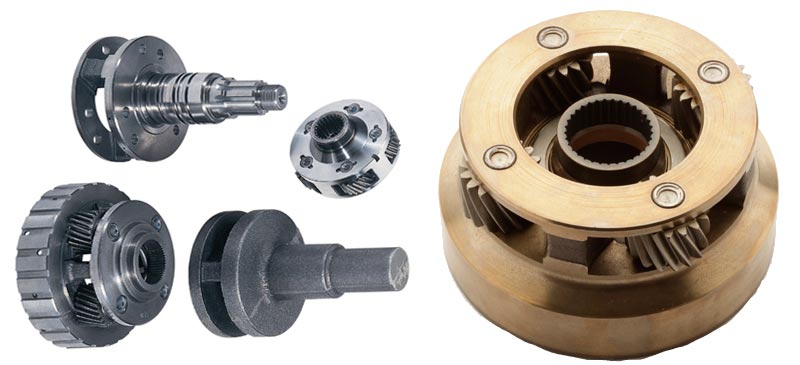
Maintaining epicyclic gears is essential for ensuring optimal performance and longevity. Here are some maintenance practices to follow:
Maintenance of Epicyclic Gears
1. Regular Equipment Inspections: Conduct periodic inspections to check for any signs of wear, misalignment, or damage. Address any issues promptly to prevent further damage.
2. Cleaning and Corrosion Protection: Keep the gears clean and apply suitable corrosion protection measures to prevent rust and other forms of corrosion that can compromise performance.
3. Lubrication and Greasing: Follow the manufacturer’s recommendations for lubrication intervals and use high-quality lubricants to ensure smooth gear operation and reduce friction.
4. Replacement of Worn Parts: Monitor gear wear and replace any worn or damaged components to maintain optimal performance and prevent potential gear failures.
5. Improvement and Upgrades: Stay updated with advancements in gear technology and consider implementing improvements or upgrades to enhance gear system performance and efficiency.
Why Choose Us?
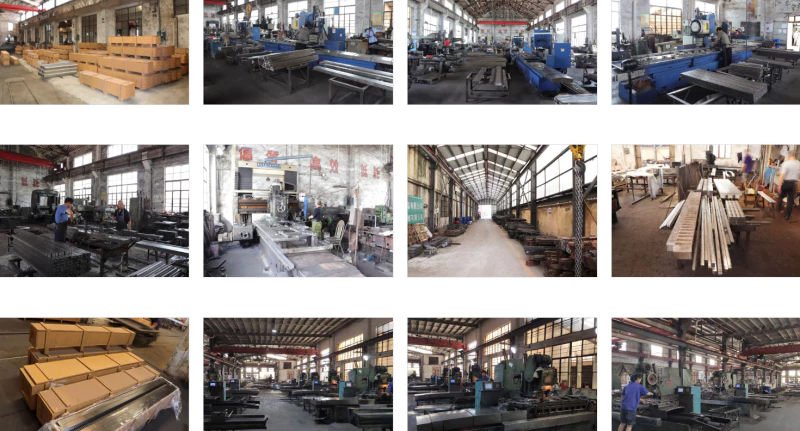
At [Company Name], we specialize in the production and sales of high-quality Epicyclic gears. Our products offer several advantages for your specific needs:
1. Superior Quality: Our Epicyclic gears are manufactured using premium materials and undergo rigorous quality control measures to ensure exceptional durability and performance.
2. Customization Options: We offer a range of customization options to meet your specific requirements, including gear ratios, materials, and design optimizations.
3. Technical Expertise: Our team of experienced engineers and technicians possesses the expertise to assist you in selecting the right Epicyclic gear solution and provide technical support throughout the process.
4. Timely Delivery: We understand the importance of on-time delivery and strive to meet your project deadlines with our efficient production and supply chain management.
5. Excellent Customer Service: We are committed to providing excellent customer service, ensuring a smooth and hassle-free experience from initial inquiry to after-sales support.
Q&A
Q1: What is the main advantage of using an epicyclic gear transmission?
A1: The main advantage is its compact design, allowing for efficient use of space.
Q2: How does an epicyclic gear system reduce noise levels?
A2: The multiple gear meshings and smooth action contribute to quieter gear transmission.
Q3: What are the different types of epicyclic gears?
A3: The types include simple planetary gears, compound planetary gears, differential planetary gears, and harmonic drive gears.
Q4: In which industries are epicyclic gears commonly used?
A4: Epicyclic gears find applications in the automotive, aerospace, industrial, wind power, and robotics industries.
Q5: What are the future trends for epicyclic gears?
A5: Future trends include advanced materials, miniaturization, automation integration, energy efficiency, and industry collaboration.
Author: Dream