gear pump casing

Gear Pump Casing
About Gear Pump Casing
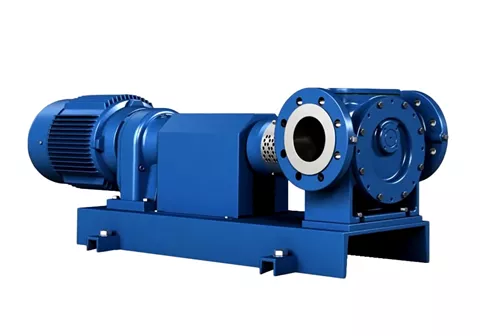
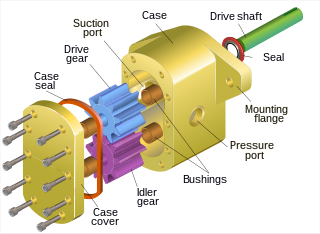
Gear pump casing is an essential component of a gear pump. It serves as the outer shell that encloses the gear mechanism and provides support and protection to the internal gears. The casing is typically made of durable materials such as cast iron or stainless steel to ensure structural integrity and longevity.
Gear Pump Casing and Gear Pump
The gear pump casing plays a crucial role in the operation of a gear pump. It houses the gears and creates a sealed chamber where the fluid is pumped. The close proximity between the casing and the gears ensures efficient fluid transfer and minimizes leakage. The design and quality of the casing directly impact the performance and reliability of the gear pump.
Performance Characteristics of Gear Pump
- High volumetric efficiency: Gear pumps are known for their ability to provide a consistent flow rate, making them suitable for various applications.
- Compact size: Gear pumps are compact in design, allowing for easy installation in tight spaces.
- Low noise and vibration: The precision gears and sturdy casing minimize noise and vibration during operation.
- Wide viscosity range: Gear pumps can handle fluids with a wide range of viscosities, making them versatile in different industries.
- Self-priming capability: Gear pumps can self-prime, eliminating the need for external priming devices.
Types of Gear Pumps and Their Characteristics
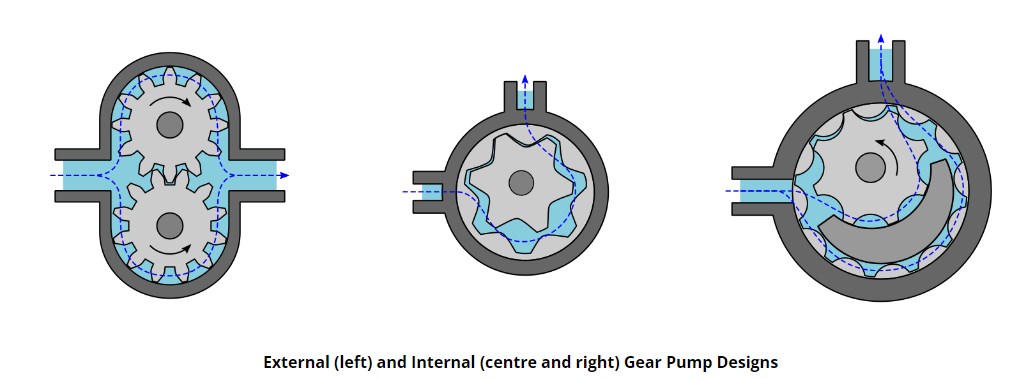
Gear pumps can be classified into various types based on design and applications. Some common types include external gear pumps, internal gear pumps, and gerotor pumps. Each type has its unique characteristics:
- External gear pumps: These pumps feature two external gears that mesh together, creating a pumping action. They are known for their high efficiency and precision.
- Internal gear pumps: These pumps have an outer gear and an inner gear that mesh together. They are capable of handling high viscosities and are often used in industrial applications.
- Gerotor pumps: These pumps use an outer rotor and an inner rotor with fewer teeth. They are compact and suitable for low-pressure applications.
Applications of Gear Pump
Gear pumps find wide-ranging applications in various industries, including:
- Automotive industry: Gear pumps are used for lubrication, fuel transfer, and hydraulic systems in vehicles.
- Agricultural machinery: Gear pumps are utilized for spraying, irrigation, and fertilizer distribution in agricultural equipment.
- Pharmaceutical industry: Gear pumps are employed in pharmaceutical manufacturing processes for precise fluid transfer.
- Food processing: Gear pumps handle the transportation of food products, such as sauces, chocolate, and syrups.
- Marine engineering: Gear pumps are essential for seawater cooling systems, fuel transfer, and bilge pumping in marine applications.
Future Trends and Opportunities for Gear Pump
- Integration of IoT: Gear pumps equipped with IoT technology can provide real-time performance monitoring and predictive maintenance, optimizing efficiency and reducing downtime.
- Advancements in materials: The development of new materials with improved wear resistance and corrosion resistance can enhance the durability and performance of gear pumps.
- Increased focus on energy efficiency: Gear pumps with improved efficiency and reduced power consumption will be in high demand, aligning with the global trend towards energy conservation.
- Growing demand in emerging markets: As developing economies expand their industrial sectors, the demand for gear pumps in sectors like construction, mining, and oil and gas is expected to rise.
- Opportunities in renewable energy: Gear pumps play a crucial role in various renewable energy systems, such as wind turbines and solar power plants, presenting new opportunities for the gear pump industry.
Choosing the Right Gear Pump
When selecting a gear pump, several factors should be considered:
- Clear requirements: Define the specific application requirements, including flow rate, pressure, viscosity range, and temperature.
- Material selection: Choose the appropriate materials for the pump components based on the fluid characteristics and the operating environment.
- Design optimization: Consider factors such as gear tooth profile, clearances, and sealing methods to maximize pump performance and efficiency.
- Supplier and after-sales service: Evaluate the reputation, reliability, and after-sales support of potential gear pump suppliers to ensure long-term satisfaction.
- Cost-effectiveness: Balance the initial cost of the pump with its expected performance and maintenance requirements to determine the most cost-effective solution.
- Quality control: Ensure that the chosen gear pump meets industry standards and undergoes rigorous quality control processes to guarantee reliable operation.
Gear Pump Maintenance
Proper maintenance of gear pumps is essential for their performance and longevity. Maintenance activities include:
- Regular equipment inspections: Periodically inspect the pump for any signs of wear, leakage, or damage. Address any issues promptly to prevent further damage.
- Cleaning and corrosion prevention: Clean the pump regularly and apply suitable coatings or corrosion inhibitors to protect against corrosion.
- Lubrication and servicing: Follow the manufacturer’s recommendations for lubricating the gears and other moving parts. Perform scheduled servicing to keep the pump in optimal condition.
- Replacement of worn parts: Monitor the wear of components such as gears, bearings, and seals. Replace any worn parts to maintain the pump’s performance and prevent potential failures.
- Improvement and upgrades: Stay updated with advancements in gear pump technology. Consider upgrading to more efficient or specialized gear pumps when necessary.
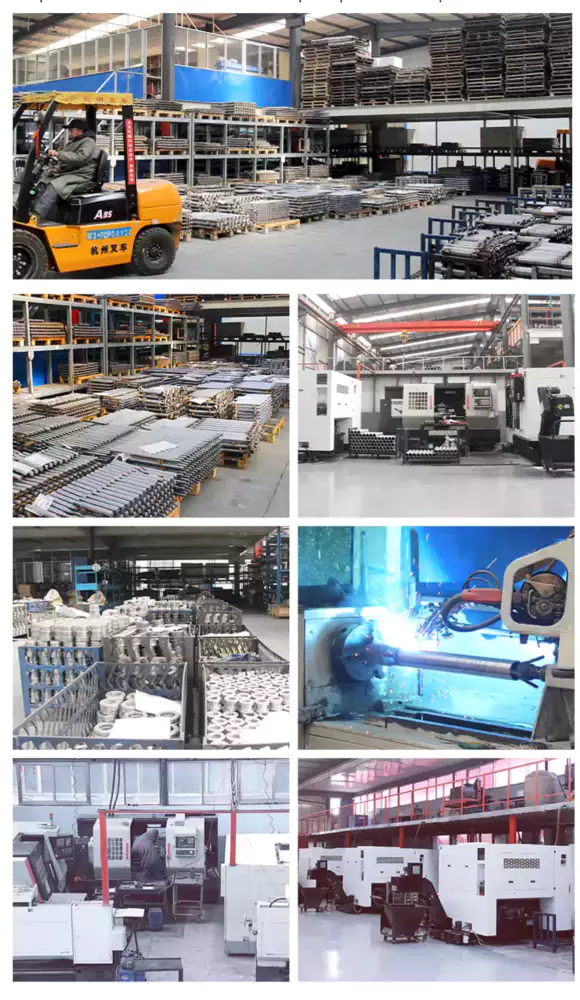
Why Choose Us
As a professional manufacturer and supplier of gear pumps, our company offers the following advantages:
- High-quality products: Our gear pumps are manufactured using premium materials and undergo strict quality control to ensure reliable performance.
- Customization options: We provide tailored solutions to meet specific application requirements, offering various sizes, materials, and configurations.
- Technical expertise: Our team of experienced engineers and technicians possesses in-depth knowledge of gear pump technology, enabling us to provide expert advice and support.
- Timely delivery: We prioritize on-time delivery to minimize downtime and ensure smooth operations for our customers.
- Excellent customer service: We strive to deliver outstanding customer service, addressing inquiries, providing technical support, and resolving any issues promptly.
Q&A
Q1: Can gear pumps handle highly corrosive fluids?
A1: While gear pumps are generally suitable for various fluids, highly corrosive fluids may require specialized materials or coatings on the pump components to ensure chemical resistance.
Q2: Are gear pumps suitable for high-pressure applications?
A2: Gear pumps can handle moderate pressure applications, but for high-pressure requirements, other pump types such as piston pumps or multistage pumps may be more appropriate.
Q3: Can gear pumps handle abrasive fluids?
A3: Gear pumps may experience wear when handling abrasive fluids. In such cases, using materials with high abrasion resistance or considering alternative pump types may be necessary.
Q4: Do gear pumps require regular maintenance?
A4: Yes, regular maintenance is essential to ensure the optimal performance and longevity of gear pumps. Proper lubrication, inspections, and timely replacement of worn parts are recommended.
Q5: Can gear pumps be used in explosive environments?
A5: Gear pumps can be designed to meet the requirements of explosive environments by incorporating explosion-proof features and using suitable materials that minimize the risk of sparks or ignition.
Author: Dream