gear pump cavitation troubleshooting

Gear Pump Cavitation Troubleshooting
Gear pump cavitation is a common problem that can cause significant damage to gear pumps and their associated components. In this article, we will discuss gear pump cavitation troubleshooting and its relationship with Gear pump, as well as the performance characteristics and types of Gear pumps, their applications, future development trends, and maintenance. We will also provide tips on how to choose the right gear pump and why our company is the best choice for purchasing gear pumps.
Gear Pump Cavitation Troubleshooting
Gear pump cavitation occurs when the fluid being pumped vaporizes due to low pressure, which creates air bubbles in the fluid. These air bubbles cause noise, decreased pump performance, and damage to the pump’s internal components. The most common cause of gear pump cavitation is an insufficient supply of fluid to the pump inlet due to a clogged filter, a damaged suction line, or low fluid levels in the reservoir. Cavitation can also be caused by high operating temperatures, which cause the fluid to expand and create a low-pressure zone that leads to cavitation.
To troubleshoot gear pump cavitation, it is essential to check the pump’s inlet line for any clogs or damages. If the inlet line is clean and free of damage, check the fluid level in the reservoir and make sure it is at the recommended level. If the fluid level is low, add more fluid to the reservoir. If the problem persists, check the pump’s operating temperature and make sure it is within the recommended range. If the temperature is too high, the pump may need to be cooled or replaced.
Informational Relationship between Gear Pump Cavitation Troubleshooting and Gear Pump
Gear pump cavitation troubleshooting is essential for maintaining the proper functioning of Gear pumps. Gear pumps are positive displacement pumps that are widely used in various industries, including the automotive, agriculture, pharmaceutical, food processing, and marine engineering industries. They are known for their high efficiency, low noise, and ability to handle a wide range of fluids, making them an ideal choice for many applications.

Gear Pump Performance Characteristics
- High efficiency
- Low noise
- Ability to handle a wide range of fluids
- Compact size
- Easy maintenance
Each of these characteristics makes Gear pumps an ideal choice for various industrial applications. Their high efficiency and low noise make them suitable for use in applications where noise reduction is essential. Their ability to handle a wide range of fluids makes them a popular choice in the chemical and food processing industries, while their compact size and easy maintenance make them ideal for use in mobile equipment and vehicles.
Gear Pump Types and Characteristics
There are several types of Gear pumps, including external gear pumps, internal gear pumps, and gerotor pumps. External gear pumps are the most common type of gear pump and are typically used in low to medium pressure applications. Internal gear pumps are used for higher pressure applications, while gerotor pumps are used for low to medium pressure, high flow rate applications.

Gear pumps can be made from various materials, including brass, cast iron, stainless steel, and aluminum. Each material has its advantages, such as increased durability or compatibility with certain fluids. For example, brass pumps are ideal for use with water-based fluids, while stainless steel pumps are suitable for corrosive fluids.
Gear Pump Applications
Gear pumps are widely used in various industries, including:
- Automotive
- Agriculture
- Pharmaceutical
- Food processing
- Marine engineering
In the automotive industry, Gear pumps are used in power steering systems, transmissions, and braking systems. In the agriculture industry, they are used in irrigation systems and tractors. In the pharmaceutical industry, they are used in the manufacture of drugs and vaccines. In the food processing industry, they are used in the production of beverages and dairy products. In marine engineering, they are used in hydraulic systems and bilge pumps.
Gear Pump Future Development Trends and Opportunities
Gear pumps are expected to continue to evolve and improve in terms of performance, efficiency, and durability. Some of the future development trends for gear pumps include:
- Improved materials and coatings for increased durability
- Enhanced sealing technologies to prevent leakage
- Smart technologies for better performance monitoring and maintenance
- Increased use of renewable energy sources in pump systems
- Integration with other system components for better overall performance
As gear pumps continue to improve and evolve, there will be many opportunities for companies to expand their market share and offer new and innovative solutions to their customers.

How to Choose the Right Gear Pump
Choosing the right gear pump requires careful consideration of several factors, including:
- Clear requirements for the application
- Material selection based on fluid compatibility and durability
- Design optimization for performance and efficiency
- Choosing a reputable supplier with high-quality products and good customer service
- Cost-effectiveness and quality control
By considering these factors, companies can choose the right gear pump for their specific needs and ensure they get the best performance and value from their investment.
Gear Pump Maintenance
Maintaining gear pumps is essential for ensuring their longevity and proper functioning. Some maintenance tips include:
- Performing regular equipment checks to identify and prevent problems early on
- Cleaning and preventing corrosion on the pump’s surface
- Proper lubrication and maintenance of bearings and other moving parts
- Replacing worn or damaged components as needed
- Upgrading and improving the pump’s performance through design optimization and technology upgrades
Why Choose Us
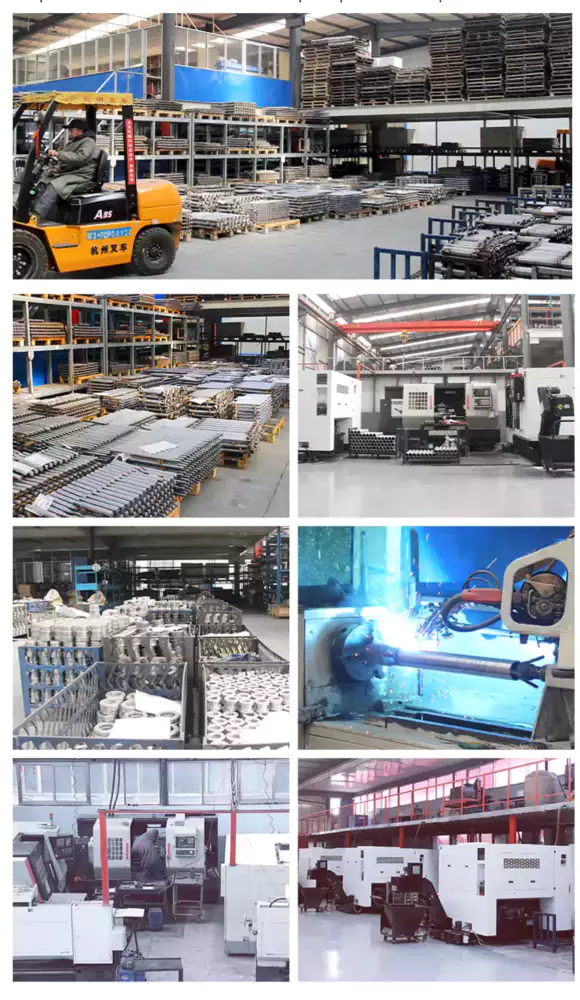
Our company specializes in producing and selling high-quality gear pumps for various industrial applications. Our products and services are unmatched in quality and value, and we pride ourselves on providing excellent customer service. Some of our key advantages include:
- High-quality, durable products made from the best materials
- Expert technical support and advice from experienced professionals
- Customized solutions tailored to meet our customers’ specific needs
- Competitive pricing and cost-effective solutions
- Excellent customer service and support
Q&A
- What is gear pump cavitation?
- What are the performance characteristics of Gear pumps?
- What are the different types of Gear pumps?
- What are some common applications of Gear pumps?
- What should companies consider when choosing a gear pump?
Author: Dream