gear pump motor

Gear Pump Motor
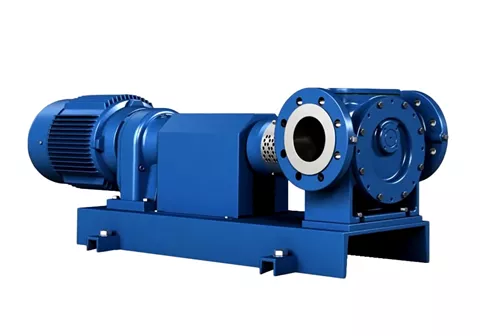
Introduction to Gear Pump Motor
Gear pump motor is a crucial component in various industrial applications. It is a type of positive displacement pump that utilizes interlocking gears to transfer fluids. The gear pump motor operates by trapping fluid between the gear teeth and the pump casing, creating a continuous flow. This mechanism ensures efficient and reliable fluid transfer in a wide range of industries.
Relationship between Gear Pump Motor and Gear Pump
The gear pump motor is closely related to the gear pump in terms of functionality and design. The gear pump, also known as an external gear pump, consists of two or more gears that rotate in opposite directions. These gears create a suction effect, drawing fluid into the pump and then forcibly pushing it out through the discharge port. The gear pump motor provides the necessary power to drive the gears, enabling the fluid transfer process.
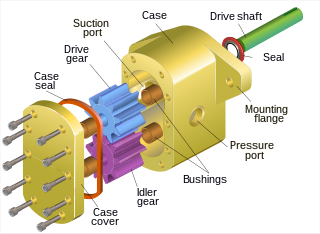
Performance Characteristics of Gear Pump
– High volumetric efficiency: Gear pumps offer excellent volumetric efficiency, ensuring a steady flow rate.
– Compact design: The compact size of gear pumps makes them suitable for installations with limited space.
– Self-priming capability: Gear pumps can self-prime, eliminating the need for manual priming.
– Wide temperature range: These pumps can handle a broad range of temperatures, making them versatile in various environments.
– Low noise levels: Gear pumps operate with minimal noise, ensuring a quiet working environment.
Types of Gear Pump and Their Characteristics
There are several types of gear pumps, each with its own unique characteristics. Some common types include:
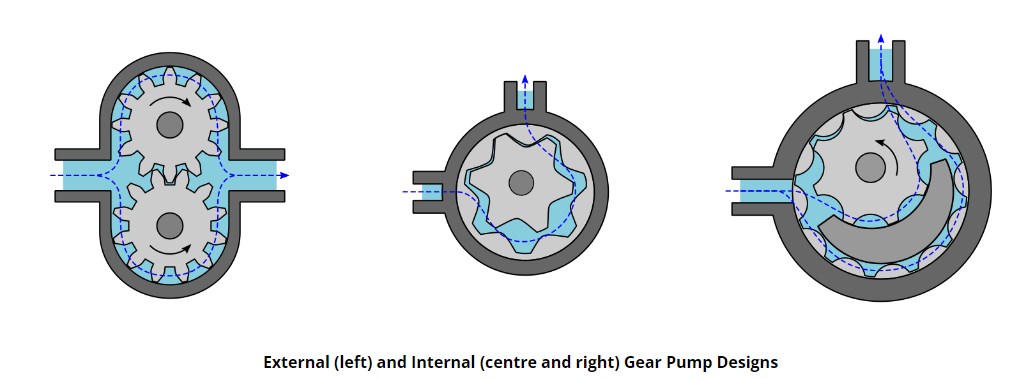
– External gear pump: Ideal for high-pressure applications and offers excellent efficiency.
– Internal gear pump: Suitable for handling high-viscosity fluids and provides smooth operation.
– Mag drive gear pump: Ensures leak-free performance by eliminating the need for seals.
– Bi-rotational gear pump: Capable of operating in either direction, providing flexibility in system design.
Different materials used in gear pump construction offer specific advantages:
– Stainless steel gear pump: Resistant to corrosion and suited for handling corrosive fluids.
– Cast iron gear pump: Provides durability and can handle high-pressure applications.
– Bronze gear pump: Offers excellent wear resistance and is ideal for abrasive fluids.
Applications of Gear Pump in Various Industries
Gear pumps play a vital role in multiple industries, including:
1. Automotive Industry
Gear pumps are used for lubricating engine components, hydraulic systems, and fuel transfer applications in automobiles. They ensure proper lubrication and efficient fluid transfer, contributing to the smooth operation of vehicles.
2. Agricultural Machinery
Gear pumps are utilized in agricultural machinery for various tasks, such as transferring fertilizers, pesticides, and irrigation fluids. Their reliable performance and ability to handle different fluids make them essential in modern agriculture.
3. Pharmaceutical Industry
In the pharmaceutical industry, gear pumps are employed for precise dosing and the transfer of pharmaceutical ingredients. Their accurate flow control and sanitary design ensure the safe and efficient production of pharmaceutical products.
4. Food Processing
Gear pumps play a crucial role in the food processing industry by transferring viscous materials, such as chocolate, syrups, and sauces. Their gentle pumping action maintains product integrity and minimizes shear stress.
5. Marine Engineering
Gear pumps are widely used in marine engineering applications, including bilge pumping, fuel transfer, and hydraulic systems. They can handle both clean and dirty fluids, making them suitable for marine environments.
Future Development and Opportunities of Gear Pump Products
The gear pump industry is poised for significant growth and presents various opportunities. Some future trends and recommendations include:
– Integration of smart technologies: Incorporating IoT and automation features into gear pump systems can enhance monitoring and control capabilities.
– Energy efficiency improvements: Developing gear pumps with higher efficiency can reduce energy consumption and operating costs.
– Customization options: Offering customized gear pump solutions based on specific industry requirements can cater to diverse applications.
– Collaboration with research institutions: Partnering with research institutions can lead to innovation and development of advanced gear pump technologies.
– Global market expansion: Exploring new markets and expanding the global reach of gear pump products can open up new business opportunities.
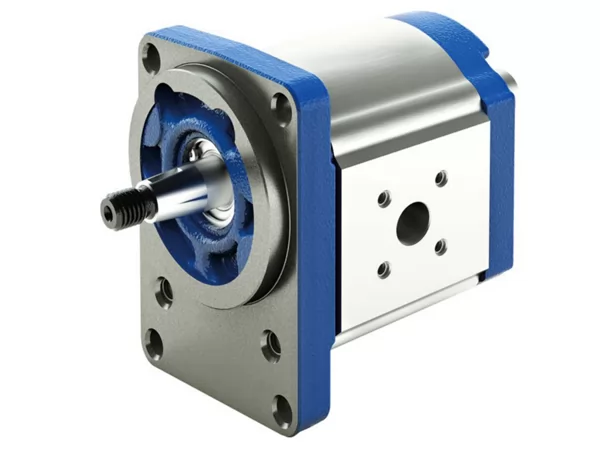
Choosing the Right Gear Pump
Selecting the appropriate gear pump involves considering several factors:
1. Clearly define your requirements
Identify the desired flow rate, pressure range, temperature limits, and other specifications to ensure the gear pump meets your application needs.
2. Material selection
Choose a gear pump constructed from materials compatible with the fluid being transferred to prevent chemical reactions or degradation.
3. Design optimization
Optimize the gear pump design to minimize pressure drops, improve efficiency, and reduce noise levels for better overall performance.
4. Supplier and after-sales service
Evaluate the reputation and reliability of gear pump suppliers, considering factors such as product quality, timely delivery, and after-sales support.
5. Cost-effectiveness
Consider the initial cost, maintenance requirements, and lifecycle costs to ensure the gear pump provides value for money in the long run.
6. Quality control
Ensure the gear pump undergoes rigorous quality control checks to guarantee its reliability and performance in demanding applications.
Gear Pump Maintenance
Proper maintenance of gear pumps is essential for their longevity and optimal performance. Some key maintenance practices include:
– Regular equipment inspections: Routine checks ensure early detection of any issues and prevent potential failures.
– Cleaning and corrosion prevention: Regular cleaning and applying anti-corrosion measures protect the gear pump from damage caused by contaminants and corrosive substances.
– Lubrication and servicing: Proper lubrication and regular servicing of the gear pump components ensure smooth operation and prevent excessive wear.
– Replacement of worn parts: Timely replacement of worn gears, bearings, and seals helps maintain efficient pump performance.
– Improvements and upgrades: Implementing design improvements and upgrading components can enhance the gear pump’s reliability and efficiency.
Why Choose Us
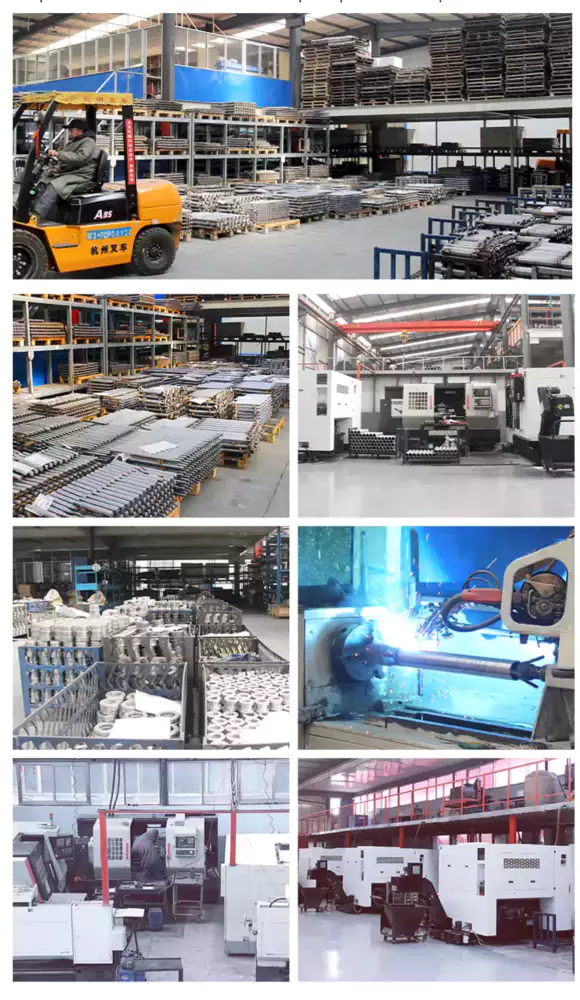
As an industry-leading company, we specialize in the production and sale of high-quality gear pumps. Here are five reasons to choose our products and company:
1. Superior Performance: Our gear pumps are designed to deliver exceptional performance, ensuring reliable fluid transfer in various applications.
2. Extensive Product Range: We offer a wide range of gear pump models with varying flow rates, pressure capacities, and material options to meet diverse customer requirements.
3. Customization Capabilities: We provide customized gear pump solutions tailored to specific industry needs, offering flexibility and optimal performance.
4. Quality Assurance: Our gear pumps undergo rigorous quality checks throughout the manufacturing process, guaranteeing their reliability and durability.
5. Excellent Customer Support: We are committed to providing exceptional customer service, offering technical assistance, prompt delivery, and after-sales support.
Product Recommendations
– Model A: This gear pump offers high flow capacity, making it ideal for applications requiring large volume fluid transfer. Its robust construction ensures long-lasting performance even in demanding conditions.
– Model B: Designed for precise dosing applications, this gear pump provides accurate flow control and is suitable for industries such as pharmaceuticals and food processing.
– Model C: With its corrosion-resistant material, this gear pump is perfect for handling corrosive fluids, making it a reliable choice for chemical processing plants.
– Model D: This compact gear pump is highly efficient and suitable for installations with limited space. Its quiet operation and low maintenance requirements make it suitable for various applications.
– Model E: Offering excellent resistance to wear and abrasion, this gear pump is ideal for handling abrasive fluids, making it a preferred choice in industries such as mining and construction.
Q&A
Q1: Can gear pumps handle high-pressure applications?
A1: Yes, gear pumps are capable of handling high-pressure applications due to their robust construction and efficient sealing mechanisms.
Q2: Are gear pumps suitable for transferring viscous fluids?
A2: Absolutely. Gear pumps excel at handling viscous fluids thanks to their positive displacement design, which ensures consistent flow rates even with thick materials.
Q3: Can gear pumps be used for both clean and dirty fluids?
A3: Yes, gear pumps can handle both clean and dirty fluids, making them versatile in various industrial settings. However, proper maintenance is crucial to prevent clogging and ensure reliable operation.
Q4: Is it possible to customize gear pumps based on specific requirements?
A4: Yes, our company provides customization options to tailor gear pumps to specific industry needs, including flow rates, pressure ranges, and material compatibility.
Q5: What kind of after-sales support do you offer?
A5: We offer comprehensive after-sales support, including technical assistance, spare parts availability, and prompt response to customer queries or concerns.
Author: Dream