gear pump operation

Gear Pump Operation
Informational Relationship between Gear Pump Operation and Gear Pump
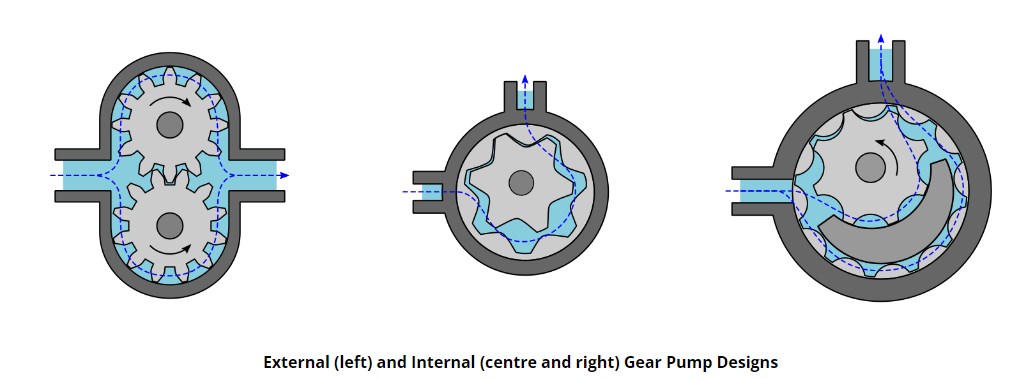
Gear pump operation refers to the functioning and performance of a gear pump. A gear pump is a type of positive displacement pump that utilizes the meshing of gears to pump fluid. The operation of a gear pump involves the rotation of gears within a housing, creating a suction and discharge action to move the fluid through the pump.
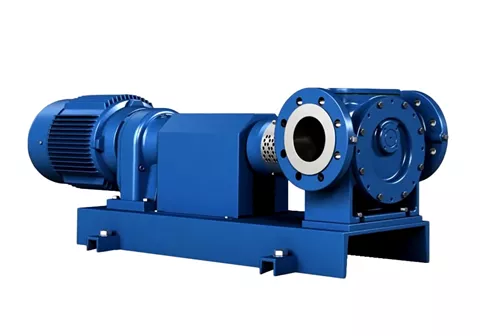
Performance Characteristics of Gear Pump
1. Efficient Fluid Transfer: Gear pumps are known for their high efficiency in fluid transfer due to the positive displacement design.
2. Smooth and Consistent Flow: The precise meshing of gears ensures a smooth and consistent flow of fluid.
3. Self-Priming Capability: Gear pumps have self-priming capabilities, allowing them to handle fluids with air or gas entrainment.
4. Compact Design: Gear pumps are compact in size, making them suitable for various applications where space is limited.
5. Low Noise and Vibration: The design of gear pumps minimizes noise and vibration during operation, resulting in quieter operation.
Types and Characteristics of Gear Pump
Gear pumps can be classified into various types based on their design and construction. Some common types include external gear pumps, internal gear pumps, and helical gear pumps. Each type has its own set of characteristics.
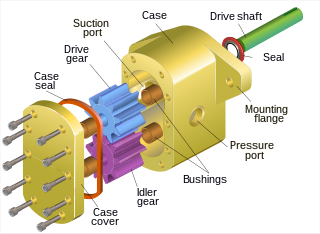
When it comes to different materials used in gear pump construction, each material offers specific advantages. For example, gear pumps made of stainless steel provide excellent corrosion resistance, while those made of cast iron offer high strength and durability. The choice of material depends on the application requirements and the type of fluid to be pumped.
Applications of Gear Pump
Gear pumps find extensive use in various industries to meet fluid transfer needs. Here are some notable applications in different fields:
- Automotive Industry: Gear pumps are used for lubrication, fuel transfer, and hydraulic systems in vehicles.
- Agricultural Machinery: Gear pumps play a crucial role in irrigation systems, crop sprayers, and fertilizer distribution.
- Pharmaceutical Industry: Gear pumps are utilized in drug manufacturing processes, ensuring accurate and precise fluid transfer.
- Food Processing: Gear pumps are suitable for conveying food products such as chocolate, syrup, and sauces.
- Marine Engineering: Gear pumps are employed in ship systems for fuel supply, cooling, and hydraulic applications.
Future Trends and Opportunities in Gear Pump Products
Gear pump products are expected to witness significant growth and opportunities in the future. Some potential trends include:
- Increase in Demand for Energy-efficient Gear Pumps
- Advancements in Gear Pump Materials and Manufacturing Techniques
- Integration of IoT and Automation in Gear Pump Systems
- Expansion of Gear Pump Applications in Renewable Energy Industries
- Focus on Developing Customized Gear Pump Solutions for Specific Industries
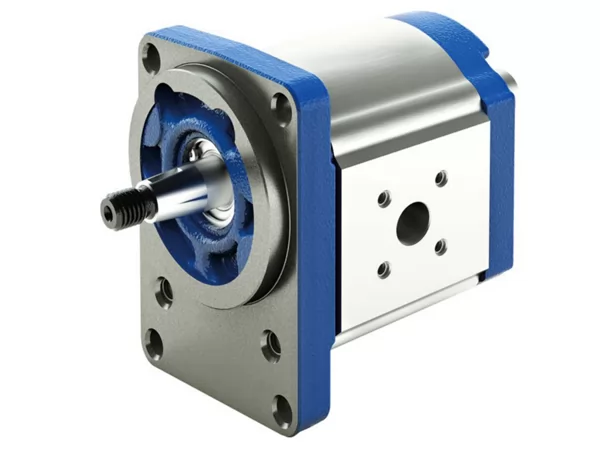
Choosing the Right Gear Pump
Selecting the correct gear pump involves considering various factors:
- Clear Understanding of Fluid Transfer Requirements
- Material Selection to Suit the Fluid Properties
- Design Optimization for Efficient Performance
- Reliable Supplier and After-Sales Service
- Cost-effectiveness and Return on Investment
Gear Pump Maintenance
Proper maintenance of gear pumps ensures their longevity and optimal performance. Key maintenance practices include:
- Regular Equipment Inspections to Identify Potential Issues
- Cleaning and Corrosion Prevention Measures
- Lubrication and Routine Maintenance
- Replacement of Worn-out Components
- Improvements and Upgrades as Needed
Why Choose Us
Author: Dream
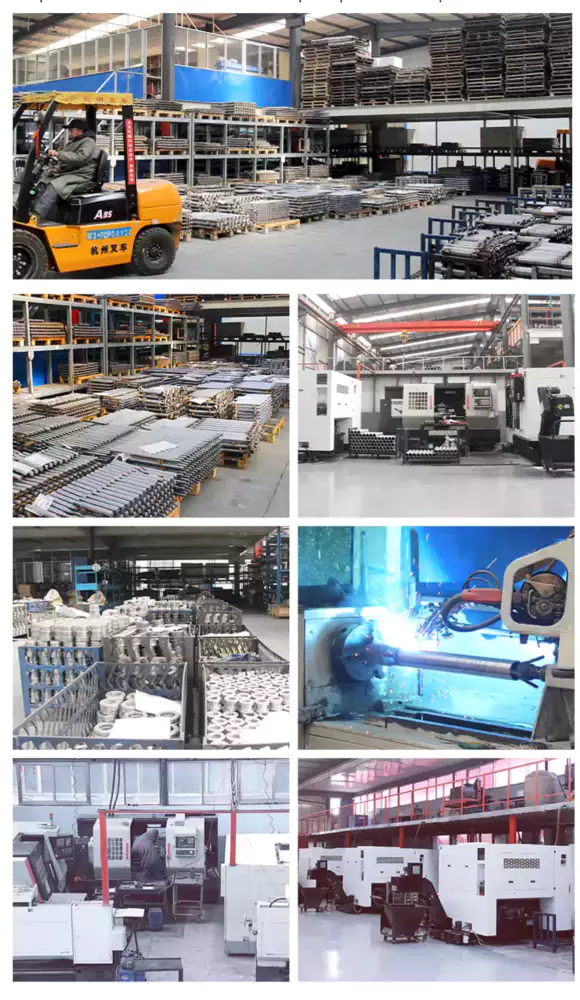
We are a professional manufacturer and supplier of gear pumps, specializing in the production and sales of high-quality gear pump products. Our company offers several advantages:
- Wide Range of Gear Pump Solutions to Meet Diverse Needs
- Superior Quality and Reliable Performance
- Customization Options for Specific Applications
- Efficient Technical Support and After-Sales Service
- Competitive Pricing and Cost-effectiveness
Q&A
- Q: How can I determine the required flow rate for a gear pump?
- Q: Are gear pumps suitable for high-pressure applications?
- Q: Can gear pumps handle viscous fluids?
- Q: What are the common maintenance issues with gear pumps?
- Q: Can gear pumps handle abrasive fluids?
A: The required flow rate can be determined by considering the application’s demand and the fluid characteristics.
A: Gear pumps can handle moderate to high-pressure applications depending on the design and materials used.
A: Yes, gear pumps are well-suited for pumping viscous fluids due to their positive displacement design.
A: Common maintenance issues include gear wear, leakage, and contamination, which can be addressed through regular inspections and proper maintenance practices.
A: Gear pumps may not be suitable for highly abrasive fluids, as they can cause accelerated wear on the gears and other components.
Author: Dream