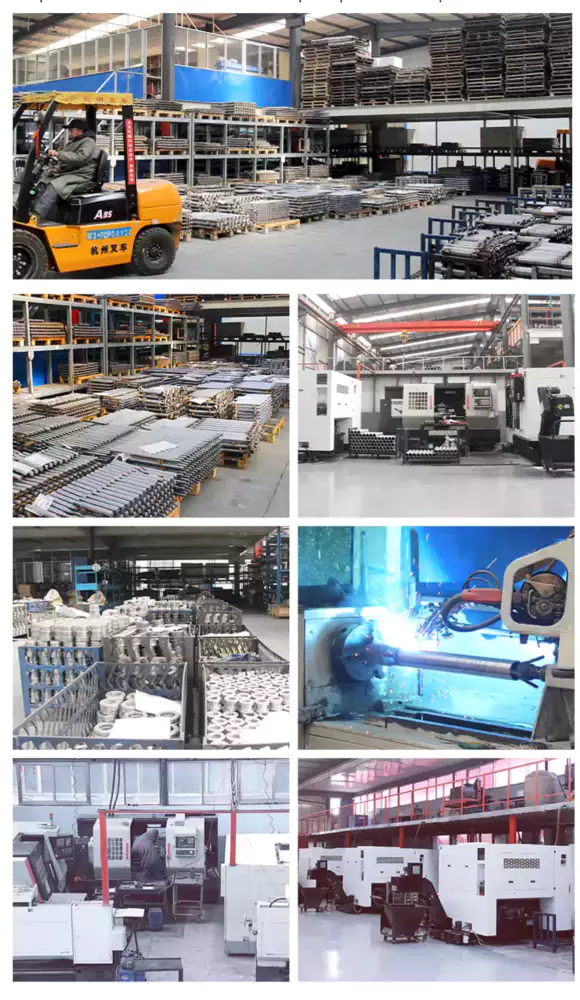
gear pump operational tips

Gear Pump Operational Tips
Introduction
Gear pumps are an essential component in many industries, providing efficient fluid transfer and pressure generation. To ensure optimal performance and longevity of gear pumps, it is important to follow these operational tips:
Operational Tips for Gear Pumps
1. Proper Installation
Correctly installing the gear pump is crucial for its smooth operation. Ensure proper alignment, secure mounting, and adequate lubrication to minimize wear and maximize efficiency.
2. Optimal Speed
Running the gear pump at the recommended speed range is vital to maintain its performance. Operating outside the specified speed limits may result in reduced efficiency and premature wear.
3. Clean and Filtered Fluids
Using clean and filtered fluids is essential to prevent contaminants from damaging the gear pump. Regularly check and replace filters to maintain a clean operating environment.
4. Lubrication
Proper lubrication of the gear pump’s moving parts is crucial for reducing friction and extending its lifespan. Follow the manufacturer’s recommendations for lubricating intervals and use high-quality lubricants.
5. Monitoring Pressure and Temperature
Regularly monitor the pump’s pressure and temperature to identify any abnormal operating conditions. Maintaining the recommended levels helps prevent damage and ensures reliable performance.
6. Periodic Maintenance
Performing routine maintenance tasks like inspection, cleaning, and replacing worn components is necessary to keep the gear pump functioning optimally. Follow the manufacturer’s guidelines for maintenance intervals and procedures.
7. Upgrading and Improving
Consider upgrading the gear pump with newer technologies or implementing improvements suggested by the manufacturer to enhance its performance and efficiency.
8. Selecting the Right Gear Pump
Choosing the correct gear pump involves considering various factors:
- Clearly define your requirements to match the pump’s specifications.
- Select the appropriate material for the gear pump based on the fluid properties and compatibility.
- Optimize the pump’s design for efficient operation within your system.
- Evaluate suppliers for reliability, quality, and after-sales service.
- Ensure the cost-effectiveness of the gear pump for your application.
9. Gear Pump Types and Advantages
Gear pumps are available in different types, each with its advantages:
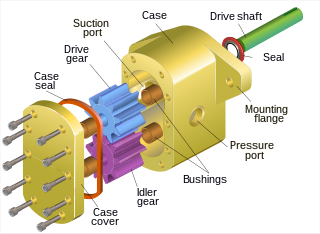
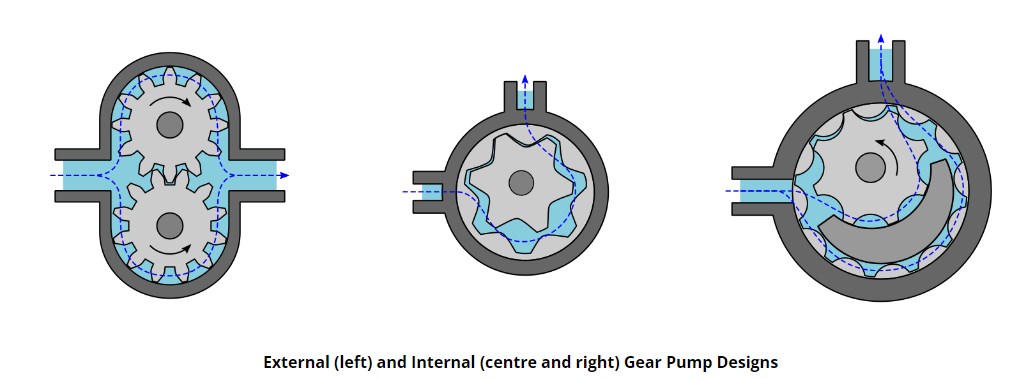
- External Gear Pump: Offers high efficiency and is suitable for low-viscosity fluids.
- Internal Gear Pump: Provides excellent suction capabilities and handles a wide range of viscosities.
- Magnetic Drive Gear Pump: Ensures leak-free operation and eliminates the need for shaft seals.
- Stainless Steel Gear Pump: Resistant to corrosion, making it ideal for handling corrosive fluids.
- Cast Iron Gear Pump: Known for its durability and ability to handle high-pressure applications.
10. Applications in Various Industries
Gear pumps find extensive use in different industries:
- Automotive Industry: Gear pumps are used for lubrication, fuel injection, and hydraulic systems.
- Agricultural Machinery: Gear pumps are employed for various tasks such as fertilizer spraying and irrigation.
- Pharmaceutical Industry: Gear pumps are used for precise fluid dispensing and transfer in pharmaceutical manufacturing processes.
- Food Processing: Gear pumps are utilized for pumping food-grade fluids like syrups, oils, and sauces.
- Marine Engineering: Gear pumps are essential for fuel transfer and lubrication systems in marine applications.
Future Development and Opportunities for Gear Pumps
Gear pumps are expected to witness significant advancements and opportunities in the following areas:
- Increased efficiency through design improvements and advanced materials.
- Integration with smart technologies for real-time monitoring and control.
- Expanded applications in emerging industries like renewable energy and electric vehicles.
- Development of compact and miniaturized gear pumps for space-constrained applications.
- Enhanced reliability and durability through better sealing and wear-resistant materials.
Why Choose Us?
When it comes to gear pumps, our company stands out for the following reasons:
- High-Quality Products: Our gear pumps are manufactured using the finest materials and advanced production techniques, ensuring superior performance.
- Reliable and Durable: Our gear pumps are designed to withstand demanding operating conditions, providing long-lasting reliability.
- Customization Options: We offer tailored solutions to meet specific customer requirements, ensuring optimal performance and efficiency.
- Technical Expertise: Our team of experienced professionals possesses in-depth knowledge of gear pumps and can provide expert guidance and support.
- Excellent Customer Service: We are committed to delivering exceptional customer service, including prompt assistance and reliable after-sales support.
Partner with us today and experience the benefits of our top-quality gear pumps!
Q&A
Q1: Can gear pumps handle high-viscosity fluids?
A1: Yes, gear pumps are capable of handling high-viscosity fluids by incorporating specialized designs and materials to accommodate the requirements.
Q2: Are gear pumps suitable for abrasive fluids?
A2: While gear pumps can handle some degree of abrasive fluids, it is recommended to use materials that offer higher resistance to wear in such applications.
Q3: How do gear pumps compare to other types of pumps in terms of efficiency?
A3: Gear pumps are known for their high efficiency, especially when handling low-viscosity fluids. However, specific application requirements and system configurations can influence the overall efficiency.
Q4: Can gear pumps be used for high-pressure applications?
A4: Yes, certain gear pump models, such as those made from cast iron, are capable of handling high-pressure applications effectively.
Q5: How often should gear pumps undergo maintenance?
A5: The frequency of maintenance depends on various factors, including operating conditions and fluid properties. It is recommended to follow the manufacturer’s guidelines for maintenance intervals.
Author: Dream