gear pump parts

Gear Pump Parts and Their Relationship with Gear Pumps
Gear pumps are widely used in various industries for transferring fluids. They are positive displacement pumps that have a simple construction consisting of two gears, which mesh together and rotate to create a vacuum that draws fluid into the pump. As the gears continue to rotate, the fluid is then forced out through the discharge port. One of the most important components of a gear pump is its parts. In this article, we will discuss gear pump parts and their relationship with gear pumps.
Gear Pump Parts
A gear pump consists of several parts, including:
1. Gears
The gears are the most important component of a gear pump. They come in pairs and mesh together to create a vacuum that draws fluid into the pump. The gears are usually made of high-quality materials such as steel, bronze, or cast iron to ensure their durability and longevity.
2. Pump Casing
The pump casing encloses the gears and provides a chamber for the fluid. It is usually made of cast iron or stainless steel and can withstand high pressures and temperatures.
3. Shaft Seals
The shaft seals prevent fluid from leaking out of the pump. There are different types of shaft seals available, such as lip seals, mechanical seals, and packing seals. The selection of the seal depends on the type of fluid being pumped and the operating conditions.
4. Bearings
The bearings support the shaft and reduce friction between the rotating parts. They are usually made of high-quality materials such as bronze, steel, or ceramic to ensure their durability.
5. Relief Valve
The relief valve prevents the pump from being damaged due to excessive pressure. It is usually located in the pump casing and opens when the pressure exceeds a certain limit.
Gear Pump Parts and Gear Pumps
Gear pump parts play a crucial role in the performance of gear pumps. The quality and durability of the parts directly affect the efficiency and reliability of the pump. The correct selection of parts is essential to ensure that the pump operates smoothly and effectively.
The image below shows the internal parts of a gear pump:

Gear Pump Performance Features
Gear pumps have several performance features that make them suitable for various applications. Some of these features include:
1. High Efficiency
Gear pumps have high volumetric efficiency, which means that they can transfer a large amount of fluid with minimal energy consumption.
2. Self-Priming
Gear pumps are self-priming, which means that they do not require an external source of fluid to start pumping.
3. Compact Size
Gear pumps have a simple construction and are compact in size, making them ideal for applications with limited space.
4. Low Noise and Vibration
Gear pumps generate low noise and vibration levels, making them suitable for applications where noise and vibration need to be minimized.
5. Reliable Performance
Gear pumps have a long service life, are easy to maintain, and have a low failure rate, making them a reliable choice for various applications.
Types of Gear Pumps and Their Characteristics
There are different types of gear pumps available, each with its own characteristics. Some of these types include:
1. External Gear Pump
An external gear pump has two gears that mesh externally. The gears rotate in opposite directions, and fluid is drawn into the pump as the gears separate.
2. Internal Gear Pump
An internal gear pump has one gear that is larger than the other. The smaller gear rotates in the space between the teeth of the larger gear, and fluid is drawn into the pump through the inlet port.
3. Gerotor Pump
A gerotor pump has a rotor and stator that mesh together. The rotor has a series of lobes that mesh with the teeth of the stator, creating chambers that draw fluid into the pump.
The image below shows an external gear pump:

The choice of gear pump type depends on the application and the required flow rate and pressure.
Application of Gear Pump in Various Industries
Gear pumps have a wide range of applications in various industries, including:
1. Automotive Industry
Gear pumps are used in automobiles for engine oil circulation, fuel injection, and power steering.
2. Agricultural Machinery
Gear pumps are used in agricultural machinery for irrigation, spraying, and harvesting.
3. Pharmaceutical Industry
Gear pumps are used in the pharmaceutical industry for transferring high-viscosity liquids, such as syrups and ointments.
4. Food Processing
Gear pumps are used in the food processing industry for transferring viscous materials, such as chocolate and molasses.
5. Marine Engineering
Gear pumps are used in marine engineering for transferring fuel, lubricating oil, and seawater.
Future Development Trends and Opportunities of Gear Pump Products
Gear pump products have a bright future with increasing demand from various industries such as automotive, agriculture, and food processing. There are several trends and opportunities that gear pump manufacturers can take advantage of:
1. Development of Environmentally Friendly Gear Pumps
Gear pump manufacturers can develop gear pumps that are more environmentally friendly by using biodegradable materials and reducing energy consumption.
2. Increased Use of Smart Technology
Gear pump manufacturers can incorporate smart technology into gear pumps, such as sensors and monitoring systems, to improve performance and reduce downtime.
3. Expansion of International Markets
Gear pump manufacturers can expand their international markets by offering customized solutions and providing excellent customer service.
The image below shows a gear pump:

How to Choose the Right Gear Pump
Choosing the right gear pump depends on several factors, such as:
1. Understanding the Requirements
Understanding the application requirements, such as flow rate, pressure, and viscosity, is crucial in selecting the right gear pump.
2. Material Selection
Choosing the right materials for the gear pump is essential for ensuring its longevity and durability. Materials such as stainless steel and bronze are ideal for corrosive fluids, while cast iron is suitable for non-corrosive fluids.
3. Design Optimization
The design of the gear pump should be optimized for the specific application to ensure maximum efficiency and performance.
4. Supplier and After-Sales Service
Choosing a reputable supplier who provides excellent after-sales service is important in ensuring the gear pump’s reliability and durability.
5. Cost-Effectiveness and Quality Control
The gear pump should be cost-effective and of high quality. Quality control measures should be in place to ensure that the gear pump meets the required standards.
The image below shows a gear pump:

Gear Pump Maintenance
Maintenance of gear pumps is essential to ensure their longevity and reliability. Some of the maintenance procedures include:
1. Equipment Inspection
The gear pump should be inspected regularly to identify any signs of wear or damage.
2. Cleaning and Corrosion Prevention
The gear pump should be cleaned regularly to prevent the build-up of contaminants and corrosion. Anti-corrosion coatings or treatments can also be applied.
3. Lubrication and Maintenance
The gear pump should be lubricated regularly to reduce friction and wear. Parts that are worn out or damaged should be replaced promptly, and upgrades or improvements can be made to enhance the pump’s performance.
Why Choose Us?
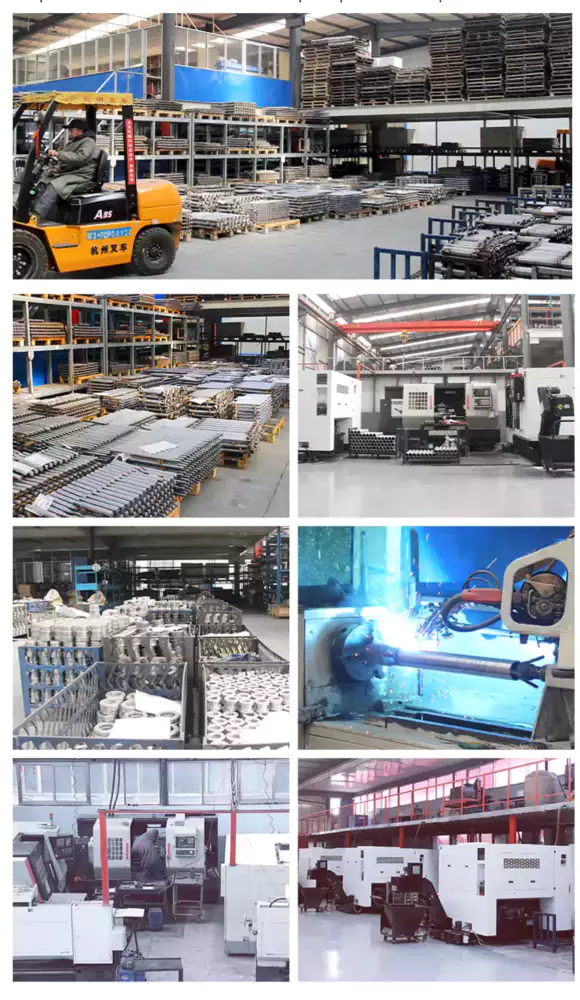
We are a professional gear pump manufacturer and supplier, specializing in the production and sale of high-quality gear pumps. Our products and services have several advantages, including:
1. High-Quality Products
Our gear pumps are made of high-quality materials and are designed to meet the specific requirements of each application.
2. Customized Solutions
We provide customized solutions to meet the unique needs of our customers, ensuring maximum efficiency and performance.
3. Excellent Customer Service
We provide excellent customer service, including technical support, after-sales service, and prompt delivery.
4. Competitive Pricing
Our gear pumps are competitively priced, offering excellent value for money.
5. Strong R&D Capabilities
We have strong R&D capabilities, continuously developing and improving our products to meet the changing needs of our customers.
The image below shows a gear pump:
Q&A
Q1. What is a gear pump?
A gear pump is a positive displacement pump that uses two gears that mesh together to transfer fluid.
Q2. What are the components of a gear pump?
The components of a gear pump include gears, pump casing, shaft seals, bearings, and relief valve.
Q3. What are the advantages of gear pumps?
Some advantages of gear pumps include high efficiency, self-priming, compact size, low noise and vibration, and reliable performance.
Q4. What are the different types of gear pumps?
The different types of gear pumps include external gear pumps, internal gear pumps, and gerotor pumps.
Q5. How do you choose the right gear pump?
You can choose the right gear pump by understanding the requirements, selecting the right materials, optimizing the design, choosing a reputable supplier, and considering cost-effectiveness and quality control.
Author: Dream