gear pump performance curve

Gear Pump Performance Curve and Its Relationship with Gear Pump
Gear pump performance curve is an essential aspect of gear pumps that determines the flow rate and pressure of the pump. This performance curve is used to indicate the pump’s behavior, allowing engineers to select the most suitable gear pump for their application. The curve is a graph that shows the relationship between the pressure and flow rate of the gear pump. The x-axis represents the flow rate, and the y-axis represents the pressure.
The Relationship Between Gear Pump Performance Curve and Gear Pump
Every gear pump has a unique performance curve that is generated based on the pump’s physical characteristics and the fluid being pumped. The performance curve of a gear pump is an essential factor in deciding the pump’s suitability for any given application. The curve helps to understand the gear pump’s behavior under different operating conditions, such as varying flow rates and fluid viscosity.
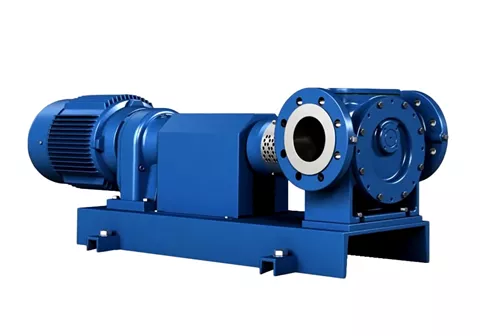
The performance curve helps to determine the gear pump’s operating range, efficiency, and power consumption. The performance curve can be used to compare different gear pumps based on their performance under specific conditions, allowing engineers to choose the most suitable pump for their application.
Performance Characteristics of Gear Pump
Gear pumps are known for their exceptional performance characteristics. Here are some of the key features of gear pumps:
- High Efficiency: Gear pumps are highly efficient and have a near-constant flow rate, making them ideal for applications that require a stable flow rate.
- Simple Design: Gear pumps have a simple design that makes them easy to manufacture and maintain.
- Low Noise: Gear pumps produce minimal noise and vibration, making them ideal for applications that require low noise levels.
- Wide Temperature Range: Gear pumps can operate in a wide temperature range, making them suitable for applications that require temperature stability.
- Self-Priming: Gear pumps are self-priming and can handle fluids with high viscosity.
Types of Gear Pumps and Their Characteristics
Gear pumps come in various types, with each type having its unique characteristics. The different types of gear pumps are:
- External Gear Pump: External gear pumps have two external gears that rotate in opposite directions, making them ideal for high-pressure applications.
- Internal Gear Pump: Internal gear pumps have an external gear and an internal gear that rotate in opposite directions, making them suitable for low-pressure applications.
- Magnetic Drive Gear Pump: Magnetic drive gear pumps use magnetic force to transmit energy, making them ideal for handling hazardous fluids.
- Lobe Pump: Lobe pumps have two lobes that rotate in opposite directions, making them ideal for handling shear-sensitive fluids.
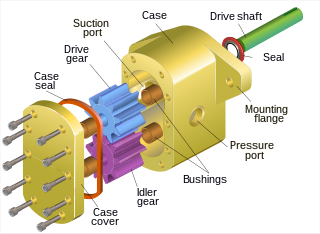
The choice of gear pump type depends on the application requirements, such as flow rate, pressure, and fluid viscosity. Gear pumps are also made from different materials to suit different applications. For example, cast iron gear pumps are suitable for handling viscous fluids, while stainless steel gear pumps are ideal for corrosive fluid applications.
Applications of Gear Pump
Gear pumps are used in many industries due to their exceptional performance characteristics. Here are some of the applications of gear pumps in different industries:
- Automotive Industry: Gear pumps are used in vehicles for lubrication, cooling, and fuel injection systems.
- Agricultural Machinery: Gear pumps are used in agricultural machinery for irrigation, spraying, and fertilizer applications.
- Pharmaceutical Industry: Gear pumps are used in the pharmaceutical industry for the transfer of fluids and pastes.
- Food Processing: Gear pumps are used in the food industry for the transfer of food products, such as chocolate, butter, and cream.
- Marine Engineering: Gear pumps are used in the marine industry for fuel transfer and lubrication systems.
The Future Trends and Opportunities for Gear Pump Products
The gear pump industry is continually evolving, and new trends and opportunities are emerging. Some of the future trends and opportunities for gear pump products include:
- Increased Automation: The trend towards automation is driving the demand for gear pumps with advanced control systems that can be integrated into automated processes.
- Energy Efficiency: There is an increasing demand for energy-efficient gear pumps that can reduce power consumption and operating costs.
- Smart Pump Technology: Smart pump technology is emerging, where gear pumps can be fitted with sensors and control systems that can monitor performance and alert operators to potential problems.
- Customization: Customers are demanding more customized gear pump solutions that can meet their specific needs and requirements.
- Developing Markets: Developing markets, such as Asia and Africa, are presenting significant growth opportunities for the gear pump industry.
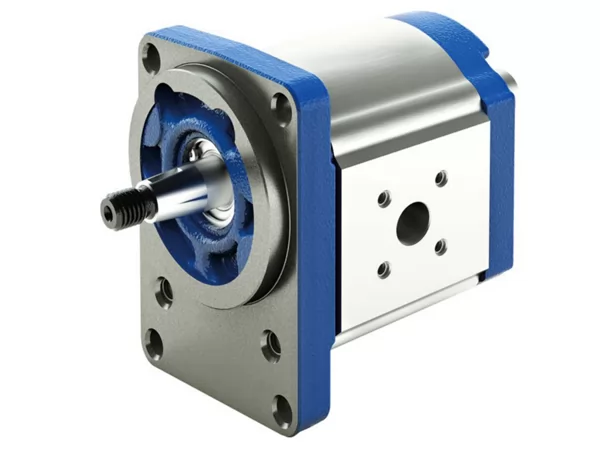
How to Choose the Right Gear Pump?
Choosing the right gear pump can be a challenging task, but it is essential to ensure optimal performance and avoid costly downtime. Here are some factors to consider when selecting a gear pump:
- Clarify Your Needs: It is essential to know what flow rate, pressure, and fluid viscosity you need to ensure the gear pump meets your requirements.
- Material Selection: The material selection of the gear pump should be based on the fluid being pumped and the application requirements.
- Design Optimization: The design of the gear pump should be optimized for maximum efficiency and reliability.
- Supplier and After-Sales Service: It is essential to choose a supplier that can provide reliable after-sales service to ensure the gear pump’s long-term performance.
- Cost-Effectiveness: The cost of the gear pump should be balanced against its performance and long-term operating costs.
- Quality Control: The gear pump should meet industry standards and undergo rigorous quality control to ensure optimal performance and reliability.
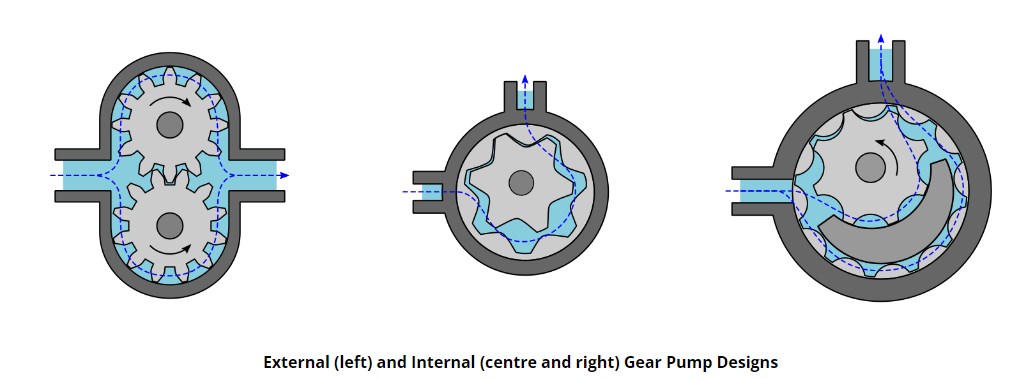
Gear Pump Maintenance
Gear pump maintenance is essential to ensure optimal performance and reduce the risk of downtime. Here are some maintenance tasks to perform regularly:
- Equipment Inspection: Regular inspection of the gear pump is essential to detect any problems and address them promptly.
- Cleaning and Corrosion Protection: The gear pump should be cleaned and protected from corrosion to ensure optimal performance and increase its lifespan.
- Lubrication and Maintenance: The gear pump should be lubricated regularly and undergo routine maintenance to ensure optimal performance.
- Replacement of Worn Parts: Worn parts, such as gears and bearings, should be replaced promptly to avoid gear pump failure.
- Improvement and Upgrades: Gear pumps should be upgraded periodically to improve their performance and reliability.
Why Choose Us?
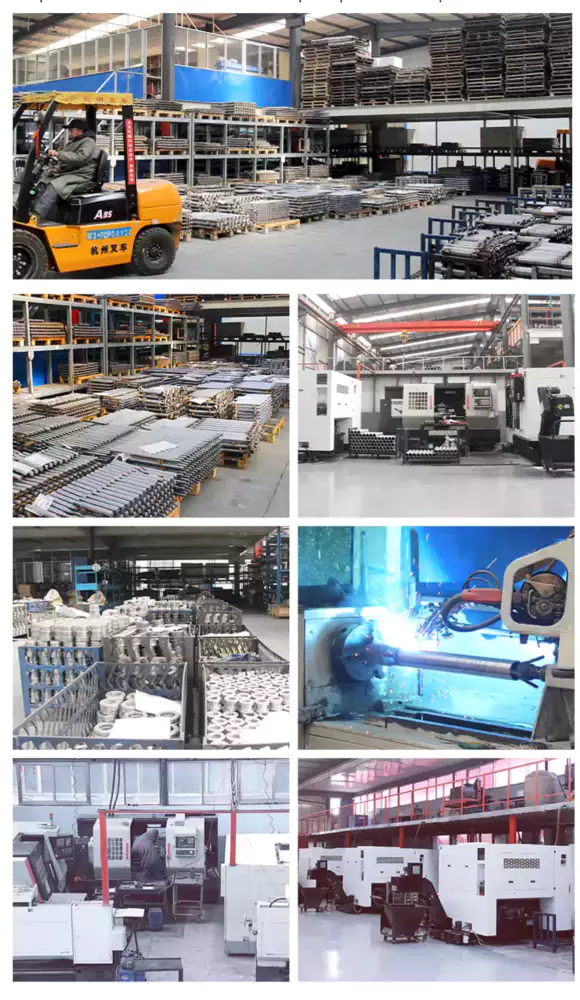
Our company specializes in the production and sales of high-quality gear pumps for various industries. Here are some reasons why you should choose our products:
- Exceptional Performance: Our gear pumps are designed to deliver exceptional performance under varying operating conditions.
- Customization: We can customize our gear pumps to meet your specific needs and requirements.
- Reliability: Our gear pumps undergo rigorous quality control to ensure optimal performance and reliability.
- Competitive Pricing: Our gear pumps are competitively priced, making them an excellent value for money.
- Excellent After-Sales Service: We provide excellent after-sales service to ensure our customers are satisfied with our products.
Q&A
Q: What is the maximum flow rate of a gear pump?
A: The maximum flow rate of a gear pump depends on the pump size, speed, and the fluid being pumped. Typically, gear pumps can handle flow rates ranging from 0.1 to 1000 liters per minute.
Q: Can gear pumps handle viscous fluids?
A: Yes, gear pumps are suitable for handling viscous fluids, such as oils, syrups, and adhesives.
Q: How do gear pumps compare to other types of pumps?
A: Gear pumps are known for their simplicity, efficiency, and durability, making them an excellent choice for many applications. However, they may not be suitable for applications that require high flow rates or high pressures.
Q: What is the lifespan of a gear pump?
A: The lifespan of a gear pump depends on various factors, such as the pump’s quality, maintenance, and operating conditions. Generally, a well-maintained gear pump can last for many years.
Q: Can gear pumps handle abrasive fluids?
A: Gear pumps may not be suitable for handling abrasive fluids as the abrasives can cause wear and tear on the gears and bearings, leading to pump failure.
Author: Dream