gear pump price

Gear Pump Price: Everything You Need to Know
Gear pumps are one of the most commonly used positive displacement pumps in the industry. They are widely used in various applications such as chemical processing, food processing, and hydraulic systems. If you’re in the market for a gear pump, one of your primary concerns would be the price. In this article, we’ll explore everything you need to know about gear pump price, types, applications, and maintenance.
Gear Pump Price and Commercial Applications
When it comes to gear pump price, several factors can affect it, such as the size, material, and intended application. For example, gear pumps made from materials such as stainless steel or exotic alloys are more expensive than those made from cast iron or brass. The intended application also plays a crucial role in determining the price. Specialized gear pumps used in the pharmaceutical industry, for instance, are more expensive than those used in a hydraulic system.
Despite the price variations, gear pumps offer several benefits in commercial applications. They are reliable, efficient, and provide consistent flow rates. They are also easy to maintain, operate quietly, and have a long service life.

Gear Pump Performance Characteristics
Gear pumps are known for their high volumetric efficiency and self-priming capability. They can handle viscous fluids and offer constant flow rates regardless of pressure variations. They also have excellent suction capability and can operate under low NPSH conditions. Gear pumps are ideal for applications that require accurate flow rates and consistent pressure.
Types of Gear Pumps and Their Characteristics
There are several types of gear pumps, such as external gear pumps, internal gear pumps, and helical gear pumps. External gear pumps are the most common type and are suitable for most applications. Internal gear pumps are more compact and are ideal for high viscosity fluids. Helical gear pumps offer low pulsation flow and are suitable for applications that require smooth and quiet operation.
The type of material used to make a gear pump can also affect its characteristics. For example, gear pumps made from stainless steel are suitable for corrosive fluids, while those made from cast iron are ideal for low-pressure applications. Gear pumps made from exotic alloys are suitable for high-temperature and high-pressure applications.

Gear Pump Applications
Gear pumps find applications in various industries such as automotive, agriculture, pharmaceutical, food processing, and marine engineering. In the automotive industry, gear pumps are used for lubrication and transmission. In agriculture, gear pumps are used for irrigation and crop spraying. In the pharmaceutical industry, gear pumps are used for drug processing and delivery. In food processing, gear pumps are used for transferring viscous fluids such as syrup and chocolate. In marine engineering, gear pumps are used for fuel transfer and lubrication.
Gear Pump Future Development and Opportunities
Gear pumps are expected to witness significant growth in the coming years due to their increasing use in various industries and applications. The development of new materials and manufacturing processes is expected to drive innovation and improve the performance of gear pumps. The growth of the global economy and the increasing demand for automation are also expected to create new opportunities for gear pump manufacturers.

Choosing the Right Gear Pump
Choosing the right gear pump involves several factors such as the application, fluid characteristics, pressure requirements, and budget. It’s essential to work with a reputable supplier who can provide expert advice and guidance on selecting the right gear pump for your application. Factors to consider when selecting a gear pump include:
- Clarifying the specific application and requirements
- Material selection
- Design optimization
- Supplier and after-sales support
- Cost-effectiveness
- Quality control

Gear Pump Maintenance
Proper maintenance of gear pumps is essential for ensuring their long service life and optimal performance. Maintenance tasks include:
- Regular equipment inspection
- Cleaning and corrosion prevention
- Lubrication and upkeep
- Replacing worn-out parts
- Upgrading and improving the gear pump system
Why Choose Us?
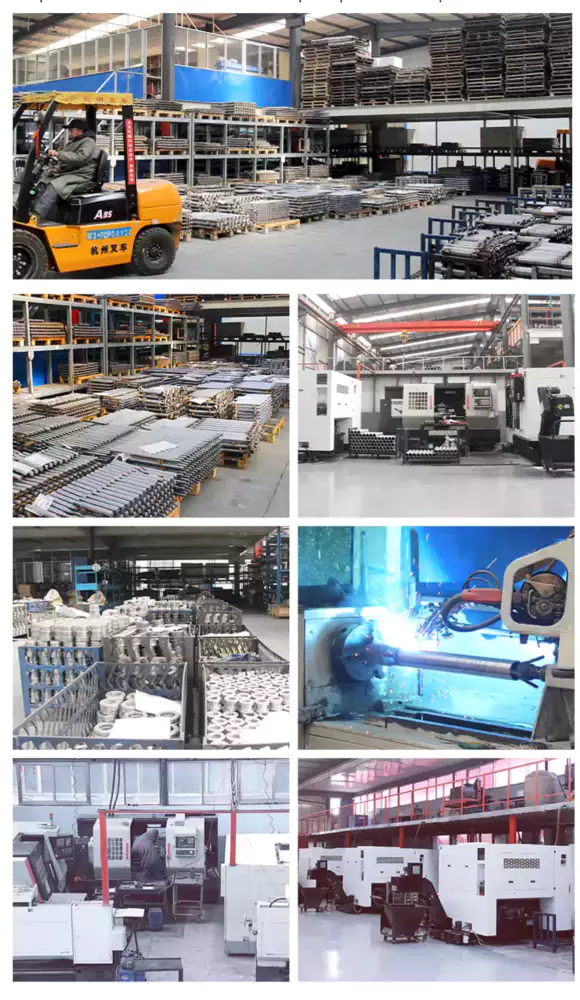
If you’re looking for a reliable gear pump supplier, we’re here to help. We specialize in the production and sale of high-quality gear pumps for various applications. Our products offer several advantages, including:
- High volumetric efficiency
- Excellent self-priming capability
- Accurate and consistent flow rates
- Long service life
- Easy maintenance and repair
At our company, we’re committed to providing our customers with the best products and services in the industry. We offer expert advice and guidance on selecting the right gear pump for your application, timely delivery, and after-sales support. Contact us today to learn more about our products and services.
Q&A
- Q: What is a gear pump, and how does it work?
- A: A gear pump is a type of positive displacement pump that uses two rotating gears to move fluid. The gears mesh together and create a vacuum that draws fluid into the pump. As the gears rotate, the fluid is trapped between the teeth and pushed out of the pump.
- Q: What types of fluids can a gear pump handle?
- A: Gear pumps can handle a wide range of fluids, including water, oil, chemicals, and viscous liquids such as syrup and chocolate.
- Q: Can gear pumps handle high-pressure applications?
- A: Yes, gear pumps can handle high-pressure applications. However, the maximum pressure rating depends on the type of gear pump, material used, and design.
- Q: How long do gear pumps last?
- A: The service life of a gear pump depends on several factors such as the application, fluid characteristics, and maintenance. However, with proper maintenance and care, gear pumps can last for several years.
- Q: Can gear pumps be repaired?
- A: Yes, gear pumps can be repaired. However, the extent of repair depends on the type of damage and the availability of replacement parts.
Author: Dream