gear pump seals

Gear Pump Seals: Everything You Need to Know
Gear pump seals are an essential component of gear pumps. A gear pump is a type of positive displacement pump that uses meshing gears to transfer fluids. The pump’s gears rotate and create a vacuum that draws fluid into the pump and then propels it through the outlet port. Gear pumps are used in a variety of industries, including automotive, agriculture, pharmaceuticals, and food processing.
The Relationship Between Gear Pump Seals and Gear Pumps
Gear pump seals are critical to the proper functioning of gear pumps. They help prevent leaks and ensure that fluid flows smoothly through the pump. The seals are typically made of materials such as carbon, silicon carbide, or ceramic. These materials are chosen for their durability and ability to withstand high temperatures and pressures.

Gear Pump Performance Characteristics
Gear pumps have several performance characteristics that make them an attractive option for many industries. They have a high efficiency rate, which means they can move more fluid with less power. Gear pumps are also self-priming, meaning they can start pumping without the need for external priming. They are also able to handle a wide range of viscosities and temperatures.
Types of Gear Pumps and Their Characteristics
There are several types of gear pumps, including external gear pumps, internal gear pumps, and gerotor pumps. External gear pumps are the most common type and consist of two gears that rotate outside the pump casing. Internal gear pumps, on the other hand, have one gear that rotates inside a larger gear. Gerotor pumps have an inner rotor that drives an outer rotor, creating a pumping action.
The type of gear pump used depends on the application and required flow rate. Different materials can also be used in gear pumps, such as cast iron, stainless steel, or bronze. Cast iron is the most commonly used material and is ideal for pumping non-corrosive liquids. Stainless steel is used for corrosive liquids, and bronze is used for seawater applications.

Applications of Gear Pumps in Various Industries
Gear pumps are used in a variety of industries due to their versatility and efficiency. In the automotive industry, they are used for oil pumps, power steering pumps, and fuel pumps. In agriculture, they are used for irrigation, pesticide application, and fertilizer injection. In the pharmaceutical industry, they are used for drug delivery and processing. In food processing, gear pumps are used for transferring and metering viscous fluids. In marine engineering, they are used for bilge pumping, fuel transfer, and lubrication.
The Future of Gear Pump Products and Market Opportunities
Gear pump products are expected to continue to grow in demand as industries continue to expand and require efficient fluid transfer solutions. The market for gear pumps is driven by the need for efficient and reliable fluid transfer in various applications. Opportunities for gear pump manufacturers exist in emerging markets and in the development of new technologies that improve pump efficiency and reliability.

How to Choose the Right Gear Pump
Choosing the right gear pump requires a clear understanding of your application’s requirements. Factors to consider when selecting a gear pump include the fluid’s characteristics, flow rate, and temperature range. The material of the pump should also be considered to ensure compatibility with the fluid being pumped. Design optimization, supplier and after-sales service, cost-effectiveness, and quality control are also essential considerations.

How to Maintain Gear Pumps
Maintaining gear pumps is essential to ensure optimal performance and longevity. Regular inspections, cleaning, and corrosion prevention are necessary to avoid pump failure. Lubrication and maintenance of components such as gears, bearings, and seals are also crucial. Replacing worn parts and upgrading the pump’s design can also improve performance and extend the pump’s lifespan.
Why Choose Us?
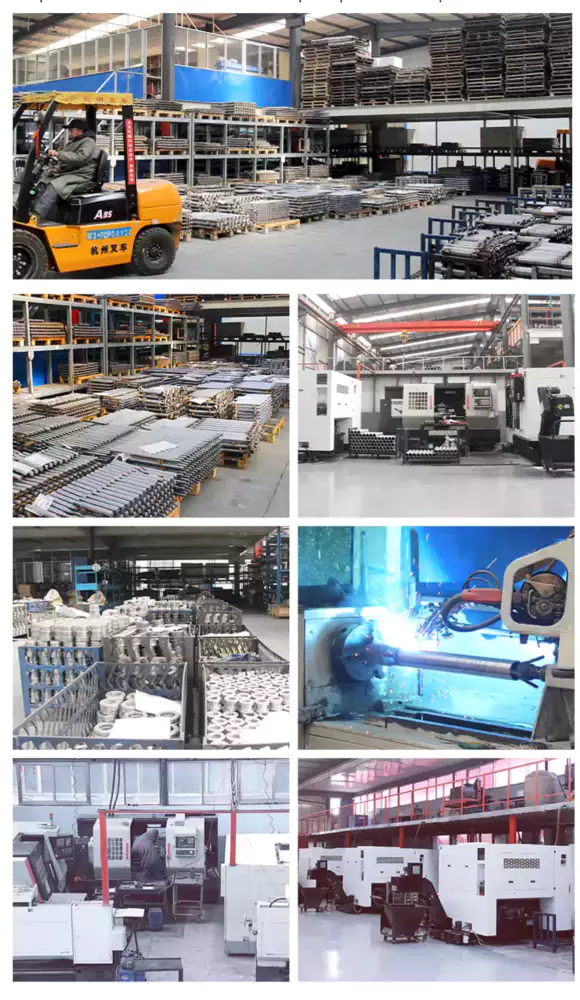
We are a professional manufacturer and supplier of gear pumps. Our products are manufactured to the highest quality standards and are rigorously tested for performance and reliability. We offer a wide range of gear pump types and materials to suit any application. Our company prides itself on its after-sales service and technical support, ensuring that our customers receive the best possible service and advice.
Here are five reasons why you should choose us:
- We have a wide range of gear pump types and materials to suit any application.
- Our products are manufactured to the highest quality standards and are rigorously tested for performance and reliability.
- We offer excellent after-sales service and technical support.
- Our prices are competitive and offer value for money.
- We have many years of experience in the industry and are experts in fluid transfer solutions.
Q&A
Q: What is the maximum flow rate of a gear pump?
A: The maximum flow rate of a gear pump depends on the size of the pump and the viscosity of the fluid being pumped. Gear pumps can handle flow rates from a few milliliters per minute to over 100 liters per minute.
Q: Can gear pumps handle high temperatures?
A: Gear pumps can handle high temperatures, but the temperature range depends on the materials used in the pump’s construction. Cast iron pumps can handle temperatures up to 150°C, while stainless steel pumps can handle temperatures up to 200°C.
Q: What is the advantage of using a gear pump over a centrifugal pump?
A: Gear pumps have a higher efficiency rate than centrifugal pumps, meaning they can move more fluid with less power. They are also self-priming and can handle a wider range of viscosity and temperature.
Q: Can gear pumps handle corrosive fluids?
A: Yes, gear pumps can handle corrosive fluids, but the materials used in the pump’s construction must be chosen carefully to ensure compatibility with the fluid being pumped. Stainless steel or bronze pumps are typically used for corrosive fluids.
Q: Are gear pumps suitable for pumping solids?
A: No, gear pumps are not suitable for pumping solids. They are designed for transferring fluids and may become damaged if used to pump solids.
Q: How often should gear pumps be serviced?
A: Gear pumps should be serviced regularly to ensure optimal performance and longevity. The frequency of service depends on the application and the pump’s operating conditions.
Author: Dream