gear pump vs diaphragm pump

Gear Pump vs Diaphragm Pump
Introduction
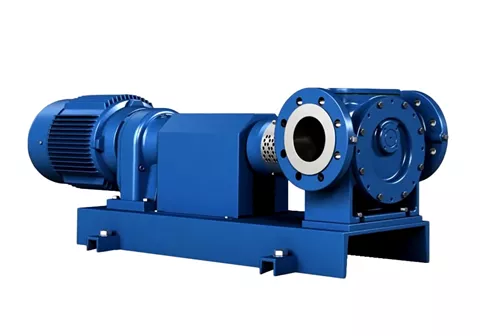
Gear pumps and diaphragm pumps are two commonly used types of pumps in various industries. In this article, we will explore the key differences between gear pumps and diaphragm pumps, as well as their relationship to gear pumps based on informational aspects.
Gear Pump vs Diaphragm Pump: Informational Connection
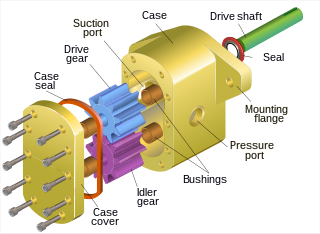
Gear pumps and diaphragm pumps serve different purposes in fluid transfer and movement. Gear pumps are positive displacement pumps that use interlocking gears to pump fluid. They are known for their high efficiency and reliability. Diaphragm pumps, on the other hand, use a flexible diaphragm to create suction and discharge pressure. They are often used for pumping abrasive or viscous fluids.
Gear Pump Performance Characteristics
Gear pumps offer several performance advantages, including:
- High volumetric efficiency: Gear pumps can deliver a consistent flow rate with minimal pulsation.
- Wide operating range: They can handle a wide range of fluid viscosities and temperatures.
- Compact design: Gear pumps are compact in size, making them suitable for applications with limited space.
- Low noise and vibration: These pumps operate smoothly and quietly.
- Easy maintenance: Gear pumps have simple construction, making maintenance and repairs straightforward.
Types of Gear Pumps and Their Characteristics
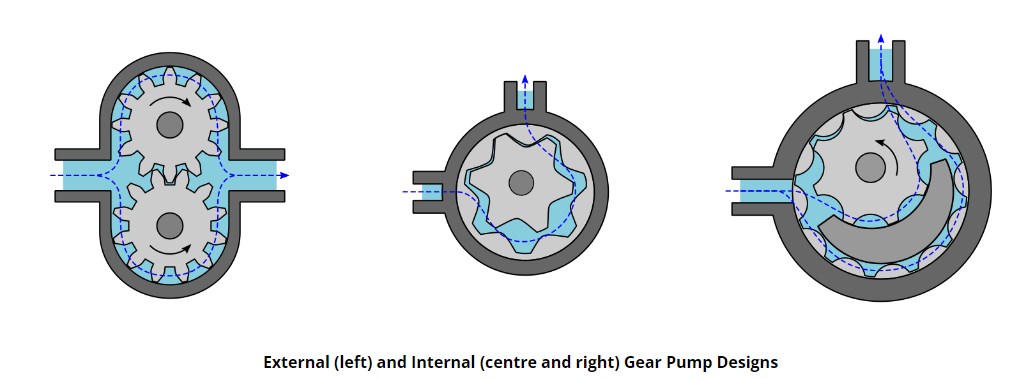
Gear pumps are available in various types, each with its unique characteristics. Some common types include external gear pumps, internal gear pumps, and helical gear pumps. Different materials used in gear pump construction, such as stainless steel, cast iron, or bronze, offer specific advantages in terms of durability, corrosion resistance, and compatibility with different fluids.
Applications of Gear Pump in Various Industries
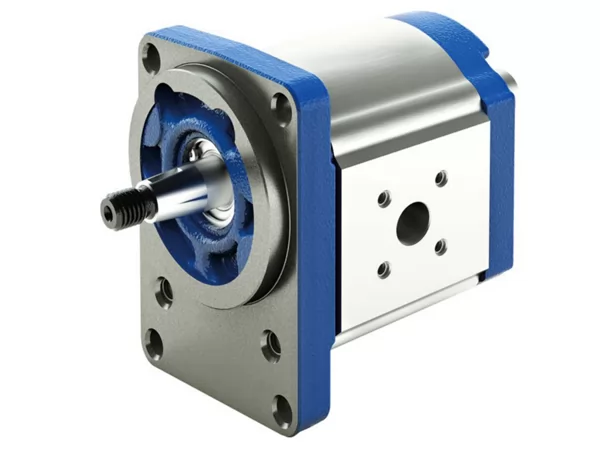
Gear pumps find applications in diverse industries, including:
- Automotive industry: Gear pumps are used for lubrication, fuel transfer, and hydraulic systems in vehicles.
- Agricultural machinery: They play a crucial role in irrigation systems and fertilizer distribution.
- Pharmaceutical industry: Gear pumps are utilized in drug manufacturing processes.
- Food processing: They are used for pumping various food products, such as sauces, oils, and beverages.
- Marine engineering: Gear pumps are employed in shipbuilding and offshore oil drilling operations.
Future Trends and Opportunities for Gear Pump Products
Gear pump technology continues to evolve, presenting new opportunities for the industry. Some future trends and opportunities include:
- Advancements in material technology for enhanced durability and resistance to extreme conditions.
- Integration of smart systems and automation for improved efficiency and control.
- Increased focus on energy efficiency and environmental sustainability.
- Expansion of gear pump applications in emerging industries, such as renewable energy.
- Collaboration between pump manufacturers and research institutions to drive innovation.
Choosing the Right Gear Pump
Selecting the appropriate gear pump involves considering various factors, including:
- Clear understanding of the specific requirements and fluid characteristics.
- Selection of suitable materials based on the nature of the fluid and operating conditions.
- Optimization of the pump design for maximum performance and efficiency.
- Evaluation of potential suppliers based on reputation, reliability, and after-sales service.
- Cost-effectiveness analysis to ensure a balance between performance and affordability.
- Quality control measures to guarantee the reliability and longevity of the gear pump.
Gear Pump Maintenance
Proper maintenance is essential for ensuring the longevity and efficient operation of gear pumps. Maintenance activities include:
- Regular equipment inspections to identify any issues or signs of wear.
- Cleaning and corrosion prevention to maintain optimal pump performance.
- Lubrication and routine maintenance to prevent component failures.
- Replacement of worn-out parts to avoid pump inefficiency.
- Continuous improvement and upgrades to enhance pump performance and reliability.
Why Choose Us
As experts in gear pump production and sales, our company offers exceptional products and advantages, including:
- High-quality gear pumps manufactured using advanced technologies.
- Customizable options to meet specific customer requirements.
- Reliable performance and long service life for cost-effective operation.
- Expert technical support and responsive after-sales service.
- Competitive pricing without compromising on quality.
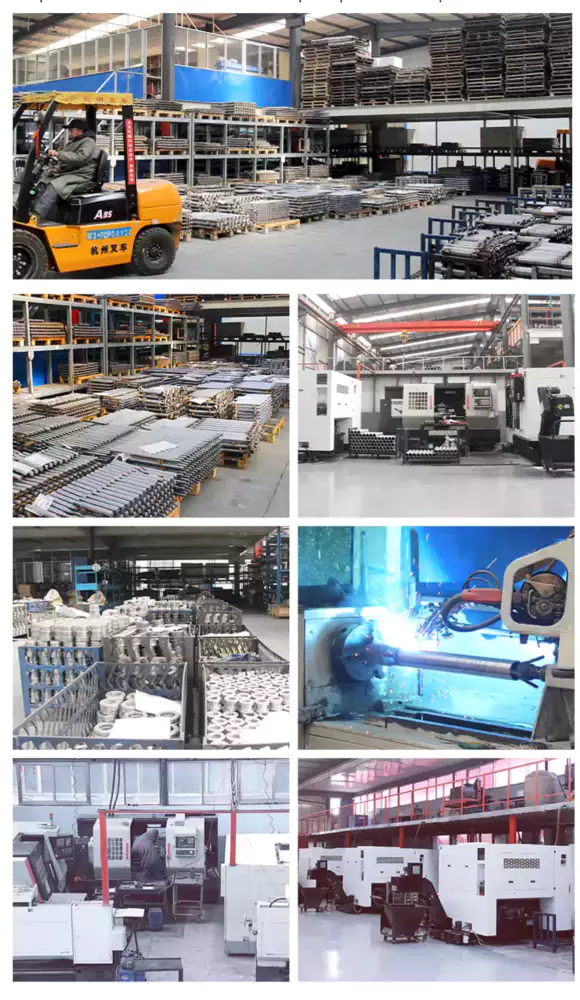
Product and Company Advantages
Our gear pump products and company offer the following advantages:
- Efficient fluid transfer: Our gear pumps ensure smooth and efficient fluid transfer.
- Robust construction: The pumps are built to withstand demanding operating conditions.
- Chemical compatibility: Our pumps are designed to handle a wide range of fluids.
- Reduced maintenance: The pumps require minimal maintenance, saving time and costs.
- Customer satisfaction: We prioritize customer needs and provide reliable solutions.
Q&A
Q: Can gear pumps handle high-viscosity fluids?
A: Yes, gear pumps are suitable for pumping high-viscosity fluids due to their positive displacement mechanism.
Q: Are gear pumps self-priming?
A: Yes, many gear pumps are self-priming, which means they can create suction to draw fluid into the pump.
Q: What is the typical lifespan of a gear pump?
A: The lifespan of a gear pump depends on various factors, including the operating conditions and maintenance practices. However, with proper care, gear pumps can last for several years.
Q: Can gear pumps handle abrasive fluids?
A: While gear pumps can handle some abrasive fluids, it is crucial to select the appropriate materials and design features to minimize wear and prolong pump life.
Q: Can gear pumps handle high-pressure applications?
A: Yes, gear pumps can handle high-pressure applications, but it is important to choose a pump model and construction that can withstand the required pressure levels.
Author: Dream