gear pump vs piston pump

Gear Pump vs Piston Pump: Understanding the Key Differences
Industrial pumping systems are critical components in many manufacturing and production processes. Pumps are used to move fluids, such as oil, water, chemicals, and other liquids, from one location to another, and they play a crucial role in a wide range of industries, including automotive, agriculture, pharmaceuticals, and food processing.
Gear Pump vs Piston Pump: What’s the Difference?
Two of the most common types of pumps used in industrial applications are gear pumps and piston pumps. While both are designed to move fluids, there are significant differences between the two types of pumps that make them suitable for different tasks.
Gear Pump
A gear pump is a type of positive displacement pump that uses meshing gears to pump fluid. It consists of two or more gears that rotate in opposite directions, creating a vacuum that draws fluid into the pump and then pushes it out through the discharge port. Gear pumps are commonly used in applications that require high flow rates and low-pressure pumping, such as in hydraulic systems, fuel systems, lubrication systems, and chemical transfer.

Piston Pump
A piston pump is another type of positive displacement pump that uses a reciprocating piston to move fluid. It consists of a cylinder, a piston, and inlet and outlet valves. As the piston moves back and forth in the cylinder, it draws fluid into the cylinder through the inlet valve and then pushes it out through the outlet valve. Piston pumps are commonly used in applications that require high-pressure pumping, such as in car wash systems, pressure washers, and industrial cleaning equipment.
Gear Pump vs Piston Pump: Informational Relationship with Gear Pump
While gear pumps and piston pumps are different types of pumps, they both share a common relationship with gear pumps. Gear pumps are often used as a component in piston pump designs, acting as a hydraulic component to transfer the fluid.
Gear Pump Performance Characteristics
Gear pumps offer several performance characteristics that make them ideal for certain applications. Here are some of the key performance characteristics of gear pumps:
- High flow rate: Gear pumps are capable of handling large volumes of fluid quickly and efficiently.
- Low pressure: Gear pumps are typically used in low-pressure applications, such as lubrication and chemical transfer.
- Smooth operation: Gear pumps operate smoothly and quietly, making them ideal for applications that require low noise levels.
- Simple design: Gear pumps have a simple design, making them easy to maintain and repair.
- Reliable: Gear pumps are highly reliable and can operate continuously for extended periods without requiring maintenance.
Types of Gear Pump and Their Characteristics
There are several different types of gear pumps, each with its own unique characteristics. Some of the most common types of gear pumps include:

- External gear pump: This type of gear pump has two external gears that mesh together and rotate in opposite directions. External gear pumps are commonly used in hydraulic systems, fuel systems, and lubrication systems.
- Internal gear pump: This type of gear pump has an internal gear that rotates inside an external gear. Internal gear pumps are commonly used in chemical transfer and fluid metering applications.
- Lobe pump: This type of gear pump has two or more lobes that rotate in opposite directions, creating a vacuum that draws fluid into the pump and then pushes it out through the discharge port. Lobe pumps are commonly used in food processing and pharmaceutical industries.
The material used to make a gear pump also affects its characteristics and suitability for specific applications. For example, gear pumps made from stainless steel are ideal for use in corrosive environments, while pumps made from cast iron are better suited for use in hydraulic systems and other applications that require high strength and durability.
Gear Pump Applications in Different Industries
Gear pumps are used in a wide range of industries, including automotive, agriculture, pharmaceuticals, food processing, and marine engineering. Here are some of the common applications of gear pumps in different industries:
- Automotive: Gear pumps are used in automotive applications, such as power steering systems, transmission systems, and engine lubrication systems.
- Agriculture: Gear pumps are used in agricultural machinery, such as tractors, combines, and sprayers, to transfer fluids and lubricate moving parts.
- Pharmaceuticals: Gear pumps are used in pharmaceutical manufacturing processes to transfer fluids, such as chemicals and solvents, from one container to another.
- Food processing: Gear pumps are used in the food processing industry to transfer fluids, such as sugar syrups, fruit juices, and dairy products, from one processing stage to another.
- Marine engineering: Gear pumps are used in marine engineering applications, such as in shipbuilding and offshore drilling, to transfer fluids, such as oil, fuel, and water.
Gear Pump Product Development Trends and Opportunities
Gear pumps are widely used in many industries, and their demand is expected to increase in the coming years. Here are some of the gear pump product development trends and opportunities:
- Miniaturization: There is a growing demand for smaller and more compact gear pumps that can be used in portable devices and equipment.
- Smart pumps: Smart technology is being integrated into gear pumps to monitor performance, detect faults, and optimize operation.
- Energy efficiency: There is a focus on developing gear pumps that are more energy-efficient, reducing the environmental impact and operating costs of industrial processes.
Choosing the Right Gear Pump
Choosing the right gear pump for your application involves several factors. Here are some of the key considerations when selecting a gear pump:
- Identify your needs: Determine the flow rate, pressure, and fluid type required for your application.
- Material selection: Choose a gear pump made from a material that is suitable for your application, such as stainless steel for corrosive environments.
- Design optimization: Work with an experienced pump supplier to optimize the design of your gear pump for maximum performance and efficiency.
- Supplier and after-sales service: Choose a reputable supplier that provides quality products and reliable after-sales service.
- Cost-effectiveness: Consider the total cost of ownership, including maintenance, repairs, and energy consumption, when selecting a gear pump.
Gear Pump Maintenance
Maintaining a gear pump is essential to ensure its optimal performance and longevity. Here are some of the key maintenance activities for gear pumps:
- Regular equipment checks: Regularly check the pump for leaks, corrosion, and other signs of wear and tear.
- Cleaning and corrosion prevention: Keep the pump clean and free from contaminants to prevent corrosion and damage to moving parts.
- Lubrication and servicing: Regularly lubricate moving parts and service the pump as required to ensure it operates smoothly.
- Replacement of worn parts: Replace worn or damaged parts as required to prevent breakdowns and ensure the pump continues to operate effectively.
- Improvement and upgrades: Consider upgrading the pump to newer technology or making design improvements to improve its performance and efficiency.
Why Choose Us?
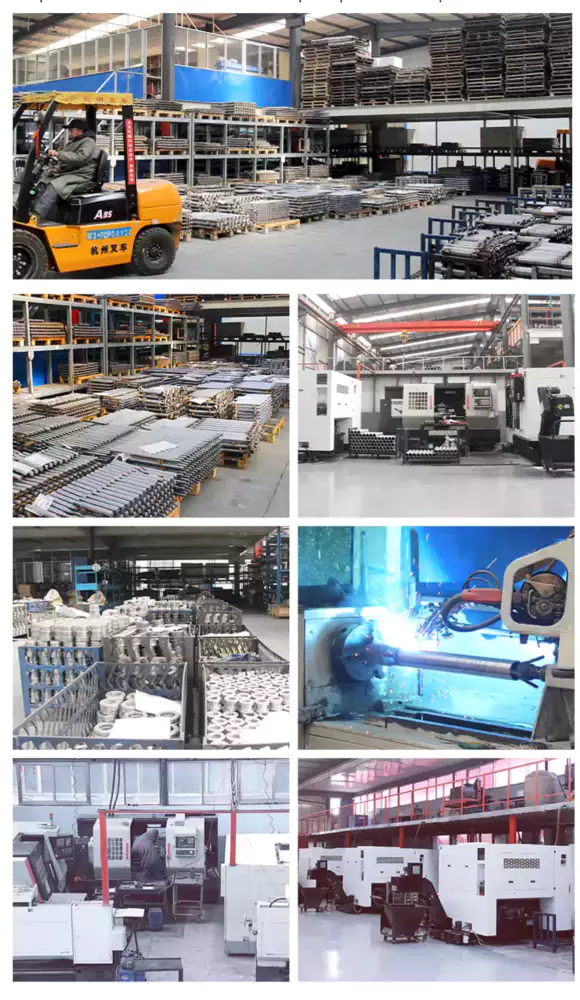
At our company, we specialize in the production and sale of high-quality gear pumps. Here are some of the advantages of choosing our products and services:
- Wide range of products: We offer a diverse range of gear pumps to meet the needs of different industries and applications.
- Customization: We can customize our gear pumps to meet specific customer requirements, such as flow rate, pressure, and material selection.
- High-quality materials: We use only high-quality materials to manufacture our gear pumps, ensuring their reliability and durability.
- State-of-the-art technology: We use the latest technology and manufacturing processes to ensure our gear pumps are of the highest quality and performance.
- Expert support: Our team of experienced engineers and technicians are available to provide expert support and advice on our products and services.
Q&A
- What is the difference between a gear pump and a piston pump?
- What are the key characteristics of a gear pump?
- What are the common applications of gear pumps?
- What are the trends and opportunities in gear pump product development?
- What factors should be considered when choosing a gear pump?
Author: Dream