gear pump working principle

Gear Pump Working Principle
Introduction
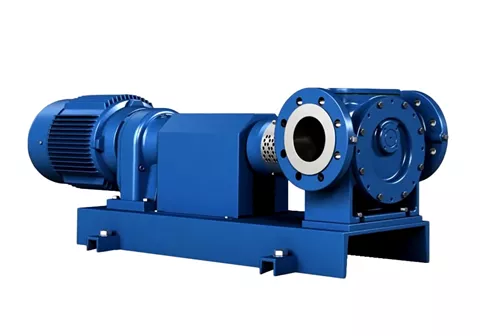
Gear pumps are widely used in various industries due to their efficient and reliable performance. In this article, we will explore the working principle of gear pumps and their significance in different applications.
Working Principle
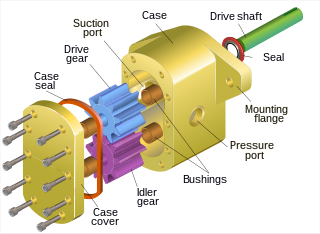
Gear pumps operate based on the positive displacement principle. They consist of two meshing gears, namely the driving gear and the driven gear. As the driving gear rotates, it creates a partial vacuum, drawing fluid into the pump. The fluid is then trapped between the gear teeth and the pump casing, and it is carried to the discharge port. The meshing of the gears ensures a continuous flow of fluid.
The working principle of gear pumps is based on the transfer of mechanical energy to fluid energy. This results in a constant flow rate, making gear pumps suitable for applications that require precise fluid delivery.
Informational Link to Gear Pump
Gear pumps find diverse applications in various industries due to their exceptional performance. They are commonly used in hydraulic systems, lubrication systems, and fuel transfer systems. The precise control and high efficiency of gear pumps make them ideal for conveying fluids in industrial processes.
Performance Characteristics
Gear pumps offer several key performance characteristics, including:
1. High Efficiency: Gear pumps are designed to provide efficient fluid transfer with minimal energy loss.
2. Compact Size: These pumps have a compact and space-saving design, making them suitable for tight installations.
3. Reliable Operation: Gear pumps are known for their reliable and consistent performance, ensuring uninterrupted fluid flow.
4. Low Noise: These pumps operate with low noise levels, reducing disturbances in the surrounding environment.
5. Self-Priming Capability: Gear pumps can create a vacuum to draw fluid into the system without external assistance.
Types of Gear Pumps and Their Characteristics
There are several types of gear pumps available, each with its unique characteristics:
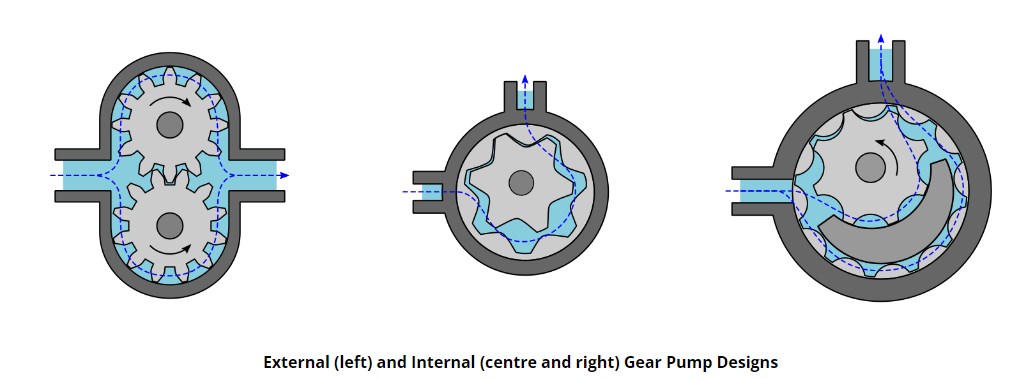
1. External Gear Pumps: These pumps have two external gears that mesh externally and provide a smooth flow of fluid.
2. Internal Gear Pumps: Internal gear pumps have an external gear and an internal gear, resulting in better suction capabilities.
3. Gerotor Pumps: Gerotor pumps use an outer rotor and an inner rotor to create a positive displacement action.
4. Crescent Gear Pumps: Crescent gear pumps have a crescent-shaped gap between the gears, allowing better sealing and enhanced efficiency.
Different materials used in gear pump construction offer specific advantages. For instance:
– Stainless steel gear pumps provide excellent corrosion resistance.
– Cast iron gear pumps offer high durability and strength.
– Bronze gear pumps are suitable for applications requiring resistance to wear and tear.
Applications in Various Industries
Gear pumps find widespread use in different industries, including:
– Automotive Industry: Gear pumps are used for engine lubrication, fuel transfer, and hydraulic power steering systems in vehicles.
– Agricultural Machinery: These pumps play a crucial role in irrigation systems, pesticide spraying, and fuel transfer in agricultural machinery.
– Pharmaceutical Industry: Gear pumps are utilized for precise liquid dosing, drug processing, and material transfer in pharmaceutical manufacturing.
– Food Processing: Gear pumps are employed for pumping viscous liquids, such as chocolate, sauces, and syrups, in food processing applications.
– Marine Engineering: Gear pumps are essential for transferring hydraulic fluids and lubricants in marine equipment and ship systems.
Future Development and Opportunities
Gear pumps are expected to witness significant advancements and opportunities in the coming years. The growing demand for efficient fluid transfer systems across industries opens up avenues for innovation and development in gear pump technology.
To capitalize on these opportunities, it is crucial to focus on continuous research and development, exploring new materials, improving pump efficiency, and adapting to emerging industry trends. Additionally, collaboration with industry partners and customers can foster innovation and drive market growth.
Choosing the Right Gear Pump
Selecting the appropriate gear pump involves considering several factors:
1. Clear Requirements: Define the specific flow rate, pressure, and fluid compatibility needed for your application.
2. Material Selection: Choose a gear pump constructed from materials suitable for the fluid being pumped, ensuring compatibility and durability.
3. Design Optimization: Optimize the pump design to minimize energy loss, improve efficiency, and enhance overall performance.
4. Supplier and After-Sales Service: Select a reliable supplier that offers quality products and comprehensive after-sales support.
5. Cost-Effectiveness: Evaluate the initial cost, maintenance requirements, and lifespan of the gear pump to ensure cost-effectiveness.
Gear Pump Maintenance
Proper maintenance is essential to ensure the longevity and optimal performance of gear pumps. Some key maintenance practices include:
– Regular Equipment Inspection: Perform routine checks to identify any potential issues and ensure all components are in good working condition.
– Cleaning and Corrosion Prevention: Keep the pump and its components clean, and apply suitable anti-corrosion measures to protect against deterioration.
– Lubrication and Care: Follow manufacturer guidelines for proper lubrication and general care of the gear pump.
– Replacement of Worn Parts: Promptly replace any worn or damaged components to prevent further damage and maintain pump efficiency.
– Upgrades and Improvements: Explore possibilities for upgrading the gear pump system to enhance performance and adapt to changing requirements.
Why Choose Us
As a professional gear pump manufacturer and supplier, we offer high-quality gear pumps that meet industry standards and exceed customer expectations. Our products are designed to deliver exceptional performance and reliability in various applications.
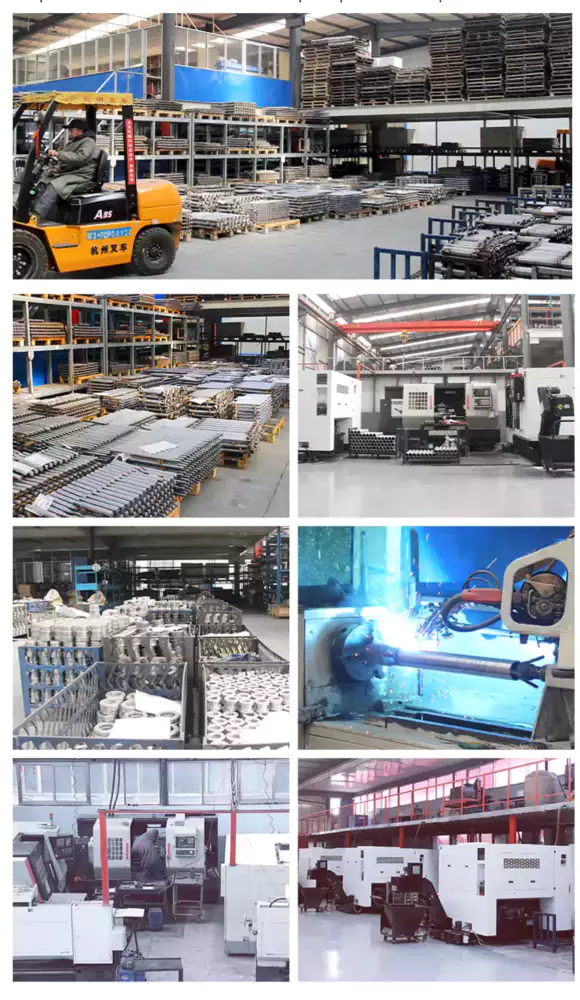
We take pride in the following advantages of our products and company:
1. Superior Quality: Our gear pumps are manufactured using premium materials and undergo rigorous quality control to ensure durability and performance.
2. Customization Options: We offer customizable solutions to meet specific customer requirements, providing tailored gear pumps for diverse applications.
3. Technical Expertise: Our team of skilled professionals possesses extensive knowledge and expertise in gear pump design and manufacturing.
4. Timely Delivery: We prioritize timely delivery of orders to ensure minimal downtime for our customers and smooth production processes.
5. Exceptional Customer Service: We are committed to providing excellent customer service and support, assisting customers with technical queries and after-sales assistance.
Q&A
1. Q: Can gear pumps handle abrasive fluids?
A: Gear pumps are not typically designed for abrasive fluids. The presence of abrasive particles can cause wear and damage to the gears and other components.
2. Q: Are gear pumps suitable for high-pressure applications?
A: Gear pumps are generally not recommended for high-pressure applications. They are more commonly used in low to medium-pressure systems.
3. Q: How can I determine the optimum gear pump size for my application?
A: The optimum gear pump size depends on factors such as flow rate, pressure requirements, and fluid viscosity. Consulting with an expert or referring to pump performance charts can help in selecting the right size.
4. Q: Can gear pumps handle both liquids and gases?
A: Gear pumps are primarily designed for liquid handling. They are not suitable for pumping gases or compressible fluids.
5. Q: What maintenance practices can enhance the lifespan of gear pumps?
A: Regular inspection, proper lubrication, prompt replacement of worn parts, and adherence to maintenance schedules can significantly extend the lifespan of gear pumps.
Author: Dream