gear rack disadvantages

Gear Rack Disadvantages and Their Relationship With Gear Rack
Introduction to Gear Rack Disadvantages
Gear racks, though widely used in various industrial applications, come with their own set of disadvantages. Understanding these limitations helps in better design and application, ensuring safety and efficiency.
Wear and Tear
One of the primary disadvantages of gear racks is their susceptibility to wear and tear. Continuous use and heavy loads can lead to the faster degradation of the gear teeth. This not only affects performance but also necessitates frequent maintenance and part replacements.
Noise Production
Gear racks can be noisy, especially when they are not properly aligned or lubricated. The metal-on-metal contact often results in significant noise, which can be disruptive in certain environments, such as in medical or office equipment.
Alignment Issues
Proper alignment is crucial for the efficient operation of gear racks. Misalignment can lead to uneven stress distribution, resulting in premature wear and potential failure of the gear system.
Load Limitations
While gear racks are designed to handle significant loads, they still have their limitations. Overloading can lead to deformation or even breakage of the gear teeth, thus compromising the integrity of the entire system.
Lubrication Requirements
Gear racks require regular lubrication to operate smoothly. Inadequate lubrication can cause increased friction, leading to wear and tear, overheating, and eventually, system failure. This maintenance requirement can be time-consuming and costly.
Manufacturing Precision
Manufacturing gear racks requires high precision. Any deviation in tooth dimensions or alignment can lead to inefficiencies and potential mechanical failures. This precision requirement often translates into higher manufacturing costs.
Material Limitations
The choice of material for gear racks significantly impacts their performance. While steel is commonly used for its strength, it is also susceptible to corrosion and wear. Alternative materials like plastic or composites have their own limitations in terms of load capacity and durability.
Complex Installation
Installing gear racks can be complex and time-consuming, requiring precise alignment and secure fastening. Errors during installation can lead to operational issues and reduced lifespan of the gear system.
Cost Implications
Due to the need for high precision and the specific materials used, gear racks can be expensive. Additionally, the costs associated with maintenance, lubrication, and potential replacements add to the overall expense.
Informational Relationship Between Gear Rack Disadvantages and Gear Rack
Understanding the disadvantages of gear racks is essential for optimizing their use. By acknowledging these limitations, engineers can design systems that mitigate these issues, thereby enhancing the overall efficiency and reliability of gear racks.

Gear Rack Performance Characteristics
- Load Capacity: Gear racks are capable of handling significant loads, making them suitable for heavy-duty applications.
- Precision: High manufacturing precision ensures smooth operation and reduces the risk of mechanical failures.
- Durability: Made from robust materials like steel, gear racks are designed for long-term use.
- Versatility: Gear racks can be used in various applications, from industrial machinery to automotive systems.
- Ease of Maintenance: Despite the need for regular lubrication, gear racks are relatively easy to maintain with proper care.
Types and Characteristics of Gear Racks
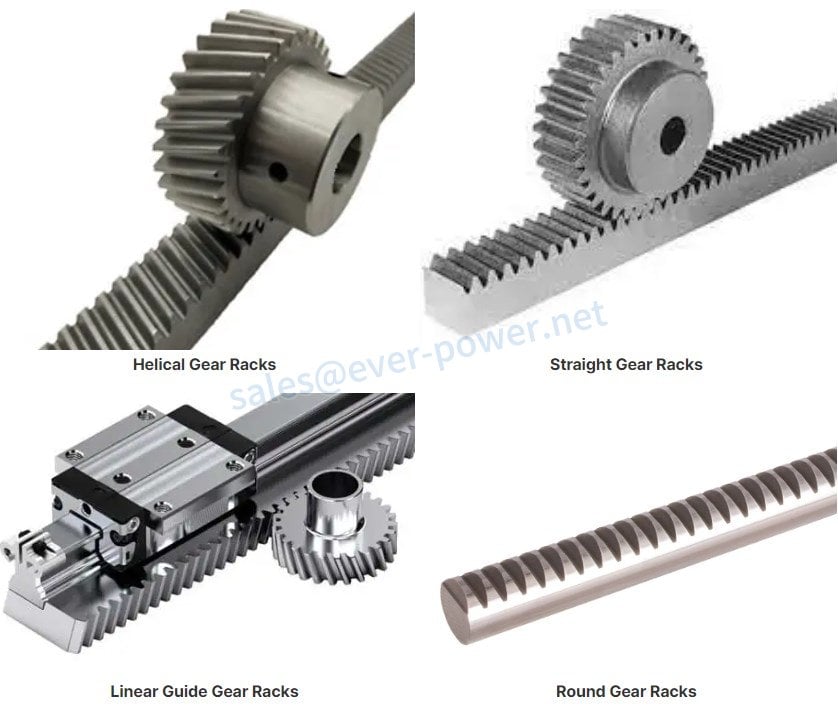
Gear racks come in various types, each with distinct characteristics tailored for specific applications. The main types include straight gear racks, helical gear racks, and curved gear racks.

Straight Gear Racks
Straight gear racks have parallel teeth and are often used in linear motion applications. They offer simplicity in design and ease of manufacturing.
Helical Gear Racks
Helical gear racks have angled teeth, providing smoother and quieter operation. They are ideal for high-speed applications due to their reduced vibration and noise levels.
Curved Gear Racks
Curved gear racks are used in systems where motion is not purely linear, such as in certain automotive steering mechanisms. They offer versatility in guiding complex motion paths.
Material Advantages of Gear Racks
Different materials used in gear racks provide specific benefits:
- Steel: Offers high strength and durability but requires protection against corrosion.
- Plastic: Lightweight and corrosion-resistant, but limited in load capacity.
- Composite Materials: Combine the benefits of various materials, offering balanced properties for specialized applications.
Applications of Gear Racks in Various Industries
Gear racks are utilized across multiple industries, showcasing their versatility and importance:
Aerospace Industry
In the aerospace industry, gear racks are used in flight control systems, ensuring precise movement and control of aircraft components.
Renewable Energy
Gear racks play a critical role in renewable energy systems, such as in solar trackers and wind turbine mechanisms, ensuring efficient energy conversion and system reliability.
Automotive Industry
In the automotive sector, gear racks are integral to steering systems, providing accurate and responsive steering control.
Industrial Machinery
Heavy machinery often relies on gear racks for precise movement and positioning, enhancing operational efficiency and productivity.
Medical Equipment
Gear racks are used in various medical devices, including imaging equipment and surgical tools, necessitating precision and reliability.
Future Development Trends and Opportunities for Gear Rack Products
The gear rack industry is poised for significant growth, driven by advancements in technology and increasing demand across various sectors. Key trends include:

- Advanced Materials: The development of new materials will enhance the performance and durability of gear racks.
- Automation: Increased automation in manufacturing and maintenance will improve efficiency and reduce operational costs.
- Integration with IoT: Gear racks integrated with IoT devices will enable real-time monitoring and predictive maintenance.
- Customization: Tailored gear rack solutions will cater to specific industry needs, providing enhanced performance and reliability.
- Environmental Considerations: Sustainable practices in manufacturing and material selection will become increasingly important.
Choosing the Right Gear Rack
Selecting the appropriate gear rack involves several considerations:
- Identify Requirements: Clearly define the application requirements, including load capacity, speed, and environmental conditions.
- Material Selection: Choose the material that best suits the operational demands and environmental conditions.
- Design Optimization: Ensure the design meets precision and durability needs, while also being cost-effective.
- Supplier and After-Sales Service: Select a reputable supplier who offers comprehensive after-sales support and service.
- Cost and Quality Control: Balance cost considerations with quality control to ensure long-term reliability and performance.
Maintaining Gear Racks
Proper maintenance of gear racks is essential for ensuring their longevity and performance:
- Regular Inspections: Conduct periodic checks to identify wear and tear or alignment issues.
- Cleaning and Corrosion Prevention: Keep gear racks clean and apply anti-corrosion treatments as necessary.
- Lubrication: Regularly lubricate the gear racks to minimize friction and wear.
- Replacement of Worn Parts: Promptly replace any worn or damaged components to prevent system failure.
- Temperature Monitoring: Monitor operating temperatures to prevent overheating and potential damage.
Why Choose Ever Power
Ever Power is your trusted partner for high-quality gear racks. Here are five reasons to choose us:

- Expertise and Experience: With years of industry experience, we offer superior knowledge and expertise in gear rack manufacturing.
- High-Quality Materials: We use only the finest materials to ensure durability and performance.
- Precision Engineering: Our gear racks are engineered with high precision, ensuring smooth and reliable operation.
- Comprehensive After-Sales Support: We offer extensive after-sales support, including maintenance and replacement services.
- Competitive Pricing: Our products are competitively priced, providing exceptional value without compromising on quality.
Q&A
Q1: What are the primary disadvantages of gear racks?
A1: Key disadvantages include wear and tear, noise production, alignment issues, and load limitations.
Q2: How do material choices impact gear rack performance?
A2: Different materials offer varying properties; for example, steel provides high strength, while plastic offers corrosion resistance and lightweight.
Q3: What industries benefit from using gear racks?
A3: Gear racks are used in aerospace, renewable energy, automotive, industrial machinery, and medical equipment industries.
Q4: What trends are shaping the future of gear rack products?
A4: Trends include advanced materials, increased automation, IoT integration, customization, and sustainable practices.
Q5: How can Ever Power assist in meeting gear rack needs?
A5: Ever Power offers expertise, high-quality materials, precision engineering, comprehensive support, and competitive pricing.
Author: Dream