gear rack in industrial robots

Gear Rack in Industrial Robots: Understanding the Link Between Gear Rack and Industrial Automation
Introduction to Gear Rack in Industrial Robots
Gear racks play a pivotal role in the functioning of industrial robots. These components convert rotational motion into linear motion, which is essential for various robotic applications. This article delves into the significance of gear racks in industrial robots, exploring their functionalities, benefits, and applications across different industries.
What is a Gear Rack?
A gear rack is a linear or curved bar with equidistant teeth, designed to mesh with a pinion (a small cylindrical gear). This combination is fundamental in converting rotational motion into linear motion. Gear racks are manufactured from various materials including steel, brass, aluminum, and plastics.
How Gear Racks Work in Industrial Robots
In industrial robots, gear racks are employed to achieve precise linear movements. When the pinion gear rotates, it engages with the teeth on the gear rack, causing it to move in a straight line. This mechanism is crucial for tasks that require high precision and accuracy.
Gear Rack in Industrial Robots: Informational Link
Gear racks are indispensable in industrial robots for several reasons. They enable the robots to perform linear movements with high precision, which is essential for tasks such as assembly, packaging, and material handling. Furthermore, gear racks offer durability and reliability, ensuring the robots can operate efficiently over extended periods.

Performance Characteristics of Gear Racks
- Precision: Gear racks offer high precision in linear motion, making them ideal for applications that require exact positioning.
- Durability: Made from robust materials, gear racks can withstand high loads and harsh conditions.
- Efficiency: Gear racks provide efficient linear motion conversion, minimizing energy loss.
- Versatility: Available in various sizes and materials, gear racks can be customized for diverse applications.
- Low Maintenance: Gear racks require minimal maintenance, reducing downtime and operational costs.
Types of Gear Racks and Their Characteristics
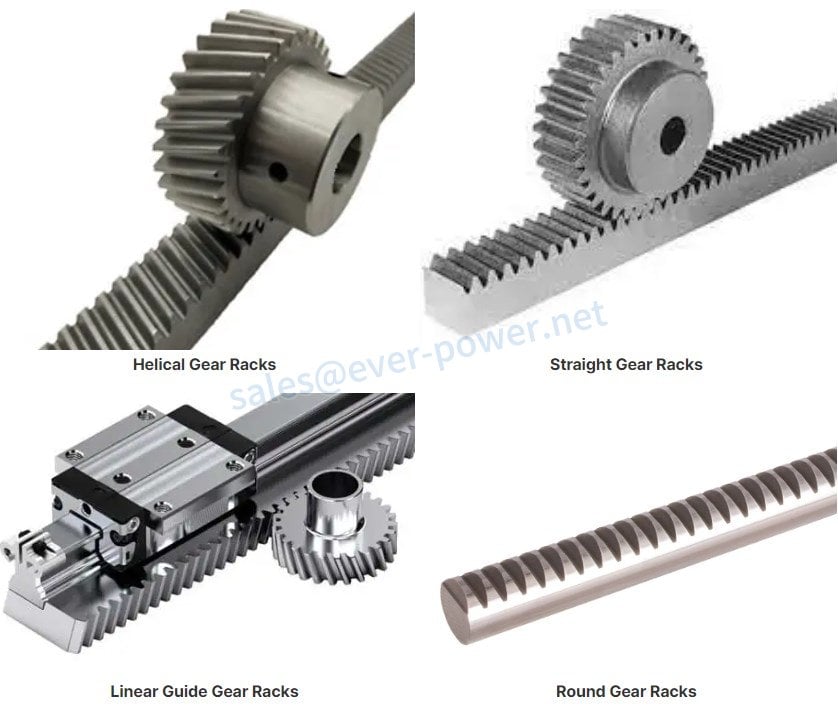
Gear racks come in different types depending on their design and material. Common types include straight gear racks, helical gear racks, and curved gear racks.
- Straight Gear Racks: These have straight teeth and are suitable for straightforward linear motion applications.
- Helical Gear Racks: Featuring angled teeth, helical gear racks offer smoother and quieter operation.
- Curved Gear Racks: Designed for applications requiring curved linear paths.

Applications in Different Industries
- Aerospace Industry: Gear racks are used in flight control systems for precise movement and positioning of aircraft parts.
- Renewable Energy: In wind turbines and solar tracking systems, gear racks help convert mechanical energy into electrical energy efficiently.
- Automotive Industry: Essential for steering mechanisms and assembly line robots, gear racks ensure precise movement and alignment of components.
- Industrial Machinery: Gear racks are used in CNC machines and packaging equipment to achieve accurate linear motion.
- Medical Equipment: In medical devices, gear racks provide precise movement control, essential for surgical robots and diagnostic machines.
Future Development Trends and Opportunities
- Advanced Materials: Development of new materials will enhance the durability and performance of gear racks.
- Automation Integration: Increased integration of gear racks with automation systems will improve efficiency and productivity.
- Miniaturization: Demand for smaller, more precise gear racks will rise with the advancement of micro-robotics.
- Sustainability: Eco-friendly manufacturing processes and recyclable materials will become more prevalent.
- Customized Solutions: Growing need for tailor-made gear racks to meet specific application requirements.

Choosing the Right Gear Rack
Selecting the appropriate gear rack for an application involves several considerations:
- Determine Requirements: Analyze the specific needs of your application, including load capacity, precision, and environment.
- Material Selection: Choose suitable materials based on the working conditions and required durability.
- Design Optimization: Opt for gear racks designed to maximize performance and efficiency.
- Supplier and Support: Partner with reputable suppliers offering excellent customer support and after-sales service.
- Cost Efficiency: Balance quality with cost to ensure a cost-effective solution.
- Quality Control: Ensure rigorous quality control measures are in place to guarantee reliability and performance.
Maintaining Gear Racks
Proper maintenance of gear racks is crucial to ensure their longevity and optimal performance. Key maintenance practices include:
- Regular Inspections: Conduct periodic inspections to identify and address any wear or damage.
- Cleaning and Corrosion Prevention: Clean gear racks regularly and use anti-corrosion treatments to prevent rust.
- Lubrication and Maintenance: Apply appropriate lubricants to reduce friction and wear.
- Replacement of Worn Parts: Replace any worn or damaged components promptly to avoid further damage.
- Temperature Monitoring: Monitor operating temperatures to ensure they remain within acceptable limits.
Why Choose Ever Power
Ever Power is a leading manufacturer and supplier of high-quality gear racks. Here’s why you should choose us:
- Superior Quality: Our gear racks are made from premium materials, ensuring durability and optimal performance.
- Custom Solutions: We offer customized gear rack solutions to meet the specific needs of our clients.
- Comprehensive Support: Our expert team provides excellent customer support and after-sales service.
- Advanced Technology: We utilize state-of-the-art manufacturing processes to produce high-precision gear racks.
- Competitive Pricing: We offer cost-effective solutions without compromising on quality.

FAQs
- What materials are gear racks made from? Gear racks can be made from steel, brass, aluminum, and plastic, each offering different benefits.
- How do gear racks contribute to industrial automation? Gear racks convert rotational motion to linear motion, essential for precise movements in automation systems.
- What maintenance is required for gear racks? Regular inspections, cleaning, lubrication, and replacement of worn parts are crucial for maintaining gear racks.
- Can gear racks be customized? Yes, gear racks can be customized to meet specific application requirements, including size, material, and design.
- Why choose Ever Power for gear racks? Ever Power offers high-quality, customized, and cost-effective gear rack solutions with comprehensive support and advanced manufacturing technology.
Author: Dream