gear rack life cycle

Gear Rack Life Cycle and Gear Rack
Introduction to Gear Rack Life Cycle
The gear rack life cycle is a comprehensive process involving multiple stages that include design, manufacturing, usage, maintenance, and eventual disposal or recycling. Understanding this life cycle is crucial for optimizing performance, ensuring longevity, and achieving cost-effectiveness in various applications. Gear racks, being essential components in linear motion systems, play a pivotal role in various industries such as automotive, aerospace, and industrial machinery. This article delves into the intricacies of the gear rack life cycle, exploring each phase in detail.
Design Phase
The design phase is the initial step in the gear rack life cycle. It involves meticulous planning and schematics to meet specific application requirements. Engineers consider factors such as load capacity, material selection, and dimensional accuracy. Advanced software tools and CAD programs are often employed to create detailed designs that ensure optimal performance and compatibility with other system components.
Manufacturing Process
The manufacturing process of gear racks involves several stages including material selection, machining, heat treatment, and finishing. High-precision CNC machines are used to cut and shape the gear racks to exact specifications. Heat treatment processes such as carburizing and quenching enhance the strength and durability of the gear racks. Finally, finishing processes like grinding and polishing are conducted to ensure smooth operation and reduce friction.
Usage and Application
Once manufactured, gear racks are integrated into various mechanical systems. Their usage spans numerous industries due to their ability to convert rotational motion into linear motion efficiently. Common applications include CNC machines, automotive steering systems, and industrial automation equipment. The performance of gear racks during this phase is critical to the overall efficiency and reliability of the system.
Maintenance and Upkeep
Regular maintenance is essential to prolong the life span of gear racks. This includes periodic inspections, lubrication, and the replacement of worn-out parts. Proper maintenance practices prevent unnecessary wear and tear, ensuring that the gear racks operate smoothly and efficiently over an extended period.
End of Life and Recycling
At the end of their operational life, gear racks can be disposed of or recycled. Recycling processes involve melting down metal components and repurposing them for new manufacturing. This not only reduces waste but also minimizes the environmental impact of gear rack production.
Informational Relationship Between Gear Rack Life Cycle and Gear Rack
The gear rack life cycle is intrinsically linked to the gear rack itself. Understanding the life cycle stages helps in selecting the appropriate gear rack for specific applications, ensuring optimal performance and longevity.

Gear Rack Performance Characteristics
High Load Capacity: Gear racks are designed to withstand significant loads, making them suitable for heavy-duty applications.
Precision and Accuracy: The manufacturing process ensures high precision, which is critical for applications requiring exact movements.
Durability: Made from high-quality materials, gear racks are built to last, even under strenuous conditions.
Versatility: Gear racks can be used in a variety of applications, from automotive to industrial machinery.
Smooth Operation: Proper finishing processes ensure smooth operation, reducing friction and wear.
Types of Gear Racks and Their Characteristics
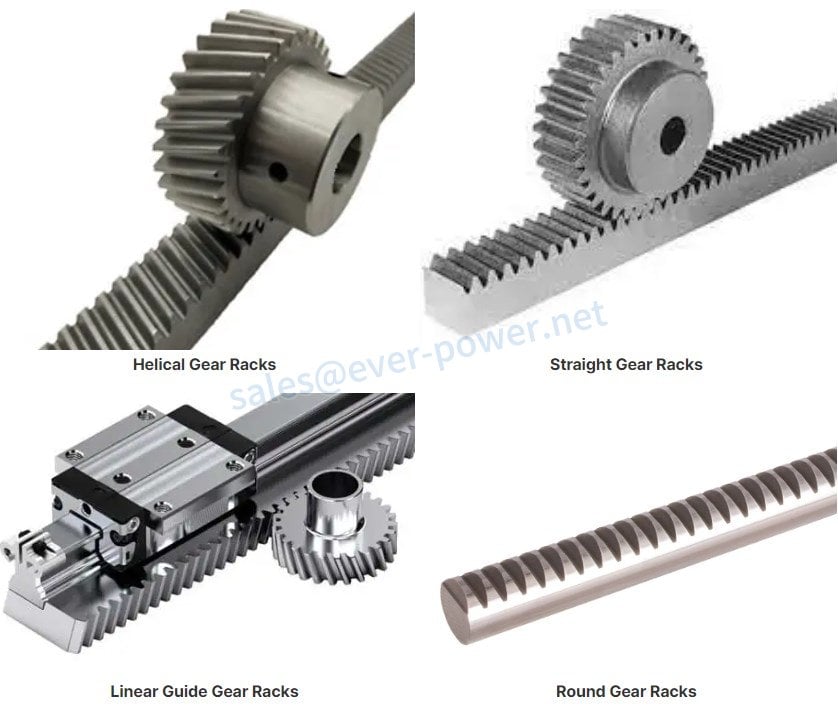
Spur Gear Racks: Commonly used due to their straightforward design and efficiency in transferring motion.
Helical Gear Racks: Known for quieter operation and higher load-carrying capacity due to their angled teeth.
Rack and Pinion Gears: Provide precise control over linear motion, often used in steering systems.
Plastic Gear Racks: Lightweight and resistant to corrosion, suitable for specific applications where metal racks might not be ideal.

Applications in Various Industries
Aerospace Industry: Gear racks are used in actuators and control systems, ensuring precise movement and reliability.
Renewable Energy: In wind turbines, gear racks help in the adjustment of blade angles for optimal energy capture.
Automotive Industry: Essential in steering mechanisms, providing precise control and reliability.
Industrial Machinery: Used in automation systems for accurate and efficient motion control.
Medical Equipment: Gear racks are integral in devices requiring precise linear motion, such as surgical robots.
Future Trends and Opportunities
Integration with Smart Technologies: Future gear racks may feature smart sensors for real-time monitoring and predictive maintenance.
Advanced Materials: The use of composite materials and advanced alloys can enhance the performance and longevity of gear racks.
Energy Efficiency: Developing gear racks that reduce energy consumption will be a key focus.
Customization: Tailoring gear racks to specific applications to meet unique requirements will become more prevalent.
Sustainability: Emphasis on recycling and environmentally friendly manufacturing processes will drive future innovations.

Choosing the Right Gear Rack
Define Requirements: Clearly outline the application needs, including load capacity, precision, and environment.
Material Selection: Choose the appropriate material based on the application, considering factors like strength and corrosion resistance.
Design Optimization: Work with engineers to ensure the gear rack design meets the specific performance criteria.
Supplier and After-Sales Support: Select a reputable supplier who provides strong after-sales support and guarantees.
Cost-Effectiveness: Balance performance requirements with budget constraints to find the most cost-effective solution.
Quality Control: Ensure that the gear racks undergo rigorous quality control checks to meet industry standards.
Maintaining Your Gear Rack
Regular Inspections: Conduct periodic checks to identify and address any wear or damage early.
Cleaning and Corrosion Prevention: Keep the gear racks clean and apply anti-corrosive treatments to prevent rust.
Lubrication and Maintenance: Regularly lubricate the gear racks to ensure smooth operation and reduce friction.
Replace Worn Parts: Timely replacement of worn components prevents further damage and extends the gear rack’s life.
Temperature Monitoring: Monitor operating temperatures to avoid overheating, which can cause premature wear.
Why Choose Ever Power
Ever Power specializes in the production and sales of high-quality gear racks. Our expertise and commitment to excellence make us the preferred choice for customers worldwide. Here are five reasons to choose our products:
1. Premium Quality: Our gear racks are manufactured using the highest quality materials and advanced production techniques, ensuring superior performance and durability.
2. Extensive Range: We offer a wide variety of gear racks to meet the diverse needs of different industries and applications.
3. Custom Solutions: We provide customized gear rack solutions tailored to the specific requirements of our clients, ensuring optimal functionality and efficiency.
4. Excellent Support: Our dedicated customer support team is always ready to assist with technical advice, product selection, and after-sales service.
5. Competitive Pricing: We offer our high-quality gear racks at competitive prices, providing excellent value for money.

Frequently Asked Questions
Q1: What materials are used in manufacturing gear racks?
A1: Gear racks are typically made from materials such as steel, stainless steel, and aluminum, depending on the application requirements.
Q2: How do I choose the right gear rack for my application?
A2: Consider factors such as load capacity, precision, environmental conditions, and material properties when selecting a gear rack.
Q3: What are the maintenance practices for gear racks?
A3: Regular inspections, lubrication, cleaning, and timely replacement of worn parts are essential maintenance practices for gear racks.
Q4: Can gear racks be customized?
A4: Yes, gear racks can be customized to meet specific application needs, including unique dimensions, materials, and performance characteristics.
Q5: Why should I choose Ever Power for my gear rack needs?
A5: Ever Power offers high-quality, customized gear rack solutions, exceptional customer support, and competitive pricing, making us the ideal choice for various industrial applications.
Author: Dream