gear rack tooth design

Gear Rack Tooth Design and Its Relationship with Gear Rack
Introduction to Gear Rack Tooth Design
Gear rack tooth design is a crucial aspect in the engineering of gear systems. The design involves the geometrical configuration, strength, and material selection of the gear teeth, which is critical for the performance and durability of gear racks. Properly designed gear rack teeth can minimize wear, reduce noise, and increase efficiency. This article delves into the intricacies of gear rack tooth design, exploring its significance and the relationship it has with the overall gear rack.
The Basics of Gear Rack Tooth Design
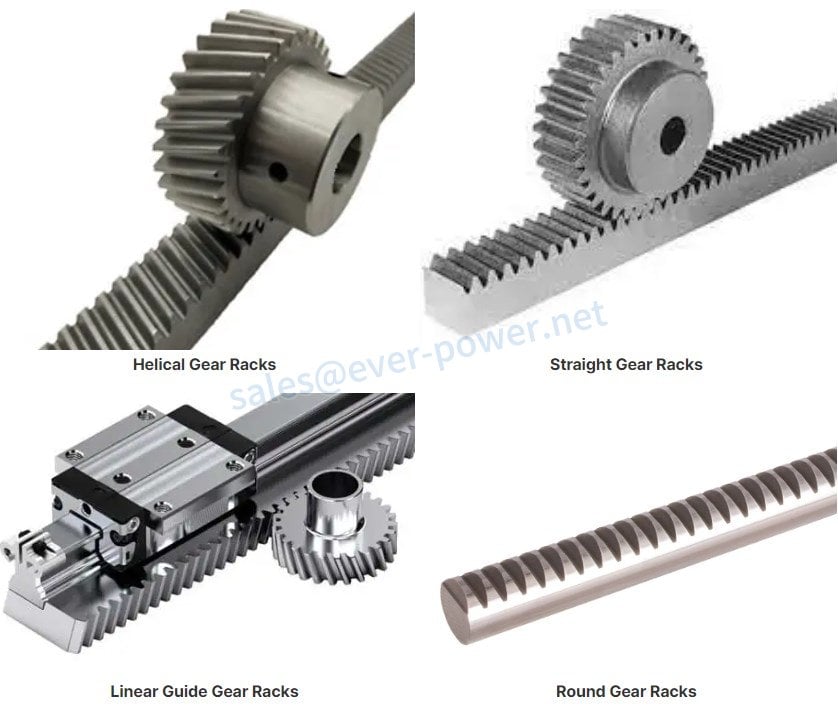
Gear rack teeth are typically designed as straight or helical. The tooth profile must be accurate to ensure smooth meshing with the pinion gear. Involute profiles are commonly used due to their ability to maintain a constant velocity ratio. Material selection also plays a key role, with options ranging from hardened steel to plastic, each suited for different applications.
Material Considerations in Gear Rack Tooth Design
The choice of material for gear rack teeth impacts their wear resistance, load capacity, and overall lifespan. Metals like carbon steel and stainless steel offer high strength and durability, while plastics provide quieter operation and resistance to corrosion. Each material presents unique advantages, making it essential to match material properties with application requirements.
Geometrical Configuration of Gear Rack Teeth
The geometrical configuration includes parameters such as pitch, pressure angle, and module. These factors influence the meshing characteristics and load distribution. Proper calculation and alignment are critical to prevent premature wear and failure. Advanced CAD tools are often used to optimize these parameters for specific applications.
Manufacturing Techniques for Gear Rack Teeth
Gear rack teeth are manufactured using processes like hobbing, milling, and grinding. Each technique affects the precision, surface finish, and cost of production. High-precision applications may require fine grinding to achieve the desired surface finish and dimensional accuracy.
Testing and Quality Control in Gear Rack Tooth Design
Quality control is paramount in gear rack tooth design. Testing methods such as contact pattern analysis, load testing, and vibration analysis are employed to ensure the teeth meet performance criteria. These tests help identify any defects or deviations that could affect the gear rack’s functionality.
Gear Rack Tooth Design and Gear Rack Relationship
The design of gear rack teeth is intrinsically linked to the functionality of the entire gear rack system. Properly designed teeth ensure smooth operation, efficient power transmission, and longevity of the gear system. An optimized tooth design reduces friction and wear, which translates to lower maintenance costs and higher reliability.

Key Performance Characteristics of Gear Rack
- Load Capacity: Gear racks are designed to handle significant loads, making them suitable for heavy-duty applications.
- Precision: High-precision gear racks ensure accurate positioning and movement, which is vital in CNC machines and robotics.
- Durability: Made from materials like hardened steel, gear racks offer long service life even under harsh conditions.
- Versatility: Available in various sizes and configurations, gear racks can be customized for specific applications.
- Ease of Maintenance: Simple design allows for easy inspection, lubrication, and replacement of components.
Types of Gear Racks and Their Characteristics
There are several types of gear racks, each with distinct characteristics:
- Spur Gear Racks: These have straight teeth and are used for linear motion applications.
- Helical Gear Racks: Featuring angled teeth, these provide smoother and quieter operation.
- Plastic Gear Racks: Made from materials such as nylon, these are lightweight and resistant to corrosion.
- Metal Gear Racks: Typically made from steel or aluminum, they offer high strength and durability.

Applications of Gear Racks in Various Industries
Gear racks are utilized across various industries due to their versatility and reliability:
- Aerospace Industry: Used in landing gear systems and actuators.
- Renewable Energy: Integral in the positioning systems of solar panels and wind turbines.
- Automotive Industry: Commonly found in steering systems and transmission mechanisms.
- Industrial Machinery: Used in CNC machines, conveyor systems, and robotics.
- Medical Equipment: Essential in imaging devices and precision surgical instruments.
Future Trends and Opportunities in Gear Rack Design
As technology advances, gear rack design is poised for significant innovations. Future trends include:
- Advanced Materials: Development of new alloys and composites for enhanced performance.
- Digital Manufacturing: Adoption of 3D printing for customized and complex gear rack designs.
- Smart Gear Systems: Integration of sensors for real-time monitoring and predictive maintenance.
- Sustainability: Focus on eco-friendly materials and energy-efficient manufacturing processes.
- Global Expansion: Increased demand in emerging markets, driving innovation and competition.

How to Choose the Right Gear Rack
Selecting the appropriate gear rack involves several critical considerations:
- Define Your Requirements: Understand the load, speed, and environmental conditions of your application.
- Material Selection: Choose materials based on strength, durability, and cost-effectiveness.
- Design Optimization: Use CAD tools to fine-tune the gear rack design for optimal performance.
- Supplier and After-Sales Service: Partner with reputable suppliers who offer robust after-sales support.
- Cost-Benefit Analysis: Assess the cost against the expected benefits to ensure value for money.
- Quality Control: Ensure the gear rack meets industry standards and undergoes rigorous testing.
Maintaining Gear Racks
Proper maintenance is essential to ensure the longevity and performance of gear racks:
- Regular Inspections: Conduct periodic checks for wear, alignment, and damage.
- Cleaning and Corrosion Prevention: Keep the gear rack clean and apply anti-corrosive coatings if necessary.
- Lubrication and Care: Use suitable lubricants to reduce friction and wear.
- Replacing Worn Parts: Replace any worn or damaged components promptly to avoid further damage.
- Temperature Monitoring: Ensure the operating temperature is within the specified range to prevent overheating.
Why Choose Ever Power?
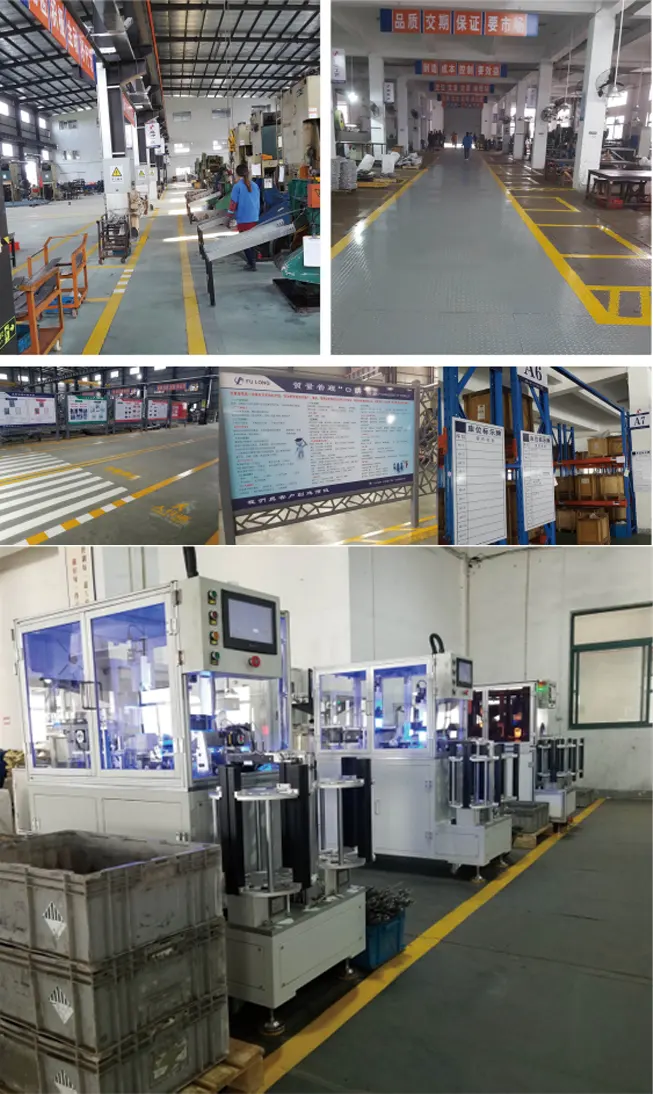
Ever Power is a leading manufacturer of gear racks, offering superior products and services. Here are five reasons to choose us:
- High-Quality Products: We use premium materials and advanced manufacturing techniques to produce durable and reliable gear racks.
- Customization Options: Our team can design and produce gear racks tailored to your specific requirements.
- Expert Technical Support: We provide comprehensive technical support to assist with installation, maintenance, and troubleshooting.
- Competitive Pricing: We offer cost-effective solutions without compromising on quality.
- Global Reach: Our products are available worldwide, ensuring timely delivery and service wherever you are.
Frequently Asked Questions
Q1: What materials are commonly used for gear rack teeth?
A1: Common materials include hardened steel, stainless steel, and plastics such as nylon.
Q2: How do I determine the right gear rack for my application?
A2: Consider load capacity, speed, environmental conditions, and material properties to choose the right gear rack.
Q3: What are the benefits of helical gear racks?
A3: Helical gear racks provide smoother and quieter operation compared to spur gear racks.
Q4: How often should gear racks be inspected?
A4: Regular inspections should be conducted based on usage and environmental conditions, typically every few months.
Q5: Can Ever Power customize gear racks to specific requirements?
A5: Yes, Ever Power offers customization options to meet various application needs.
Author: Dream