gear shaft customization options

Gear Shaft Customization Options and Their Commercial Applications
Gear shaft is one of the most important components in the power transmission system of machinery. It plays a vital role in transmitting torque and power between the driver and driven components. The customization options available for gear shafts are vast, and it is essential to understand the various options and their benefits for the applications.
Gear Shaft Customization Options
Size and Shape Customization
The first customization option for gear shafts is the size and shape of the shaft. The size and shape of the shaft are critical to the application’s requirements, such as torque, power, and rotational speed. The customization of size and shape can optimize the gear shaft’s performance and efficiency in the power transmission system.
Material Customization
Material customization is another critical option for gear shafts. The material must have high strength, wear resistance, and toughness to ensure the gear shaft’s reliability and durability. The common materials for gear shafts are steel, aluminum, and titanium. The selection of the material depends on the application’s requirements and the design specifications.
Heat Treatment Customization
Heat treatment customization is a crucial option for gear shafts. The heat treatment process can improve the material’s mechanical properties, such as strength, hardness, and toughness, to meet the application’s requirements. The common heat treatment methods are quenching, tempering, and carburizing.
Coating Customization
Coating customization is an option that can enhance the gear shaft’s surface properties, such as wear resistance, corrosion resistance, and lubrication. The common coating methods are electroplating, anodizing, and powder coating.
Lubrication Customization
Lubrication customization is a necessary option for gear shafts. The lubrication can reduce the friction and wear between the gear teeth, improve the gear’s efficiency, and extend the gear’s life. The common lubrication methods are oil bath, grease lubrication, and dry lubrication.
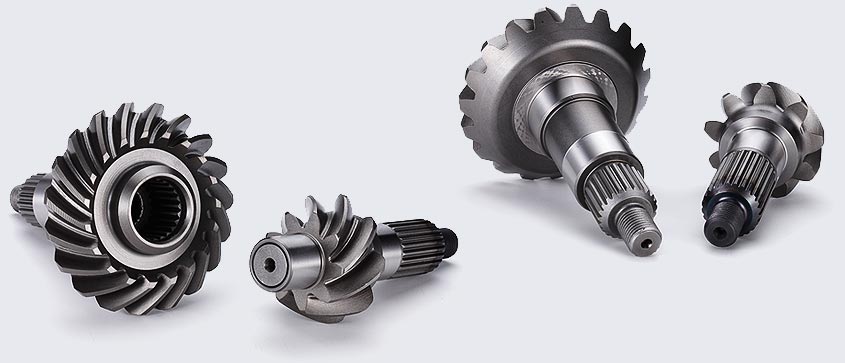
Gear Shaft Commercial Applications
The gear shaft customization options have a significant impact on the gear shaft’s performance and efficiency in various commercial applications. The following are some of the commercial applications of gear shafts:
Automotive Industry
Gear shafts are widely used in the automotive industry, such as transmissions, engines, and steering systems. The customization options can optimize the gear shaft’s performance to meet the automotive industry’s requirements for power, torque, and efficiency.
Energy Industry
Gear shafts are also used in the energy industry, such as wind turbines, hydro turbines, and gas turbines. The customization options can optimize the gear shaft’s performance to meet the energy industry’s requirements for power, torque, and reliability.
Agricultural Equipment
Gear shafts are used in agricultural equipment, such as tractors, combines, and harvesters. The customization options can optimize the gear shaft’s performance to meet the agricultural equipment’s requirements for power, torque, and durability.
Industrial Machinery
Gear shafts are used in industrial machinery, such as pumps, compressors, and conveyors. The customization options can optimize the gear shaft’s performance to meet the industrial machinery’s requirements for power, torque, and efficiency.
Transportation and Railway
Gear shafts are used in transportation and railway, such as locomotives, ships, and airplanes. The customization options can optimize the gear shaft’s performance to meet the transportation and railway’s requirements for power, torque, and reliability.
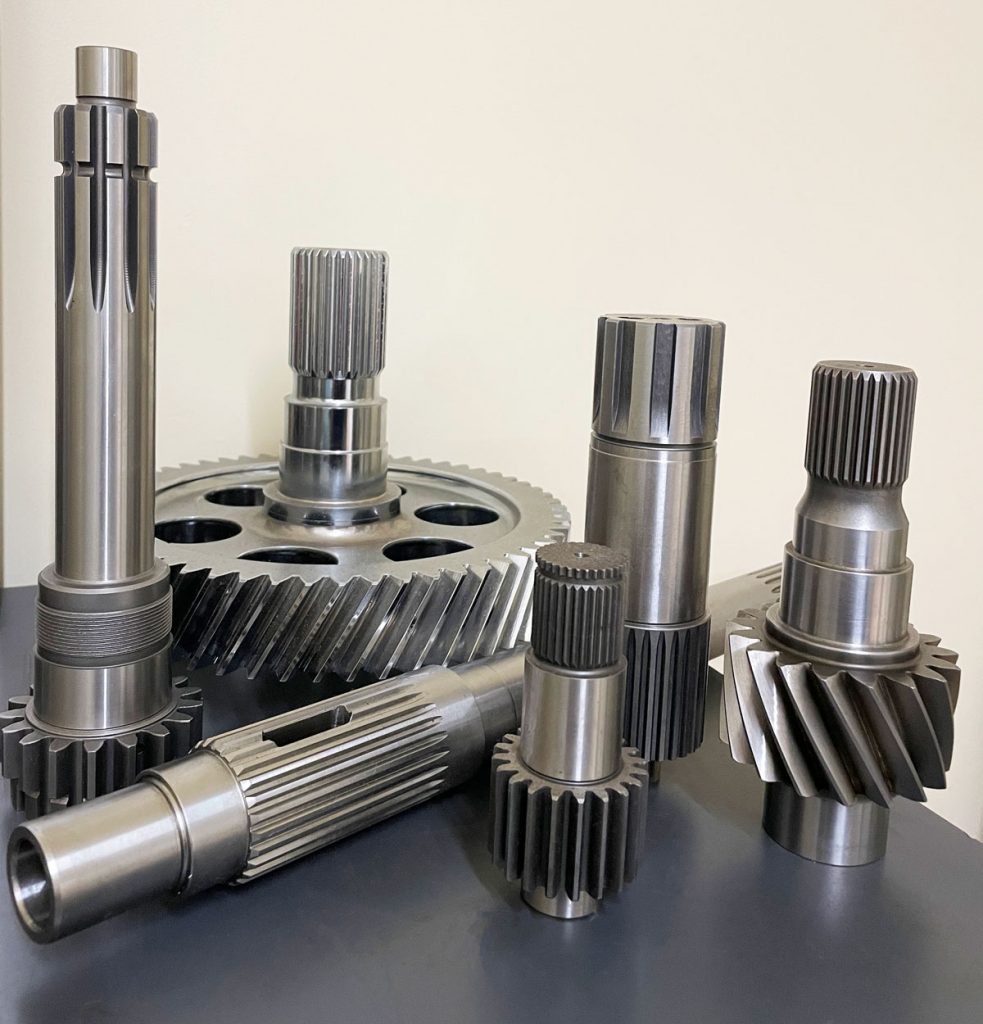
Gear Shaft Performance Characteristics
The gear shaft’s performance characteristics are crucial for the application’s efficiency, productivity, and reliability. The following are the gear shaft’s main performance characteristics:
High Strength
The gear shaft must have high strength to withstand the torque and power transmitted between the driver and driven components. The material selection and heat treatment process can enhance the gear shaft’s strength.
Wear Resistance
The gear shaft must have high wear resistance to withstand the sliding and rolling contact between the gear teeth. The coating and lubrication methods can enhance the gear shaft’s wear resistance.
Toughness
The gear shaft must have high toughness to withstand the impact and shock loads generated during the operation. The material selection and heat treatment process can enhance the gear shaft’s toughness.
Durability
The gear shaft must have high durability to withstand the cyclic loading and fatigue failure during the operation. The material selection and heat treatment process can enhance the gear shaft’s durability.
Efficiency
The gear shaft must have high efficiency to minimize the power loss and heat generation during the operation. The design optimization, coating, and lubrication methods can enhance the gear shaft’s efficiency.
How to Select the Right Gear Shaft
The selection of the right gear shaft is vital to ensure the application’s efficiency, productivity, and reliability. The following are the factors to consider when selecting the right gear shaft:
Clearly Define the Requirements
Clearly define the application’s requirements, such as power, torque, speed, and environmental conditions. The gear shaft’s size, shape, material, heat treatment, coating, and lubrication options should align with the application’s requirements.
Select the Right Material
Select the right material that has high strength, wear resistance, and toughness to meet the application’s requirements. The common materials are steel, aluminum, and titanium.
Design Optimization
Optimize the gear shaft’s design to minimize the stress concentration, improve the load distribution, and enhance the efficiency. The design optimization can also reduce the gear’s weight and cost.
Select the Right Supplier and After-Sales Service
Select the right supplier that can provide high-quality gear shafts and professional after-sales service. The supplier should have a good reputation, experience, and technical expertise in gear shaft manufacturing and customization.
Cost-Effectiveness
Select the gear shaft that offers the best cost-effectiveness, considering the application’s requirements and budget. The gear shaft’s cost-effectiveness can be optimized through material selection, design optimization, and supplier selection.
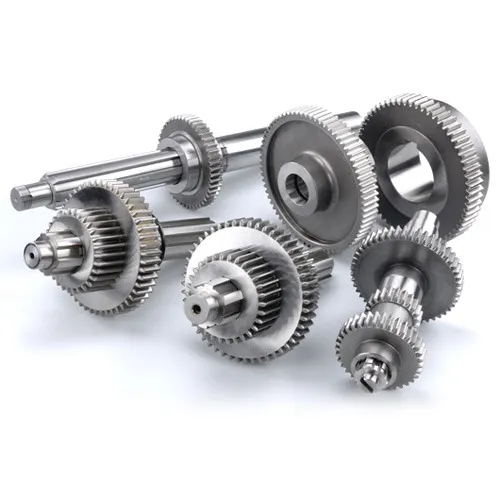
Gear Shaft Maintenance
The gear shaft’s maintenance is vital to ensure the application’s efficiency, productivity, and reliability. The following are the maintenance tasks for gear shafts:
Regular Inspection
Regularly inspect the gear shaft’s condition, such as wear, corrosion, and damage. The regular inspection can detect the potential problems and prevent the unexpected failure.
Clean and Anti-Corrosion
Clean the gear shaft’s surface and apply anti-corrosion treatment to prevent the corrosion and rust. The clean and anti-corrosion can extend the gear shaft’s life and performance.
Lubrication and Maintenance
Lubricate the gear shaft’s teeth and bearings and maintain the lubrication system’s cleanliness and function. The lubrication and maintenance can reduce the friction and wear and prolong the gear shaft’s life.
Replace Worn Parts
Replace the worn gear shaft’s parts, such as bearings, seals, and gears. The replacement can restore the gear shaft’s performance and prevent the unexpected failure.
Why Choose Our Gear Shaft?
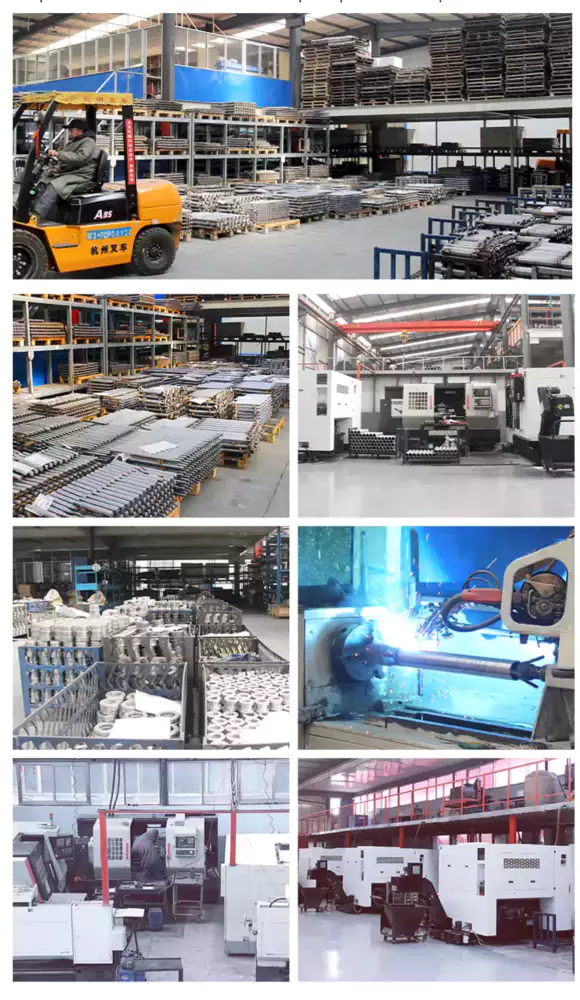
Our company specializes in the production and sales of high-quality gear shafts that meet the various applications’ requirements. The following are our gear shaft’s advantages:
Customization Options
We offer a vast range of customization options for gear shafts, such as size, shape, material, heat treatment, coating, and lubrication. The customization can optimize the gear shaft’s performance and efficiency in the application.
High-Quality Material
We use high-quality materials, such as steel, aluminum, and titanium, that have high strength, wear resistance, and toughness. The material selection ensures the gear shaft’s reliability and durability.
Professional Design Optimization
We have a team of professional engineers who can optimize the gear shaft’s design to ensure the stress concentration, load distribution, and efficiency. The design optimization reduces the gear’s weight and cost.
Strict Quality Control
We have a strict quality control system in place that ensures the gear shaft’s quality and performance. The quality control system follows the international standards and regulations.
Professional After-Sales Service
We provide professional after-sales service that includes technical support, maintenance, and repair. The after-sales service ensures the gear shaft’s performance and prolongs the gear shaft’s life.
Q&A
Q1: What are the common materials for gear shafts?
A1: The common materials for gear shafts are steel, aluminum, and titanium.
Q2: What is the heat treatment process for gear shafts?
A2: The common heat treatment methods for gear shafts are quenching, tempering, and carburizing.
Q3: What is the maintenance task for gear shafts?
A3: The maintenance tasks for gear shafts are regular inspection, clean and anti-corrosion, lubrication and maintenance, and replace worn parts.
Q4: What are the advantages of gear shaft customization?
A4: Gear shaft customization can optimize the gear shaft’s performance and efficiency in the application, reduce the gear’s weight and cost, and prolong the gear shaft’s life.
Q5: What are the factors to consider when selecting the right gear shaft?
A5: The factors to consider when selecting the right gear shaft are clearly defining the requirements, selecting the right material, design optimization, selecting the right supplier and after-sales service, and cost-effectiveness.