gear shaft efficiency ratings

Gear Shaft Efficiency Ratings and Its Relationship with Gear Shaft
Gear shaft efficiency rating is an important factor to consider when choosing gear shafts. It refers to the level of efficiency at which the gear shaft is able to transmit power from one point to another. This rating is vital for ensuring that the gear shaft is able to perform its intended function effectively, and that it is able to do so with minimal energy loss.
Gear Shaft Efficiency Ratings Explained
Gear shaft efficiency ratings are an important consideration when it comes to selecting gear shafts, especially for applications where power transmission efficiency is crucial. This rating is typically expressed as a percentage, with higher percentages indicating greater efficiency in power transmission.
The rating is calculated by dividing the output power of the gear shaft by the input power, and multiplying by 100. The result is the gear shaft’s efficiency rating, expressed as a percentage. It is important to note that this rating is affected by a number of factors, including the design of the gear shaft, the materials used in its construction, and the environmental conditions in which it operates.

Gear Shaft Performance Characteristics
- High efficiency in power transmission
- Ability to handle heavy loads
- Smooth and quiet operation
- Long service life
- Low maintenance requirements
The performance characteristics of gear shafts are what make them suitable for specific applications. For example, gear shafts that are designed for heavy-duty applications will typically have larger shaft diameters and higher torque capacity, while those designed for precision applications will have tighter tolerances and smoother operation.
Types of Gear Shaft and Their Characteristics
There are several different types of gear shafts, each with their own unique characteristics that make them suitable for specific applications. These include:
- Spur Gear Shafts: Used in low-speed applications where precision is not critical.
- Helical Gear Shafts: Used in high-speed applications where noise reduction is important.
- Bevel Gear Shafts: Used in applications where the direction of the power transmission needs to be changed.
- Worm Gear Shafts: Used in applications where a high gear ratio is required.
The type of material used in the construction of a gear shaft can also affect its characteristics. For example, steel gear shafts are typically stronger and more durable than those made from aluminum or brass, while those made from composite materials are often lighter and more corrosion-resistant.

Applications of Gear Shaft
Gear shafts are used in a wide variety of applications across several industries. These include:
- Automotive: Used in transmissions, differentials, and other drivetrain components.
- Energy: Used in wind turbines, hydroelectric generators, and other power generation equipment.
- Agricultural Equipment: Used in tractors, harvesters, and other farm machinery.
- Industrial Machinery: Used in manufacturing equipment, conveyor systems, and other machinery.
- Transportation and Rail: Used in the drivetrains of trains, buses, and other vehicles.
The applications of gear shafts in these industries highlight their importance in ensuring efficient power transmission and smooth operation of machinery and equipment.
The Future of Gear Shaft Products
The gear shaft industry is expected to experience significant growth in the coming years, as demand for efficient and reliable power transmission solutions continues to increase. There is also a growing trend towards the use of more sustainable materials and manufacturing processes, which is likely to drive innovation and product development in the industry.
To capitalize on these opportunities, gear shaft manufacturers will need to invest in research and development, and focus on developing products that are both efficient and environmentally sustainable. They will also need to focus on building strong partnerships with customers, suppliers, and other stakeholders, to ensure that they are able to meet the evolving needs of the market.

Choosing the Right Gear Shaft
Choosing the right gear shaft requires careful consideration of several factors, including:
- Clear understanding of the application requirements
- Material selection based on strength, durability, and corrosion resistance
- Design optimization to ensure efficient power transmission and smooth operation
- Supplier selection based on quality, reliability, and cost-effectiveness
- Cost-benefit analysis to ensure that the selected gear shaft is cost-effective over its entire service life

Gear Shaft Maintenance
Regular maintenance is essential for ensuring the long-term reliability and performance of gear shafts. This can include:
- Regular inspection of the gear shaft to detect signs of wear or damage
- Cleaning and rust prevention to protect the surface of the gear shaft from corrosion
- Lubrication and maintenance of the gear shaft to ensure smooth operation and reduce wear
- Replacement of worn or damaged parts to prevent further damage to the gear shaft
- Upgrades and improvements to the gear shaft to enhance its performance and reliability
Why Choose Us
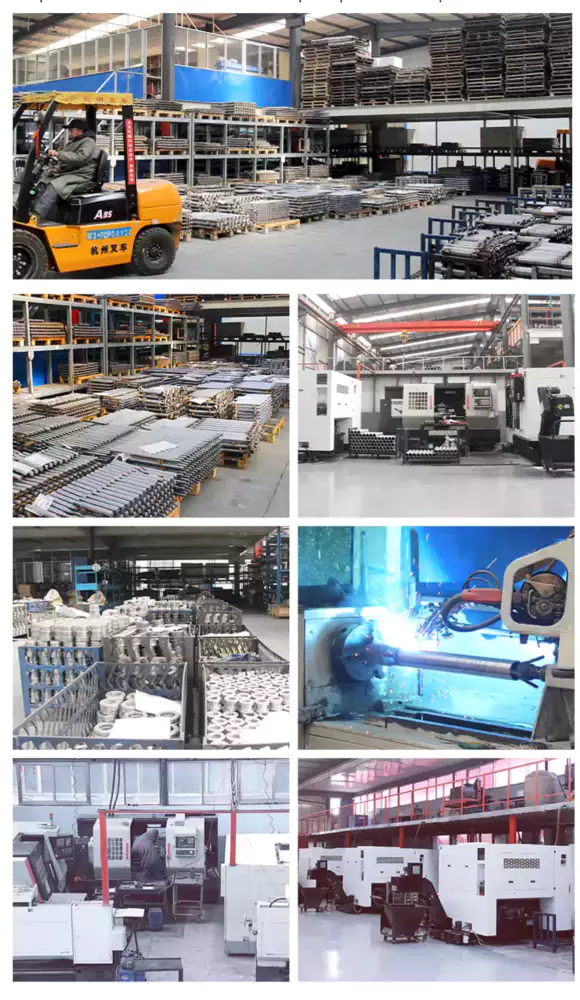
At our company, we specialize in the production and sale of high-quality gear shafts for a wide range of applications. Our products are designed and manufactured to the highest standards of quality, reliability, and performance, and we are committed to providing our customers with the best possible service and support.
- Our gear shafts are made from the highest quality materials, ensuring strength, durability, and reliability.
- We offer a wide range of gear shafts to suit a variety of applications, from heavy-duty industrial machinery to precision automotive components.
- Our products are designed and manufactured to meet or exceed industry standards for performance and reliability.
- We offer competitive pricing and flexible delivery options to meet the needs of our customers.
- We are committed to providing our customers with the highest level of service and support, from initial product selection to ongoing maintenance and upgrades.
Q&A
Q: What is the difference between spur gear shafts and helical gear shafts?
A: Spur gear shafts are suitable for low-speed applications where precision is not critical, while helical gear shafts are designed for high-speed applications where noise reduction is important.
Q: What factors should be considered when selecting gear shafts?
A: Factors to consider when selecting gear shafts include the application requirements, material selection, design optimization, supplier selection, and cost-benefit analysis.
Q: How can gear shafts be maintained?
A: Gear shafts can be maintained by regular inspection, cleaning and rust prevention, lubrication and maintenance, replacement of worn or damaged parts, and upgrades and improvements.
Q: What is the future of the gear shaft industry?
A: The gear shaft industry is expected to experience significant growth in the coming years, driven by demand for efficient and reliable power transmission solutions and a growing trend towards sustainability.
Q: What are the advantages of using gear shafts in industrial machinery?
A: The advantages of using gear shafts in industrial machinery include efficient power transmission, smooth operation, and the ability to handle heavy loads.