gear shaft for power transmission

Gear Shaft for Power Transmission
Gear shafts are an essential part of power transmission systems. They are used to transmit power between two or more rotating shafts, where one of the shafts is driven by a motor or engine, and the other shaft drives a load. The gear shaft is a mechanical component that provides the necessary torque and speed required for various industrial applications. In this article, we will discuss the various aspects of gear shafts for power transmission.
Gear Shaft for Power Transmission and Informational Connection
Gear shafts play a crucial role in power transmission systems. They are used in a wide range of applications, including automotive, aerospace, industrial machinery, and wind turbines. Gear shafts are designed to transmit power and torque between two or more rotating shafts. They are available in different sizes, shapes, and materials to meet the specific requirements of different applications.

Performance Characteristics of Gear Shaft
Gear shafts are designed to provide a high degree of reliability, durability, and performance under varying operating conditions. They are made of high-quality materials, such as steel alloys, to ensure a long service life. Some of the key performance characteristics of gear shafts include:
- High efficiency
- Low noise and vibration
- High torque capacity
- Accurate speed control
- Low maintenance requirements
Types of Gear Shaft and Their Characteristics
Gear shafts can be classified into different types based on their design, shape, and function. Some of the common types of gear shafts include:
- Spur gear shafts: These are the most common type of gear shafts used in power transmission systems. They have straight teeth that run parallel to the axis of rotation.
- Helical gear shafts: These gear shafts have angled teeth that run at an angle to the axis of rotation. They offer smoother operation and less noise than spur gear shafts.
- Bevel gear shafts: These gear shafts have teeth that are cut on a conical surface. They are used to transmit power between shafts that are perpendicular to each other.
- Worm gear shafts: These gear shafts have a screw-like thread that meshes with a worm wheel to transmit power. They offer high torque capacity but low efficiency.
Different materials are used to make gear shafts, including steel, cast iron, and aluminum. Each material has its own advantages and disadvantages. For example, steel gear shafts offer high strength and durability, while aluminum gear shafts are lightweight and offer good corrosion resistance.

Applications of Gear Shaft in Different Industries
Gear shafts are widely used in various industries, including:
Automotive Industry
Gear shafts are used in the transmission system of automobiles to transmit power from the engine to the wheels. They are also used in the steering system to provide accurate steering control.
Energy Sector
Gear shafts are used in wind turbines to transmit power from the blades to the generator. They are also used in power plants to transmit power between different components of the system.
Agricultural Equipment
Gear shafts are used in agricultural equipment, such as tractors, harvesters, and tillers, to transmit power to different components of the system.
Industrial Machinery
Gear shafts are used in various types of industrial machinery, such as pumps, compressors, and conveyors, to transmit power between different components of the system.
Transportation and Railway
Gear shafts are used in the propulsion system of ships to transmit power from the engine to the propeller. They are also used in the transmission system of trains to transmit power from the engine to the wheels.
The Future of Gear Shaft and Opportunities
The demand for gear shafts is expected to grow significantly in the coming years, driven by the increasing demand for industrial machinery and equipment. The emergence of new technologies, such as 3D printing and nanotechnology, is expected to create new opportunities for the gear shaft market. To capitalize on these opportunities, gear shaft manufacturers need to focus on innovation, product differentiation, and cost optimization.

How to Choose the Right Gear Shaft
Choosing the right gear shaft is crucial to ensuring the optimal performance of power transmission systems. Here are some key factors to consider when selecting a gear shaft:
- Clarify your requirements: Identify your specific application requirements, such as torque, speed, and load capacity.
- Material selection: Choose the right material based on your application requirements, such as strength, durability, and corrosion resistance.
- Design optimization: Optimize the gear shaft design to ensure maximum efficiency, reliability, and performance.
- Supplier and after-sales service: Choose a reputable supplier who can offer quality products and after-sales support.
- Cost-effectiveness: Consider the total cost of ownership when selecting a gear shaft, including maintenance and replacement costs.
Gear Shaft Maintenance
Proper maintenance is essential to ensure the optimal performance and long service life of gear shafts. Here are some key maintenance tasks to consider:
- Regular equipment inspection: Inspect gear shafts regularly to detect any signs of wear or damage.
- Cleaning and corrosion prevention: Clean gear shafts regularly and apply anti-corrosion coatings to prevent rust and corrosion.
- Lubrication and maintenance: Use the right lubricant and follow the manufacturer’s recommendations for lubrication and maintenance.
- Replacement of worn parts: Replace worn or damaged parts promptly to prevent further damage.
- Upgrades and improvements: Consider upgrading or improving gear shafts to enhance performance and reliability.
Why Choose Us
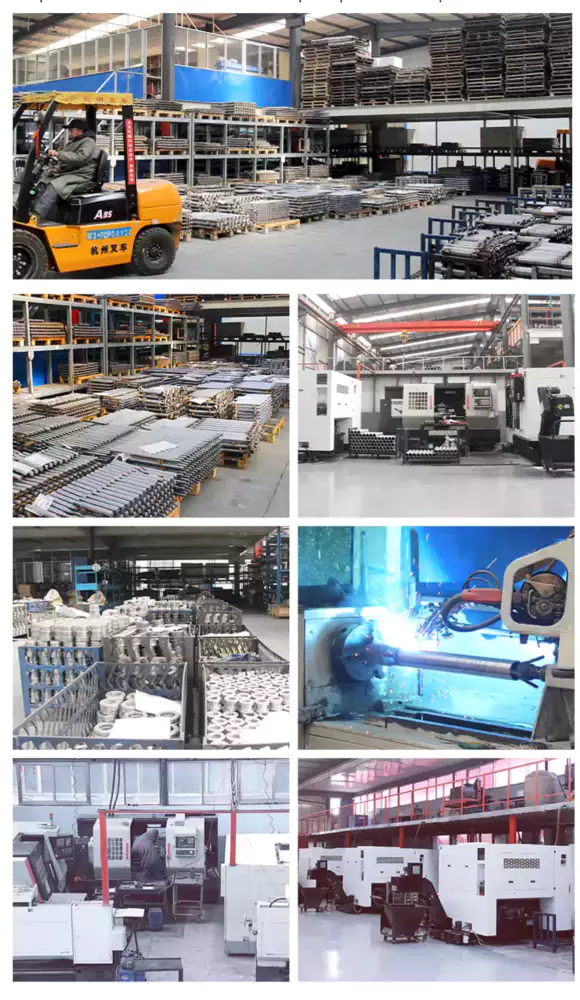
Our company specializes in the production and sales of high-quality gear shafts for power transmission systems. Here are some reasons why you should choose our products:
- High-quality materials: We use only the best quality materials, such as steel alloys, to ensure a long service life and high performance.
- Customized solutions: We offer customized solutions to meet the specific requirements of different applications.
- Expertise and experience: We have a team of experienced engineers and technicians who can provide expert advice and support.
- Competitive pricing: We offer competitive pricing without compromising on quality.
- Excellent after-sales service: We provide excellent after-sales service and support to ensure customer satisfaction.
Q&A
Q1: What are the key factors to consider when selecting a gear shaft?
A: The key factors to consider when selecting a gear shaft include torque, speed, load capacity, material, design, supplier, and cost-effectiveness.
Q2: What are the different types of gear shafts?
A: The different types of gear shafts include spur gear shafts, helical gear shafts, bevel gear shafts, and worm gear shafts.
Q3: What are the applications of gear shafts?
A: Gear shafts are used in various industries, including automotive, energy, agriculture, industrial machinery, and transportation.
Q4: How can gear shaft maintenance be performed?
A: Gear shaft maintenance can be performed through regular equipment inspection, cleaning and corrosion prevention, lubrication and maintenance, replacement of worn parts, and upgrades and improvements.
Q5: What are the advantages of choosing your company for gear shafts?
A: Our company offers high-quality materials, customized solutions, expertise and experience, competitive pricing, and excellent after-sales service and support.