gear shaft in household appliances

Gear Shaft in Household Appliances
Gear shaft is an essential mechanical component that transmits power and motion between rotating shafts in different types of machinery and household appliances. The gear shaft plays a vital role in the functioning of various types of household appliances such as washing machines, dryers, blenders, mixers, vacuum cleaners, and many more. In this article, we will discuss the importance of gear shaft in household appliances and its relationship with gear shafts in general.
Importance of Gear Shaft in Household Appliances
The gear shaft in household appliances is responsible for the transfer of torque from the motor to the appliance’s moving parts, such as the agitator, drum, or blade. The gear shaft’s size, shape, and number of teeth are designed to ensure optimal speed and efficiency in the appliance’s operation. Without a properly functioning gear shaft, household appliances will not be able to perform their intended function.
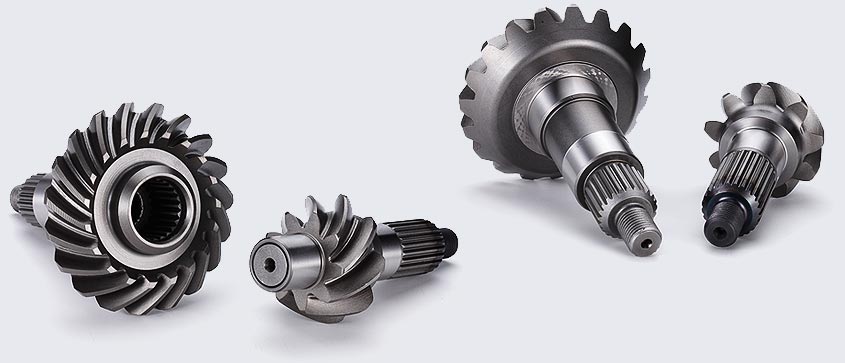
Relationship between Gear Shaft in Household Appliances and Gear Shaft in General
The gear shaft in household appliances is similar in design and function to the gear shaft used in other types of machinery. The only difference is the gear shaft’s size and shape, which are optimized for the specific application in household appliances. In general, the gear shaft is an important mechanical component that transmits power and motion between rotating shafts in various types of machinery, including cars, trucks, trains, airplanes, and industrial machines.
Gear Shaft Performance Characteristics
Gear shafts in household appliances and other machinery have several performance characteristics that are essential for their optimal functioning. These include:
1. Strength and Durability
Gear shafts must be strong and durable to withstand the high torque and load generated during the appliance’s operation. They are typically made of high-strength materials such as steel, brass, or aluminum.
2. Precision and Accuracy
Gear shafts must be precisely machined to ensure accuracy and minimize friction. This helps to reduce wear and tear and improves the appliance’s overall efficiency.
3. Noise Reduction
Some gear shafts have special teeth designs to reduce noise generated during the appliance’s operation. This helps to improve the user experience and ensures that the appliance operates quietly and smoothly.
4. Lubrication
Gear shafts must be properly lubricated to reduce friction and wear and tear. This helps to prolong the appliance’s lifespan and ensures that it operates efficiently.
5. Heat Resistance
Gear shafts must be able to withstand high levels of heat generated during the appliance’s operation. This helps to prevent damage to the gears and ensures that the appliance operates optimally even under high-stress conditions.
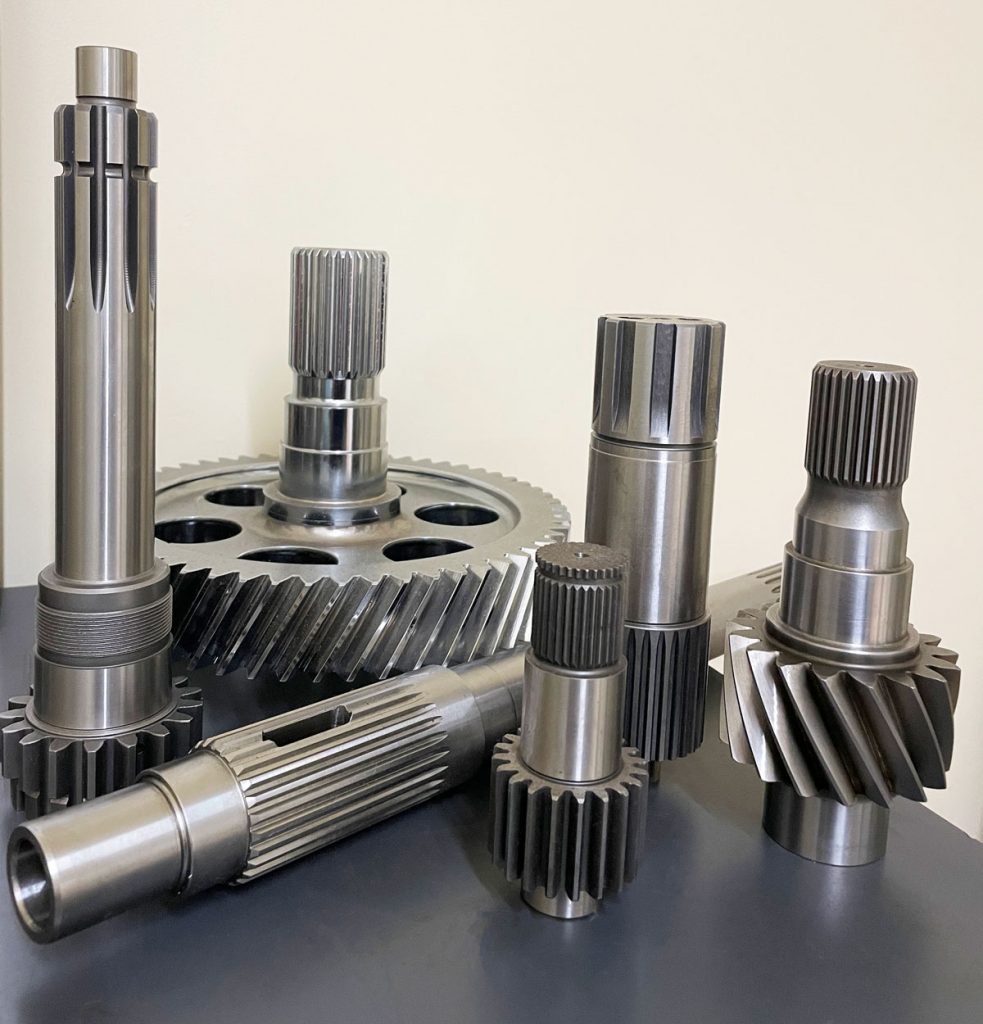
Types of Gear Shaft and Their Characteristics
Gear shafts are available in different types, each with its unique characteristics and advantages. Some of the commonly used gear shafts in household appliances include:
1. Spur Gear Shaft
Spur gear shafts are the most common type of gear shaft used in household appliances. They are simple, efficient, and easy to manufacture. They are typically used in applications that require high torque and low speed.
2. Helical Gear Shaft
Helical gear shafts are similar in design to spur gear shafts but have angled teeth. This design helps to reduce noise and vibration while increasing the gear’s load capacity.
3. Bevel Gear Shaft
Bevel gear shafts are used in applications that require power transmission between two shafts that are not parallel to each other. They are typically used in household appliances such as mixers and blenders.
4. Worm Gear Shaft
Worm gear shafts are used in applications that require high gear reduction ratios. They are typically used in household appliances such as hand mixers and blenders.
Each type of gear shaft has its unique characteristics and advantages. The choice of gear shaft depends on the specific application’s requirements, such as torque, speed, and power transmission.
Applications of Gear Shaft in Different Industries
Gear shafts are widely used in various industries, including:
1. Automotive Industry
Gear shafts are used in cars, trucks, and other vehicles for power transmission between the engine and wheels.
2. Energy Industry
Gear shafts are used in wind turbines, hydroelectric generators, and other types of equipment in the energy industry for power transmission.
3. Agricultural Equipment
Gear shafts are used in tractors, plows, and other agricultural equipment for power transmission and torque.
4. Industrial Machinery
Gear shafts are used in various types of industrial machinery for power transmission and torque.
5. Transportation and Railroad Industry
Gear shafts are used in trains, airplanes, and other transportation vehicles for power transmission and torque.
Future Development and Opportunities of Gear Shaft Products
The gear shaft industry is expected to grow significantly in the coming years, driven by increasing demand for machinery and automation in various industries. Gear shaft manufacturers should focus on developing innovative products that meet the evolving needs of customers. They should also keep up with technological advancements and invest in research and development to stay competitive.
How to Choose the Right Gear Shaft?
Choosing the right gear shaft is essential for optimal performance and longevity of the machinery or appliance. Here are some factors to consider when choosing a gear shaft:
1. Clearly Define the Requirements
Before choosing a gear shaft, it is essential to clearly define the requirements, such as torque, speed, and power transmission. This will help in selecting the right type of gear shaft that meets the specific needs.
2. Material Selection
The choice of material for the gear shaft is crucial for its durability and performance. Common materials used for gear shafts include steel, brass, and aluminum.
3. Design Optimization
The gear shaft’s design must be optimized for the specific application to ensure optimal performance and efficiency.
4. Supplier and After-sales Service
Choosing a reliable supplier and after-sales service provider is essential for ensuring the gear shaft’s quality and longevity.
5. Cost-effectiveness
The cost of the gear shaft is an important factor to consider when selecting a gear shaft. It is essential to balance the cost with the performance and quality of the gear shaft.
Gear Shaft Maintenance
Proper maintenance of gear shafts is essential for their longevity and optimal performance. Here are some tips for maintaining gear shafts:
1. Regular Equipment Inspection
Regular inspection of the equipment can help in detecting any issues with the gear shaft early and addressing them promptly.
2. Cleaning and Corrosion Prevention
Gear shafts must be cleaned regularly to prevent corrosion and ensure optimal performance.
3. Lubrication and Maintenance
Proper lubrication and maintenance of gear shafts can help in reducing wear and tear and prolonging their lifespan.
4. Replacement of Worn-out Parts
Worn-out parts of the gear shaft must be replaced promptly to prevent further damage and ensure optimal performance.
5. Upgrades and Improvements
Upgrading and improving the gear shaft can help in enhancing its performance and prolonging its lifespan.
Why Choose Us
Our company specializes in the production and sales of high-quality gear shafts for different applications. Here are some reasons to choose our products and services:
1. High-Quality Products
Our gear shafts are made of high-quality materials and are designed to meet the specific requirements of different applications.
2. Competitive Prices
We offer competitive prices for our products and services without compromising on the quality.
3. Custom Design
We offer custom design services to meet the specific requirements of different applications.
4. Fast Delivery
We offer fast delivery services to ensure that our customers receive their orders promptly.
5. Excellent Customer Service
We provide excellent customer service and after-sales support to ensure customer satisfaction.
Q&A
1. What are gear shafts used for?
Gear shafts are used for power transmission and torque between rotating shafts in different types of machinery and appliances.
2. What are the different types of gear shafts?
The different types of gear shafts include spur gear shafts, helical gear shafts, bevel gear shafts, and worm gear shafts.
3. What are the characteristics of a good gear shaft?
A good gear shaft should be strong and durable, precise and accurate, noise-free, properly lubricated, and heat-resistant.
4. How do I choose the right gear shaft?
To choose the right gear shaft, you need to define the requirements, select the right material, optimize the design, choose a reliable supplier, and balance the cost with the performance.
5. How do I maintain gear shafts?
To maintain gear shafts, you need to regularly inspect the equipment, clean and prevent corrosion, lubricate and maintain the gear shaft, replace worn-out parts, and upgrade and improve the gear shaft.
Author: Dream